REVIEW · PORTO
Taste of Porto: The Ultimate Full Meal Portuguese Food Tour
Book on Viator →Operated by Do Eat Better Experience · Bookable on Viator
Porto tastes better when it walks with you. This 3.5-hour, small-group food walk links 5+ tastings and drinks with classic sights in the old center, ending with the kind of port stop you can’t skip. It’s priced like a bargain when you consider you’re getting a full-meal feel across several places, not just a few nibbles.
I especially like the way the tour mixes iconic bites with everyday food culture: pastel de nata with coffee to start, then a pork bifana plus shared petiscos later. One thing to keep in mind: Porto is hilly, so expect a real walking experience, and the specific tastings can shift by season and partner availability.
In This Review
- Key Things That Make This Porto Food Tour Worth Your Time
- A Full-Meal Walking Tour, Not a Snack Trolley
- Chapel of Souls to Pastel de Nata: The Sweet-Start Moment
- Historic Center Stroll: Wine Sips and Real Street-Level Porto
- Mercado do Bolhão: Cheese and Wine in a 1937 Market Building
- Avenida dos Aliados: From Grand Architecture to the Bifana Bite
- Rua do Carmo and Petiscos: Shared Plates Like Local Social Life
- Lisbon Square Finale: Port Wine and the Port and Tonic Option
- Pacing, Hills, and Portion Reality
- Guides Matter: Why the Best Tours Feel Personal
- Value Check: What $59.65 Really Buys You Here
- Dietary Needs: Adjustments Are Possible, But Not Unlimited
- Common Gotchas: Language Mix, Crowds, and the End Location
- Should You Book Taste of Porto?
Key Things That Make This Porto Food Tour Worth Your Time
- Pastel de Nata start near Chapel of Souls: blue-and-white tile vibes, then a classic custard pastry with coffee
- Mercado do Bolhão cheese and wine: taste local cheeses paired with a regional wine pour in a historic market setting
- Bifana + petiscos combo: you get both the iconic pork sandwich and the shared small-plate style food Porto does so well
- Port wine finale at Lisbon Square: learn how fortified port works, with options like port and tonic
- Small group (up to 12 people): a pacing that stays friendly instead of herding people
- Dietary flexibility with limits: vegetarian and pescatarian adjustments are possible, plus some gluten-free options if cross contamination isn’t an issue
A Full-Meal Walking Tour, Not a Snack Trolley
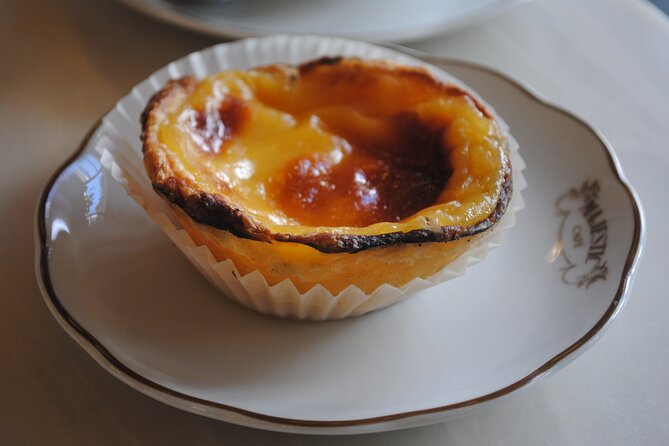
This tour is built around the idea of eating like a local. You get an itinerant meal across multiple stops, with tastings at at least 4 stops that add up to the equivalent of a full meal, plus water and included drinks in fixed amounts for guests 18+.
For $59.65, what makes it good value is the mix: pastries at the start, cheese and wine at a real market, a proper main like bifana, then petiscos and a port finish. If you’ve ever done food tours that feel skimpy, this one aims the opposite direction—enough food that you don’t spend the rest of the day hunting dinner.
You can also read our reviews of more food & drink experiences in Porto

Chapel of Souls to Pastel de Nata: The Sweet-Start Moment
You begin near the Chapel of Souls, known for its blue-and-white tile exterior. It’s a great way to set the tone because Porto’s tilework and church facades are part of the city’s identity, not just decoration.
Then you hit the pastry shop nearby for the tour’s opening sweet: pastel de nata with a coffee pairing. Expect layers of flaky pastry around a rich custard center, often with a light dusting like cinnamon or powdered sugar. The coffee matters here; it keeps the flavors crisp and gives you energy for the walking ahead.
A small practical tip: if you’re sensitive to sweetness, take small bites and pace your sips. Pastel de nata is best when you’re calm enough to taste the custard and the pastry contrast.
Historic Center Stroll: Wine Sips and Real Street-Level Porto
The main walking portion runs about 3.5 hours total, and the historic center segment is where the guide ties food to place. You’ll move through Porto’s old streets and pass major landmarks while learning how the city’s culture shaped what ends up on plates.
You’ll also get a glass of local wine during this stretch. This isn’t just about alcohol; it’s about timing. A wine sip early helps you connect with the flavors later—especially when you hit stronger tastes like pork and the shared plates of petiscos.
One heads-up: the tour notes that tastings may change with the season and partner availability. That’s normal in food tours, but it also means you shouldn’t treat any specific bite as a guarantee. The big classics are the anchor, but details can shift.
Mercado do Bolhão: Cheese and Wine in a 1937 Market Building
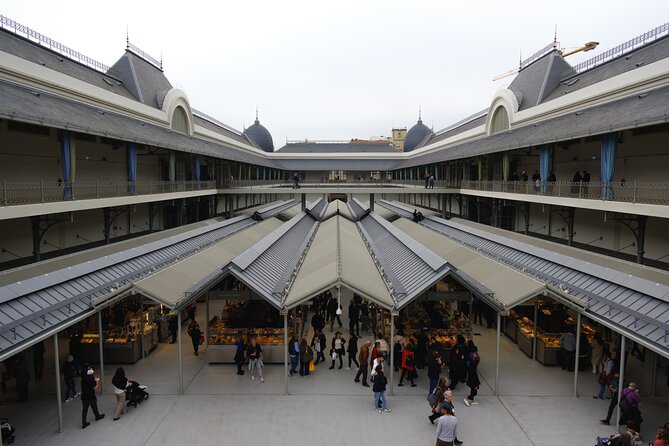
Next comes Mercado do Bolhão, a neoclassical market building dating back to 1937. Even if you don’t shop there, it’s worth seeing because markets like this show what locals actually do—buy, trade, snack, and keep life moving.
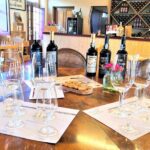
Inside, you’ll try a board of local cheese and wine. Porto is known for regional flavors, and the cheese-and-wine pairing gives you a strong sense of how the city thinks about food: simple, practical, and meant to be shared.
If you like food tours that feel grounded in real local settings (instead of restaurants chosen just for photos), this stop is a win. It also gives you a break from full-on walking energy without turning into a long sit-down meal.
Avenida dos Aliados: From Grand Architecture to the Bifana Bite
Avenida dos Aliados is one of Porto’s central streets, famous for the city’s hall area and Art Nouveau palaces. It’s a wide, easy-to-recognize stretch where you can see the city’s civic side before returning to neighborhood food.
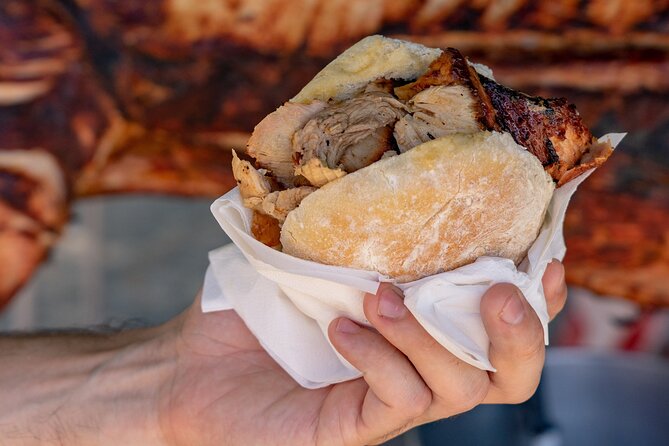
From there, the tour swings into the next taste: bifana. This is Porto’s classic pork sandwich—thinly sliced marinated pork tucked into a roll, seasoned with garlic and paprika-style spices, then served so the pork stays tender and flavorful.
This stop is important because it balances the tour’s sweetness earlier. By the time you reach bifana, you’ve had pastry and coffee, plus the market cheese and wine, so the pork sandwich hits like a real meal—not a snack.
If you’re ordering food on your own later in Porto, this is also a great reference point. You’ll learn what you should compare others to.
A few more Porto tours and experiences worth a look



Rua do Carmo and Petiscos: Shared Plates Like Local Social Life
Rua do Carmo is a scenic corridor with major landmarks along the way, including the Lions’ Fountain area and the baroque Igreja do Carmo with its blue-and-white tiles. Walking here makes the tour feel like sightseeing with a food purpose, not just a checklist.
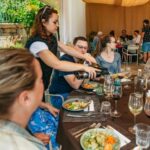
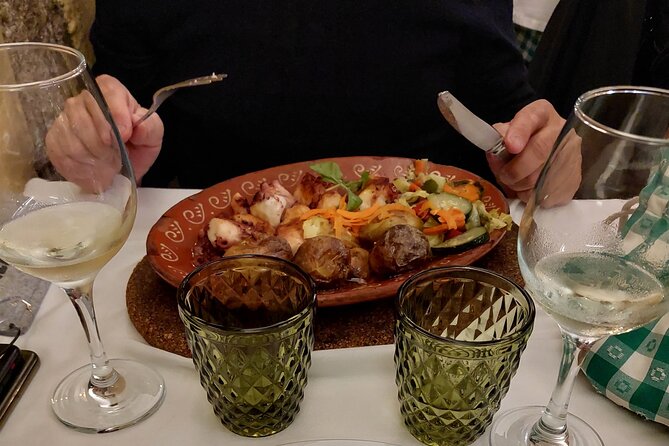
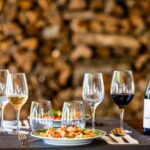
Then you reach the local tasca for petiscos, which are Porto’s version of small plates similar to tapas. You’ll sample a selection meant for sharing—things like marinated olives, cheese platters, grilled chorizo, and seafood skewers—plus an included glass of wine.
This is one of the tour’s most social stops. Petiscos are designed to be passed around, and that changes the vibe: you’re eating together, talking, and tasting a range of flavors in a way a single plated main never can.
Practical note: petiscos can include items you might not expect if you’re used to more formal restaurant dining. If you’re unsure, check in with the guide about what’s in each bite before you start digging in.
Lisbon Square Finale: Port Wine and the Port and Tonic Option
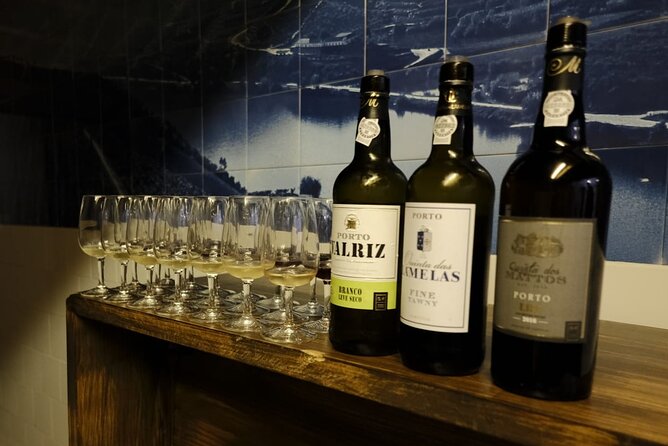
The last stop centers on port wine near Lisbon Square. Porto’s identity is tied to this fortified wine, historically exported through the region’s major ports. Fortified means grape spirits are added, creating a sweeter, more complex profile than many table wines.
You’ll learn how different styles work, and you may also try a port and tonic style option (the tour notes white port mixed with tonic as an alternative). If you don’t want a straight pour, this cocktail-style approach gives you a refreshing way to end the day.
This is also the moment when the tour’s included tastings feel complete. By the time you reach port, you’ve gone from pastry to savory mains to shared plates, and port ties it all together with a distinctly Portuguese finish.
Pacing, Hills, and Portion Reality
Porto isn’t flat, and the tour specifically warns the route includes hills. That’s not a dealbreaker, but it does affect how you should plan: wear comfortable shoes, and don’t assume you’ll glide through on easy streets.
The good news is the tour is designed for a manageable pace. Several guests highlight that distances between stops are short and that the overall timing feels well judged rather than rushed. With a group size capped at 12, it also tends to feel more like you’re traveling with people than waiting in line.
A simple summer strategy: bring water even though water is included. One review-style tip that shows up often is that heat can sneak up on you once the walking starts.
Guides Matter: Why the Best Tours Feel Personal
The guides seem to be a core part of the experience. Names that came up include Cynthia, Filipe, Harald, Wilson, Vinnie, and Cinzia—and guests consistently describe them as funny, friendly, and strong at connecting food to Porto’s streets and traditions.
What I like about this for your experience is that it changes the tour from eating to understanding. You’re not just handed bites; you’re told why each one fits. That context makes even familiar foods like pastel de nata feel more interesting because you understand how Porto shaped them.
There’s also mention that guides can adjust pacing for different needs. If you’re someone who likes to ask questions, this tour’s format tends to reward that.
Value Check: What $59.65 Really Buys You Here
You’re not paying for one restaurant. You’re paying for a guided route with multiple partner stops, tastings across sweet, savory, and drinks, plus water and an English-speaking local guide.
At minimum, you should expect:
- a pastel de nata start with coffee
- a cheese and wine tasting at a major market
- a main like bifana
- petiscos with wine included
- a port wine finish
That’s why the price feels fair. In a lot of cities, trying just one of these experiences on your own can cost close to this once you add transport, drinks, and a meal. Here, you get the structure and the sampling concentrated into a single half-afternoon.
Dietary Needs: Adjustments Are Possible, But Not Unlimited
The tour says you should inform them of dietary restrictions before booking. Tastings can be adjusted for vegetarian and pescatarian diets, and there are some gluten-free options that may be offered as long as cross contamination isn’t a problem.
That last part matters. If gluten is a serious issue for you, plan to speak clearly in advance and confirm what can be safely handled. The tour also states that severe or life-threatening food allergies aren’t able to participate for safety reasons.
The upside is that the tour acknowledges accommodations, and multiple guides are reported to manage restrictions in a thoughtful way. If your needs are moderate and you communicate early, you’re in a good position.
Non-alcoholic options are also available, and the alcohol portion is only included for guests over 18.
Common Gotchas: Language Mix, Crowds, and the End Location
Even well-run tours can have small friction points. One caution from the experience data: if you’re expecting the whole tour strictly in English, don’t be shy about confirming that with the guide on day-of. The guide may speak both English and Portuguese during the tour, and you’ll want it to match your comfort level.
Another practical consideration: some food stops can be busy. When restaurants are crowded, you might feel less relaxed while you’re tasting. I’d treat that as part of the experience, not a sign the tour is failing.
Finally, the tour’s end point can vary slightly based on partner availability. The stated ending is Praça de Lisboa, but if you’re planning dinner or a specific ride, ask the guide where they finish and how you get there. Staying organized beats guessing.
Should You Book Taste of Porto?
Book it if you want the easiest way to eat your way through Porto’s core in one go. It’s a strong choice for first-timers because it blends major sights with classic foods, and the small-group cap helps the experience feel human.
Skip it or choose your timing carefully if you know you struggle with hills, or if you have a serious allergy that falls outside what the tour can safely accommodate. Also, if you’re very sensitive to language switching, message your preferences when you book so you’re not left hoping.
If you like food tours where you end up properly full and not still hungry later, this one makes a persuasive case for itself.