REVIEW · LISBON
Pasteis de Nata Experience
Book on Viator →Operated by Cooking Lisbon · Bookable on Viator
Custard heaven comes with a clock. This Pastéis de Nata class in Lisbon turns a famous treat into a real, hands-on morning, starting with how the sweets began at Jerónimos Monastery. You’ll make pastries with your group and then taste what you make, in a small setup near Anjos Metro.
I really like two things here: the small group size (max 12), which keeps the pace friendly, and the fact that you leave with recipe PDF files by email so you can try again at home. Drinks are included too, along with Wi‑Fi for a quick photo check before you go.
One thing to consider: there’s been an isolated 1 out of 5 report about a host not showing up. If you book, I suggest you double-check the booking confirmation details before heading out, just to be safe.
In This Review
- Key things to know before you go
- Jerónimos Monastery origin: the egg story that explains the pastry
- 9:30am at R. Bernardim Ribeiro 9: simple to find, early to start
- Small-group class setup: max 12, hands-on roles, private feel
- What you actually do: making the pastel de nata and tasting your batch
- Drinks, Wi‑Fi, and the recipe PDFs you’ll use later
- Is $72.08 good value? How to think about the price
- The one drawback to watch: the no-show story and how to protect yourself
- Who this class suits best (and who might prefer something else)
- Should you book the Pastéis de Nata Experience?
- FAQ
- What is the duration of the Pastéis de Nata class?
- Where does the class meet in Lisbon?
- What time does the class start?
- Is the class offered in English?
- What’s included in the price?
- Are recipe files provided to take home?
- How many people are in a group?
- Is there a place to buy tins for baking at home?
- FAQ
- Is cancellation free?
Key things to know before you go
- Small group, personal attention with a maximum of 12 travelers
- English-led class with a mobile ticket and a 9:30am start
- Origin story you’ll actually use: Jerónimos Monastery, egg whites for starching habits, yolks for sweets
- Included drinks and Wi‑Fi, so you can take a breath and enjoy the session
- Take-home recipe PDFs sent by email, plus pastel de nata tins you can buy nearby
Jerónimos Monastery origin: the egg story that explains the pastry
Pastéis de Nata didn’t just appear out of nowhere. The classic version traces back to the 18th century, linked to Jerónimos Monastery in Lisbon. At the time, monasteries and convents used huge quantities of egg whites for starching clothes—think nun’s habits—so the leftover yolks had to go somewhere.
That leftover-yolk situation helped fuel Portuguese sweet recipes. In the class, that origin isn’t just trivia. It gives you a better feel for why the pastry leans so hard into custard—this is a dessert shaped by real daily needs, not just fancy branding.
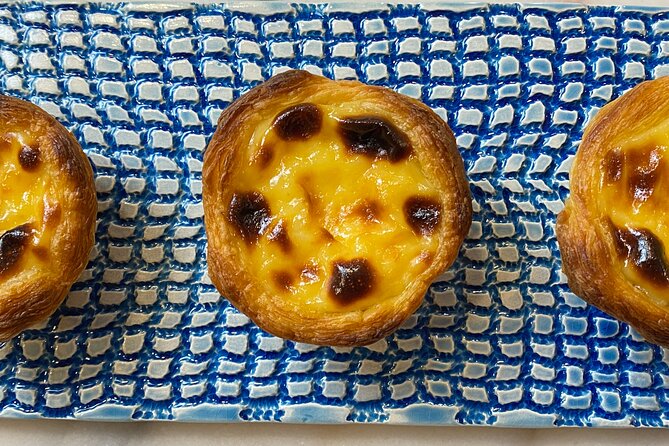
You’ll also hear the basic idea behind the treat: you’re not making a generic custard tart. You’re making the famous Lisbon-style pastry that people seek out specifically for its contrast—crispy pastry shell, creamy center, and a top that’s meant to char a little.
You can also read our reviews of more tours and experiences in Lisbon.



9:30am at R. Bernardim Ribeiro 9: simple to find, early to start
The session starts at 9:30am at R. Bernardim Ribeiro 9, 1150-068 Lisboa. It’s close to public transportation, including about 50 meters from Anjos Metro Station, which is a huge win if you don’t want to waste your morning hunting for a quiet side street.
You’ll return to the same meeting point at the end. With a duration of about 1 hour 30 minutes, plan your schedule so you’re free afterward—this is a food-first activity, and you’ll likely want time to continue exploring Lisbon with a pastry buzz.
A small practical note: the class is offered in English, and you’ll receive confirmation at booking time. Use that message to confirm your exact meeting details before you leave your hotel.
Small-group class setup: max 12, hands-on roles, private feel
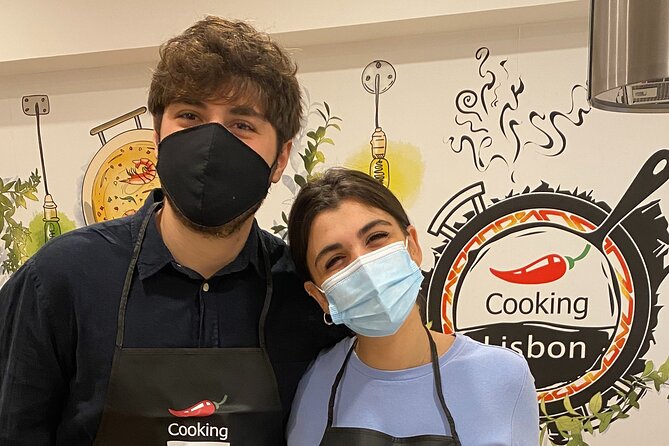
The class is listed as a private class, and the group limit is 12 travelers max. In practice, that means you’re not stuck watching someone else cook while you ask questions from the back row. People get hands-on time, and the instructor can correct technique without shouting over a crowd.
One of the most praised parts in the experience is the teaching style. Guests describe hosts who explain clearly what you’re going to do and how the flow works in the kitchen. That matters, because pastry making can feel fussy—small adjustments change results.
There are also multiple mentions of different instructors (including a chef and a host named Felipe). Regardless of who leads your session, the format stays the same: clear guidance, room for everyone to participate, and a kitchen sized for the group instead of a big show.
What you actually do: making the pastel de nata and tasting your batch
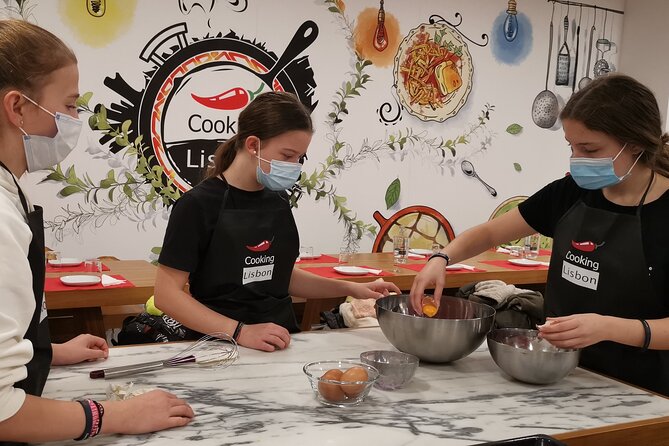
Here’s the core of the experience: you’ll learn to make Pastéis de Nata with your group and then enjoy the results during the session. The sweet spot is that it’s not just a cooking demo. It’s a hands-on class where your work turns into something you can taste right away.
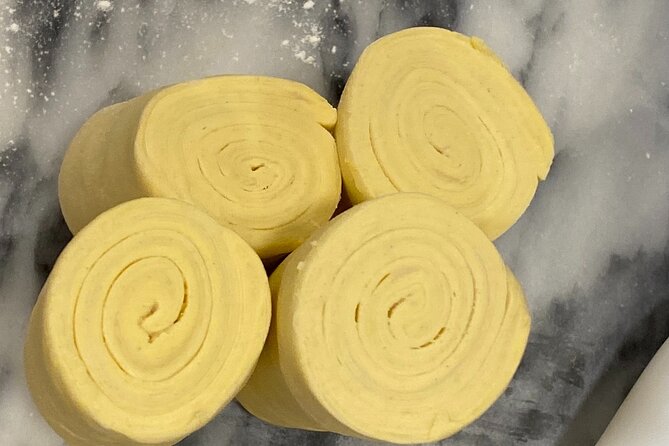
During the cooking portion, your instructor focuses on the method behind the pastry. You’ll work through the steps needed to assemble the custard cups so they come out in the style people associate with Lisbon. And because it’s a short class (about 1.5 hours), it’s paced to keep you moving—no marathon baking session.
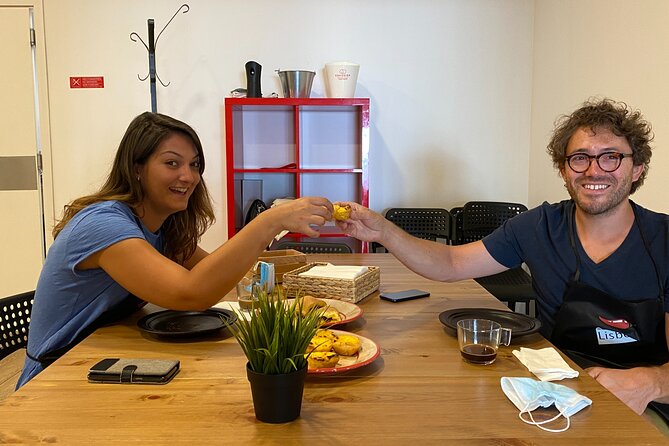
When you sit down to taste, it becomes a real “brag moment.” You’re not relying on a bakery counter to deliver perfection. You’re sampling something you made, with the guidance that helps you avoid the most common beginner mistakes.
Also, this is one of those rare activities where the learning and the reward are tied together. You end up eating the thing you practiced, which makes it easier to remember what changed and what worked.
Drinks, Wi‑Fi, and the recipe PDFs you’ll use later
This class includes coffee, milk, tea, and juice. That’s a helpful spread because it works for different tastes (coffee fans, tea people, and anyone who wants something lighter). One review also mentions porto along with coffee, so if you see it offered on the day, that’s in line with the experience style.
You’ll also get Wi‑Fi. It’s not essential, but it’s useful if you want to review notes, save a photo of your setup, or email yourself the recipe link when it arrives.
The biggest practical take-home is the PDF recipes sent by email. That matters more than people expect. When you’re making pastry, you can forget proportions or the order of steps the second you’re back home. A written recipe is what turns this from a fun morning into an activity you can repeat.
You can also purchase pastel de nata tins (available to buy nearby). If you’ve ever tried making tarts in random pans and wondered why they don’t look right, these tins are one of the easiest upgrades to get closer to the real shape.



Is $72.08 good value? How to think about the price
At $72.08 per person for about 1 hour 30 minutes, this isn’t the cheapest food activity in Lisbon. But it can still be good value if you weigh what you’re actually getting.
You’re paying for three things:
- Instruction with a small group (max 12), not a mass workshop
- Included drinks so you don’t add extras during the session
- Take-home materials via emailed recipe PDFs
Also, this is booked on average 12 days in advance, which usually suggests it’s a popular time-slot type activity. If you’re in Lisbon for a weekend or school holiday stretch, earlier booking often helps you get a start time that fits your plan.
If you’re the type who likes learning by doing, the price starts to make more sense. If you just want a pastry with zero interest in technique, you can probably find tastier value at a bakery. But if you want the why behind the dessert, this class is more “useful tourism” than souvenir eating.
The one drawback to watch: the no-show story and how to protect yourself
One guest left a 1 out of 5 review saying the course didn’t start and they waited. The provider response said they had no record of that booking and that no such incident had occurred.
So what does that mean for you? It means you should treat confirmation like part of the plan. Before you set out, confirm the provider name shown in your booking message and make sure the meeting point matches. It’s a quick step that can save a very frustrating morning.
If everything checks out, most of the feedback highlights the opposite: classes that are ready when people arrive, with an instructor who explains clearly and a group setup that works.
Who this class suits best (and who might prefer something else)
This is a great fit if you:
- Want a morning activity that feels hands-on, not just sightseeing
- Like learning a Lisbon specialty and leaving with a method you can repeat
- Prefer a small group experience instead of a crowd-heavy cooking show
It’s also family-friendly in the sense that one review praises it as great for all ages, with a setup where everyone can participate.
You might skip this if:
- You only want to taste pastries and nothing else (a bakery run will be faster)
- Your schedule is extremely tight at 9:30am and you hate early starts
Should you book the Pastéis de Nata Experience?
I’d book it if your Lisbon trip includes the words “learn” and “eat” in the same sentence. The combination of a classic origin story, a small max 12 group, and the fact that you leave with recipe PDFs makes it feel like more than a one-time treat.
Here’s my simple decision checklist:
- If you’d rather cook than just snack, this is a strong yes.
- If you want a structured morning with English instruction and included drinks, it fits well.
- If you’re booking last-minute, check your confirmation carefully so you don’t risk confusion at the meeting point.
If you like the idea of making Lisbon’s signature pastry yourself—and then eating it—this class is an easy win.
FAQ
What is the duration of the Pastéis de Nata class?
It lasts about 1 hour 30 minutes.
Where does the class meet in Lisbon?
It meets at R. Bernardim Ribeiro 9, 1150-068 Lisboa, Portugal.
What time does the class start?
The start time is 9:30am.
Is the class offered in English?
Yes, it’s offered in English.
What’s included in the price?
Included items are activity insurance, drinks (coffee, milk, tea, juice), and recipe PDF files sent by email, plus Wi‑Fi.
Are recipe files provided to take home?
Yes. You’ll receive PDF recipes by email.
How many people are in a group?
The class has a maximum of 12 travelers.
Is there a place to buy tins for baking at home?
Pastel de nata tins are available to purchase.
FAQ
Is cancellation free?
Free cancellation is available up to 24 hours in advance for a full refund.