REVIEW · PORTO
Douro Valley: Winery Tour at Quinta do Tedo and Tastings
Book on GetYourGuide →Operated by Quinta do Tedo · Bookable on GetYourGuide
Terraced vines above two rivers feel like a living map. At Quinta do Tedo, the tour pairs big views of the Douro–Tedo confluence with a hands-on look at estate-grown organic Porto and red-wine production. I also like that it’s paced for real understanding, not a rushed factory stop, though the whole experience is compact enough that 1 hour can feel a bit short if you want extra time tasting or lingering.
What I’d call the sweet spot here is the mix of vineyard education and traditional production details—lagers, aging, bottling, and hand-labeling—followed by tastings in a renovated 18th-century room. If you’re the type who enjoys seeing how a bottle gets made, you’ll get a lot for your money. The one consideration: the schedule is set after booking, so plan around the confirmed start time rather than expecting walk-up flexibility.
Key points to know before you go
- Quinta do Tedo’s setting: terraced vineyards at the Douro and Tedo river confluence
- Organic, estate grapes: 37 acres of class A vineyards from 100% estate-grown fruit
- Production walk-through: Porto and red wine steps explained clearly during the guided tour
- Traditional method focus: foot treading in the lagers, plus cellar aging in 18th-century spaces
- Tasting with a view: Portos and reds served at the tasting room overlooking the Douro River
In This Review
- Quinta do Tedo: the Douro and Tedo confluence in one stop
- The 35-minute guided tour: vineyards, olive orchards, and how the estate works
- Porto and red wine production details you’ll actually remember
- The tasting: estate Portos and reds overlooking the Douro
- The 5-minute shopping stop: what to do with your favorites
- Price and value: what $42 gets you in the Douro Valley
- Who should book this tour at Quinta do Tedo?
- Should you book Quinta do Tedo’s Porto and red wine tour?
- FAQ
- Where is the meeting point for the tour?
- How long is the Quinta do Tedo tour and tasting?
- What languages are the tour guides available in?
- What wines do you taste at the end?
- Are the grapes organic and estate-grown?
- Does the tour include a vineyard and winery production walkthrough?
- How do I schedule the visit time?
- Is the experience wheelchair accessible?
Quinta do Tedo: the Douro and Tedo confluence in one stop
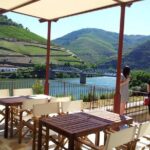
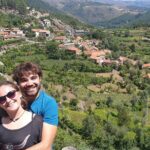
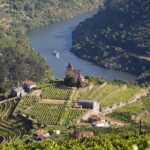
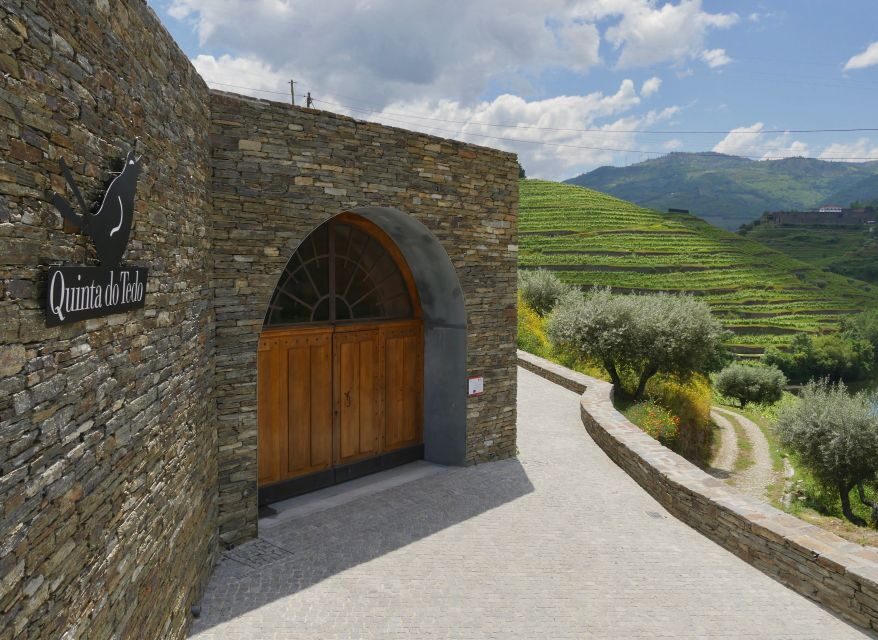
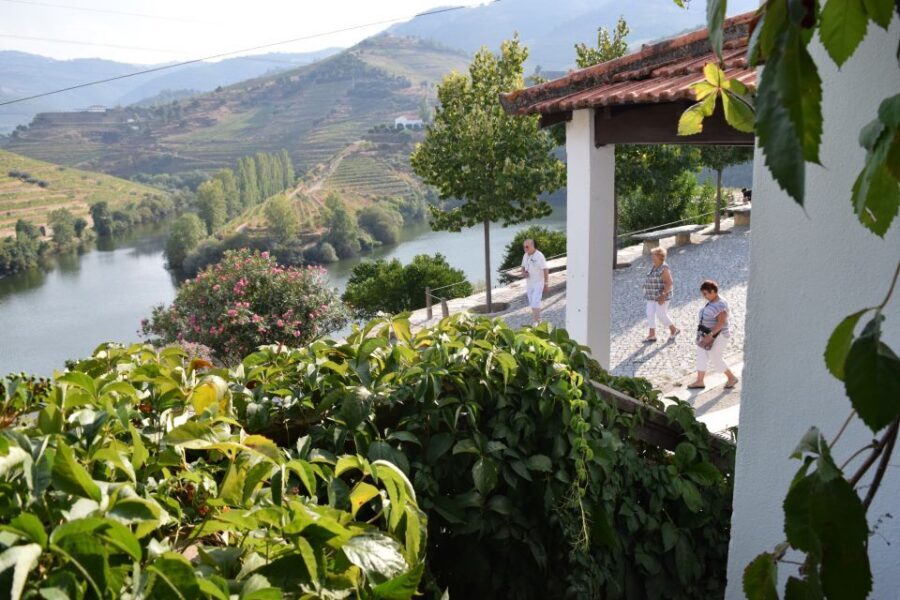
Quinta do Tedo is the kind of place you remember because it looks like it belongs in a postcard, even before you taste anything. The vineyard sits above the dramatic meeting point of the Douro and Tedo rivers, with terraces that run where the slope lets them. That setting matters more than you might think: it makes the idea of terroir feel concrete. You’re not just hearing that the vines are influenced by their site—you’re literally standing on it.
The estate itself is described as an 18th-century property, and the tour takes advantage of that. You’ll move through the vineyard areas and then into production spaces tied to Porto and red wine making. Later, you’ll end in a renovated 18th-century tasting room, which keeps the day from feeling like a generic wine stand.
One practical upside for visitors: this is a single-location experience. You’re not hopping between multiple estates, which usually means less transit time and more uninterrupted time learning. If you’re short on time in the Douro Valley or you’d rather go deep at one winery than skim five, this format makes sense.
The 35-minute guided tour: vineyards, olive orchards, and how the estate works
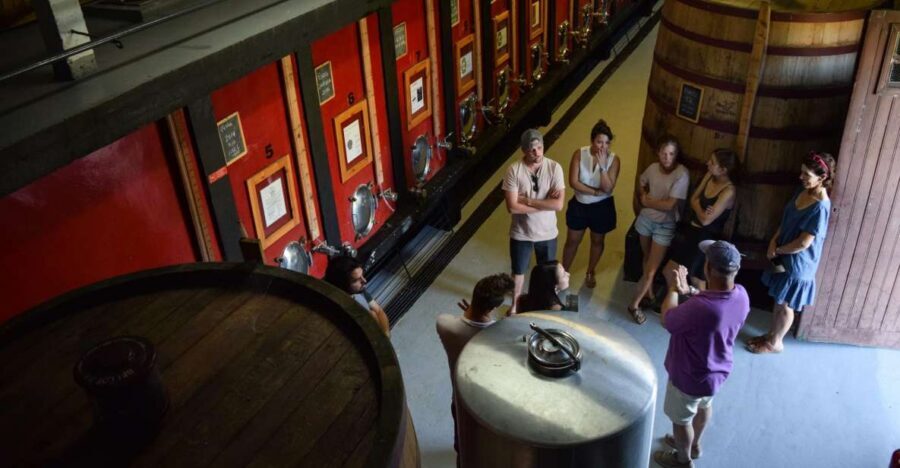
The guided portion runs about 35 minutes, and it’s built around what makes Quinta do Tedo distinctive: the vineyards, the estate’s organic practices, and the way Porto and red wines are produced. You’ll get explanations tied to the vines you see around you, plus time spent covering olive orchards—useful context if you’re used to vineyards only.
Here’s what I like about how this kind of short tour can work well. A vineyard isn’t just rows of vines; it’s a system. When the guide points out what’s happening in the vineyard areas and ties it to wine styles, you leave understanding why you’re drinking what you’re drinking. With this tour, you’re also learning about the estate’s wine-making flow, not only its farming.
Also worth noting: the tour has multiple languages listed (English, Portuguese, and French), so you’re less likely to feel like you’re getting only half the story. And if you care about clarity, there’s a strong signal that the guides can deliver the presentation well; one guide named Bruno is specifically called out for excellent guidance and presentation. That matters because wine production can sound confusing if it’s delivered in a rush.
Timing-wise, the tour is designed to lead naturally into tasting. The day doesn’t “add on” tasting like an afterthought; it sets you up to understand what you’ll taste next.
You can also read our reviews of more wine tours in Porto


Porto and red wine production details you’ll actually remember
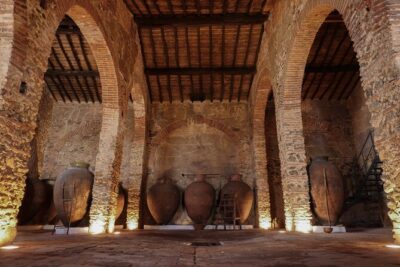
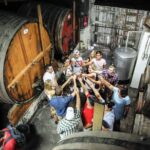
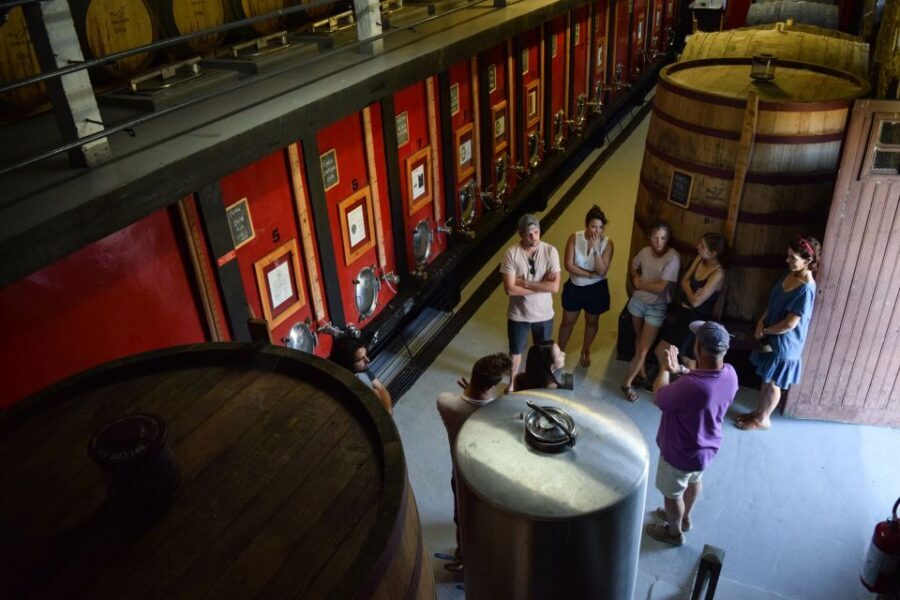
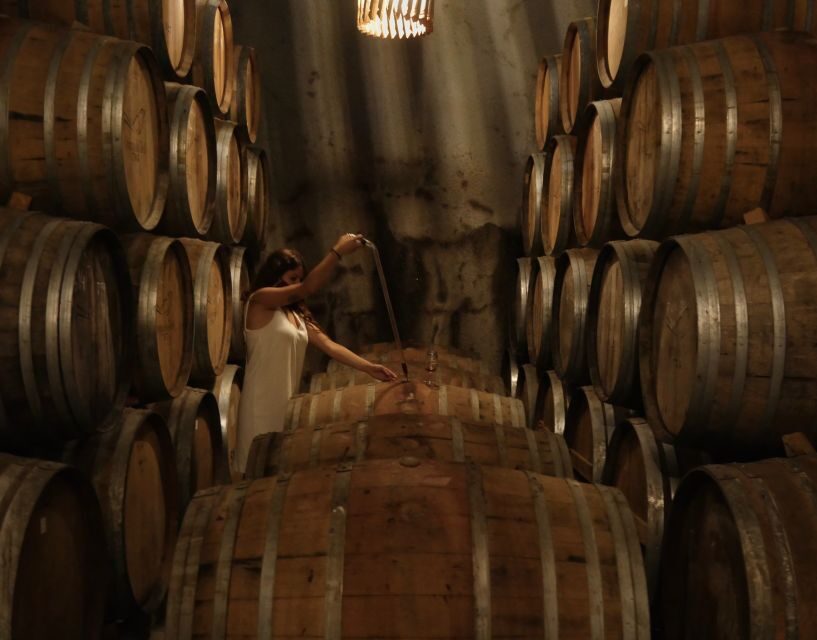
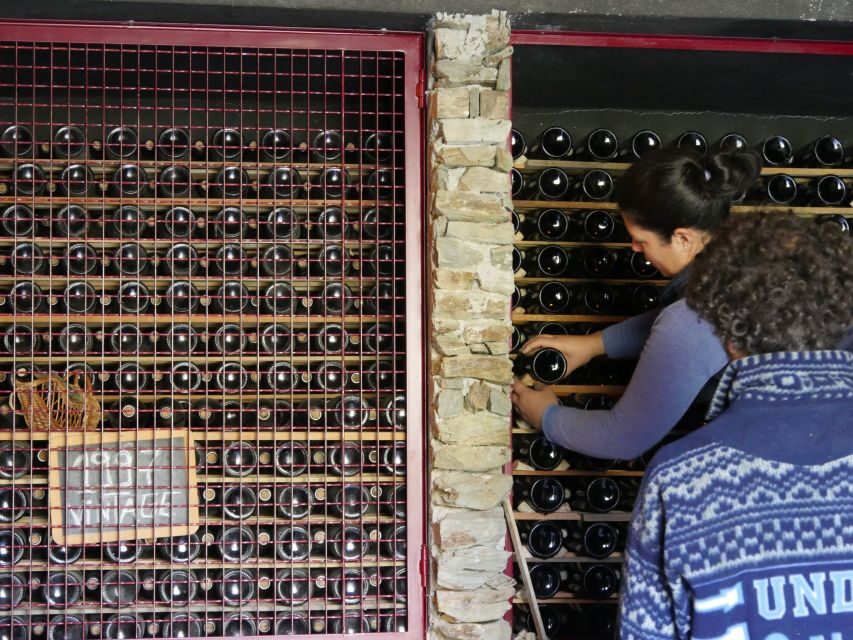
After the vineyard portion, the production explanation is the meat of the experience. You’ll hear about Porto and red wine production steps, including foot treading in the lagers, aging in 18th-century cellars, and how wine moves into bottling and hand-labeling.
Let’s translate why these details are worth your time.
- Foot treading in the lagers isn’t just a fun fact. It’s a sign the estate values tradition in how it processes grapes. If you’ve only seen modern machinery, this gives you a different lens on texture, extraction, and the cultural idea of Porto.
- Aging in 18th-century cellars makes the winery feel like it has a stable rhythm. Wine aging is a slow process, so understanding that the aging happens in period cellars gives context to why Porto develops the way it does over time.
- Bottling and hand-labeling is where you start to feel the difference between mass production and estate-level finishing. You don’t need to be a wine expert to appreciate that this step is part of a human workflow.
If you’re the kind of traveler who likes to connect craft to place, these production points are the reason this tour feels more complete than a quick tasting-only stop. And because the entire experience stays at Quinta do Tedo, the story stays consistent: grapes to process to bottle, all in one arc.
One thing to keep in mind: the total duration is short. That’s great for many schedules, but if you want deeper technical discussion for a longer time, you may wish you had more minutes. Still, the way the tour compresses production knowledge can feel efficient—especially if you’re planning more than one winery day.
The tasting: estate Portos and reds overlooking the Douro
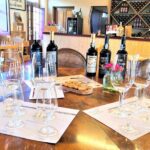
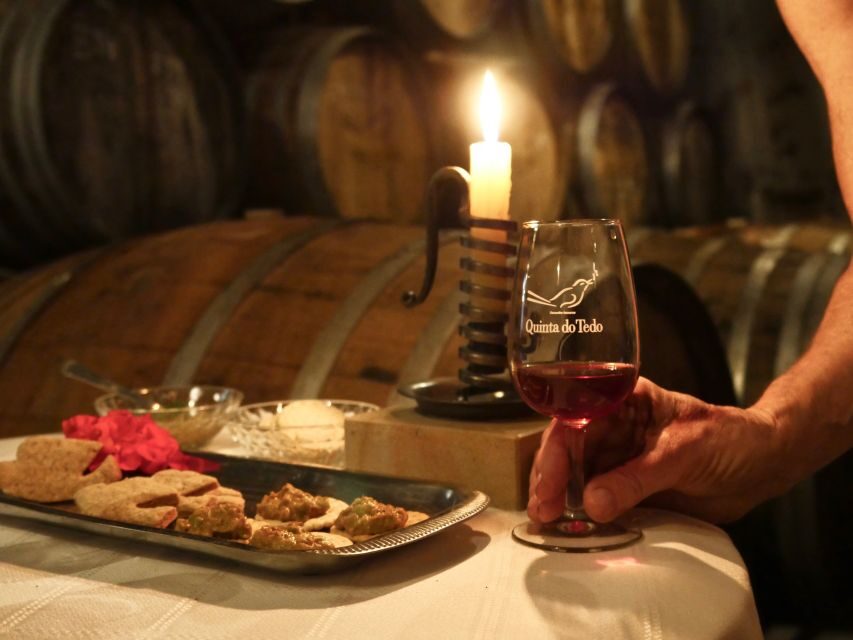
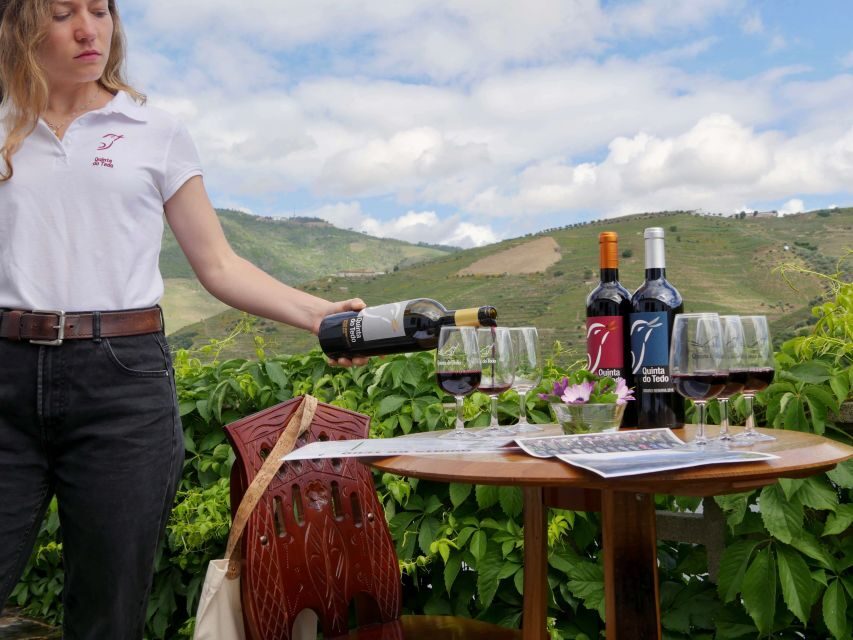
The wine tasting takes about 30 minutes, and it’s where the tour’s education pays off. You taste the Quinta do Tedo Portos and red wines in a renovated 18th-century tasting room, with the Douro River as a backdrop.
What’s valuable here is that the tasting isn’t random. The estate positions itself around a strong supply of fruit: the grapes come from 37 acres described as class A vineyards, the highest rating from the Portuguese Instituto do Vinhos do Douro e Porto. You also get the claim that these are 100% estate-grown organic grapes. Even if you don’t obsess over ratings, that framing tells you the estate wants you to taste the result of its own vineyard work.
A quick practical tip: go in with a mindset of comparison, not just sipping. Since you’ll likely sample both Porto-style wines and reds, focus on how the sweetness/dried-fruit notes (common in Portos) compare to the red wine profile. If you keep track of one question—how each wine feels on the palate—you’ll get more out of the 30 minutes.
The view helps too. When you’re tasting with the river in front of you, the Douro Valley stops being abstract. You start to connect what you learned—vineyard site, production, aging—with why these wines often carry that “place” feeling people talk about.
The 5-minute shopping stop: what to do with your favorites
There’s a short shopping window at the end—about 5 minutes. That’s not a lot of time, so treat it like a quick “if you really liked it” moment, not a full retail browsing session.
Since the tour ends with tastings, shopping can be practical in two ways:
- If you found a wine you’d actually bring home, this is your chance to buy it while the flavors are still fresh.
- If you weren’t sure which bottle fit your taste, use the final moments to confirm what you liked most.
If you tend to overthink purchases, decide before the tasting ends. Pick your top one or two and then shop quickly.
Price and value: what $42 gets you in the Douro Valley
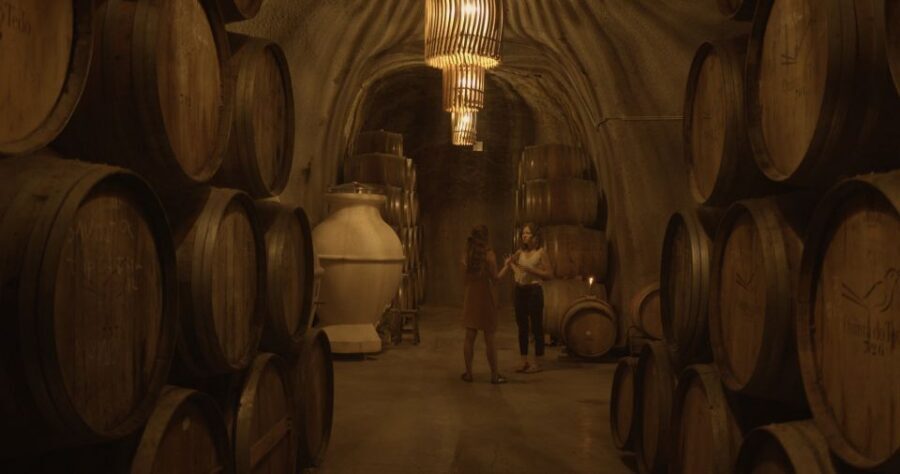
At about $42 per person, the value comes from the structure. This isn’t just a tasting flight. You get a full guided tour of the estate plus a tasting, and the tour covers vineyard areas and olive orchards before moving into Porto and red production details—foot treading, lagers, cellar aging, bottling, and hand-labeling.
So where does that value show up for you?
- Time efficiency: You’re getting both education and tastings within roughly an hour total experience time. That’s helpful in the Douro, where travel time and winery crowds can stretch a day fast.
- Estate focus: Staying at one location reduces “drive-and-wait” fatigue. You build a single storyline from vineyards to bottle.
- Authentic production emphasis: The tour specifically highlights traditional steps like foot treading and aging in older cellars, which can feel more meaningful than just walking through a modern tasting room.
The only cost consideration is the one you already hinted at in your expectations: if you want a long, leisurely tasting with lots of back-and-forth, this format is short. But if you want a clear, efficient snapshot of an estate that actually grows its grapes and makes its wines, the price looks fair.

Who should book this tour at Quinta do Tedo?
This tour fits best if you:
- want a one-estate experience in Douro Valley with minimal hopping around
- like production explanations, not only tasting notes
- enjoy traditional details (lagers, cellars, hand-labeling) and the way those connect to what you drink
- are traveling in the Viseu District area and want a structured wine visit around the Douro–Tedo views
It may not fit as well if you:
- want a longer tasting experience, extra pours, or extended time in the tasting room
- prefer wine trips with more stops, more food, or lots of downtime
- expect a flexible drop-in schedule. Your time is set after you book, so it’s best when you can commit to a confirmed start time
Also, it’s wheelchair accessible, which is a real plus if you’re planning with mobility needs. The core experience is a guided tour plus tasting, so having accessibility noted is helpful.
Should you book Quinta do Tedo’s Porto and red wine tour?
Yes, you should book if you want a tight, well-focused winery experience with genuine production education and tastings in a historic-feeling space. The best reason to choose it is the pairing: vineyard context + Porto craft details + tasting with river views. For most visitors, that combo lands better than a tasting-only stop, especially when time in the Douro Valley is limited.
I’d pass or look for something longer if your goal is to spend hours tasting, comparing dozens of wines, or if you know you’ll want more time after the 30-minute tasting window. But for a solid “Douro Valley essentials” visit—done efficiently and with a clear storyline—Quinta do Tedo is an easy yes.
FAQ
Where is the meeting point for the tour?
Meet at Quinta do Tedo, about 5 minutes east of Folgosa at the intersection of EN222 and M512.
How long is the Quinta do Tedo tour and tasting?
The experience runs about 1 hour total, with a guided tour of around 35 minutes and a wine tasting of about 30 minutes, plus a short shopping stop.
What languages are the tour guides available in?
The live tour guide is available in English, Portuguese, and French.
What wines do you taste at the end?
You’ll taste Quinta do Tedo Portos and red wines in the tasting room.
Are the grapes organic and estate-grown?
The tour information states the grapes are 100% estate-grown and organic, coming from 37 acres of class A vineyards.
Does the tour include a vineyard and winery production walkthrough?
Yes. You’ll get a full tour of Quinta do Tedo, including explanations of the vineyards and olive orchards, and production topics like lagers, aging in 18th-century cellars, bottling, and hand-labeling.
How do I schedule the visit time?
After booking, the activity provider contacts you by email to schedule your time of visit, and the activity only takes place after the time is scheduled.
Is the experience wheelchair accessible?
Yes, the activity is listed as wheelchair accessible.