REVIEW · LISBON
MAC/CCB: Entry Ticket to Lisbon’s contemporary art museum
Book on GetYourGuide →Operated by MAC/CCB – Museu de Arte Contemporânea e Centro de Arquitetura · Bookable on GetYourGuide
Lisbon’s best art bargain starts with one ticket. With one ticket covering four exhibitions at MAC/CCB, you can bounce between permanent and temporary shows without having to plan a separate day. I also love the chronological layout, which makes the museum feel less like random rooms and more like a guided walk through modern art movements.
If you like contemporary art that still has serious art-history legs, this is a smart stop in Belém. You’ll be able to see Portugal’s major contemporary holdings in one place, including the Portuguese State Contemporary Art Collection (CACE) and the Berardo Collection. One possible drawback: the museum’s rules are strict, and items like backpacks and umbrellas are not allowed, so you’ll want to travel light.
MAC/CCB runs Tuesday to Sunday from 10:00 to 18:30, and your ticket is valid for two days, which is great if you want time to see both galleries and the Architecture Centre without rushing.
In This Review
- Key things to know before you go
- Where MAC/CCB sits in your Lisbon day (Belém, contemporary art, real momentum)
- Collections you’ll actually want to spend time with (CACE, Teixeira de Freitas, Berardo)
- How the museum teaches time (chronology that keeps you oriented)
- A suggested 2-day rhythm (so you don’t rush the art or the architecture)
- Day 1: Start with the permanent backbone
- Day 2: Return for the temporary exhibitions and the Architecture Centre
- Architecture Centre: why it’s more than a side room
- Practical rules that shape your visit (and what to pack)
- Price and value: what you’re really paying for
- Who should book MAC/CCB entry tickets (and who might pass)
- Should you book MAC/CCB entry tickets?
Key things to know before you go
- One ticket, four exhibitions: your entry grants access to four exhibition areas during your visit window.
- Portugal’s Contemporary Art Collection plus the Berardo Collection: big names and major movements are presented in context.
- Chronological order helps you follow the story: you can track changes in styles and ideas over time.
- Temporary exhibitions change what you’ll see: plan to return within your two-day validity.
- Architecture Centre connects art with space: it supports a dialogue between visual arts and architecture.
- Clear on-site rules shape your comfort level: no backpacks, umbrellas, food, or tripods inside.
Where MAC/CCB sits in your Lisbon day (Belém, contemporary art, real momentum)
MAC/CCB – Museu de Arte Contemporânea e Centro de Arquitetura is part of the Centro Cultural de Belém area, so you’re not just walking into a museum—you’re stepping into a cultural cluster. That matters because your museum time won’t feel isolated. If you’re already in Belém for the big sights, this is a logical add-on that keeps the day moving.
The museum is built around contemporary art and architecture, and that blend is the whole point. Even if you mainly care about art, the architecture side gives you a different lens: how space frames ideas, how artists respond to form, and how design and visual culture share a timeline.
You’ll have access to both permanent and temporary exhibitions, plus the Architecture Centre component. That makes MAC/CCB a good “split-day” museum: start with one main thread, then use the second day to chase what’s changed since your first visit.
A few more Lisbon tours and experiences worth a look



Collections you’ll actually want to spend time with (CACE, Teixeira de Freitas, Berardo)
What makes MAC/CCB feel like value isn’t just the price—it’s how much the museum packs into one ticket. The museum houses multiple major collections under one roof:
- the Portuguese State Contemporary Art Collection (CACE)
- the Teixeira de Freitas Collection
- the Berardo Collection
That combination is why the museum works even if you’re not a hardcore collector. You can view contemporary works while still seeing how Portuguese art sits inside broader international movements. It also helps you understand that contemporary art isn’t separate from the 20th century—it’s a continuation.
You’ll also find a mix of artists and media, so you’re not stuck with only paintings or only one style of display. The museum’s goal is to show key paths of artistic practice—how different artists and movements contributed to the history of art, not just what looks good on a wall.
A few major names are presented in context with movements they helped define, including Pablo Picasso, Salvador Dalí, Marcel Duchamp, Piet Mondrian, Joan Miró, Max Ernst, Vieira da Silva, Andy Warhol, Donald Judd, Bruce Nauman, Lourdes Castro, Helena Almeida, and Cindy Sherman. Seeing those names inside a museum that’s focused on chronology and context makes a difference. It’s easier to spot what changed, when, and why.
One practical note: because you’re covering multiple collections and exhibition types, you’ll likely want to split your visit. Trying to see everything in one sitting can feel like an art-history exam.
How the museum teaches time (chronology that keeps you oriented)
A lot of modern art museums lose people—not because the art is too hard, but because the navigation is too vague. MAC/CCB avoids that with arrangements in chronological order. That means when you enter a new section, you’re usually moving forward through artistic practice rather than hopping between unrelated themes.
For you, that translates to less mental effort. You can spend more time looking at the works and asking the simple questions that make modern art click:
- What style is showing up here?
- What changed since the last room?
- Is the artist reacting to earlier ideas, or breaking away from them?
The museum ties major figures to movements they helped shape. That connection is useful even if you only recognize a few of the names. The chronological flow turns recognition into understanding.
And because the ticket includes temporary exhibitions, the chronology stays grounded. You get both the long arc (permanent holdings) and the current conversation (temporary shows). That mix is especially good in Lisbon, where you may already be stacking art stops.
A suggested 2-day rhythm (so you don’t rush the art or the architecture)
Your ticket is valid for two days, so you can plan your pace instead of trying to sprint through galleries. Even if you’re short on time, the two-day window helps you avoid the most common museum mistake: treating a museum like a checklist.
Here’s a practical way to structure it:
Day 1: Start with the permanent backbone
Begin with the permanent exhibition area—especially the Berardo Collection—since it gives you the strongest “time map.” Spend time here first because it sets your expectations. When you later hit temporary exhibitions, you’ll have a reference point for the styles and ideas you’re seeing.
Keep your eyes open for how different media and styles relate. Modern and contemporary art can feel like many separate worlds. The museum’s chronological order helps you connect them.
You can also read our reviews of more museum experiences in Lisbon





Day 2: Return for the temporary exhibitions and the Architecture Centre
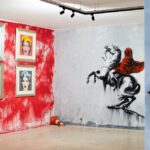
Come back the second day for what’s changing. Temporary exhibitions are often where you’ll feel the museum’s current voice—new curatorial focus, fresh themes, and different artistic angles.
On your second day (or later in Day 1 if you can), add the Architecture Centre. The architecture part of MAC/CCB reinforces the museum’s mission to connect visual arts, architecture, and the performing arts, including through temporary exhibitions by contemporary artists.
Also, the Architecture Centre reopened in April 2025 with a project by the Swiss-Portuguese studio BUREAU. It reimagines the south garage of CCB as a flexible space—aimed at exhibitions, workspaces, public events, and communal gatherings. That means the Architecture Centre experience isn’t only about “looking at buildings.” It’s about how space can support culture.
Architecture Centre: why it’s more than a side room
MAC/CCB isn’t only collecting art objects. It’s trying to create a conversation between disciplines. That’s where the Architecture Centre matters.
First, it keeps the museum broader than paint-on-canvas modernism. If you think of architecture as “fixed” and contemporary art as “free,” this museum challenges that split by linking visual practice to built form and space.
Second, the recent reopening makes it feel current. When a museum space is reworked into a flexible setup—exhibitions plus gatherings plus workspaces—the building itself becomes part of the experience. You’ll see how the museum wants people to move, meet, and re-enter cultural space rather than just pass through.
The Architecture Centre is tied to the Centro Cultural de Belém, so it also fits into the bigger cultural schedule around that complex. If you’re already spending time in Belém, this helps you round out the day beyond classic sightseeing.
Practical rules that shape your visit (and what to pack)
This is the part you’ll thank yourself for reading. MAC/CCB has a clear list of items not allowed, and these rules affect how easy your day will feel.
Not allowed includes:
- backpacks
- umbrellas and walking sticks
- selfie sticks
- tripods
- food
- pets (assistance dogs are allowed)
- weapons/sharp objects
- smoking indoors
- alcohol and drugs
- explosive substances
So plan for a lighter carry. If you’re coming in from Lisbon walking streets, skip the umbrella unless you want to deal with the museum restrictions. If you normally travel with a backpack for day trips, consider switching to a small crossbody or something minimal—though the safest approach is to pack only what you truly need.
Also, no food inside means you’ll want to handle snacks outside before entry. The museum hours are long enough (10:00–18:30) that you can time a meal nearby if you’re doing a full day.
The upside of strict rules: it tends to keep the museum experience calm and focused. The downside: your usual museum routine might need adjusting.
Price and value: what you’re really paying for
At $17 per person, the ticket price is reasonable when you compare it to what the museum gives you. You’re not just paying for one room of art. You’re paying for:
- entrance to the museum
- access to all exhibitions included with your ticket
- free Wi‑Fi
- a two-day window to return and see more than one exhibition set
The big value play is the mix of permanent holdings and temporary exhibitions. Permanent collections are great for building context, while temporary shows reward a second visit. The two-day validity isn’t just a marketing detail—it’s your built-in cushion against rushing.
If you’re an art fan, you’ll appreciate the museum’s “names in context” approach. Seeing major international figures (Picasso, Dalí, Duchamp, Warhol, and others) alongside Portuguese contemporary art collections makes it easier to understand the broader art conversation without leaving Lisbon.
If you’re more casual, the chronological format helps you stay oriented and avoid getting lost in modern art’s visual variety. Either way, the ticket is more than fair for a museum day that can stretch into two.
Who should book MAC/CCB entry tickets (and who might pass)
This museum fits best if you want:
- contemporary and modern art with clear context
- a museum plan you can spread across two days
- a chance to see Portugal’s contemporary art holdings alongside major international names
- architecture as part of your cultural day, not as an afterthought
You might hesitate if:
- you hate museums with strict rules about what you can bring (no backpacks, no umbrellas, no food)
- you strongly prefer guided storytelling, since this is an entry ticket experience where your exploration plan is mostly up to you
- you’re short on time and can only do one museum stop—because the two-day design is where the best value shows up
Should you book MAC/CCB entry tickets?
Yes—if you’re in Lisbon and you want a high-value modern art museum with context that helps you understand what you’re seeing. The ticket’s strength is the combination of major collections, chronological presentation, and temporary exhibitions, plus the option to return within two days.
Book it especially if you’re already spending time in Belém and want something genuinely contemporary rather than only classic monuments. Just pack light, plan your meals outside, and give yourself time to follow the art through the timeline instead of trying to sprint room to room.