REVIEW · LISBON
Lisbon: Tagus Estuary Nature Reserve Birdwatching Boat Tour
Book on GetYourGuide →Operated by River Friends · Bookable on GetYourGuide
Lisbon’s birds are hiding in plain sight. This 3-hour Tagus Estuary boat tour takes you from the modern riverfront into a real nature reserve, where the Tagus Estuary Nature Reserve shelters 200 bird species and huge winter numbers. Yes, it’s Lisbon, but once you slide out of the marina, the vibe changes fast—from city noise to quiet wings and feeding flocks.
I love that Carlos Cera runs this like a working bird hunt with respect for wildlife. You get binoculars (and life vests), then he helps you spot and identify what’s out on the mudflats and in the channels. I also like how the trip mixes serious nature time with easy sightseeing—so you’re not stuck staring at water the whole time.
One thing to keep in mind: sightings depend on weather and sea conditions, and foggy mornings can mean last-minute changes. The tour is designed for birds, but wildlife timing is never fully predictable.
In This Review
- Key things to know before you go
- Why this Tagus Estuary boat tour feels different from a city outing
- Meeting at Onda Luso-Americana and getting set up without fuss
- Marina Parque das Nações: where modern Lisbon meets wild water
- Parque das Nações photo stop: learning the viewing rhythm
- Bairro dos Pescadores 21: a quick scene change with more water focus
- Tagus Estuary Nature Reserve: the main event for birds and mudflats
- A smart birdwatching detail: tide timing
- Photo and viewing tips that keep you respectful
- Mouchao da Povoa and the Vasco da Gama Bridge passes: finishing with scale
- The guide experience: what makes Carlos Cera’s style work
- Price and value: what you’re really paying for at $58
- When you should book (and when you might choose a different day)
- Booking decision: should you go on this Tagus Estuary boat tour?
- FAQ
- How long is the Lisbon Tagus Estuary birdwatching boat tour?
- What’s included in the ticket price?
- Where is the meeting point?
- What bird numbers and diversity can I expect in the Tagus Estuary?
- How big is the group?
- What should I bring for the boat tour?
Key things to know before you go
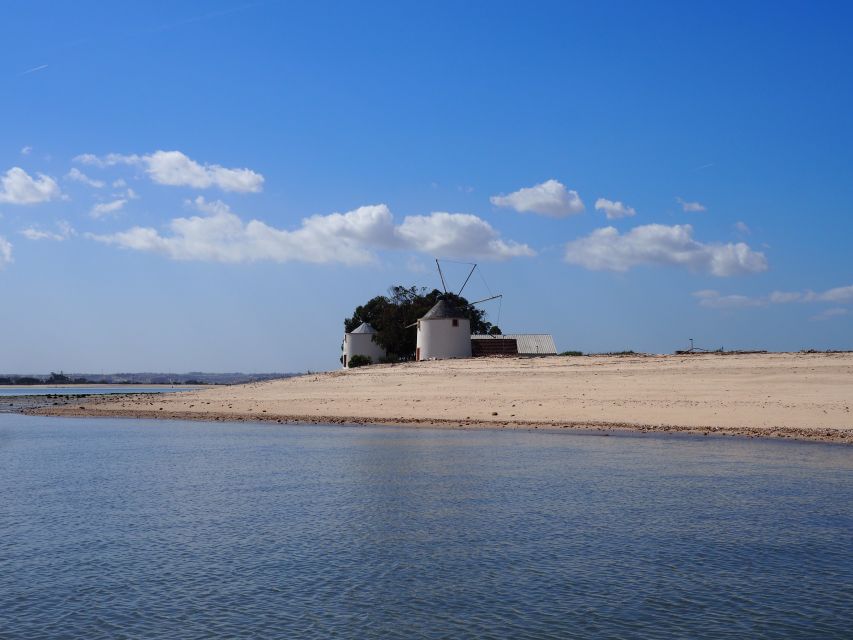
- Carlos Cera leads the search and focuses on birds’ behavior and habitats, not just names.
- Small group (up to 10 people) keeps the boat calm and your photo windows less crowded.
- You’re on the water near Lisbon in a place that’s bigger than most people expect (32 km² estuary).
- Big bird numbers are real: counts include 12,000 flamingos in 2024 and about 120,000 wintering birds.
- Tide timing can matter for seeing mudflats exposed and birds feeding.
- Expect lots of photo chances, with comfortable pacing and respectful distance from wildlife.
Why this Tagus Estuary boat tour feels different from a city outing
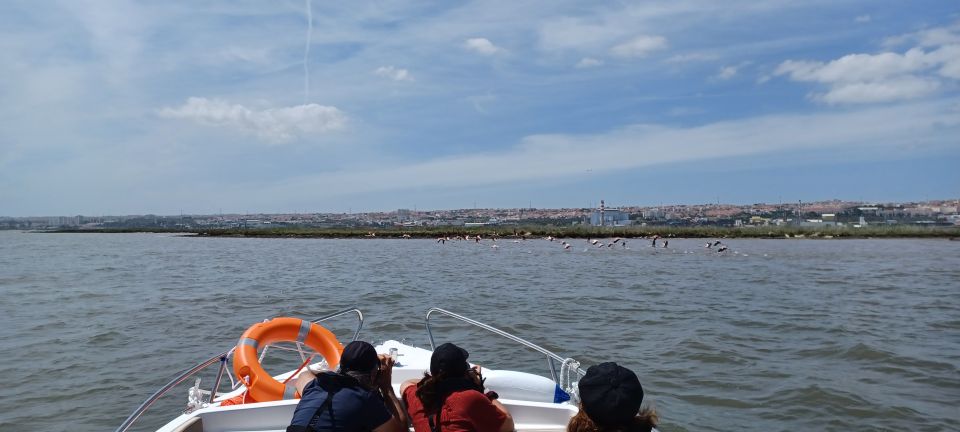
Lisbon is famous for hills, tiles, trams, and viewpoints. This tour gives you a very different kind of “wow”: you watch wildlife use the edges of a major city. The Tagus Estuary is the largest estuary in western Europe, and the nature reserve covers 14,000 hectares—so you’re not doing a token wildlife stop.
What makes it click is the combination of access and guidance. You can’t see what matters (mudflats, channels, feeding areas) from a bridge. From a small boat, you get a closer, lower angle. And with Carlos Cera’s bird focus, the trip becomes a guided nature experience instead of random bird spotting.
The setting also helps. In calmer conditions, the ride feels relaxed, and you get time to keep your eyes up, steady, and ready for the next target.
You can also read our reviews of more boat tours in Lisbon



Meeting at Onda Luso-Americana and getting set up without fuss
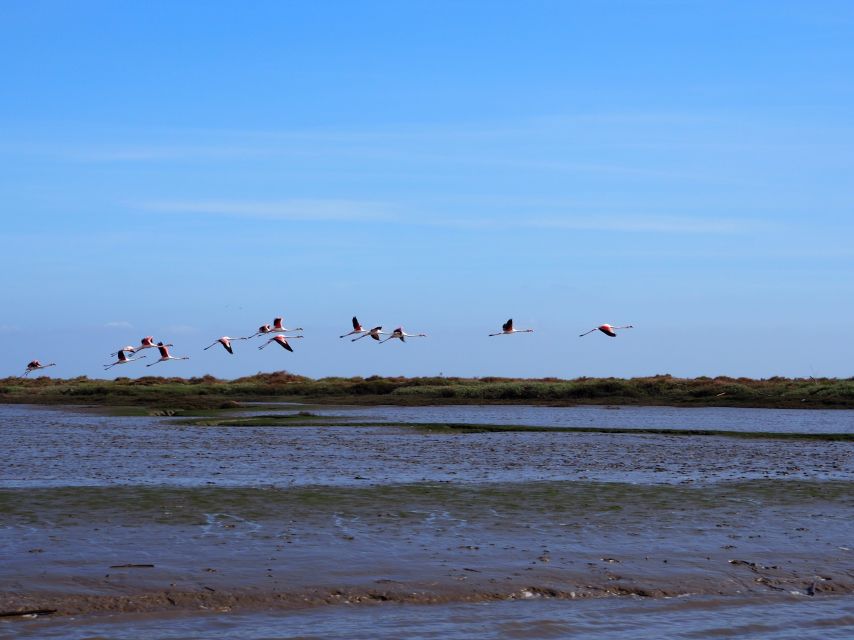
You’ll start at Onda Luso-Americana, next to the art piece at the meeting point. It’s a straightforward location, and it’s also close enough to Lisbon’s river area that you don’t feel like you’re escaping forever.
Before you really get into the reserve, you’ll head to the Marina Parque das Nações area for a safety briefing. Life vests are used, and the whole tone is practical: be safe first, then enjoy the show. If you’re bringing a camera, this is when you can get your settings and posture figured out, because once you’re moving, you’ll want to be ready.
What to bring matters here: comfortable shoes help because you may walk a bit around the marina area, and a jacket helps because the water can feel cooler than the streets. Sunglasses and sunscreen are smart, especially since the boat time is outdoors.
Marina Parque das Nações: where modern Lisbon meets wild water
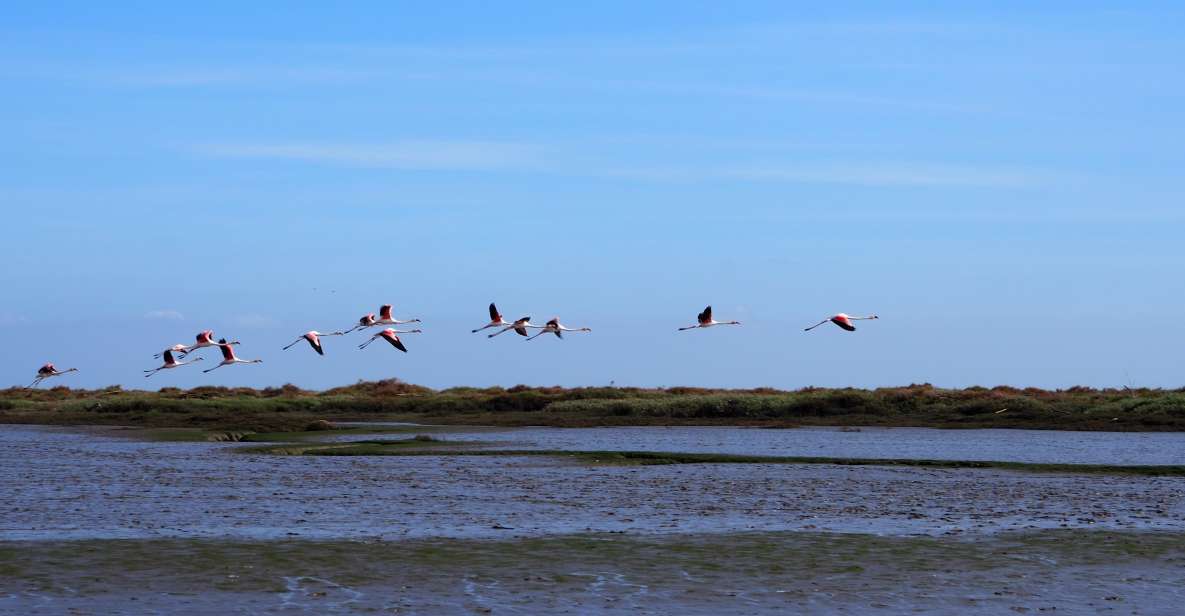
The Marina Parque das Nações zone is your transition point. You’ll get a photo stop and a guided cruise/sightseeing segment around Parque das Nações, about 30 minutes. This part is less about birds and more about context: you’re learning how the estuary connects to the city.
From this angle, you start seeing Lisbon the way locals do when they look at the river—clean lines, bridge silhouettes, and the broad expanse of water. It also helps set expectations for the rest of the trip. Once you’ve seen the scale from the city edge, the reserve stops later feel even more dramatic.
One practical tip: use this early segment to decide where you’ll stand or sit for photos. Even on a small boat, people spread out differently depending on wind and sun. Get settled early and you’ll spend less time adjusting later.
Parque das Nações photo stop: learning the viewing rhythm
This stop is one of those “quietly important” moments. A bird tour can work great or feel chaotic depending on rhythm. Here, you get a chance to look, listen, and understand how the guide calls out birds when they appear—without you feeling like you’re already behind.
Carlos Cera has a knack for matching bird sightings to what the birds need: feeding habitat, water depth, or flight patterns. Even when the exact species isn’t obvious at first, you start noticing the cues he’s watching for—movements in shallow water, small shapes against a sky line, and the way waders cluster when food shows up.
If you like photography, this is your warm-up. You’re learning where the best angles come from before you hit the main nature zone.
Bairro dos Pescadores 21: a quick scene change with more water focus
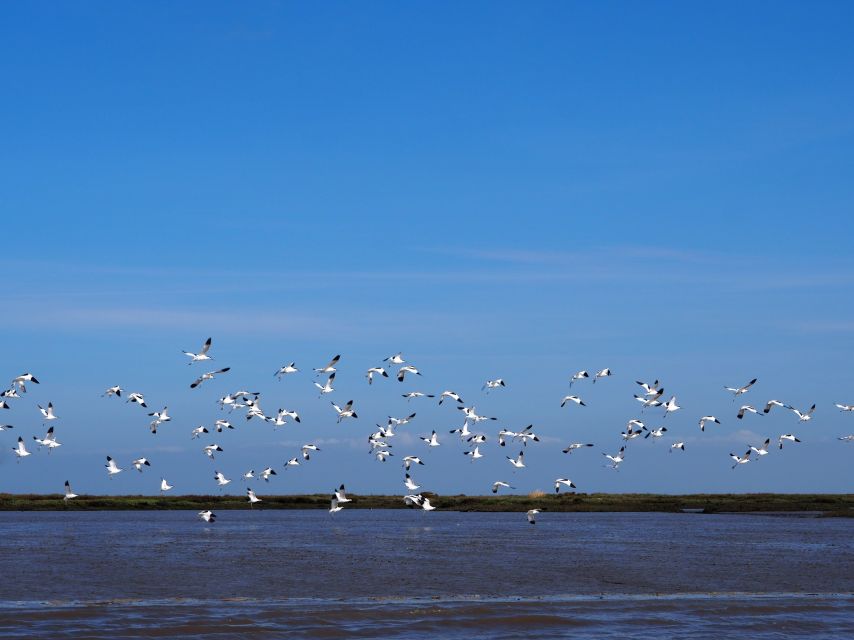
Next you’ll pass Bairro dos Pescadores 21 for another photo stop and short guided cruise/sightseeing segment. It’s a smaller waypoint, but it keeps you moving through the river’s different “moods.”
This is the kind of stop that works well if you don’t want every minute to feel like waiting. You’re not just sitting in place for the birds—you’re changing vantage points, which can help with both spotting and photography.
Also, it keeps the tour from turning into a single long stretch of action-free scanning. Even if you’re new to birdwatching, variety helps your attention stay sharp.





Tagus Estuary Nature Reserve: the main event for birds and mudflats
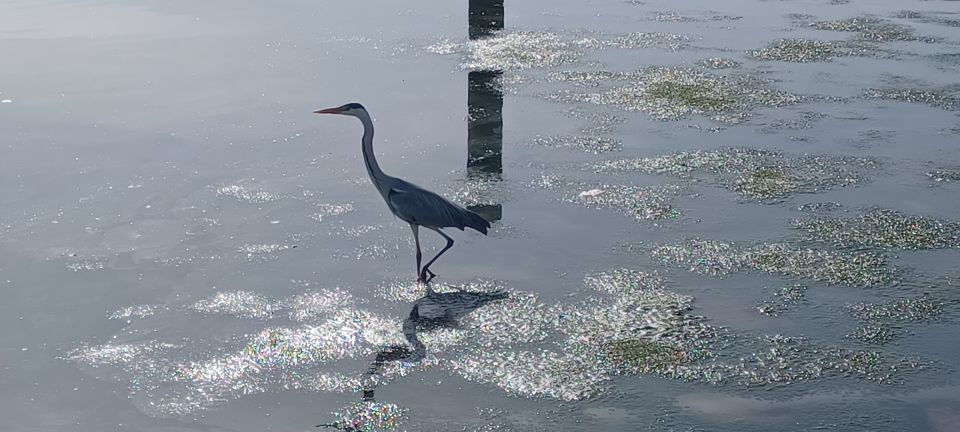
This is where you’ll spend the big block—about 2.5 hours. The Tagus Estuary Nature Reserve is the heart of the tour, with photo stops, marine life viewing, wildlife viewing, and guided sightseeing along the way.
Here’s what makes this section so special for bird lovers: the reserve combines open feeding areas with protected zones. In plain terms, birds use it for cover, feeding, and migration/rest. In season, that means flocks, repeated sightings, and a steady stream of “there it is” moments.
From past trips on this route, people often report species like flamingos, spoonbills, ibises, herons, avocets, egrets, little terns, marsh harriers, and osprey. In some conditions, black ibises show up in migration flights. Another common theme: once the group is watching a specific habitat area, Carlos helps you identify the birds you’re actually seeing, not the ones you wish were there.
A smart birdwatching detail: tide timing
One of the most useful things Carlos can do is work with the timing of the water. Some trips are timed so that mudflats are exposed when birds need them. That can translate into more active feeding areas right when you arrive, which boosts your chances for clearer views.
If you love birdwatching, don’t treat tide as trivia. It can change what you can see and how birds behave.
Photo and viewing tips that keep you respectful
A big deal with wildlife tours is staying out of their space. This tour is structured for respectful viewing and getting shots without stressing birds. Keep your voice low, avoid sudden movements, and let Carlos set the pace—especially when birds are feeding close to the boat’s path.
If you bring binoculars, this is your moment. If you don’t, binoculars are provided, and that’s a real quality-of-life improvement for families and first-timers.
Mouchao da Povoa and the Vasco da Gama Bridge passes: finishing with scale
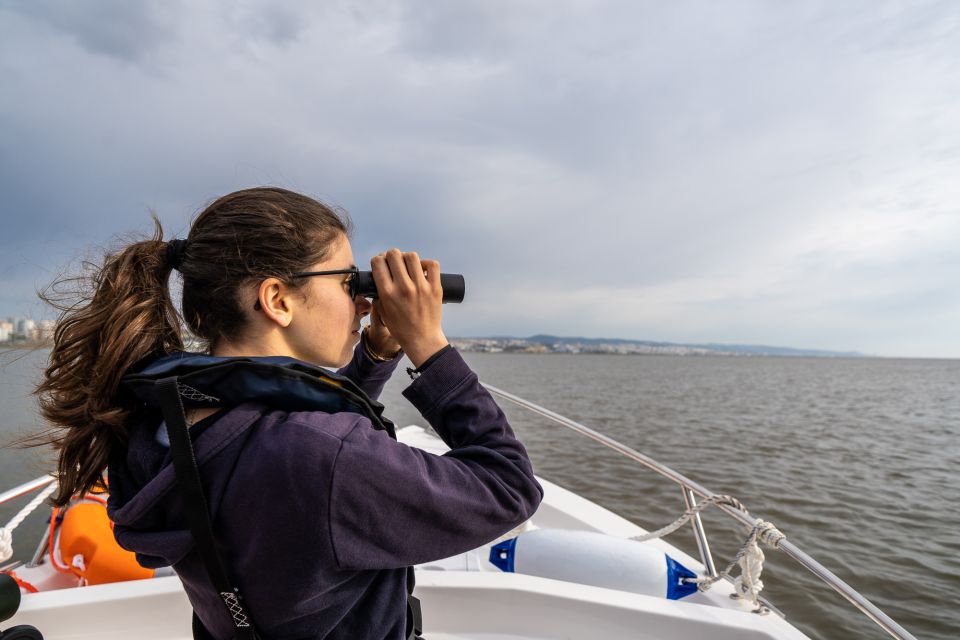
After the reserve time, you’ll pass Mouchao da Povoa. It’s another viewing window with more wildlife and marine viewing along the way, plus photo opportunities. This is the part of the day where you start to see the estuary as a system, not a single pond.
Then you’ll pass the Vasco da Gama Bridge. It’s one of those Lisbon landmarks that anchors your brain: you’re still in the same city, same coastline, but you’ve been watching a completely different world out on the water.
This end stretch matters because it helps you connect the wildlife back to the human place. You get the final “size of the moment” feeling—big birds and huge habitats—set against a modern engineering icon.
The guide experience: what makes Carlos Cera’s style work
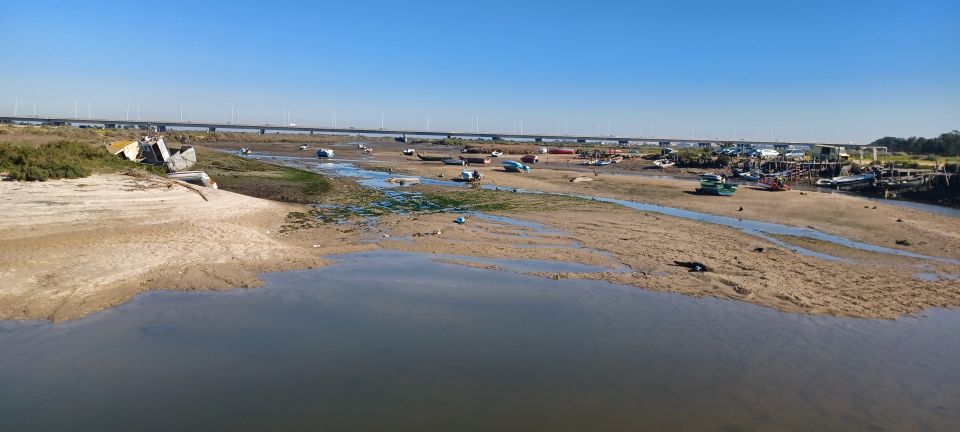
Carlos Cera is the reason this tour gets such consistent high marks. People describe him as patient about bird ID, quick to answer questions, and careful about navigation and wildlife distance.
A few practical things you’ll likely notice:
- He uses what birds are doing to explain why they’re there (feeding, resting, migrating).
- He helps you identify birds in real time, which is huge if you’re not an expert.
- He keeps the pace relaxed rather than rushing from sight to sight.
In a 3-hour format, that matters. A lot of boat tours feel like you’re always waiting to “reach the good part.” Here, the structure supports steady spotting from start to finish.
Price and value: what you’re really paying for at $58
At $58 per person, this isn’t a bargain ride. But you also shouldn’t treat it like a city sightseeing cruise either.
You’re paying for:
- A small group size (up to 10), which improves viewing.
- Insurance and life vests—safety is included, not an add-on.
- Binoculars, so you can actually use the birdwatching part.
- Fees and fuel, wrapped into the ticket.
- A real bird-focused guide experience with Carlos Cera.
Is it worth it? If you care about birds, you’ll feel the value quickly. If you’re only mildly interested, you might still enjoy the scenery and city-water views, but the bird time is the point of the tour.
When you should book (and when you might choose a different day)
This tour is best for you if:
- You want a low-stress, outdoorsy break from Lisbon’s walking-heavy days.
- You like wildlife that’s close to a big city.
- You’re okay with nature unpredictability and you want the guide to do the spotting work.
It may be less ideal if:
- You can’t handle weather-related changes. The tour depends on sea and weather conditions.
- You need highly predictable sightings (birdwatching simply doesn’t work that way).
Also, if you’re serious about photos, plan to wear weather-friendly layers. A jacket and sunscreen can save your mood when sun and wind trade places.
Booking decision: should you go on this Tagus Estuary boat tour?
I’d book it if birdwatching is even a little on your list. The combination of Tagus Estuary Nature Reserve scale, a small group setup, and a guide who focuses on real identification and respectful viewing makes it feel like time well spent.
If you’re unsure, decide based on your tolerance for nature variables. If fog or rough conditions affect the day, the operator aims to reschedule, and if rescheduling isn’t possible, you get refunded. For most people, that reduces the risk enough to justify the booking—especially when you’re looking for a calm, outdoors experience just outside Lisbon’s core.
FAQ
How long is the Lisbon Tagus Estuary birdwatching boat tour?
The tour runs for 3 hours.
What’s included in the ticket price?
The ticket includes fees and fuel, insurance, life vests, binoculars, and the guided tour in multiple languages.
Where is the meeting point?
The meeting point is next to the art at Onda Luso-Americana.
What bird numbers and diversity can I expect in the Tagus Estuary?
The Tagus Estuary Nature Reserve is associated with 200 bird species, and regular winter counts reach about 120,000 birds. A 2024 count recorded 12,000 flamingos in the estuary.
How big is the group?
The group is small, limited to 10 participants.
What should I bring for the boat tour?
Bring a passport or ID card, comfortable shoes, sunglasses, a camera, biodegradable sunscreen, a jacket or weather-appropriate layers, and comfortable clothes. Binoculars are recommended, though binoculars are also provided.