REVIEW · LISBON
Lisbon: Sintra Village Ghost Stories
Book on GetYourGuide →Operated by Trips 2 Cool · Bookable on GetYourGuide
Sintra turns spooky fast after dark. This 2-hour night walking tour blends ghost stories with real stops around town, so the legends land with place, not just vibes.
I love how the guide connects the supernatural with what you’re actually seeing—palace-area architecture, churches, and the Regaleira complex—so you leave with both chills and context. I also like the small group size (up to 8), which makes the storytelling feel personal instead of shouted-over chaos. One thing to consider: it’s English-only, it’s not suitable for kids under 12, and you’re walking at night on uneven streets, so it may be a poor fit if you need something fully stroller/wheelchair friendly.
In This Review
- Key things I’d pay attention to before you go
- Why this Sintra ghost stories walk works so well at night
- Price and value: what $30 gets you (and what it doesn’t)
- Meeting at Jardim Correnteza: the viewpoint start that sets your bearings fast
- Stop 1: Sintra Palace, where grandeur becomes part of the legend
- St. Martin Church: a quick stop that adds tone
- Quinta da Regaleira: where mystery takes center stage
- The hidden finale: your secret stop in a centuries-old building
- The walking pace, hills, and what to bring for a comfortable night
- Food, drinks, and souvenirs: what’s optional and what to plan around
- Who this Sintra ghost tour is best for
- Who might not enjoy it as much
- Should you book Sintra Village Ghost Stories?
- FAQ
- FAQ
- Where do I meet for the Sintra ghost stories tour?
- How long is the tour?
- How much does the tour cost?
- What’s included in the ticket price?
- Are entrance fees to monuments included?
- Is the tour offered in languages other than English?
- Can I record video or audio during the tour?
- Who shouldn’t book this tour?
Key things I’d pay attention to before you go
- Jardim Correnteza sets the tone early, with your story starting right at the viewpoint near the station/library area.
- Small group (max 8) keeps the pace human and the guide’s attention on you.
- Time at Sintra Palace + St. Martin Church means you get more than one mood—history and legends in layers.
- Quinta da Regaleira is the big spooky stop, with a focused block of guided time.
- A final secret stop in a centuries-old building turns the tour into a proper nightcap moment.
- No recordings and English-only: you’ll get the full effect by listening, not filming.
Why this Sintra ghost stories walk works so well at night
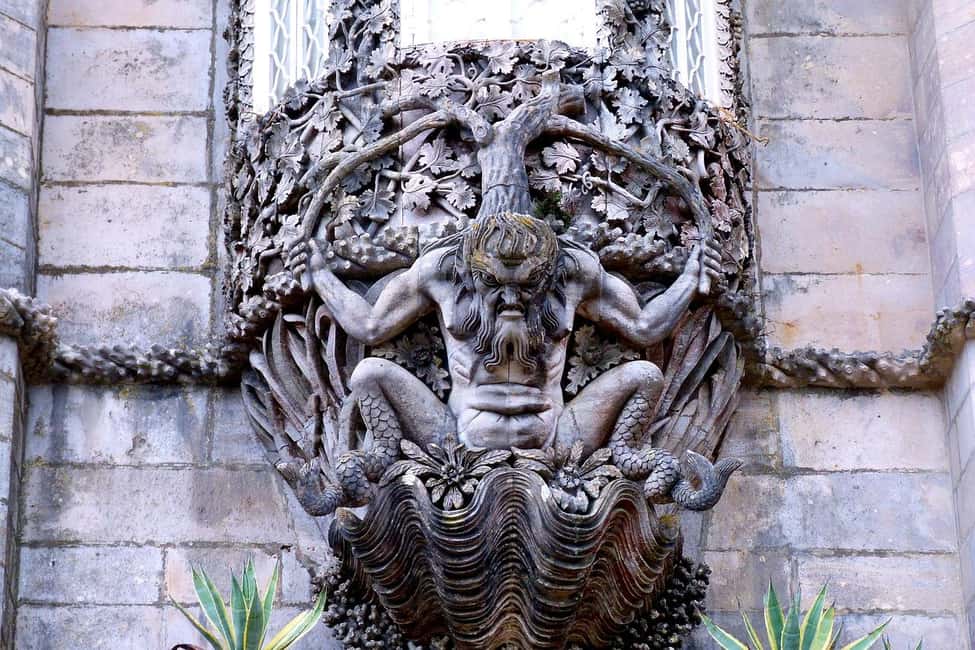
Sintra at night has a way of making even familiar streets feel like they have secrets. The mist, the hills, and the darkening sky don’t just make photos look dramatic. They also help your brain accept the idea that myths might be rooted in real human drama—love, loss, fear, and power.
This tour’s format is built for that. You don’t run from stop to stop in a blur. You move through central Sintra with a guide who ties the eerie tales to the landmarks you’re walking by, so the story feels anchored. And because it’s a small group, you’re more likely to catch the details that make the legends memorable.
I also like that the experience is framed as a nighttime walk, not a costume party. There’s no need to pretend. You just show up, listen, and let the town do the heavy lifting.
You can also read our reviews of more tours and experiences in Lisbon.

Price and value: what $30 gets you (and what it doesn’t)
At $30 per person for about 2 hours, this is priced like an experience, not like a museum day. What you’re paying for is a live English guide, a night walking format, and ghost-story storytelling tied to several key areas around town.
Entrances to monuments are not included. That matters because Sintra can get expensive if you stack paid sites on top of a tour. The good news is that the walking route is designed to deliver atmosphere and guided context even without buying every ticket you pass.
In plain terms: this is strong value if you want stories plus sightseeing guidance, and you’re okay skipping (or saving) monument entry fees for another day.
Meeting at Jardim Correnteza: the viewpoint start that sets your bearings fast
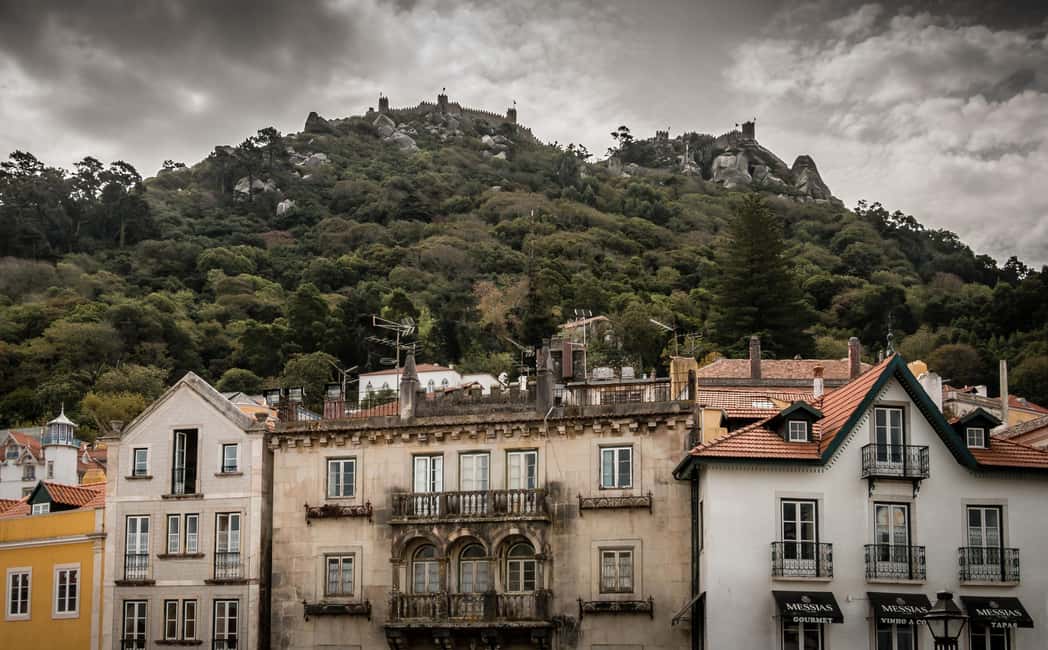
You’ll meet at Jardim Correnteza, at a viewpoint right in front of the library near the Sintra train station area. This is smart. You’re in the right part of town to begin, and you get a natural “stage” for the first part of the story.
The start includes a short safety briefing (about 20 minutes). Even if you’re traveling light, this briefing is useful for night walks—street footing, pacing, and how the group will move. It also signals that the experience takes place on real streets, not on a fantasy set.
After that, the walking begins with the guide shaping what you’re about to see. You’ll feel like you’re learning Sintra’s geography through the legends, which is exactly what makes a ghost tour more than random spooky talk.
Stop 1: Sintra Palace, where grandeur becomes part of the legend
You spend around 30 minutes with guided focus at Sintra Palace. This is one of the big anchors of the route because palaces carry an automatic sense of drama. Even in daytime, they look like places where people plotted, schemed, celebrated, and suffered.
At night, the palace-area details get sharper. You’re not just noticing “a pretty building.” You’re hearing how the place connects to Sintra’s reputation and the kinds of stories that spread when people feel the town has more going on than meets the eye.
Potential drawback: if you’re hoping for a purely outdoor “walk-and-scare” tour with zero palace references, this stop brings in more heritage context. For most people, that’s the point. But if you want nonstop haunting without history, you might find the pace swings a bit more toward culture.
St. Martin Church: a quick stop that adds tone
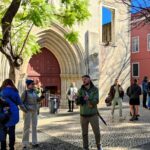
Next comes St. Martin Church for about 10 minutes. Short stops can be easy to dismiss, but churches in Sintra are perfect for ghost storytelling because they feel like they’ve witnessed centuries of human emotion.
This portion is brief by design. It gives you a tonal change without stretching the route longer than the 2-hour window. If the earlier palace-area part feels grand and theatrical, the church time adds a more grounded, reflective mood.
Because the tour is in English only and you won’t get audio support, this is where listening matters most. If you miss a section, you’ll miss the connection the guide makes between the site and the story.



Quinta da Regaleira: where mystery takes center stage
Your next major stop is Quinta da Regaleira, with about 30 minutes of guided time. This is the kind of place that naturally invites legends. Even if you don’t know the background, the setting feels designed to raise questions.
What makes this stop work on a guided tour is the layering. You’re not just being told a ghost story as a standalone. The guide ties the tale to how Sintra became known for myths and supernatural reputation.
A helpful tip for getting the most out of this part: pause and look around, not just at the guide. Night lighting changes the way details show up, and that’s part of the “haunted beauty” effect.
The hidden finale: your secret stop in a centuries-old building
After Quinta da Regaleira, you’ll hit a secret stop for about 30 minutes. The wording around this portion is intentionally dramatic because the finale is meant to feel like an ending scene, not just another photo stop.
This secret location is described as housed in a centuries-old building, and it’s a moment where the tour shifts from roaming to reflecting. The idea is that you can gather, decompress, and process what you just heard.
There’s also a practical element here. If you’re worried you’ll feel too spooked, you’re not just stranded. You can regroup with the guide if needed. And if you can handle it, you’ll likely enjoy the contrast of calm after a tense walk.
The walking pace, hills, and what to bring for a comfortable night
This is a night walking tour, so your comfort depends on basics: shoes, clothing, and pacing. You’re advised to bring comfortable shoes, water, and a jacket (plus weather-appropriate clothing). That’s not overkill in Sintra—temperatures and wind can shift once the sun drops.
In terms of effort, some guides keep the route moving so you’re not constantly climbing. One pattern you’ll want to know: the walk is described as not too many hills, and at least one past group noted it felt almost flat. Still, streets at night can be uneven, so don’t assume it’s stroller-smooth.
Also remember the rules: pets are not allowed, and you can’t wear costumes. Video recording and audio recording are also forbidden, so leave your selfie stick at home and focus on watching how the story connects to what you see.
Food, drinks, and souvenirs: what’s optional and what to plan around
There’s an optional add-on idea included in the experience highlights: you may have the chance to taste a shot of honey wine or local crafted beer. There are also magical souvenirs you can purchase.
Plan smart here: don’t treat food and drink as guaranteed part of the core value. If you want to eat before the tour, do it. And if you’re sensitive to alcohol tasting, you can simply skip that option when it’s offered.
One more rule to keep in mind: alcohol and drugs aren’t allowed. That doesn’t mean you can’t enjoy Sintra’s drinks in general, but it does mean you shouldn’t show up planning to use the tour as your drinking plan.
Who this Sintra ghost tour is best for
This tour fits best if you want storytelling with context. If you like walking tours where you learn what you’re seeing and you enjoy myths tied to real locations, you’ll probably enjoy this format.
It’s also a good match for travelers who like small groups. With only up to 8 people, questions and reactions are easier for the guide to manage.
Based on the experience rules, it’s not suitable for:
- Children under 12
- Pregnant women
- People with mobility impairments or wheelchair users
- Hearing-impaired people
If any of those apply, you’ll be better off choosing a different kind of Sintra tour that matches accessibility needs.
Who might not enjoy it as much
If you want a loud, jump-scare style haunted house, this is not that. This is about folklore, place, and atmosphere more than cheap shocks.
Also, because it’s English only with no audio guides or translations, your enjoyment depends on being comfortable listening in English for the full 2 hours. If you’re not, the storytelling may feel harder to follow even if the sights are stunning.
Finally, this tour bans video recording and audio recording. If your plan is to document everything, you’ll have to accept that this experience prioritizes listening over content creation.
Should you book Sintra Village Ghost Stories?
If your goal is a memorable night in Sintra that mixes ghost stories with real landmark stops, I’d book it. The $30 price makes sense for a guided, small-group storytelling walk, especially since you’re not paying for monument entrances and you’ll still get guided context at major sites like Sintra Palace, St. Martin Church, and Quinta da Regaleira.
I’d skip it if you need accessibility accommodations, you’re traveling with kids under 12, or you rely on audio guides because it’s English-only. And if you hate night walking or you’re very sensitive to scary themes, plan a calmer alternative day instead.
FAQ
FAQ
Where do I meet for the Sintra ghost stories tour?
You meet at Jardim Correnteza, at a viewpoint right in front of the library near the Sintra train station area.
How long is the tour?
The duration is 2 hours.
How much does the tour cost?
The price is $30 per person.
What’s included in the ticket price?
The tour includes a live guide, a night walking tour, and ghost stories.
Are entrance fees to monuments included?
No. Entrance to monuments is not included.
Is the tour offered in languages other than English?
No. It’s English only.
Can I record video or audio during the tour?
No. Video recording, audio recording, and live streaming are strictly forbidden.
Who shouldn’t book this tour?
It’s noted as not suitable for children under 12, pregnant women, wheelchair users, and people with mobility impairments or hearing impairment.