REVIEW · LISBON
Lisbon Old town Tour
Book on Viator →Operated by Lisbon Walker · Bookable on Viator
Lisbon has a way of pulling you downhill fast. This Lisbon Old Town Tour is a smart, short walking route through Alfama, paced for real sightseeing and great story-telling. You start in the former seat of power, then wind through historic churches, a house tied to the 1755 earthquake, and end at one of the neighborhood’s best viewpoints.
I especially love the small-group feel, capped at 15 people or fewer, which keeps the pace comfortable and questions actually get answered. I also like that the guide is a professional art historian, so the stops aren’t just name-and-date trivia. You get architecture and context without turning the walk into a lecture.
One thing to consider: this is a neighborhood full of slopes and steps, and the tour asks for moderate physical fitness. If you hate stairs or the heat, plan your footwear and timing carefully, and don’t assume there will be long flat stretches.
In This Review
- Key highlights worth planning around
- Alfama on foot: why this Lisbon Old Town walk feels different
- From Praça do Comércio to Alfama: start where Lisbon’s power lived
- Manueline architecture and the 1755 earthquake story in the same morning
- Lisbon Cathedral and Igreja de São Miguel: two anchors in Alfama
- Maze-like lanes and the Portas do Sol payoff
- Price and value: what $29.96 buys you in Lisbon
- Guide quality: art historian know-how and a comfortable pace
- Timing, weather, and what to wear for Alfama slopes
- Meeting point to finish line: how to not lose time
- Who this Lisbon Old Town Tour fits best
- Should you book Lisbon Walker’s Lisbon Old Town Tour?
- FAQ
- How long is the Lisbon Old Town Tour?
- Is the tour in English?
- How big is the group?
- Do I need to pay admission fees at the stops?
- Where do I meet the guide, and where does the tour end?
- What’s the cancellation and weather policy?
Key highlights worth planning around
- Small group, max 15: easier pace and more personal interaction
- Art historian guide: architecture and history with clear explanations
- Free admission at each stop: you keep money for food and transport
- Alfama viewpoints: Portas do Sol closes the loop with big views over the old quarter
- Earthquake survivor stop: Casa dos Bicos ties into the 1755 story
- Guides known for keeping things comfortable: expect shade-aware pacing from guides like José in recent tours
Alfama on foot: why this Lisbon Old Town walk feels different
Alfama is Lisbon’s oldest neighborhood in spirit and stone. It’s also a place where streets twist like a puzzle, so getting oriented matters. This tour is built to do that fast, walking you from the grand civic space near Praça do Comércio into the tighter, older lanes of Alfama.
What makes it work is the rhythm: you get a “big picture” anchor first, then progressively smaller, more personal sights—churches, a surviving house, and classic meeting points—until you reach a viewpoint where the whole neighborhood makes sense. It’s a great pick if it’s your first day in Lisbon and you want your bearings without spending half a day on buses.
You can also read our reviews of more tours and experiences in Lisbon.

From Praça do Comércio to Alfama: start where Lisbon’s power lived
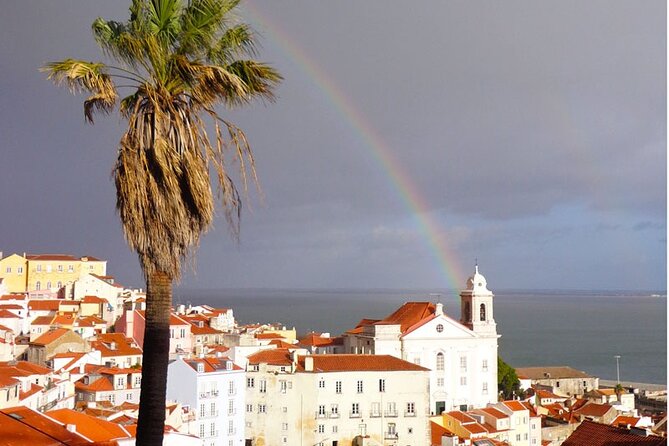
You kick off at Praça do Comércio, also known as Terreiro do Paço, near Cervejaria Antártida Lisboa. This is a strong starting point because the square gives you a sense of scale. You’re moving from Lisbon’s historic center of power toward a district that grew up around older communities and local life.
Even though the stop is short, it sets the tone: you understand what Lisbon looked like at the height of its influence, then you see how Alfama’s story connects to that wider city. Admission here is free, so you’re not losing time or money before the walking begins.
Practical tip: get to the start point a little early so you’re not searching for the group while you’re still waking up and navigating a busy area.
Manueline architecture and the 1755 earthquake story in the same morning
The tour’s middle stops lean into Lisbon’s identity through buildings—shape, style, and survival.
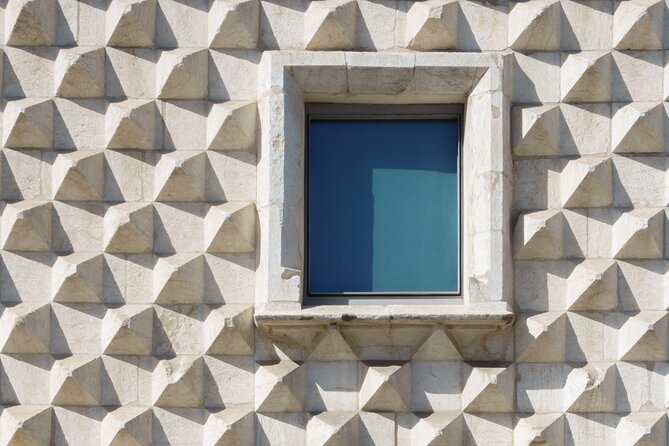
First up is Igreja de Nossa Senhora da Conceicao Velha, where you’ll see Manueline architecture. That style is part of what makes Portugal feel unmistakably itself: ornate lines, dramatic details, and a sense of craftsmanship that doesn’t rely on size to impress. The time here is brief, but it’s enough to spot what makes it distinctive.
Next comes Casa dos Bicos, Museu de Lisboa, a house that survived the 1755 earthquake. This is a powerful contrast to the big stories you hear about the disaster. Instead of just reading about it, you’re standing near physical evidence that the city rebuilt and re-used what could be saved.
If you like history that shows up in real objects—not just plaques—this section is a big reason the tour scores so well.
Lisbon Cathedral and Igreja de São Miguel: two anchors in Alfama
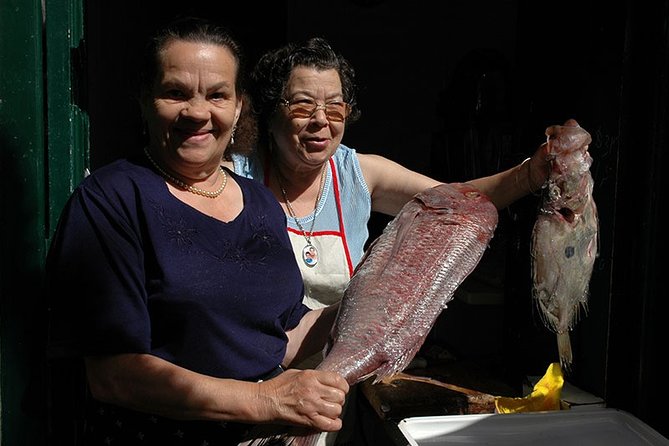
After the earthquake-and-architecture stops, the walk turns older, tighter, and more spiritual.
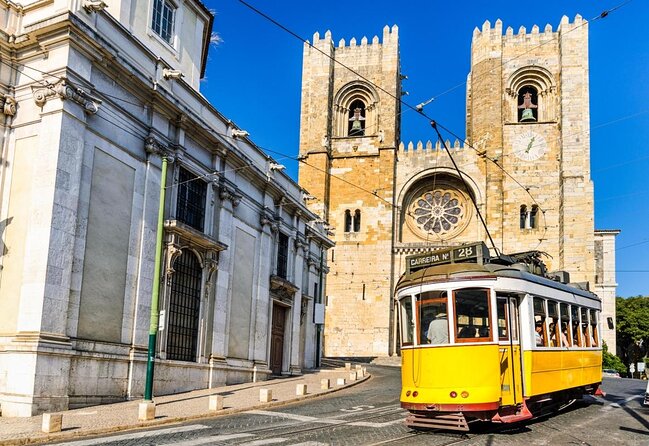
You’ll visit Lisbon Cathedral, described as the oldest church in Lisbon. Even if you don’t go deep on religious architecture, a cathedral like this gives you a baseline for how long communities have been shaping the city. The stop is short and focused, which works well on a tour that’s only about 2 to 3 hours total.
Then you’ll head to Igreja de Sao Miguel, often treated as the heart of Alfama. This is the kind of stop that helps the neighborhood feel human. You’re not just seeing buildings; you’re getting the “why here” explanation of how Alfama functions as a living community with landmarks that people used for orientation and identity.
Both of these are free stops for admission, which keeps the tour value high—your money goes toward the experience, not extra entry tickets.
Maze-like lanes and the Portas do Sol payoff
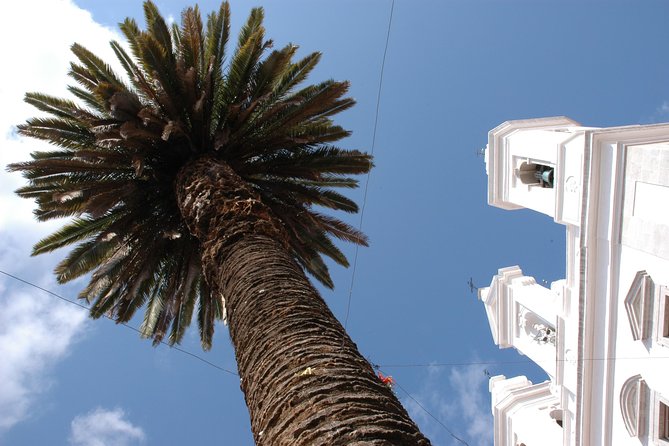
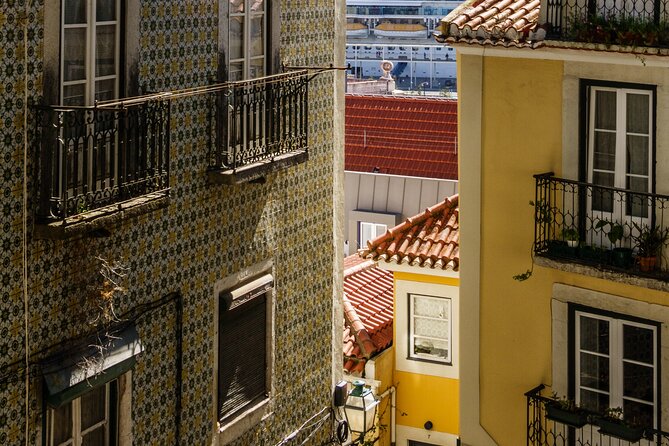
This is the part where Alfama does what Alfama does: narrow lanes, twists, and quick turns that make the neighborhood feel like a maze. You move through the older streets, where the atmosphere changes block by block.
You’ll pause at Largo do Chafariz de Dentro, a meeting point in Alfama. That’s a useful stop because meeting points are where you learn how a neighborhood breathes day to day. It’s also a good moment to catch your rhythm before the final climb toward the view.
Then comes Miradouro Das Portas Do Sol. This is one of those finishes that makes the whole walk click. The viewpoint gives you a clear look over Alfama and lets you connect the streets you just walked to the bigger picture of how the neighborhood sits on the hillside. Admission is free, and the stop is timed well for photos without turning into a long wait.
If you’re planning photos: aim for the viewpoint to be your main “gear-up” moment. It’s the easiest way to turn a short tour into a lasting memory.



Price and value: what $29.96 buys you in Lisbon
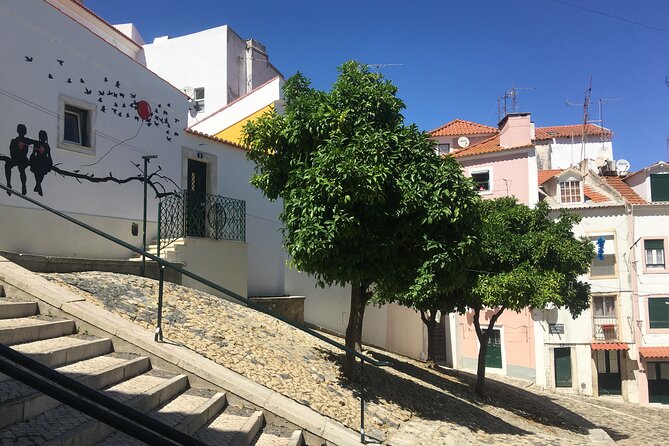
At $29.96 per person, this tour is priced for real value because you’re not paying extra for entry tickets at each scheduled attraction. The itinerary lists admission ticket free for every main stop, so you’re essentially paying for the guide and the route.
You also get a professional art historian guide and a group size limited to 15 or fewer. That matters more than it sounds. In a small group, you don’t lose time waiting for people, and your guide can adjust explanations on the fly if you’re more into architecture or more into everyday history.
Duration helps too: you’re looking at about 2 to 3 hours. That’s long enough to feel like a proper neighborhood introduction, but short enough to still enjoy Lisbon afterward without feeling like you’ve “spent your day.”
Guide quality: art historian know-how and a comfortable pace
The stand-out theme in the experience is how guides make the walk feel easy.
In recent tours, guides such as José, Hugo, and Pedro have been praised for being funny without getting silly, and for giving family-friendly, clear explanations. One guide stood out for keeping people in the shade during hot conditions, which is exactly the kind of practical care that makes a walking tour actually enjoyable.
You can expect the guide to connect the stops, too. Instead of treating each church or building like a separate tourist checkbox, they explain how each place fits into Alfama’s story—architecture, survival, and neighborhood identity. The professional art historian angle helps keep details grounded and meaningful.
For me, that’s the real value: the route plus the “so what” behind it.
Timing, weather, and what to wear for Alfama slopes
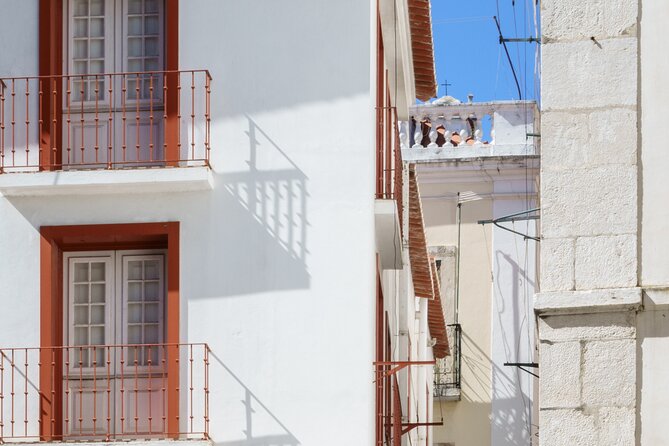
This tour runs at 10:00 am, with confirmation typically received within 48 hours of booking, based on availability. It operates in all weather conditions, so you’ll want to dress for rain or heat. If you’re traveling in the summer, factor in that Lisbon can get hot and the route can include steep parts.
Because the tour requires moderate physical fitness, sturdy shoes are not optional. Think grip for uneven pavement and support for stairs. Even if you keep a steady pace, Alfama’s streets are not designed for flat, stroller-friendly walking.
Also plan for sun. A guide keeping people in shade is a nice bonus, but you shouldn’t gamble on it being available the whole time. A hat and water go a long way for a comfortable morning walk.
Meeting point to finish line: how to not lose time
The meeting point is at Cervejaria Antártida Lisboa, Ala Poente do Palácio Real, Praça do Comércio, on Rua C 20-23 (1100-038 Lisboa). The tour ends at Largo Portas do Sol in Alfama (1100-411 Lisboa).
That end point is convenient because it drops you right near the viewpoint zone, where you’ll likely want to continue exploring. It also means you can plan a later meal nearby without retracing your steps.
The tour is near public transportation, which helps if you want to start the morning with a short transit hop rather than committing to a long walk from your hotel.
Who this Lisbon Old Town Tour fits best
This is a strong match if you want:
- A fast Alfama introduction with structure and context
- A small-group experience rather than a crowded slog
- Architecture plus neighborhood stories in about 2 to 3 hours
It also fits families as long as children are accompanied by an adult and you’re comfortable with uneven streets and slopes.
If you’re traveling with limited mobility, this may be tough because of the moderate physical fitness requirement and the stair-and-slope feel of Alfama. In that case, you might look for a gentler option or a mostly flat itinerary.
For everyone else, it’s a great first-day tour, or a “connect-the-dots” tour after you’ve already visited a few landmarks on your own.
Should you book Lisbon Walker’s Lisbon Old Town Tour?
Book it if you want a high-value Alfama walk that mixes landmark architecture with real neighborhood orientation. The small group size, the art historian guide, and the fact that scheduled stops have free admission make this a practical way to see more while spending less.
Skip it or think twice if you know stairs and slopes wear you out quickly. This route is short, but Alfama isn’t flat. If that’s a concern, pick your shoes carefully, start rested, and plan an easy afternoon afterward.
If you do book, aim to treat it like Lisbon orientation, not just sightseeing. By the time you reach Portas do Sol, the streets you walked stop feeling random—and that’s when the tour really pays off.
FAQ
How long is the Lisbon Old Town Tour?
It’s listed as 2 to 3 hours approximately.
Is the tour in English?
Yes. The tour is offered in English.
How big is the group?
The tour has a maximum of 15 travelers.
Do I need to pay admission fees at the stops?
The scheduled stops are listed as admission ticket free.
Where do I meet the guide, and where does the tour end?
You start at Cervejaria Antártida Lisboa, near Praça do Comércio, and the tour ends at Largo Portas do Sol in Alfama.
What’s the cancellation and weather policy?
You can cancel for a full refund up to 24 hours in advance. The tour operates in all weather conditions, so dress appropriately.