REVIEW · LISBON
History and Flavors Experience Tour in Lisbon
Book on Viator →Operated by Pancho Tours · Bookable on Viator
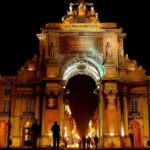
This is the kind of Lisbon night that helps you get your bearings fast. You start at Praça Luís de Camões, then move through central streets with a local guide mixing food tastings and Portugal’s wine culture with short history stops along the way.
I like that it’s built for a small group (max 15), so you get real conversation instead of shouting over a crowd. I also like the structure: local bites plus wine, then an easy way to figure out where to eat after the tour. One thing to consider is fit: the experience can feel more about sampling than about a long, deep history lecture, so if you want a big timeline, you might want to pair it with another history-focused activity.
In This Review
- Key Things To Know Before You Go
- Lisbon Food And Wine Starts At Praça Luís de Camões
- How The Tour Price Really Maps To Value
- Your Guide Matters: What You Can Learn From Past Guides
- The Flow Of The Evening: What Happens After You Meet
- Stop 1: Praça Luís de Camões (Meeting Point)
- The Food Tastings Segment: Several Bites, Not One Big Meal
- Portuguese Wine: Sips With Story
- The History Connection: Short Stops, Talkable Facts
- Pacing And Time: 2 To 3 Hours Can Feel Different
- Small Group Size: The Hidden Advantage
- Food Allergies: A Key Detail You Should Not Ignore
- Where This Tour Fits Best (And Where It Might Not)
- Practical Tips To Make It Work For You
- Should You Book Pancho Tours History And Flavors In Lisbon?
- FAQ
- What is the meeting point for the tour?
- How long is the experience?
- What time does the tour start?
- What languages is the tour offered in?
- What’s included in the price?
- Is hotel pickup or drop-off included?
- How many people are on the tour?
- What should I do if I have food allergies?
- FAQ
- Can I cancel for a full refund?
- Where does the tour end?
Key Things To Know Before You Go
Small group, hands-on guide time so you can ask questions about food and Portuguese wine.
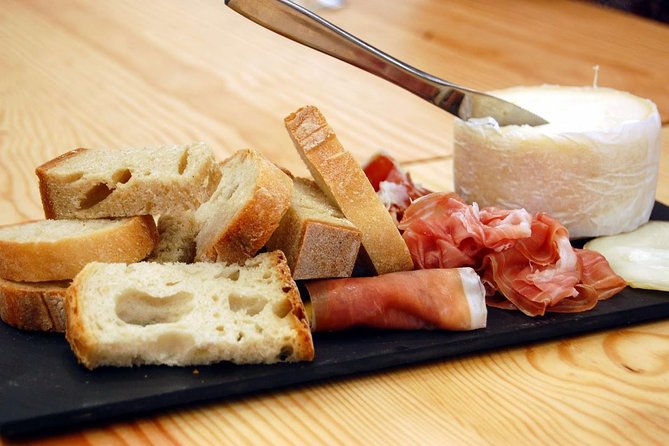
Food tastings plus wine sips are the core of the evening, not just sightseeing photos.
English-only with a mobile ticket makes it simple to join without printed paperwork.
Starts at 7:00 pm near major public transport, and it ends back where you began.
Allergies need your clear signal since the chefs may have to adjust fast if something isn’t relayed well.
Lisbon Food And Wine Starts At Praça Luís de Camões
Lisbon evening energy is perfect for a walking tasting tour. You meet at Praça Luís de Camões, a central spot that’s easy to reach using public transport, and the timing is set at 7:00 pm. That’s smart because many restaurants are already in full swing around then, and you’re tasting food in a rhythm that feels natural for dinner time.
The meeting spot also matters for your expectations. Because the tour ends back at the same place, you don’t have to solve the logistics of getting home mid-evening. Instead, you can plan a calm follow-up: dinner nearby, a quick dessert stop, or a short walk into the next neighborhood.
You can also read our reviews of more historical tours in Lisbon



How The Tour Price Really Maps To Value
At $58.17 per person for roughly 2 to 3 hours, you’re paying for more than a snack. You’re paying for three things that are hard to replicate on your own without research:
- A guided route that helps you understand what you’re eating and why it matters in Portuguese food culture.
- Local tastings at multiple points, so you don’t have to order a full meal just to sample.
- Portuguese wine sips, which add context you usually won’t get if you just grab a glass at random.
If you usually travel by winging it, this is a good shortcut. You get structure, you learn what to look for, and you leave with names of recommended restaurants to try later. If you already have strong Portuguese food knowledge and you plan to hunt down specific dishes, you might feel the time is short and wish it went deeper—especially if your group wants more than a light tasting pace.
Your Guide Matters: What You Can Learn From Past Guides
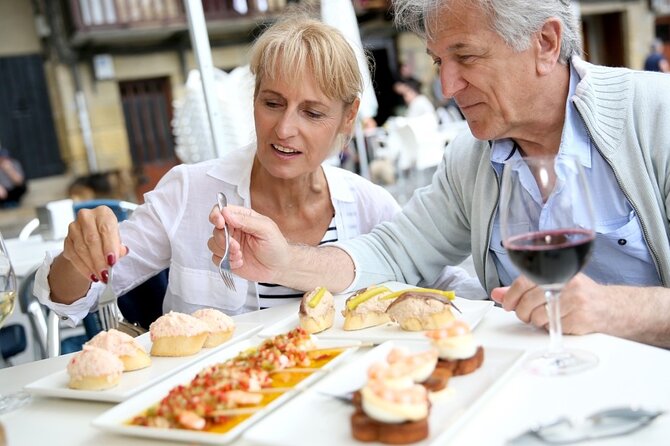
The tour quality rides heavily on the guide’s style. Reviews mention guides by name—Eduardo, Nick, Pedro, and Ricardo—and they all come across as friendly and able to keep people moving.
Here’s what that means for you: you’ll likely get more than facts. You’ll get practical framing, like how to order, what people typically pair with wine, and how Portuguese ingredients show up across different dishes. A strong guide also handles the pacing, which is important because the experience is only a couple hours.
One caution from feedback: the tour should match what was promised, and sometimes it can feel shorter or more concentrated around one restaurant stop. So if you book with clear expectations—multiple tasting moments and guided history—you’re wise to ask a quick question at booking time about how tastings and stops are handled.
The Flow Of The Evening: What Happens After You Meet
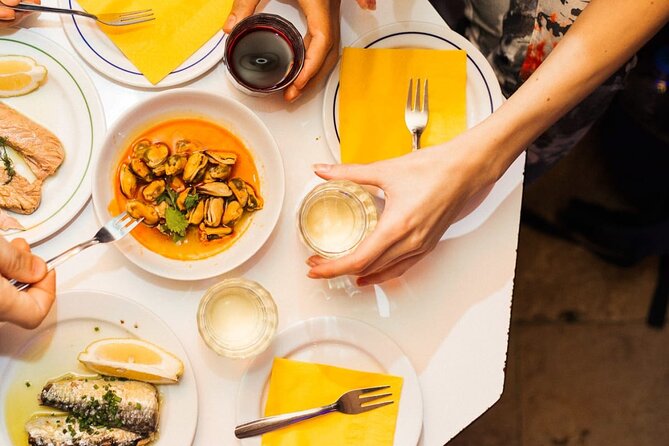
After you gather at Praça Luís de Camões, the tour shifts from meet-and-greet into a walking rhythm: brief history context, then sampling, then more context. This is where the tour earns its “history and flavors” label—because the guide connects food choices to place, tradition, and everyday Portuguese culture.
The experience is designed around a small group (max 15). That’s not just comfort; it affects how much you can ask. Food and wine tours get better when you can ask quick questions like what each item is, how it’s typically eaten, or what to look for on menus later.
Stop 1: Praça Luís de Camões (Meeting Point)
This first segment is your setup. You start at Largo Luís de Camões, 1200-243 Lisboa right next to Praça Luís de Camões. The time allocation listed for the meeting point is about 15 minutes, and the admission ticket is free because it’s the public square meeting spot.
Why this matters: you’re starting in the central zone, so you don’t spend your tasting time commuting long distances. You’ll be walking with the group, and the guide will set your tone for what you’re about to taste.



The Food Tastings Segment: Several Bites, Not One Big Meal
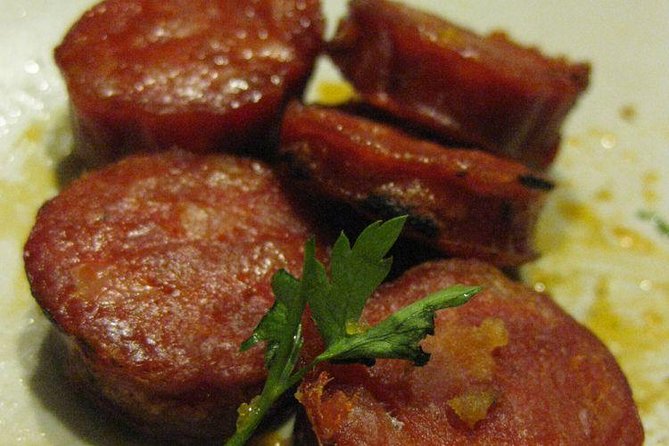
The tour is built around local food tastings at several stops. Practically, this means you should expect multiple “try this” moments—enough variety to learn patterns in Portuguese flavors, but not so much food that you’re stuffed before you even start dinner.
What you might taste is not listed in detail, but the pattern matters: small plates and curated samples. Past feedback includes cases where the tasting felt concentrated into one restaurant and covered fewer total items than expected. When that happens, the food still can be tasty, but the experience can feel rushed or less varied.
So if you book, show up hungry-but-not-starving. Bring a water bottle if you need it, and plan to eat a real meal after. If you’re the type who hates feeling like you’re constantly on the move while hungry, consider setting a light dinner plan for later.
Portuguese Wine: Sips With Story
The wine portion is one of the big draws—learn about and sip Portuguese wine during the tour. That’s a win because Portuguese wine can feel confusing at first. A guide can help you connect what you’re tasting to regions and common styles, even if you don’t become a wine expert by the end.
The tasting size is also a realistic piece of value. You’re getting small pours rather than a full wine crawl, which keeps the evening enjoyable. It also helps you stay steady while walking.
From a practical standpoint: eat something before the wine begins, and if you don’t drink alcohol, check options at booking time. (The tour data confirms wine tastings are included, but doesn’t explain alternatives.)
The History Connection: Short Stops, Talkable Facts
This tour isn’t described as a museum-heavy program. Instead, it uses the walking route plus brief history points to connect the food to Portugal’s culture. That’s the right balance for many first-time visitors: you get context without turning the night into a classroom.
One review feedback point did mention wanting more food history detail. That tells me something useful for your planning: if you’re a history nut who wants a longer, deeper story about Portuguese cuisine evolution, pair this with another activity that goes more timeline-based.
Pacing And Time: 2 To 3 Hours Can Feel Different
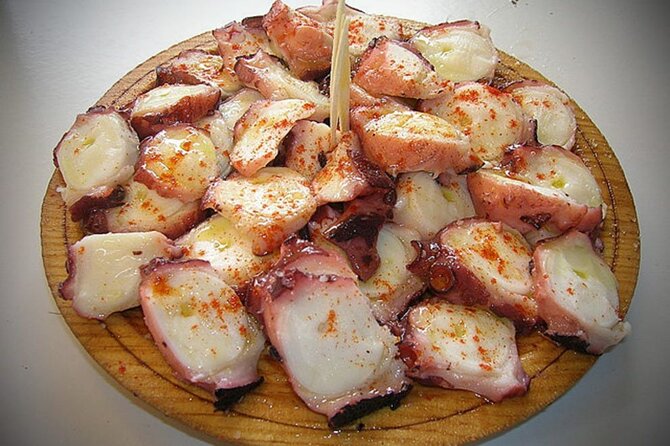
The duration is listed as 2 to 3 hours, and that range is real. In a perfect match, you get enough time to walk, taste at several moments, and still finish feeling like you learned something.
But some feedback described finishing in about two hours with a more limited set of tastings than hoped. That doesn’t automatically mean the tour was bad. It can happen if stops are fewer, schedules tighten, or the restaurant arrangement changes.
How do you protect yourself as a buyer? Decide what matters most to you:
- If you want a guided starter meal with wine and a few tastings, this can work well.
- If you want a longer sequence of stops and a bigger history-heavy experience, be prepared that the night may feel more compact.
Small Group Size: The Hidden Advantage
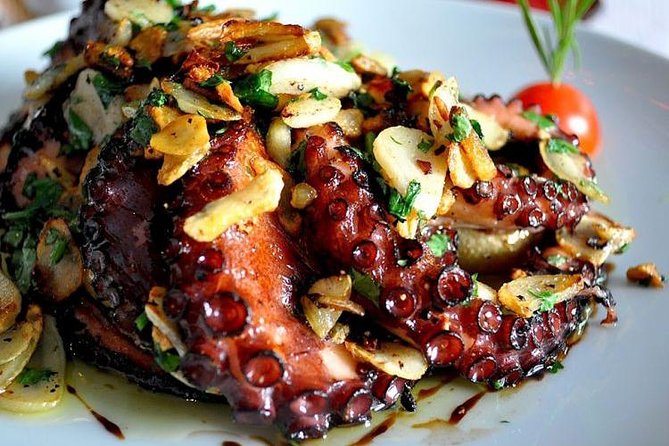
With a maximum of 15 travelers/participants, the guide can spend actual time with each person. You get asked-and-answered conversations, not just a one-direction lecture.
This matters most for:
- food questions (what is it, how does it compare to other Portuguese dishes?)
- wine questions (how to order the right glass without guessing?)
- allergy and preference handling (if your info is clearly communicated)
A small group also tends to make the walk smoother. You’re not constantly waiting for stragglers from a huge pack, and the guide can keep a steady pace.
Food Allergies: A Key Detail You Should Not Ignore

One important lesson from the experience: allergies must be communicated clearly and relayed properly. The tour notes include a prompt in Spanish to comment on food allergies to the customer service department.
If you have any allergy, do two things:
1) Send the allergy details during booking, exactly as you need them handled.
2) Be ready for follow-up questions. Chefs may need time to adjust dishes, and speed is critical.
Do not assume that written details automatically translate to the kitchen. Treat it like a must-confirm item.
Where This Tour Fits Best (And Where It Might Not)
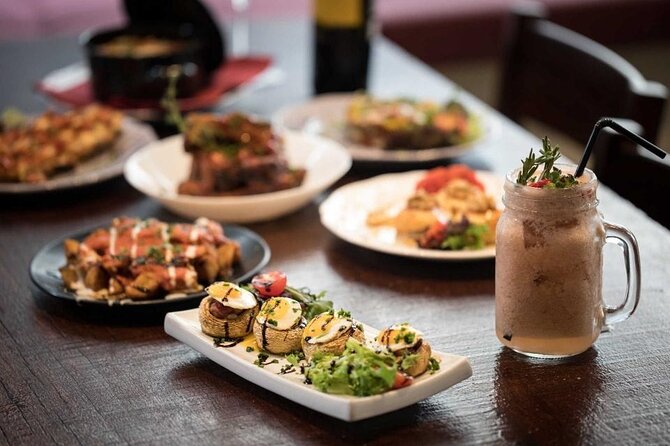
This experience fits best if you:
- want Portugal’s food culture explained while you taste it
- like structured walking tours with a guide you can ask questions to
- are in Lisbon for a short time and need fast recommendations for dinner after
- enjoy wine sips and want help interpreting what you’re drinking
It may not be the best match if you:
- want a long, deep historical tour with big museum-style detail
- expect every stop to involve a separate restaurant location
- are extremely sensitive to time and variation in the number of tastings
Also, the tour ends back at the meeting point, which is great for planning. But if you’re trying to string together multiple distant activities in one night, you might find the central starting/ending flow easier than long cross-city hops.
Practical Tips To Make It Work For You
A few small moves help this tour click:
- Go with reasonable expectations: it’s about tastings plus wine education, not a full-course dinner.
- If you love Portuguese wine, ask the guide what to order on your own later, especially by describing what you liked.
- Bring questions about the food you’re eating, even if they sound basic. The whole point is learning through taste.
- If you’re not sure about pace, remember it’s a 2 to 3 hour plan—some nights may run closer to two.
Should You Book Pancho Tours History And Flavors In Lisbon?
If your goal is to start your Lisbon trip with a guided introduction to Portuguese flavors and wine, this is a solid choice. The price is reasonable for what you get: guide-led tastings, wine sips, restaurant recommendations, and a central meeting point near transit. The small group size is the big quality multiplier, and it’s the main reason this kind of tour often feels fun instead of rushed.
But book with the right mindset. This is not guaranteed to feel like a long, deep history lecture. It’s a food-and-wine experience first. If that’s your thing, you’ll likely enjoy the evening and walk away knowing what to order next.
If you’re allergy-sensitive, take extra care with your booking notes and confirm you’ve given the customer service details.
FAQ
What is the meeting point for the tour?
The tour meets at Praça Luís de Camões, Largo Luís de Camões, 1200-243 Lisboa, Portugal.
How long is the experience?
The tour lasts approximately 2 to 3 hours.
What time does the tour start?
The start time is 7:00 pm.
What languages is the tour offered in?
The tour is offered in English.
What’s included in the price?
It includes a guide, local food tastings, learning about Portuguese gastronomy, and recommended restaurants. Portuguese wine is also part of the experience.
Is hotel pickup or drop-off included?
No. Hotel pickup and drop-off are not included.
How many people are on the tour?
The tour has a maximum of 15 travelers.
What should I do if I have food allergies?
You should communicate your food allergies to the customer service department when booking.
FAQ
Can I cancel for a full refund?
Yes. You can cancel for a full refund up to 24 hours before the experience’s start time.
Where does the tour end?
The tour ends back at the meeting point.