REVIEW · SAO MIGUEL ISLAND
From Ponta Delgada: Whale and Dolphin Watching Trip
Book on GetYourGuide →Operated by Futurismo Azores Whale Watching · Bookable on GetYourGuide
Whales off São Miguel feel real. This 3-hour trip from Ponta Delgada pairs marine life searching with a marine biologist guide and rules designed to keep you close without stressing the animals. You’re out in the Atlantic between Portugal and North America, where the Azores are a key home or passage area for a huge share of the world’s whale and dolphin species.
I love the respect-first viewing approach on board. The crew uses clear observation rules and proper distance, and you may even hear details like engine-off behavior when animals come close. The other big plus for your peace of mind: if no animals are sighted, you’re offered a second tour. The one thing to keep in mind is that sightings aren’t guaranteed, and weather can affect whether the trip runs.
In This Review
- Key Highlights Worth Planning For
- Ponta Delgada Setup: Portas do Mar Start Time Vibes
- Catamaran vs Zodiac: Picking the Boat That Fits Your Day
- The 15-Minute Safety Briefing: How You’ll Watch Better
- What You Might See Off Ponta Delgada (And When)
- Real talk about guarantees
- Onboard Marine Biologist Time: Learning That Actually Sticks
- Ethical Viewing in Practice: Why the Rules Feel Like Part of the Magic
- The “How Long Until We Find Something?” Factor
- Rain Gear, Shoes, and the Stuff You Shouldn’t Stress About
- Price and Value: Why About $82 Can Still Feel Worth It
- Who This Trip Fits Best (And Who Should Rethink It)
- Should You Book This Ponta Delgada Whale and Dolphin Watching Trip?
- FAQ
- How long is the Whale and Dolphin Watching trip from Ponta Delgada?
- Where do I meet the tour in Ponta Delgada?
- What kinds of boats are used?
- Is there a marine biologist or guide on board?
- Are life jackets provided?
- What should I bring or wear?
- What animals can I expect to see?
- What happens if no animals are sighted?
- What activities are not allowed on the trip?
Key Highlights Worth Planning For
- Marine biologist commentary that explains what you’re seeing as the search unfolds.
- Ethical approach rules for observing whales and dolphins at proper distance.
- Boat choice matters: a catamaran for comfort and a Zodiac-style option for more adventure.
- Seasonal species possibilities, from sperm and dolphins year-round to blue/fin/sei whales in spring.
- A second tour offer if your outing doesn’t produce sightings.
Ponta Delgada Setup: Portas do Mar Start Time Vibes
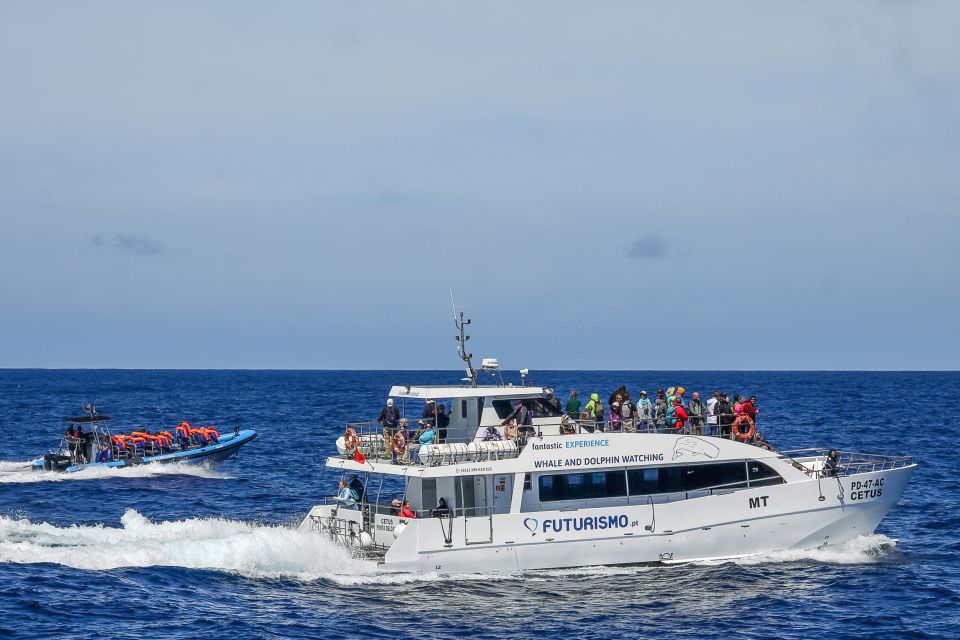
Your day begins at Futurismo Azores Adventures at Ponta Delgada Harbour, Portas do Mar – Shop 26. It’s an easy find if you take a minute to orient yourself at the docks first, because you’ll want to be on time for that initial safety talk.
This is a short trip by design—about 3 hours total—so the operator keeps the schedule focused. That means you’re not spending your whole day commuting across the island; you’re spending it scanning the Atlantic.
You can also read our reviews of more whale watching tours in Sao Miguel Island
Catamaran vs Zodiac: Picking the Boat That Fits Your Day
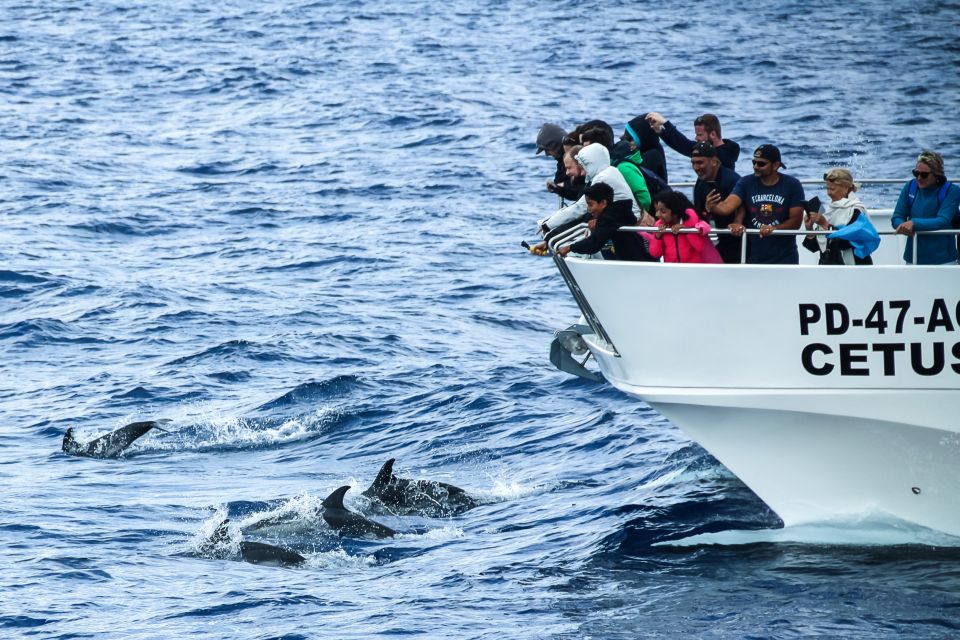
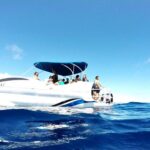
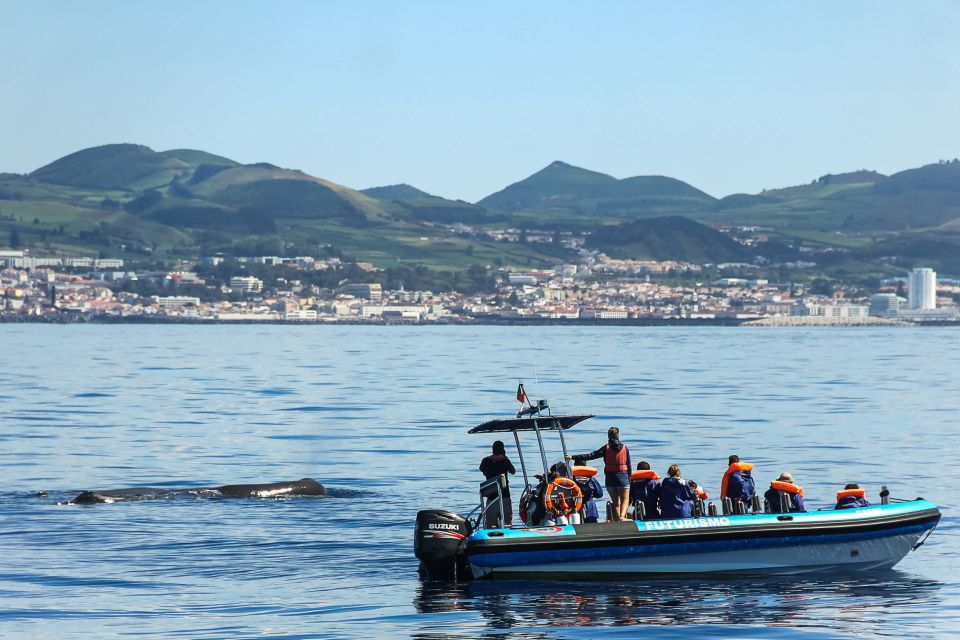
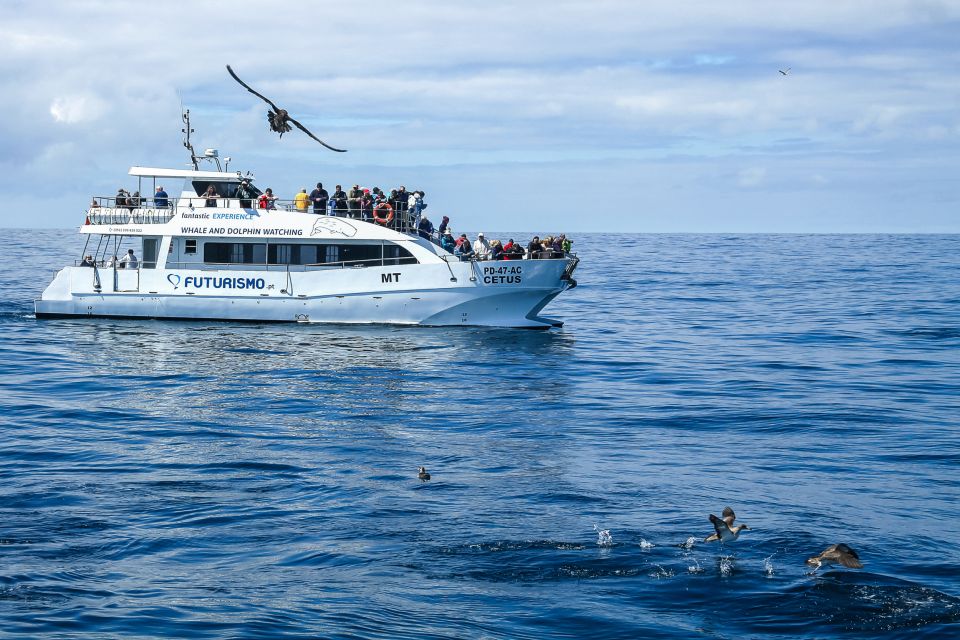
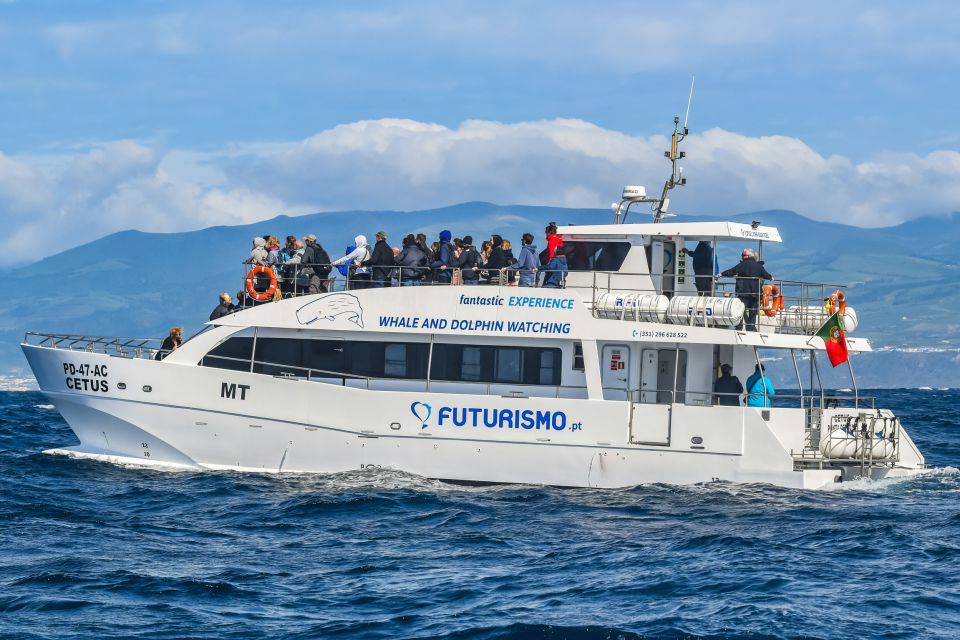
You can book either a catamaran or an inflatable rubber/Zodiac-style boat. Both are built for sea viewing, but they feel different in practice.
The catamaran option is recommended for families with children under 8, seniors, pregnant women, and people with limited mobility or back problems. At the same time, the tour rules list pregnant women and people with back problems as not suitable, so if any of those apply to you, confirm what’s allowed for your specific booking before you go. For most people, the simple takeaway is: the catamaran is the steadier choice.
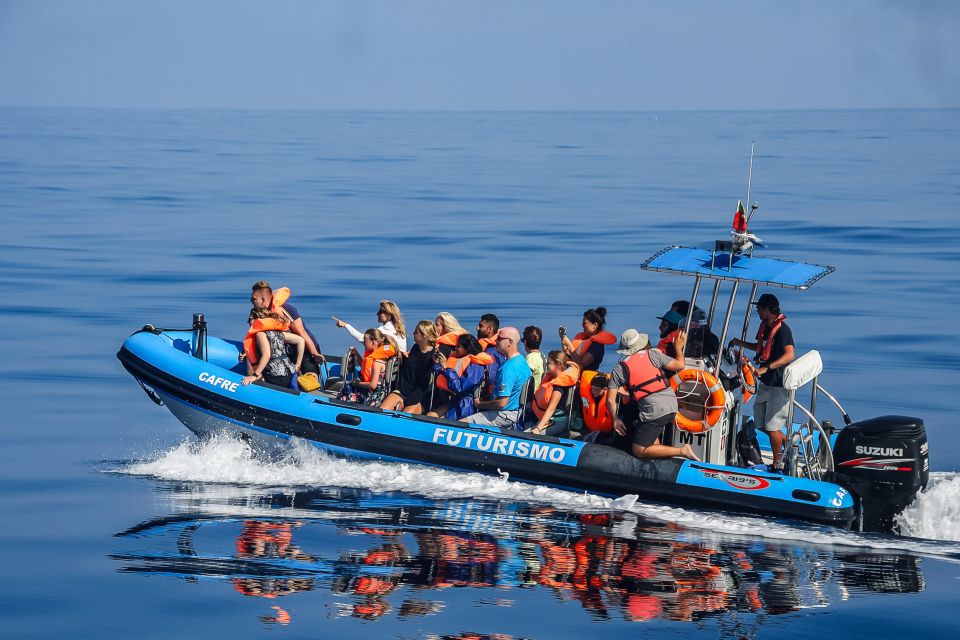
If you pick the Zodiac-style boat, expect more motion and more of that expedition feel. The crew will still run a safety-first operation, and you’ll be given a life jacket (mandatory on the Zodiac option). Some reviewers specifically liked the Zodiac because it can feel like a smaller, more hands-on hunt for cetaceans—just be prepared for waves.
The 15-Minute Safety Briefing: How You’ll Watch Better
Before you head out, you get about 15 minutes of briefing. This isn’t fluff. You’ll learn basics like water safety and the rules for observation—how close you should be, how to stay respectful, and what behavior keeps both you and the animals calm.
You’ll also get context on the history of whale watching in the Azores, which helps turn random sightings into something meaningful. When you understand why the Azores are such a hotspot, you stop treating whales and dolphins like luck and start reading the ocean like a living system.
What You Might See Off Ponta Delgada (And When)
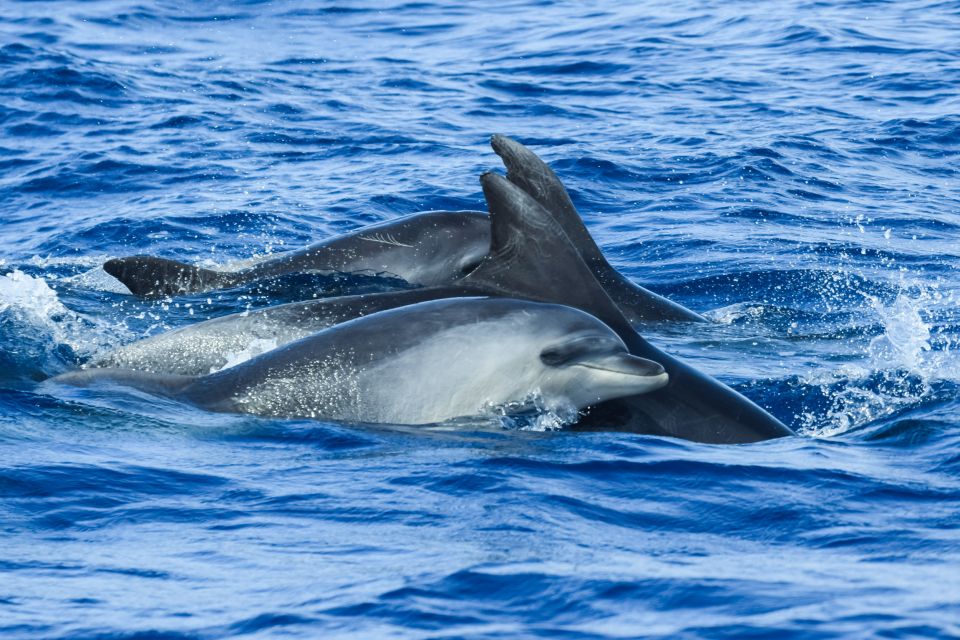
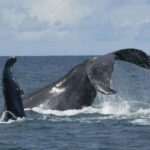
The Azores are a serious place for cetaceans: you’re told to watch for over 25 cetacean species found in the region. In plain terms, that means your guide isn’t just hoping; they’re matching effort to a very active marine area.
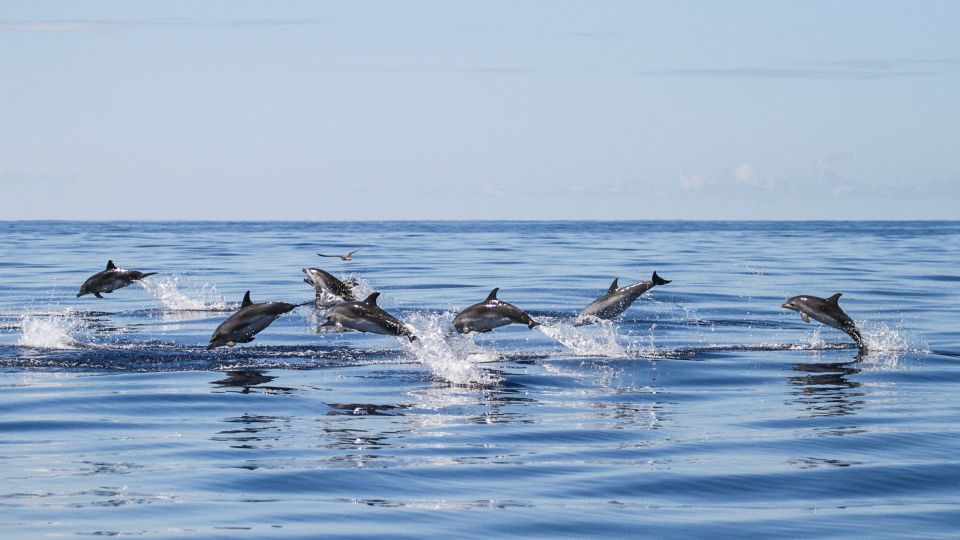
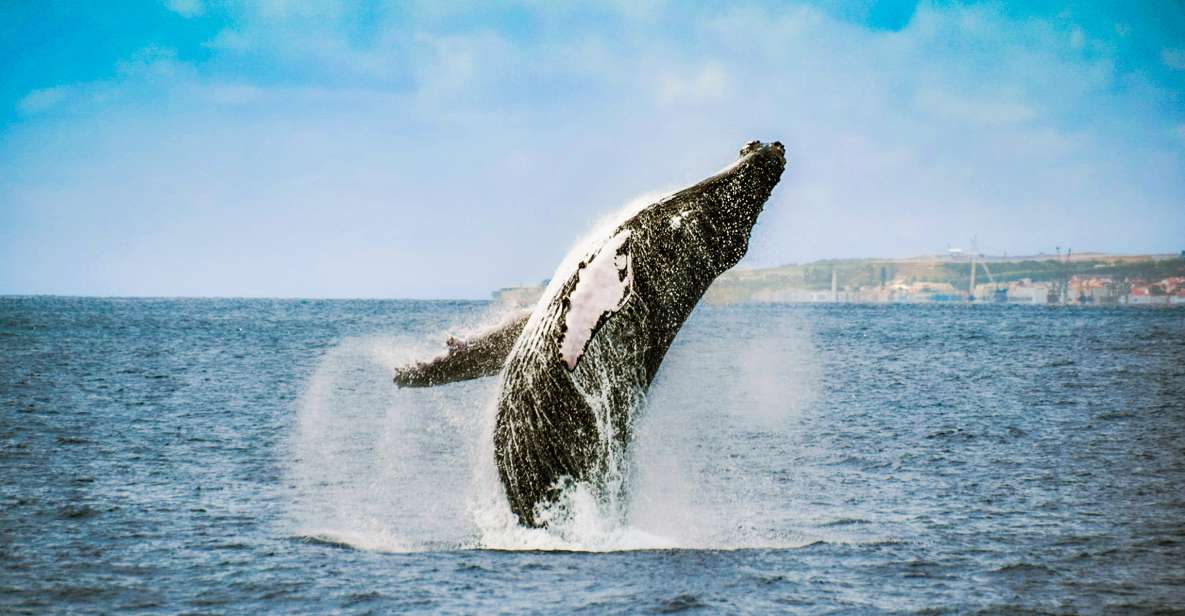
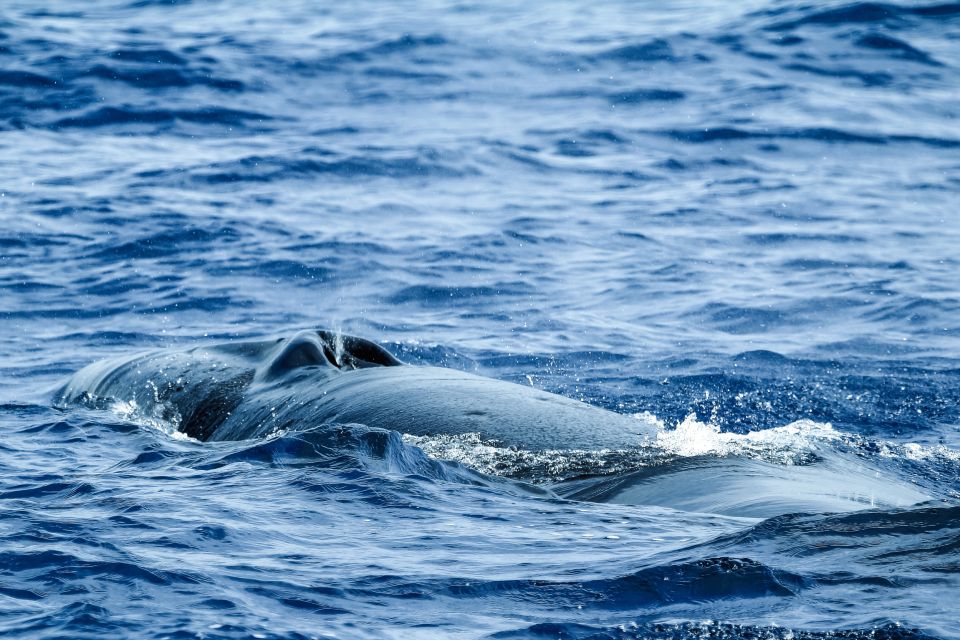
Year-round possibilities include minke whales, sperm whales, and several dolphin species such as common dolphins, bottlenose dolphins, and Risso’s dolphins. Expect the search to focus on repeated passes and careful scanning for surfacing patterns, not one quick look and done.
Seasonal changes matter:
- In summer months, you have a better shot at seeing dolphins like pilot dolphins and striped dolphins.
- In spring, migrating baleen whales such as blue whales, fin whales, and sei whales can appear.
You may also spot turtles, seabirds, and other marine life. And on some days, the sea can throw surprise sightings—one person even reported a hammerhead shark as an extra bonus.
Real talk about guarantees
You will be out there looking hard, but the ocean decides. That’s why the operator includes a fallback plan: if no animals are sighted during the experience, you’re offered a second tour.
You can also read our reviews of more dolphin watching tours in Sao Miguel Island

Onboard Marine Biologist Time: Learning That Actually Sticks
The best part of a good whale-watching trip is not just the whale—it’s what you learn while you’re waiting. Here, the commentary is provided by a marine biologist or nature guide on board, and the tone is practical: what you’re likely seeing, how the behavior works, and why the Azores matter.
I like that the trip doesn’t treat education like a lecture. It’s timed to the action. When animals surface, the guide can connect what you’re seeing to the broader picture—species presence, seasonal movement, and the way researchers think about the area.
One biologist named Valeria is specifically mentioned for being helpful and explaining what’s going on. And multiple accounts highlight that the biologists stayed engaged, answering questions as the day unfolded rather than rushing you back to your seat.
Ethical Viewing in Practice: Why the Rules Feel Like Part of the Magic
This operator’s approach gets praised for being respectful, not showy. You’ll hear and practice rules of observation, which usually means approaching in a way that doesn’t interrupt feeding, resting, or movement.
A standout example from one account: when orcas came close, the engine was turned off to avoid disturbing them. That’s the kind of operational choice that makes you feel like the crew is watching the animals first—and you’re watching second.
And it changes how you experience “being close.” When the crew handles proximity responsibly, you don’t feel like you’re in a thrill ride. You feel like you’re getting a real look into wild behavior.
The “How Long Until We Find Something?” Factor
Your whale watching window is about 2.75 hours after the briefing. That’s enough time for multiple search cycles, rather than a single linear route.
Some people reported the crew staying out longer than scheduled to keep searching once they sensed something could still surface. That’s a big deal, because cetacean encounters can be brief. If the crew stops too early, you can miss the moment. If they keep scanning calmly, the odds improve.
Tip: choose your seats with view lines in mind. One review noted that everyone wants the best sighting angle, so plan for that early rather than sprinting to prime spots at the last second.
Rain Gear, Shoes, and the Stuff You Shouldn’t Stress About
If you book the Zodiac-style boat, you’ll receive raincoat and pants, which is a thoughtful inclusion in a place where weather can change quickly. Life jackets are mandatory on the Zodiac option, so don’t plan on skipping safety gear.
You should avoid high-heeled shoes. Smoking is not allowed, and drones are off the table. Alcohol and drugs aren’t permitted either, and nudity is obviously not part of the plan.
Pack for damp and salt air. Even when the sun shows up, sea spray is real, and dry bags help if you have a phone or camera you care about.
Price and Value: Why About $82 Can Still Feel Worth It
The price is listed as $82 per person for a 3-hour outing. On paper, that might sound like a standard excursion cost. In practice, the value comes from a few specific things you’re getting in one bundle:
- A marine biologist or nature guide on board, not just a general driver.
- A structured briefing that makes your viewing more effective.
- Gear support on the Zodiac option (raincoat/pants, plus life jacket rules).
- The second tour offer if no animals are sighted, which lowers the risk of a “lost day.”
For whale watching, the gamble is always the same: you can spend money and still see nothing. Here, the provider explicitly reduces that risk with the second tour option, and your odds improve thanks to the focused search time and ethical approach process.
If you’re on São Miguel for a short stay, this is also a practical use of time. It’s only half a day, and it puts you into the Atlantic hotspot where whales and dolphins are expected to be present or passing through.
Who This Trip Fits Best (And Who Should Rethink It)
This is a great match for anyone who wants a hands-on wildlife experience with real marine interpretation. If you like nature-focused travel that includes rules and responsibility—not just sightseeing—this style works well.
It’s also a good fit if you’re comfortable scanning for wildlife rather than expecting a “guaranteed show.” The crew’s job is to find animals, but you’re still participating in the search.
The tour rules list it as not suitable for children under 8, pregnant women, and people with back problems. If any of those apply, take the notice seriously and double-check options with the operator before booking, especially since catamaran comfort is recommended for some of those groups.
Should You Book This Ponta Delgada Whale and Dolphin Watching Trip?
I’d book it if you want your São Miguel day to include a serious chance at cetaceans, plus a guide who helps you understand what’s happening—not just where to look. The ethical viewing rules, marine biologist commentary, and the second tour offer are the three reasons this feels like more than a basic boat ride.
If your number one goal is certainty—like seeing whales no matter what—then adjust expectations. The Atlantic can be unpredictable, and weather can affect operations. But if you’re ready for a respectful species hunt with good explanations and a crew that keeps searching, this is a strong use of your time.
FAQ
How long is the Whale and Dolphin Watching trip from Ponta Delgada?
The experience runs for about 3 hours total, including a short pre-departure safety briefing.
Where do I meet the tour in Ponta Delgada?
Meet Futurismo Azores Adventures at Ponta Delgada Harbour, Portas do Mar – Shop 26, 9500-771 São Miguel, Azores, Portugal.
What kinds of boats are used?
You can choose a catamaran or an inflatable rubber/Zodiac-style boat at the time of booking.
Is there a marine biologist or guide on board?
Yes. A marine biologist or nature guide is on board, and they provide live commentary during the trip.
Are life jackets provided?
Life jackets are mandatory on the Zodiac boats.
What should I bring or wear?
You’ll want shoes that are safe on a boat (high-heeled shoes are not allowed). If you choose the Zodiac option, raincoat and pants are provided; food and drink are not included.
What animals can I expect to see?
You may see whales and dolphins such as sperm whales and multiple dolphin species (common dolphins, bottlenose dolphins, Risso’s dolphins), plus turtles, seabirds, and other marine life. Seasonal sightings can include pilot and striped dolphins in summer, and migrating baleen whales like blue, fin, and sei whales in spring.
What happens if no animals are sighted?
If no animals are sighted during the experience, the operator offers a second tour.
What activities are not allowed on the trip?
High-heeled shoes are not allowed, and smoking, drones, alcohol and drugs, and nudity are also prohibited.