REVIEW · SAO MIGUEL ISLAND
Rabo de Peixe: Sperm Whale Sanctuary Expedition
Book on GetYourGuide →Operated by Futurismo Azores Whale Watching · Bookable on GetYourGuide
Whales feel close out here—especially the sperm kind. This 3-hour Sperm Whale Sanctuary Expedition from Rabo de Peixe is built around professional marine biologists and real-time searching in the deep blue waters north of São Miguel.
I love the pre-trip briefing where you learn how to watch respectfully (and what species you’re likely to run into). I also love that the experts stay with you on the water and close the loop on what you saw after the sightings.
One thing to plan around: this outing needs good weather, and you can also get a 30–45 minute delay due to marina/activity logistics.
In This Review
- Key takeaways before you go
- Clube Naval Rabo Peixe: the calm start before the Atlantic search
- The briefing that makes whale-watching smarter (and more respectful)
- The 3-hour on-water search: scanning for sperm whales in sanctuary waters
- What you might see along the way: dolphins, turtles, and Portuguese man-o-war
- Learning after the sightings: what the biologists add on the return
- Boat size and comfort: a small-boat style for better viewing
- Price and value: why $82 can be fair (if you’re ready for what’s included)
- Timing, weather, and the practical checklist that prevents misery
- Who should book this expedition (and who should skip it)
- Should you book the Rabo de Peixe sperm whale sanctuary expedition?
- FAQ
- How long is the whale watching expedition?
- Where does the tour start?
- Is hotel pickup included?
- What’s included in the price?
- What animals might I see besides sperm whales?
- What should I bring with me?
- Is this tour suitable for everyone?
Key takeaways before you go
- Marine-biologist guidance from start to finish so your sightings turn into actual learning
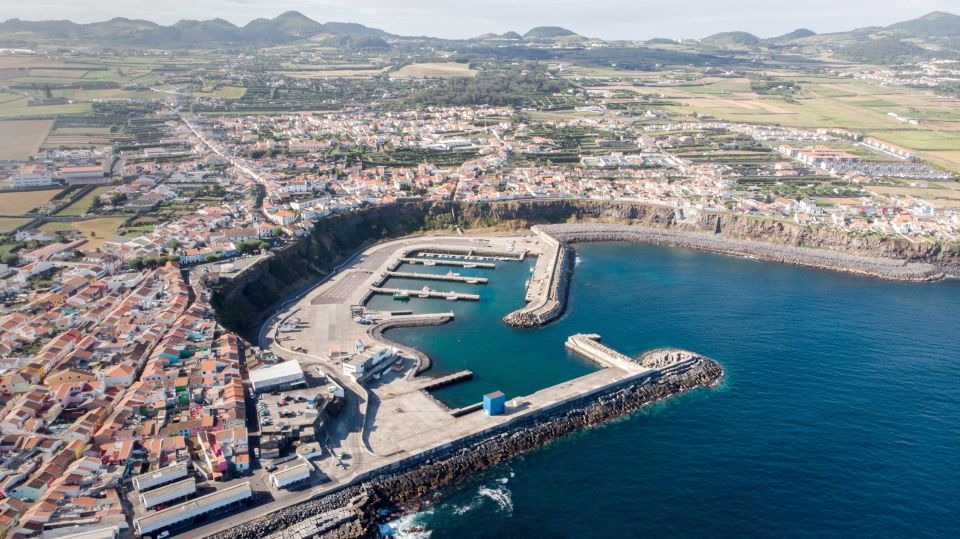
- Sperm whales as the main target, with the boat scouting their protected habitat
- A small-boat feel (often on a Zodiak around 16 seats), which keeps things personal
- You’re not just searching for whales—you may also spot dolphins and sea life near the coast
- Time with experts after you return to wrap up what you likely observed
Clube Naval Rabo Peixe: the calm start before the Atlantic search
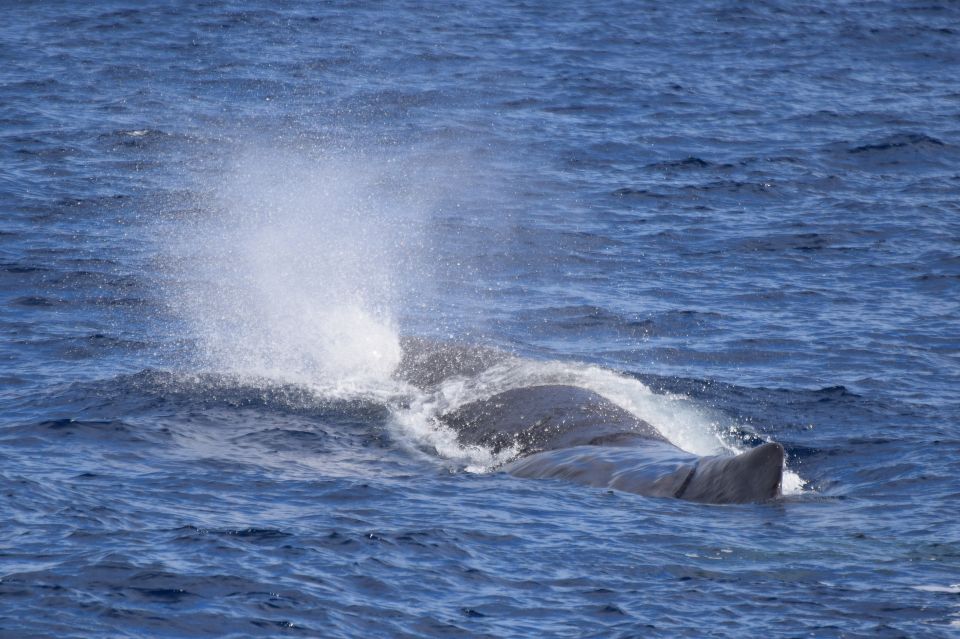
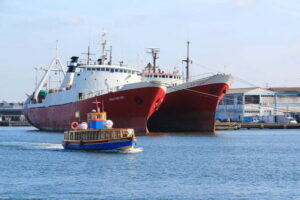
The experience begins at Clube Naval Rabo Peixe, on the northern side of São Miguel. That matters, because you’re not trying to figure out “where the action is” once you’re already on the water—you get set up from the marina first, with your crew and your rules.
Before anyone heads out, you get a short safety briefing (about 10 minutes). It’s basic, but it helps you read the day. On a boat trip, your comfort affects your attention. If you know what to do with your gear and how the boat will move, you can focus on scanning water instead of fussing.
Also note the logistics reality: this is a marina-based activity, so there may be a 30–45 minute delay in the overall duration. That’s not a reason to panic—it’s just a reason to avoid tight connections right before or right after.
You can also read our reviews of more whale watching tours in Sao Miguel Island

The briefing that makes whale-watching smarter (and more respectful)
A big part of the value here is the pre-tour briefing with marine biologists. You’ll learn what species you might see, how whale watching works in the Azores, and the practical ways biologists and whale watchers respect the animals.
I like briefings like this because they change your behavior instantly. You’ll know what you’re looking for, what kind of distance and observation patterns are appropriate, and why the rules exist. In other words, it’s not just “spot a whale and hope.” You get context, and that makes the entire 3-hour window feel useful.
There’s also a cultural angle: the biologists explain the whale-watching history in the Azores, which helps you understand why this region has a strong reputation for marine education and conservation thinking—not just tourism.
The 3-hour on-water search: scanning for sperm whales in sanctuary waters
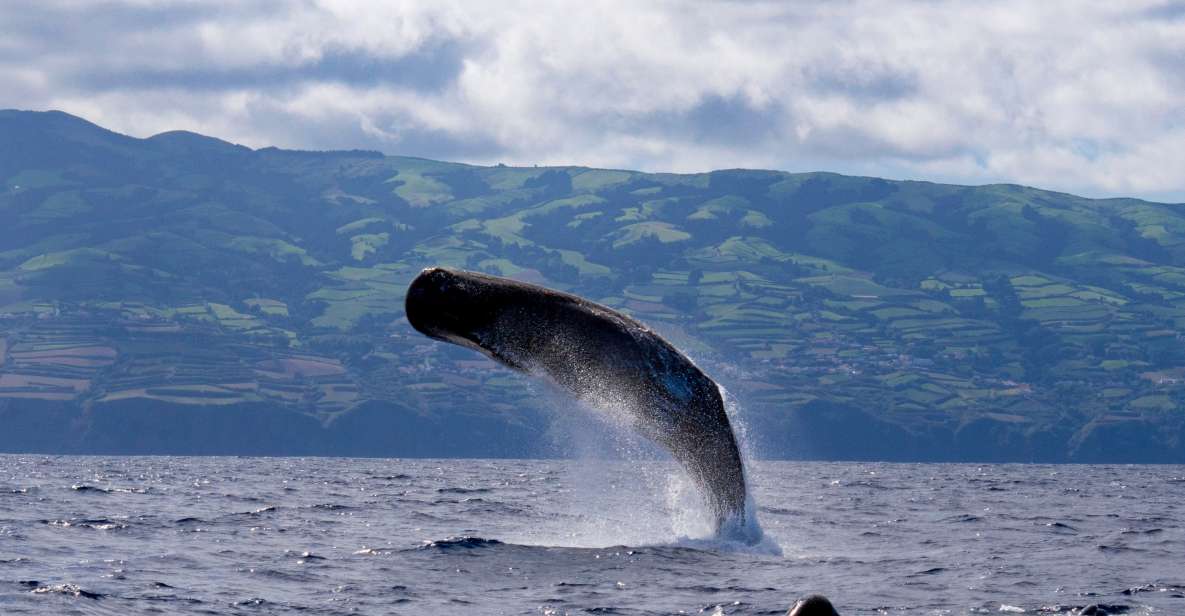
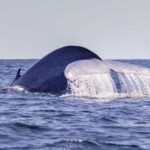
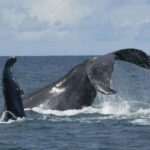
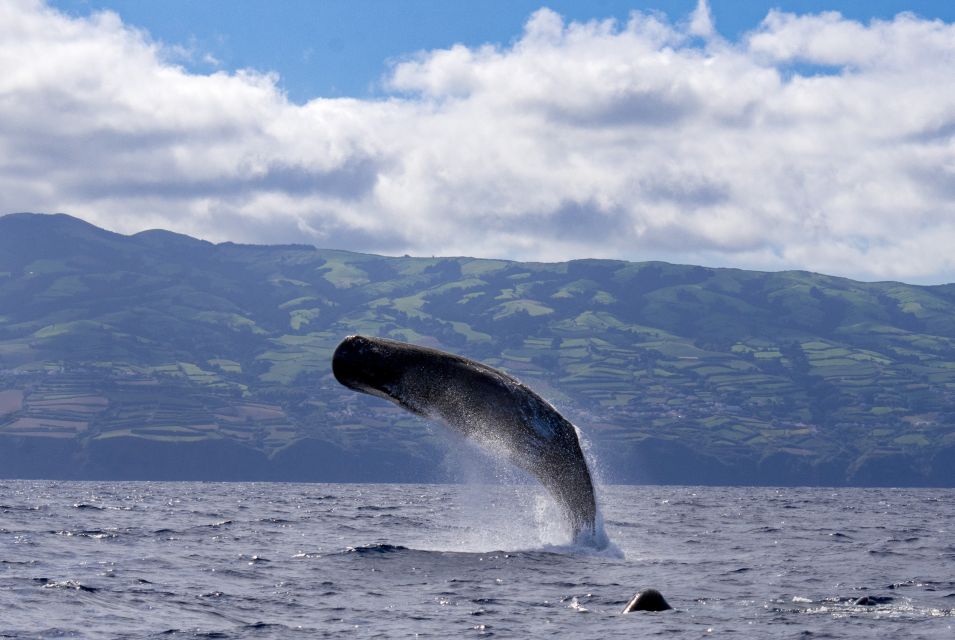
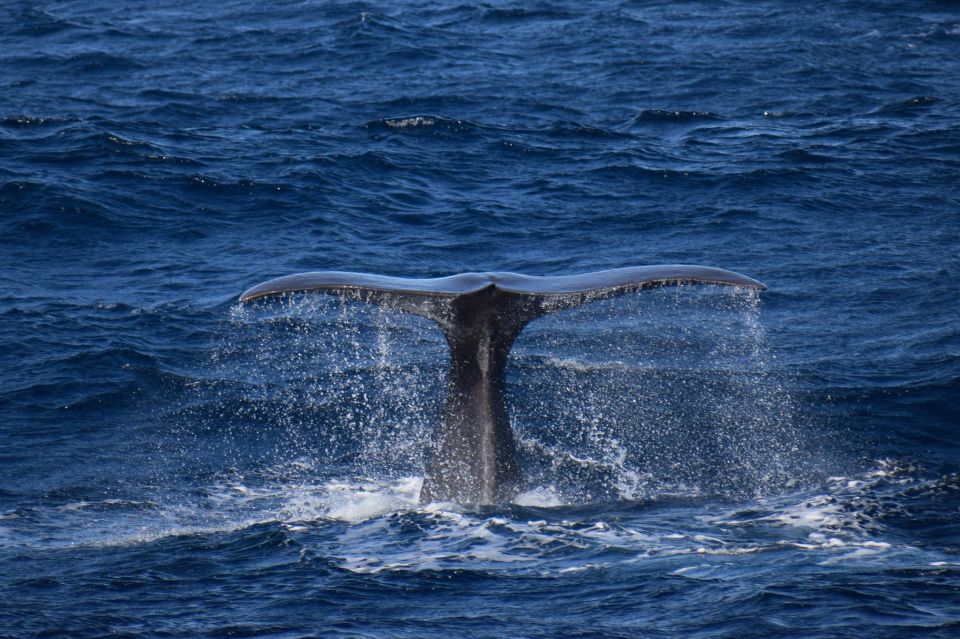
Once you’re out on the Atlantic, the focus stays simple: look for sperm whales (cachalotes), the largest cetacean species in the world. The tour runs for about 3 hours of whale watching, with time spent along the northern coast of São Miguel and then into deeper sanctuary waters.
What’s interesting is the rhythm of the ride. You’re not only “going to a spot.” You’re gradually moving from coastal viewing to deeper water searching. That’s good because it gives you more than one chance to see marine life and helps you connect what you’re seeing to what the biologists are explaining.
You also get a steady reminder to keep eyes on the water. Even if sperm whales are the headline, you’ll likely spot other life along the way. That turns the expedition into a broader wildlife experience while still keeping the sperm whale search as the main goal.
And here’s the practical trick: when you’re watching from a moving boat, your best tool is patience. The whales aren’t “performance scheduled.” So your mindset matters more than your phone camera.
What you might see along the way: dolphins, turtles, and Portuguese man-o-war
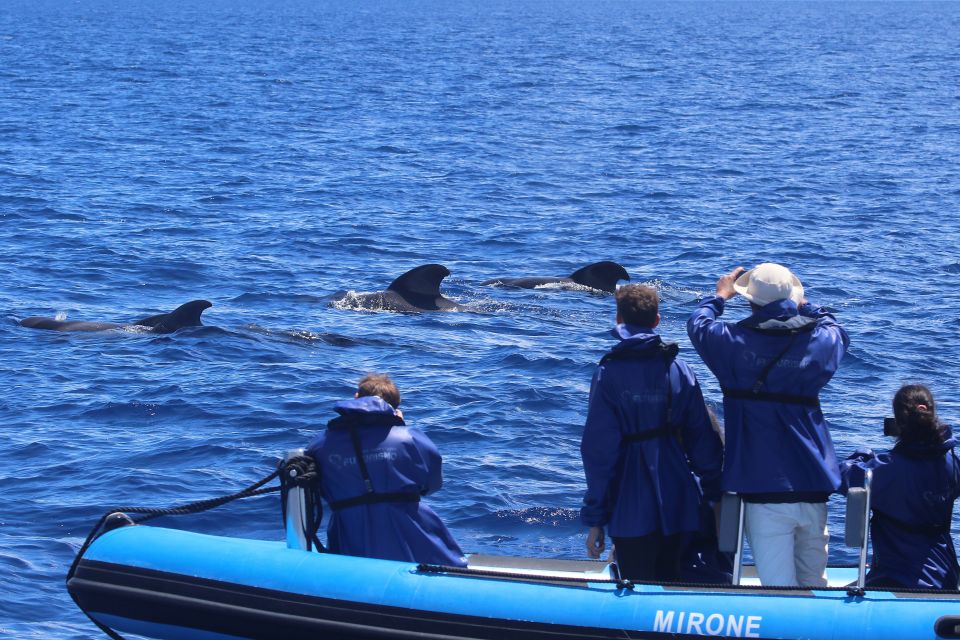
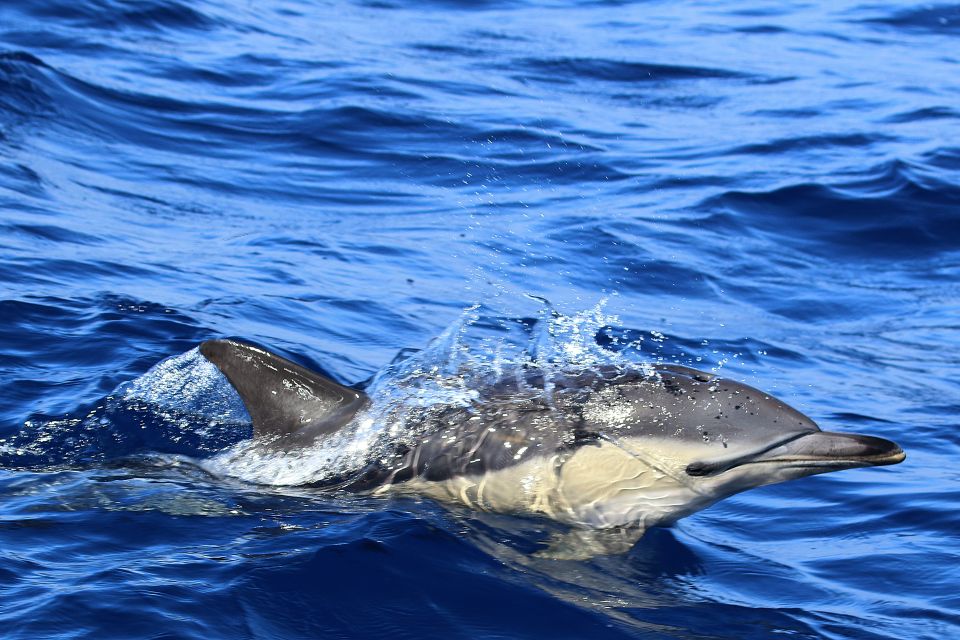
Along the northern coast, the tour notes you may see dolphins, Portuguese man-o-war, and turtles. That matters because it gives you something to look for even on less whale-heavy days.
Also, several recent departures reported a wider mix of species beyond sperm whales. In particular, some outings noted dolphins in different varieties and even other whale species such as minke and Bryde’s whales, plus a hammerhead shark sighting on a return trip. Those are not guarantees, but they highlight the broader marine-life richness you can encounter during the search.
This is where the marine biologist on board really earns their spot. If you can connect a dolphin sighting to the kind of day you’re having (coastal vs. deeper water, behavior you’re noticing, etc.), you stop treating wildlife like random luck and start treating it like a pattern.
Learning after the sightings: what the biologists add on the return
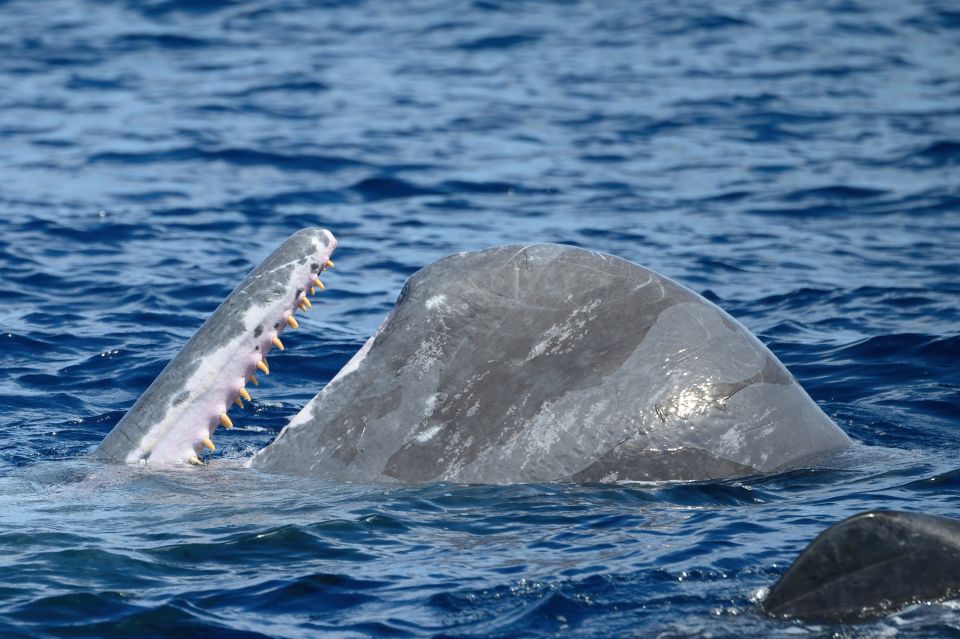
When you head back to Rabo de Peixe Harbor, the tour doesn’t feel like it ends at the final whistle. The marine biologists share more about the species you just saw and explain habits and routes.
I appreciate this “wrap-up” because it helps you turn a few seconds of excitement into something you remember. A whale sighting can be unforgettable, but a few facts can make it even better: what you likely saw, what behavior you might have noticed, and why those animals move through the area.
One review also specifically highlighted a biologist named Emma, praised for transmitting passion and emotion. Whether you hear from Emma or another specialist that day, the pattern is the same: the team focuses on understanding rather than hype.



Boat size and comfort: a small-boat style for better viewing
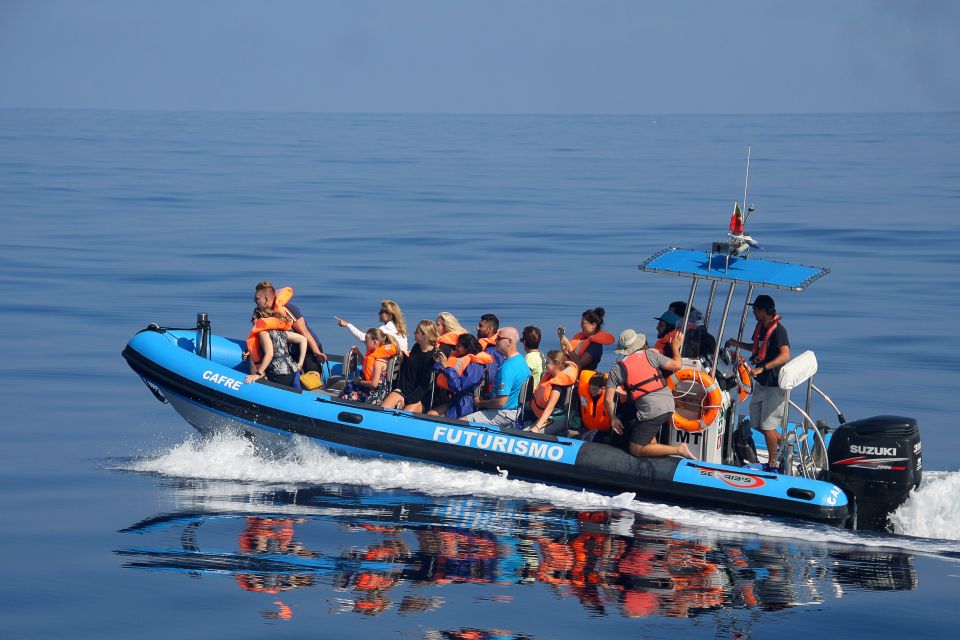
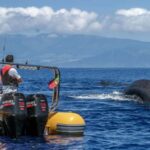
The experience is often run on a small Zodiak boat (around 16 seats, based on recent accounts). That small size can be a real advantage. With fewer people, you get better sight lines and less chaotic movement when everyone’s trying to look.
It also tends to make the marine-biologist explanations feel more personal. When you’re close enough to hear details clearly, you’re less likely to miss the “why” behind what you’re seeing.
That said, small boats come with their own reality: you should dress for wind and spray and be ready for the boat’s motion. Bring comfortable clothes, and plan to wear layers you can handle throughout the trip.
Price and value: why $82 can be fair (if you’re ready for what’s included)
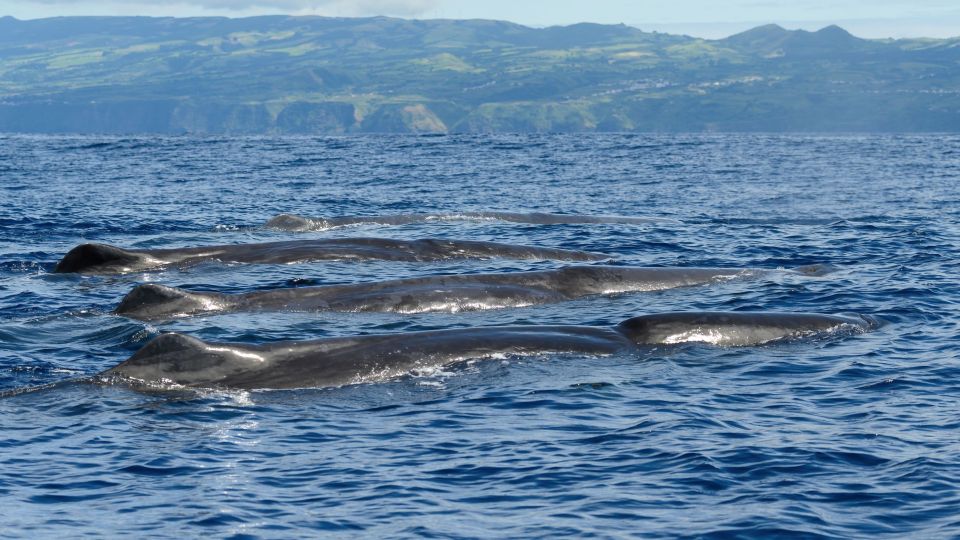
At $82 per person for about 3 hours, this isn’t a cheap “look and leave” activity. The value comes from what you’re buying: a pre-tour briefing, a marine biologist on board, guided learning before and after the whale search, and a real focus on sperm whales in their protected habitat.
What can change your sense of value is what you bring and what you plan around. For example:
- Hotel pickup and drop-off aren’t included, so you’ll need your own timing and transport to Clube Naval Rabo Peixe.
- Food and drinks aren’t included, so bring snacks if you think you’ll need them.
- Raincoat isn’t included, and the tour requires good weather—so you’ll want to be prepared if conditions shift.
In short: if you show up ready to learn (snacks, sun protection, comfortable shoes), the price starts to feel reasonable for a biology-guided wildlife outing. If you’re hoping for a fully catered experience, you may feel under-supported.
Timing, weather, and the practical checklist that prevents misery
This activity requires good weather. You’re on the Atlantic, and visibility and sea conditions affect the ability to search effectively. If the day turns rough, don’t expect magic.
Timing-wise, build in buffer because of possible 30–45 minute delays from marina/activity logistics. I’d avoid scheduling anything right after in a way that could create stress.
Your “don’t regret it later” packing list is straightforward:
- Comfortable shoes (not just for walking—also for stability on board)
- Sunglasses and sunscreen
- Sun hat
- Snacks
- Comfortable clothes
Also, the tour is clear on what’s not allowed: high-heeled shoes, drones, and alcohol or drugs. That’s partly for safety and partly to keep the experience focused on the animals, not distractions.
Who should book this expedition (and who should skip it)
This tour is a strong fit if you:
- Want more than whale spotting and actually want to understand what you’re seeing
- Like marine education delivered by professionals while you’re still on the water
- Enjoy a small-group feeling, likely on a Zodiak around 16 seats
It’s not suitable for pregnant women, people with back problems, people with mobility impairments, or anyone with recent surgeries. Also, because it’s weather-dependent and involves being on a boat, it’s smart to consider motion comfort even if your situation doesn’t fall into those categories.
One more note: the expedition is offered with a live tour guide in English and Portuguese, so language support is covered.
Should you book the Rabo de Peixe sperm whale sanctuary expedition?
If your goal is sperm whales plus real marine-biologist context, I’d book this. The biggest reason is not the animal alone—it’s the education layer: briefing first, biology on board, and a debrief afterward. That’s how you get a trip that feels complete.
I’d skip it if you can’t handle boat days in variable conditions or if good weather planning is tough for your schedule. And if you need food included, or if you want pickup handled for you, you should factor those gaps into your day plan.
Overall, it’s a focused, conservation-minded expedition with the right balance of excitement and learning—exactly the kind of Azores experience that earns your camera roll and your brain.
FAQ
How long is the whale watching expedition?
The activity lasts 3 hours. Due to marina and activity logistics, you may experience a 30–45 minute delay.
Where does the tour start?
It starts at Clube Naval Rabo Peixe.
Is hotel pickup included?
No. Hotel pickup and drop-off are not included.
What’s included in the price?
You get a pre-tour briefing and a marine biologist on board. A live tour guide is available in English and Portuguese.
What animals might I see besides sperm whales?
Along the northern coast, you may see dolphins, Portuguese man-o-war, or turtles. Sperm whales are the main focus.
What should I bring with me?
Bring comfortable shoes, sunglasses, a sun hat, snacks, sunscreen, and comfortable clothes.
Is this tour suitable for everyone?
No. It’s not suitable for pregnant women, people with back problems, people with mobility impairments, or people with recent surgeries.