REVIEW · SAO MIGUEL ISLAND
Terceira: Whale and Dolphin Watching in a Zodiac Boat
Book on GetYourGuide →Operated by Water4fun · Bookable on GetYourGuide
Fast boats, big ocean. Real whale country.
This Terceira trip is interesting because it turns whale spotting into a team sport: a Zodiac boat heads out while a whale spotter on Monte Brasil watches with long-range binoculars and radios directions to the skipper. What I like most is the mix of scenery and science—stunning coastline views first, then cetaceans when they appear.
I love the way the crew focuses on what you’re seeing and the environment it’s coming from. And with an advertised 90% sighting success rate, you’re not just buying hope—you’re buying a system built for spotting. The trade-off is that it’s a small, fast ride; if the sea gets rough or it’s cold, you may end up soaked and wanting warmer layers.
In This Review
- Key things to know before you go
- Terceira whale watching: why this part of the Azores works
- The Zodiac boat ride: fun speed, plus a few real-life trade-offs
- Meeting at Marina de Angra do Heroísmo: where the tour starts
- Monte Brasil spotting: how the crew finds whales before you even see them
- What actually happens once you’re out: the flow of searching and viewing
- The wildlife you might spot (and what to look for)
- Learning aboard: why the guide’s explanation changes the value
- Safety and animal respect: the rules that make it feel right
- Comfort checklist: how to dress for a 2.5-hour Zodiac hunt
- Price and value: is $82 worth it?
- Who this tour fits best (and who should skip it)
- Final call: should you book this Terceira Zodiac tour?
- FAQ
- How long is the whale and dolphin watching tour in Terceira?
- Where do I meet for the tour?
- What’s the price per person?
- What’s included in the tour price?
- Is hotel pickup included?
- Can I cancel and get a full refund?
Key things to know before you go
- Monte Brasil spotter + radio guidance: long-range binocular scanning, then directions to the skipper.
- Small Zodiac layout: a setup designed for visibility, not a big floating bus.
- High odds of seeing whales or dolphins: about 90% sighting success, based on the spotting workflow.
- Learning happens on the water: you’ll get explanations about whales, dolphins, and their environment.
- You can score extras: turtles, sea turtles, and Portuguese man o war have shown up on past trips.
- Sometimes they keep searching: if whales are still in play, the outing can run longer than expected.
Terceira whale watching: why this part of the Azores works
Terceira sits in one of the most active marine zones in Europe. The activity info notes that 28 species of whales and dolphins have been spotted in the Azores over the years, and that matters because it reduces the classic whale-watching problem: one species, one chance, one guess.
Here, you’re not just heading offshore and crossing your fingers. You’re working with a location that’s already proven for cetaceans, plus a scouting system that helps the boat get to the right patch of water sooner.
This is also why the tour’s timing—about 2.5 hours—makes practical sense. It’s long enough for real searching and viewing, but short enough that you’re not trapped outside for half a day if conditions are slow.
You can also read our reviews of more boat tours in Sao Miguel Island
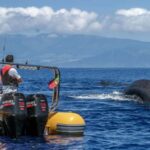
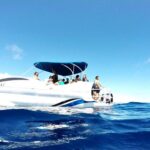
The Zodiac boat ride: fun speed, plus a few real-life trade-offs
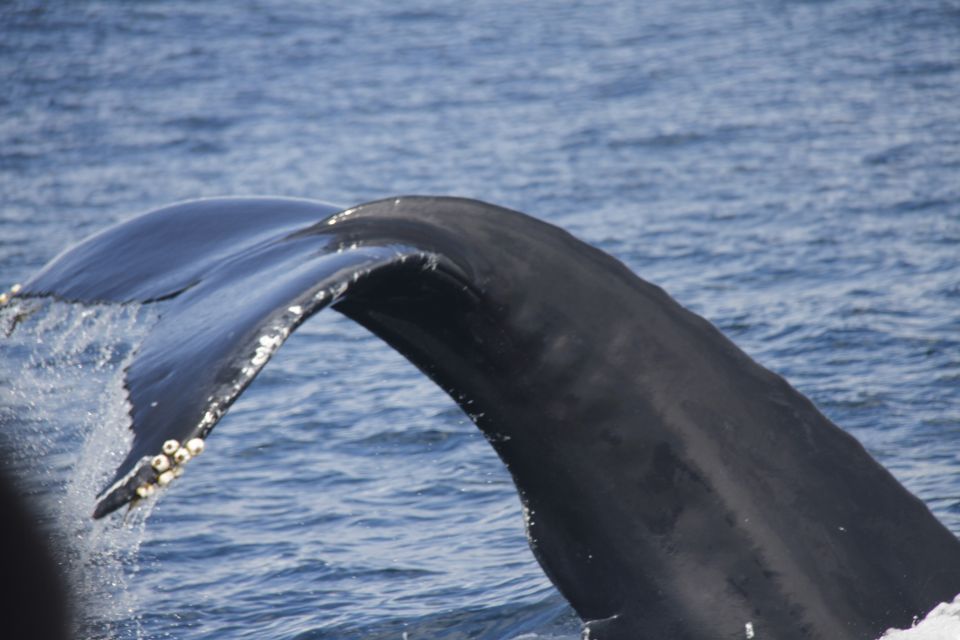
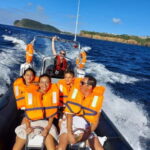
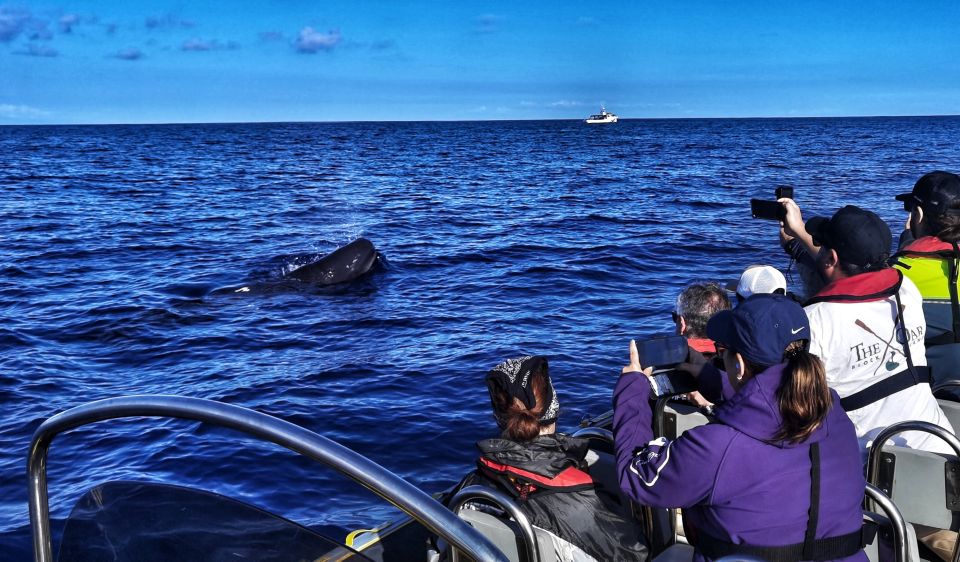
A Zodiac boat is made for speed and close contact with the action, not for slow, comfy sightseeing. That shows up immediately in how the ride feels.
The upside: you can move quickly between promising areas. That helps when you’re chasing animals that might surface, travel, and disappear fast. The downside: it can get chilly and wet. Multiple experiences describe the ride as exciting, and one common theme is splash risk—especially once clouds roll in and temperatures drop.
If you get sea sick easily, you’ll want to think about where you sit. One traveler advice was simple: sit closer to the front for a smoother ride feel when you’re worried about motion. Also, even with rain gear available on board (you may be able to borrow raincoats), it’s smart to bring warm layers because wind off the water can be a rude surprise.
Meeting at Marina de Angra do Heroísmo: where the tour starts
You meet at Marina de Angra do Heroísmo, at store Water4fun nº 2, next to Marina Grill by Quinta dos Açores. No hotel pickup is included, so plan to get there under your own steam.
That sounds basic, but it’s actually useful. You avoid the stress of waiting around for a pickup that depends on other hotels and traffic. On a fast-paced outing, getting to the marina on time helps you board without rushing your gear.
Practical tip: go in ready for weather. You’re going to spend time scanning the horizon, and that means standing around in wind at some point. Even if it’s sunny at check-in, conditions at sea can change quickly.
Monte Brasil spotting: how the crew finds whales before you even see them
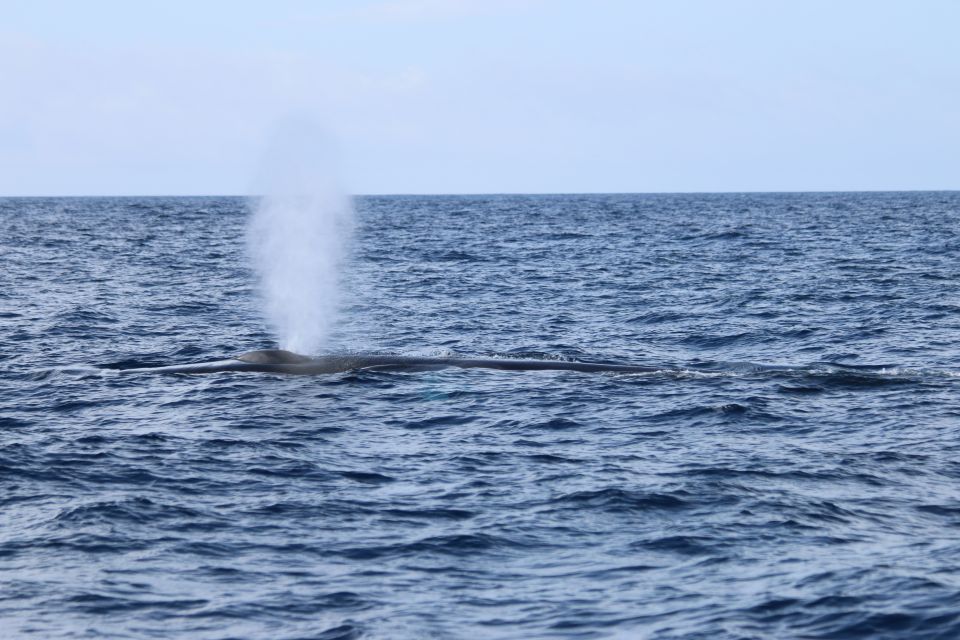
This is the secret sauce of the whole experience. The activity info explains that a whale spotter located at the top of Monte Brasil uses long-range binoculars to locate cetaceans. Then they guide the skipper using radio communication.
So instead of the boat being the only set of eyes, you’re getting a “two-location” hunt: shore-based scanning plus an on-water team ready to adjust quickly. That’s a big part of the advertised 90% sighting success rate.
This also changes the feel of the tour. When the guide starts talking about what they’re watching for—direction of movement, surfacing patterns, and where marine mammals might be feeding—you can connect the dots. The boat isn’t wandering. It’s being guided toward the best odds at that moment.
What actually happens once you’re out: the flow of searching and viewing
Even without a posted minute-by-minute schedule, you can expect the tour to follow a clear rhythm:
First, you head out from the marina and start searching. This is where the Zodiac’s speed matters. You’re looking for the first signs: surface activity, blowing, and movement that tells the spotters and skipper they’re in the right zone.
Then comes the viewing stage. When whales or dolphins are located, you’ll get a chance to watch. The emphasis is on seeing them clearly while keeping things respectful and controlled.
Finally, you return. Most tours like this feel like a cycle: scan, travel, confirm, watch, then reposition again if the sightings are active.
Also keep in mind that the “2.5 hours” duration is a target. One experience described staying out much longer—nearly 4 hours—when sperm whales were still being found and opportunities were too good to cut short. So if you’re the type who plans your entire day around a strict return time, build in a buffer.
You can also read our reviews of more whale watching tours in Sao Miguel Island
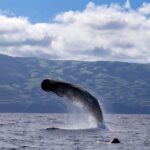
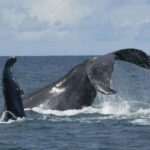
The wildlife you might spot (and what to look for)
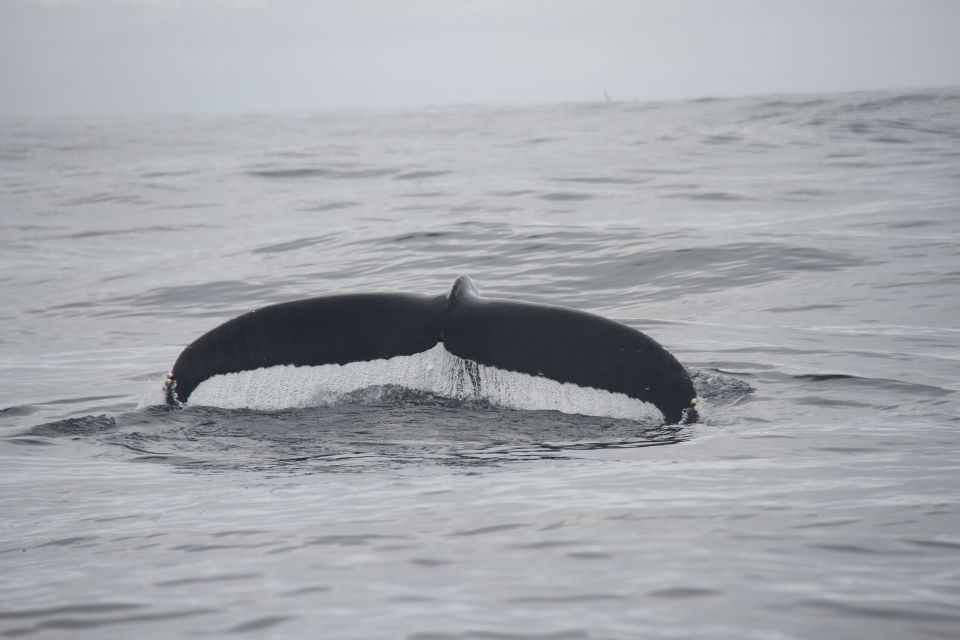
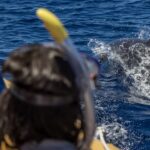
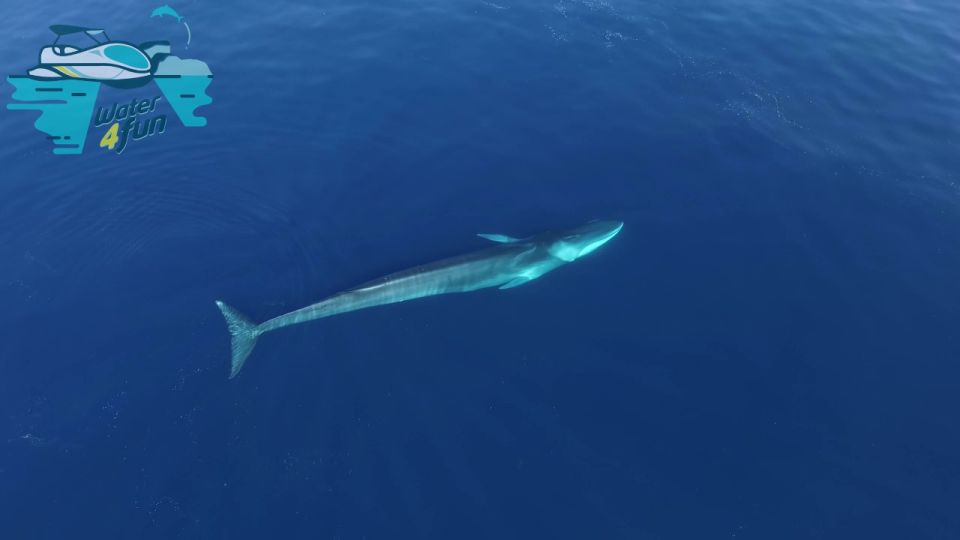
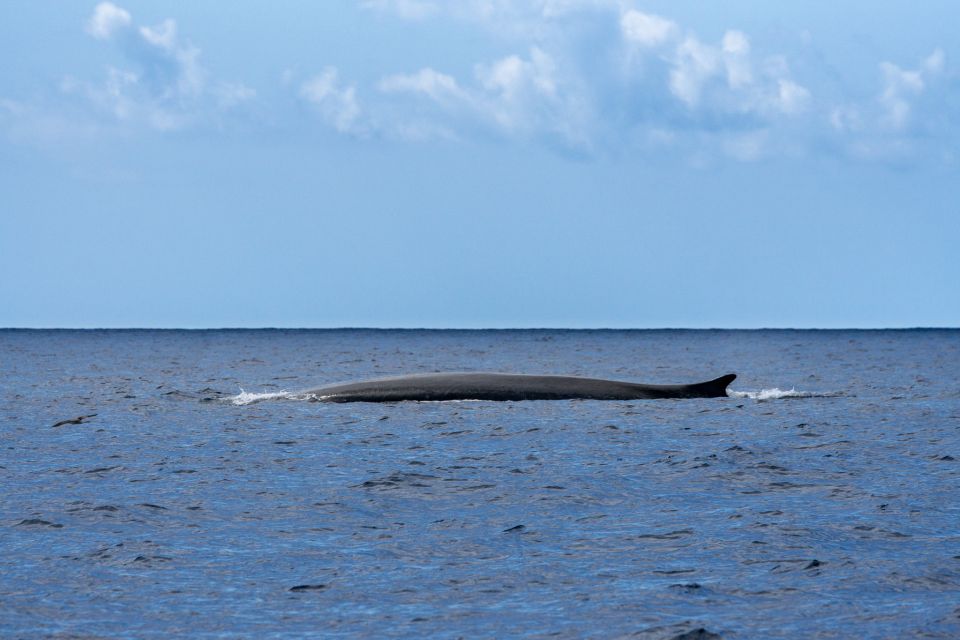
The Azores are famous for multiple kinds of cetaceans, and the sightings listed in experiences on this tour include everything from dolphins to large whales.
Here are common highlights from what’s been seen:
- Dolphins in multiple species (often the most likely “first win” early in the trip)
- False killer whales on at least one outing
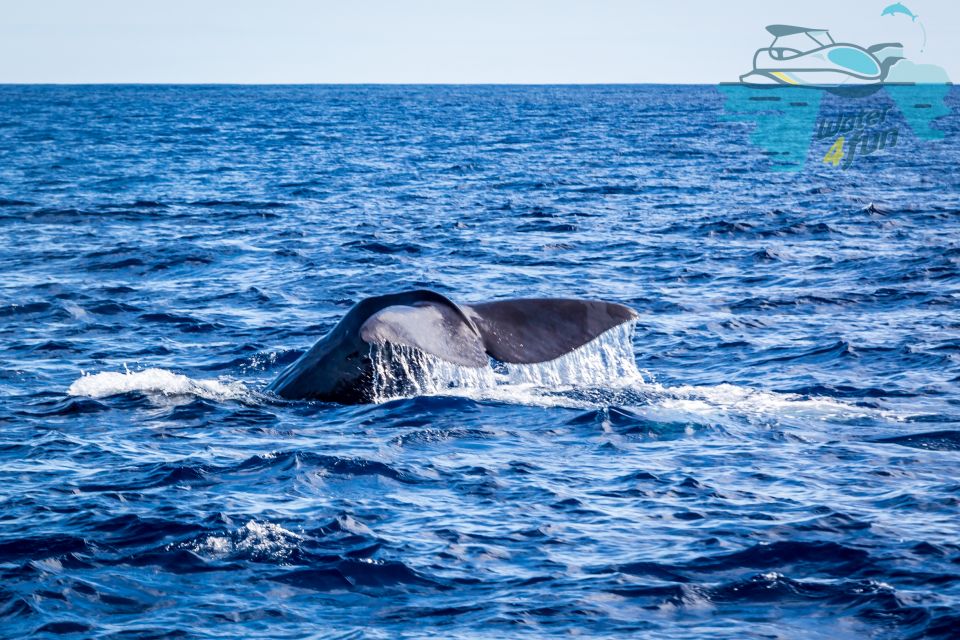
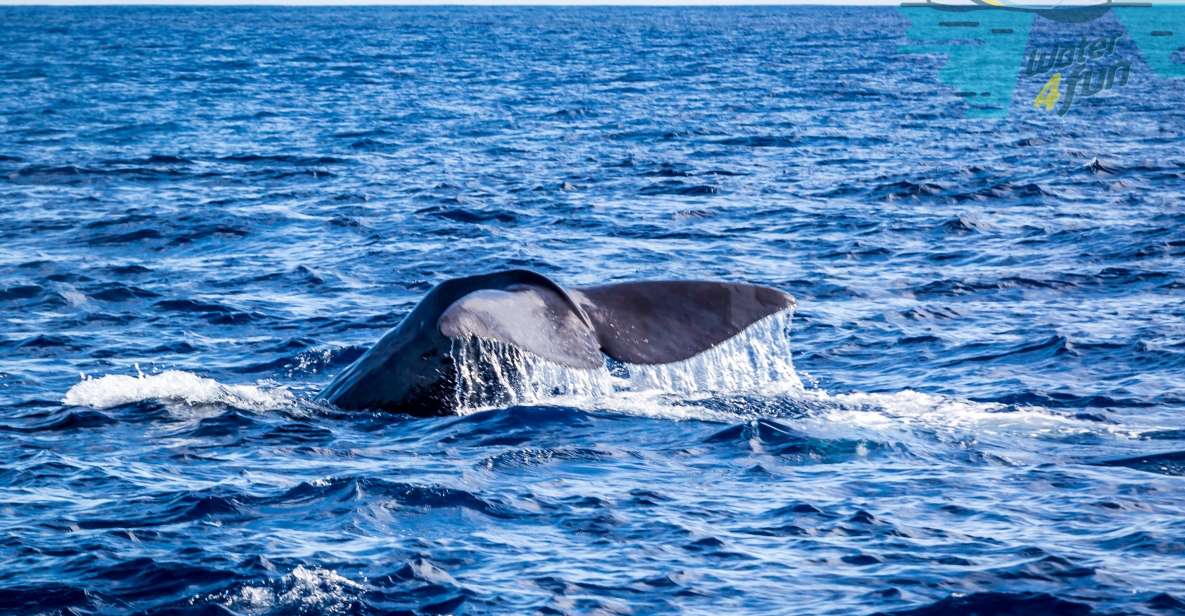
- Sperm whales, including moments where they’re spotted from far away first, then observed more closely
- Humpback whales on other days
- Blue whales have shown up on at least one experience
- Turtles and sea turtles, plus Portuguese man o war as occasional extras
You won’t control which species show up on your day, but you can control how you watch:
- Keep your eyes on the water line where a blow might appear.
- Let the guide’s explanations steer your attention. They’ll help you connect what you see to what’s likely happening in the water.
What I appreciate is that the tour experience doesn’t treat wildlife like a checklist. The guide is there to explain whales and dolphins and their environment, so you come back with context—not just photos.
Learning aboard: why the guide’s explanation changes the value
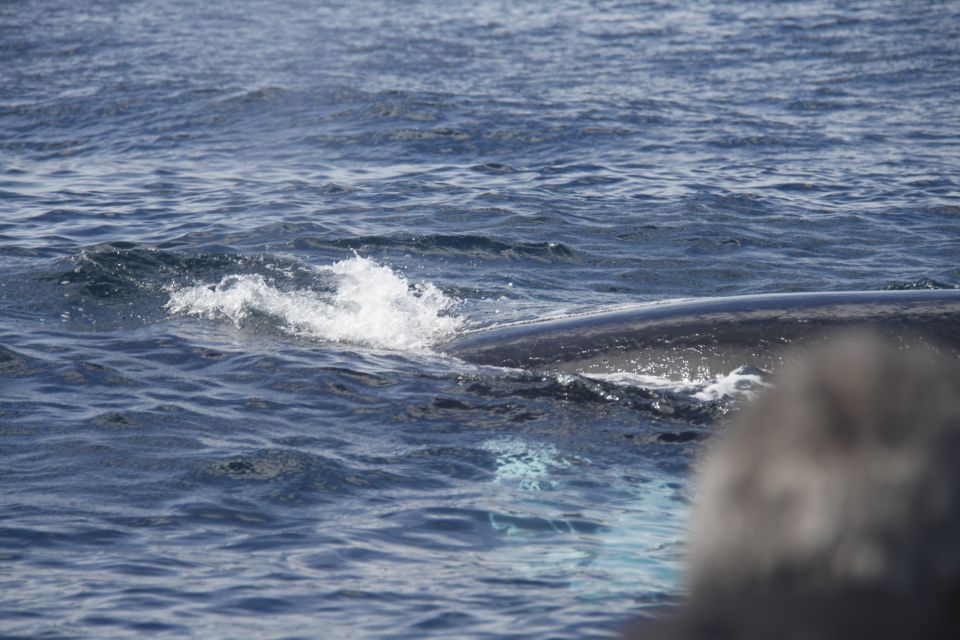
A whale-spotting outing can become repetitive if all you get is a rapid shout of there, there, there. This one is different because you get real talk about the animals and their setting.
The guide’s role matters most during those in-between moments, when you’re traveling to the next likely spot. That’s when you learn how to interpret what you’re seeing: why whales surface where they do, what dolphins might be doing around the boat area, and how the sea conditions affect visibility and animal movement.
Multiple experiences highlight energetic guides and clear explanations. One specific detail to remember: the tour is offered with live guiding in Portuguese, English, and Spanish, which helps if you’re traveling with family or mixed-language friends.
Safety and animal respect: the rules that make it feel right
You’re in a marine environment with living animals. That means how close the boat gets—and how the crew behaves—can make the difference between a good encounter and a stressful one for the animals.
The tone from past experiences emphasizes careful approach and keeping distance. You’re not trying to force an interaction. You’re trying to observe while the crew positions the Zodiac for good viewing and good sightlines.
There’s also a practical side to respect: safe navigation and controlled movement. One description notes fast searching with high-speed navigation, but at the same time people felt safe throughout. That mix—efficient searching with real safety—comes from professional operation and a skipper who knows how to move without creating chaos.
One extra detail I liked in the broader vibe: on at least one outing, someone even picked up plastic along the way. It’s not the reason you go, but it adds up to a crew mindset that cares about the ocean you’re borrowing for a few hours.
Comfort checklist: how to dress for a 2.5-hour Zodiac hunt
Because this is a Zodiac boat, comfort isn’t about cushions. It’s about staying dry-ish and warm enough to focus.
Based on what’s been described:
- Bring warm layers even if it looks mild in town.
- Expect spray. Rain gear may be available to borrow, but being prepared yourself is better than relying on it.
- If you feel motion sickness, consider sitting toward the front.
- Wear shoes you don’t mind getting damp. You’ll be moving around during boarding and viewing.
If you do one thing that improves your trip instantly, it’s this: dress for wind and wet, not for the comfort you’d expect on a street café terrace.
Price and value: is $82 worth it?
At $82 per person for a 2.5-hour whale and dolphin watching tour, the real question isn’t whether it sounds cheap or expensive. It’s whether you’re paying for a high-odds system and skilled spotting.
Here’s what you’re getting value for:
- The spotter system from Monte Brasil with binoculars and radio guidance.
- A guide on board who explains whales, dolphins, and their environment.
- Included insurance (so you’re not adding extra cost or worry).
- A Zodiac setup that’s designed to get you to sightings fast, not just to ride around politely.
Is it guaranteed that you’ll see a whale? No—one or two experiences still mention days when whales didn’t show up, even though dolphins were spotted. But if your priority is maximizing your chances in Terceira, this tour’s structure is built for that.
Also, food and drinks aren’t included. That’s not a deal-breaker, but it does mean you should plan your day so you’re not scrambling for water or snacks mid-tour.
Who this tour fits best (and who should skip it)
This tour is ideal if:
- You want a serious chance at whales and dolphins in the Azores.
- You’re comfortable with a fast, open-boat style outing.
- You enjoy learning on the water, not just taking pictures.
It’s not suitable for pregnant women, per the tour info.
If you’re traveling with kids, it can be a good match as long as you’re prepared for movement and weather. The short duration helps. Just remember: you’re out on the ocean, so bring layers and keep expectations realistic.
If you’re someone who hates any cold or wet and can’t handle wind, consider whether a Zodiac is your style. The payoff is real, but comfort is not the main feature.
Final call: should you book this Terceira Zodiac tour?
If your goal is to maximize your odds in a short window, I think this is an easy yes. The spotter + radio guidance approach gives you a stronger chance than the typical “let’s hope” boat trip. Add a guide who explains what you’re seeing, and you leave with more than memories—you leave with understanding.
Book it if you can handle a fast ride, weather changes, and the possibility of getting wet. Pack for that, sit toward the front if you’re motion-sensitive, and you’ll be set to enjoy the hunt.
If you’re very sensitive to cold, splash, or motion, you might be happier with a more comfortable water option in your travel style. For everyone else? This is exactly the kind of high-odds, high-energy wildlife experience Terceira is known for.
FAQ
How long is the whale and dolphin watching tour in Terceira?
The tour duration is listed as 2.5 hours.
Where do I meet for the tour?
The meeting point is Marina de Angra do Heroísmo, store Water4fun nº 2, next to Marina Grill by Quinta dos Açores.
What’s the price per person?
The price is listed as $82 per person.
What’s included in the tour price?
The tour includes the whale and dolphin watching tour, insurance, and a guide.
Is hotel pickup included?
No. Hotel pickup and drop-off are not included.
Can I cancel and get a full refund?
Yes. You can cancel up to 24 hours in advance for a full refund.