REVIEW · SAO MIGUEL ISLAND
Terceira: Half-Day Dolphin and Whale Watching Tour
Book on GetYourGuide →Operated by Picos de Aventura · Bookable on GetYourGuide
Whales and dolphins come up close fast. On Terceira, this Picos de Aventura boat trip pairs a clear cetacean briefing with real spotting work, so you understand what you’re seeing as you scan the waters.
I especially like the mix of up-to-27 species potential and the professional team doing the search. That turns your time on the sea from sightseeing into something smarter.
The only drawback to plan for: sightings depend on where the animals are that day. Even with a strong track record, you may get more dolphins than whales, or less time with a specific species.
In This Review
- Key things to know before you go
- From the dock: where your 3 hours starts
- The briefing that changes what you notice
- How the crew actually finds dolphins and whales
- What you might spot: up to 27 species, real variety
- A stop for scenery: Ilhéu das Cabras
- Sea conditions and comfort: pack for spray and wind
- Price and value: $70 for science-led spotting
- The real quality test: respect and professionalism
- Who should book this Terceira tour
- Should you book this tour?
- FAQ
- How long is the Terceira half-day dolphin and whale watching tour?
- How much does the tour cost?
- Where do I meet for the tour?
- What languages are available for the live tour guide?
- How many cetacean species can I expect to spot?
- What should I bring on the boat?
- Is free cancellation available?
- Can I reserve without paying right away?
- Will there be a guide and safety/ethics information before we leave?
Key things to know before you go
- Pre-boat ethics and safety briefing so you know how to observe responsibly
- Expert crew roles (skippers, biologists, lookouts) working together to find animals
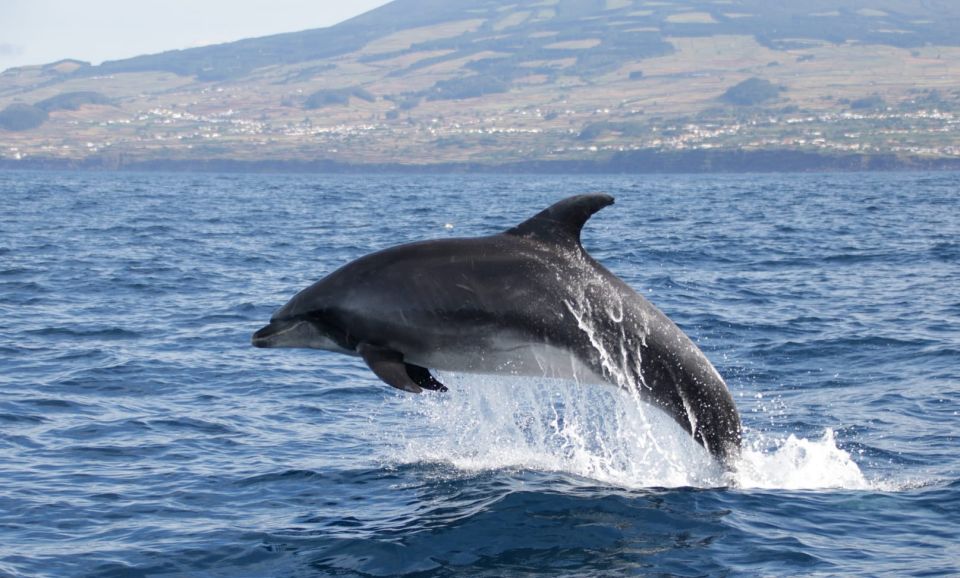
- High-odds cetacean viewing targeting up to 27 species in the Picos de Aventura area
- Coastline geology views that add value even on quieter sighting days
- Often strong guide energy—people call out clear explanations and excellent piloting
From the dock: where your 3 hours starts
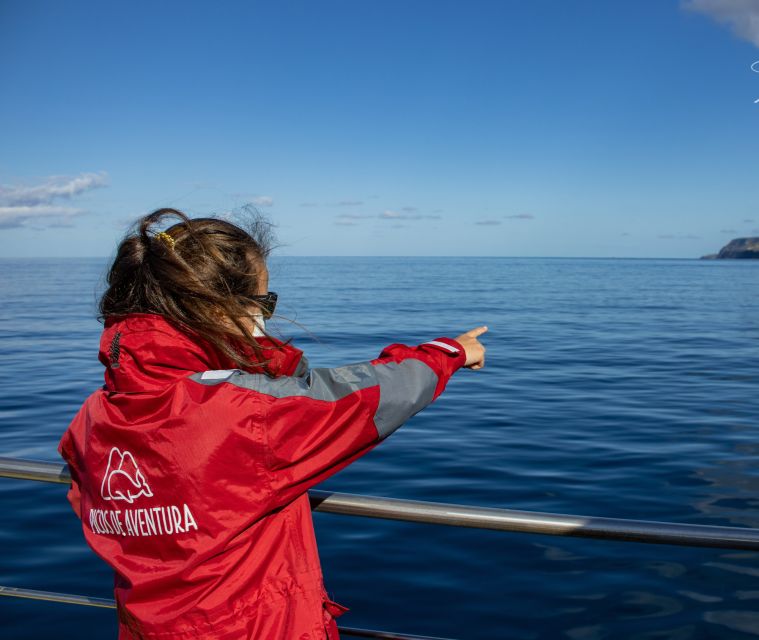
This tour meets at Picos de Aventura, Pátio da Alfândega, 9700-178 Angra do Heroísmo. I like meeting points like this because it keeps things simple: you’re in the right part of town, and you can focus on getting ready instead of decoding complicated instructions.
You’ll also notice early how the operation thinks like a sea team. You’re not just buying a ride. You’re joining a small ecosystem of skippers, lookouts, and science support. That matters because cetacean watching is equal parts patience and positioning.
If you’re the type who wants to minimize stress, this tour helps. It’s a 3-hour format, so you get a meaningful chunk of time on the water without turning the day into a half-day write-off.
You can also read our reviews of more whale watching tours in Sao Miguel Island
The briefing that changes what you notice
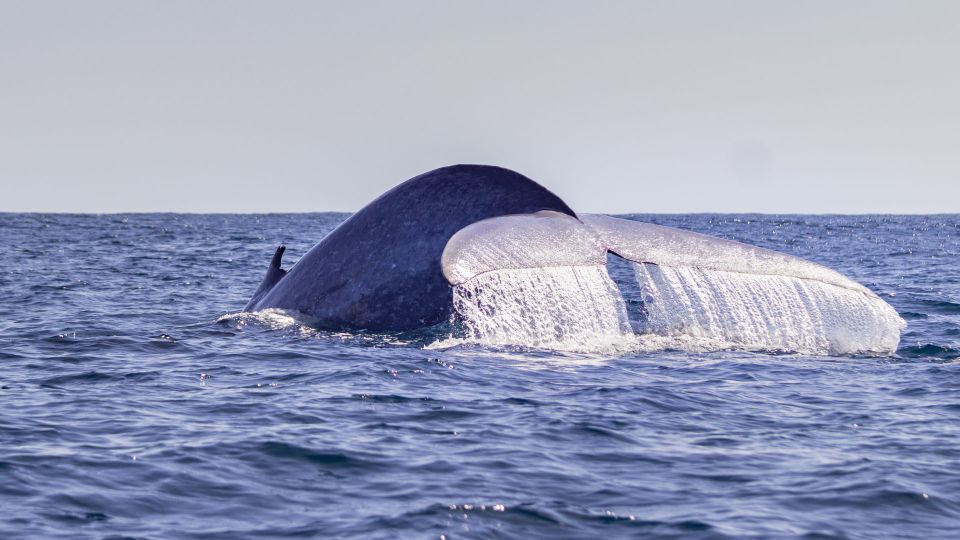
Before the boat heads out, you get a detailed cetacean briefing. This is not just, Here are whales, have fun. You’ll learn how sightings work, what the crew looks for, and the safety rules for being out on the water. You’ll also get the Azores code of ethics for observing marine mammals, which is a big part of why this tour feels responsible.
I love this kind of prep because it upgrades your eyes. Instead of staring blankly at open water, you start recognizing patterns: how animals surface, how groups move, and how the crew decides when to adjust course. People who ended up seeing sperm whales also highlighted how much better the trip felt once they understood what they were observing.
Quick tip: wear your hat and put on sunscreen early. The briefing happens before you’re soaked, but the sun can still hit fast once you’re underway.
How the crew actually finds dolphins and whales
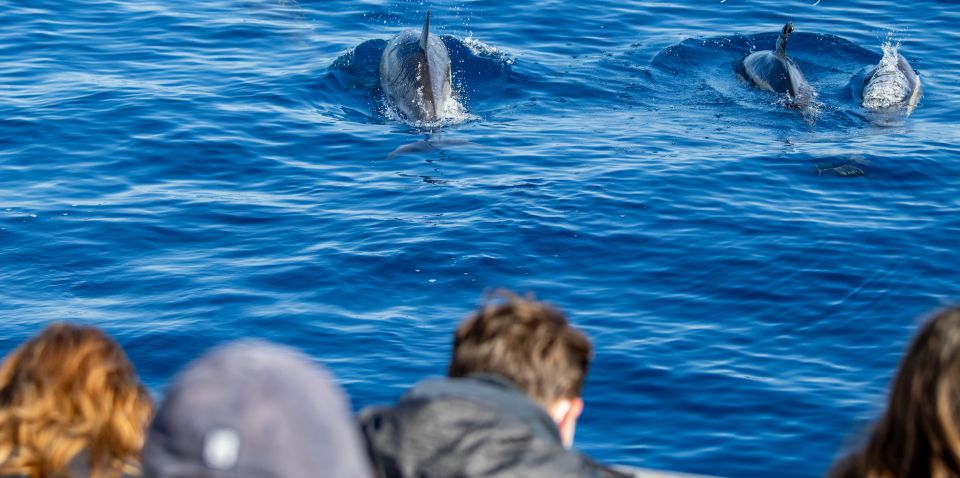
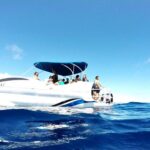
This is where the professional team earns their pay. The tour is built around the Picos de Aventura area, and the crew uses skippers, biologists, and lookouts in a coordinated way to locate animals. Lookouts scan, biologists provide the science context, and skippers handle the boat movements with safety in mind.
You’ll feel this teamwork most when you get a real sighting. One guide called out clearly made everyone feel safe even in choppy conditions, and another set of guides was praised for excellent piloting during rougher seas. That’s not a small detail. In whale watching, the best spotting plan can fall apart if the boat ride turns stressful.
Also, the crew isn’t just chasing animals. Multiple reports mention that the team kept behavior respectful toward marine life. On days when the animals were moving, the approach sounded like patience rather than pressure.
And yes, you might get some speedboat fun. More than one person mentioned the thrill of the turns and curves. Think of it as a quick reminder that you’re on a real boat at sea, not a calm aquarium tour.
What you might spot: up to 27 species, real variety
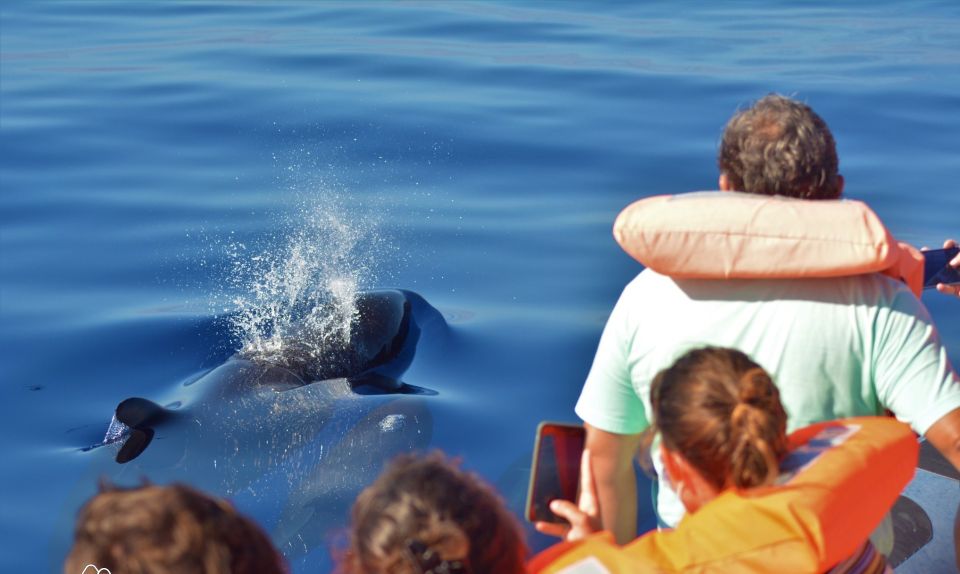
The big promise is the chance to observe up to 27 species of cetaceans. In practice, what you see depends on the animals that are available that day. But the sightings people reported give you a strong idea of the range.
Here are examples from actual outcomes on this route:
- Sperm whales, including days with multiple cetacean encounters
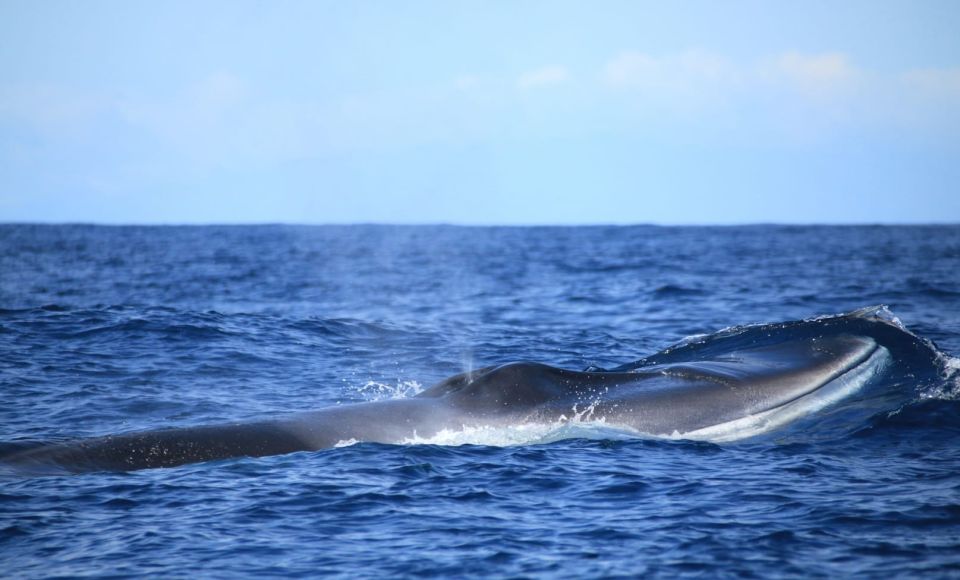
- Sei whale sightings (some trips went farther out to give people a chance)
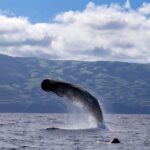
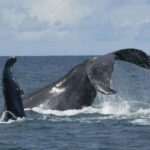
- Humpback whales and other dolphin species
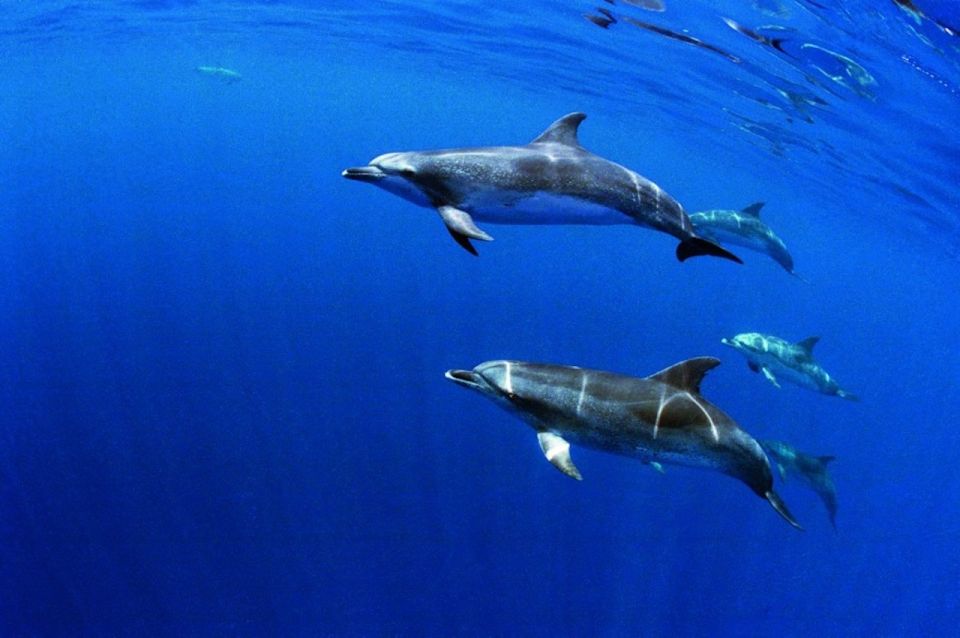
- Several dolphin species in one outing, sometimes in large numbers
- Occasional extra sightings like sea turtles
One detail I find encouraging: several people described the experience as educational and successful on the animal front. You’re not just hoping. You’re going with a system built for spotting and identification.
If you care about specific species, here’s the practical mindset: aim for the strongest combination of chance and science. The tour’s structure—briefing plus active searching—makes it more likely you’ll get a meaningful look, even if the exact species lineup changes.
A stop for scenery: Ilhéu das Cabras
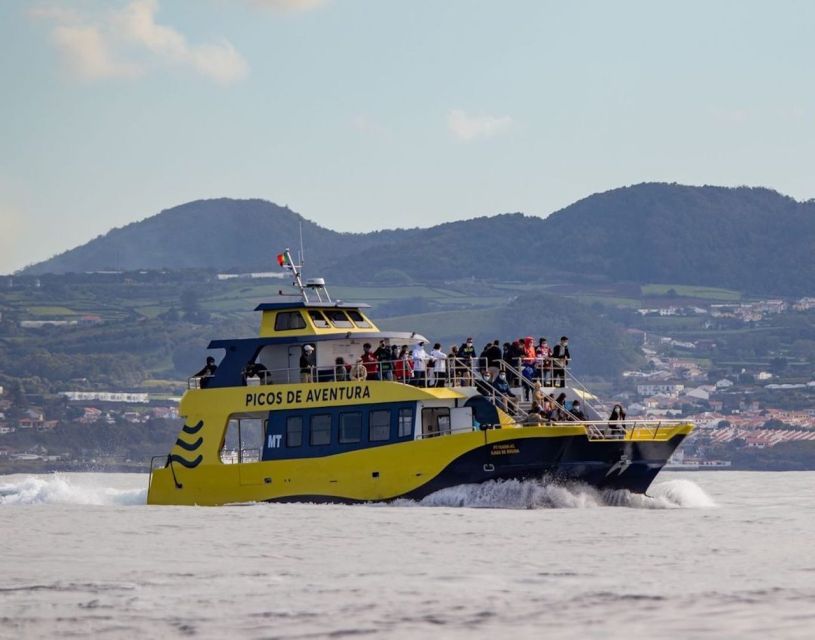
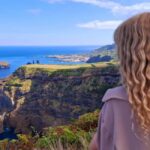
Even when whales are elusive, the trip can still feel like more than a drive-by. On at least one outing, the crew took people to Ilhéu das Cabras to appreciate the coastal scenery.
I like having a “value backup” like this. Sea days can flip fast. Conditions vary, animals move, and timing is everything. A scenery stop doesn’t replace wildlife sightings, but it does make the time feel used instead of empty.
Also, spotting days can be intense. You might spend time scanning the horizon, then suddenly the crew shifts focus to the coastline views and back again. That rhythm helps keep everyone engaged.
You can also read our reviews of more dolphin watching tours in Sao Miguel Island

Sea conditions and comfort: pack for spray and wind
You’re on the Atlantic. That means wind and spray are part of the deal. The tour’s pack list points you in the right direction: windbreaker, hat, water, and a waterproof bag.
Bring comfortable shoes because boarding and moving around on a boat can get slippery. If you have a sensitive stomach, plan ahead—one report notes guides handled seasickness with care and kept people feeling safe. That kind of calm leadership is worth its weight when waves pick up.
Swimwear and a towel are listed too. That usually signals you should be ready for splashes, wet decks, or optional water contact depending on conditions. Either way, you’ll be happier with the right dry backup plan.
And one more practical note: seas can be calm on some days. When they’re calm, sightings can feel almost effortless. When they’re not, your success still depends on the crew’s driving and your ability to stay comfortable enough to keep looking.
Price and value: $70 for science-led spotting
At $70 per person for a 3-hour tour, the value comes from three things you don’t get on cheap, barebones rides:
- A professional team that includes biologists and lookouts, not just a guide with a microphone
- A structured briefing on safety and ethics so you know how to observe
- Active search in a specific area, aiming for real odds rather than random cruising
Also, dolphin and whale tours are one of those purchases where “chance” is part of the price. What you’re really paying for is the probability plus the quality of interpretation. People specifically praised guides for both knowledge and enthusiasm, and for going out farther when it improved the chance of seeing a particular whale species.
Could you end up with a day that has dolphins but fewer whales? Yes. One person experienced a situation where whales had been in the area earlier, but the day’s outing brought mostly dolphins. The bright side is that the crew still worked hard—enough to satisfy people who went for whales and were thankful for what they did see and how the day was managed.
The real quality test: respect and professionalism
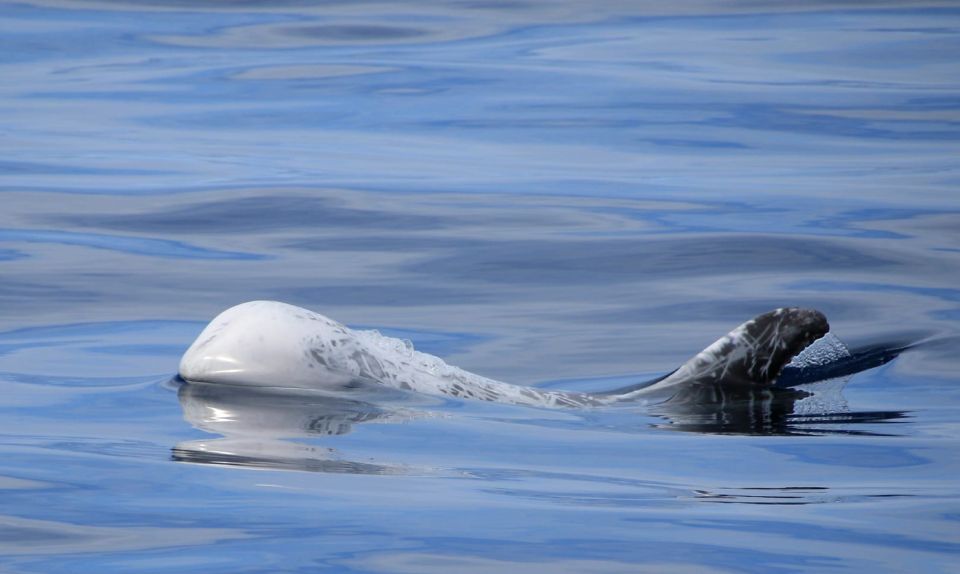
The most consistent praise points toward how the crew treats animals and people.
Multiple reports mention:
- respectful behavior around marine life
- guides who make everyone feel safe
- clear explanations about what you’re seeing
- staff who take extra steps to improve outcomes when possible
Even small details matter. One person noted the crew picked up trash from the water, which is the kind of practical conservation action that doesn’t feel performative. It fits the ethics-first briefing you get before departure.
If you’re picky about how animals are treated, this tour’s emphasis on observation codes is a big reason to consider it.
Who should book this Terceira tour
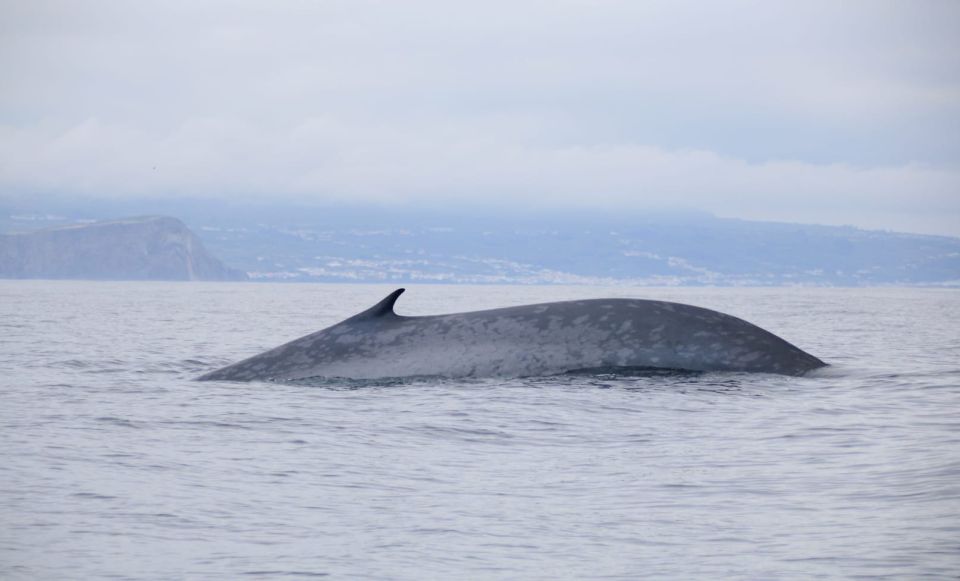
I think it’s a strong fit if you:
- want meaningful explanation alongside wildlife watching
- care about ethical viewing and safety
- like science-led experiences, not just scenery chasing
- want a half-day plan that still feels like a highlight
It may be less ideal if you:
- absolutely need to see whales to consider the trip a win
- get very uncomfortable on boats and don’t pack for wind and spray
- hate the idea that sightings can shift hour to hour (they can)
Should you book this tour?
Yes, if you can handle the nature of sea watching. The tour gives you a real advantage: a professional team with biology support, plus a briefing that teaches you how to observe responsibly and spot what’s out there.
Book it especially if you’re aiming for multiple dolphin species and possibly bigger whales like sperm whale, sei whale, or humpback. The combination of high-odds sightings and strong guide performance is the reason the rating stays high.
Before you go, do two things:
1) Pack what the tour asks for—windbreaker, hat, water, waterproof bag, and towel.
2) Go in with the right mindset: you’re watching wildlife in motion, not collecting a guaranteed checklist.
If you do that, you’ll likely come back with clear memories and better instincts for what to look for the next time you’re staring out at open water.
FAQ
How long is the Terceira half-day dolphin and whale watching tour?
The tour duration is 3 hours.
How much does the tour cost?
It is $70 per person.
Where do I meet for the tour?
The meeting point is Picos de Aventura, Pátio da Alfândega, 9700-178 Angra do Heroísmo.
What languages are available for the live tour guide?
The live tour guide is available in Portuguese, English, and Spanish.
How many cetacean species can I expect to spot?
The tour highlights the chance to observe up to 27 species of cetaceans in the Picos de Aventura area.
What should I bring on the boat?
Bring comfortable shoes, a windbreaker, a hat, swimwear, a towel, sunscreen, water, and a waterproof bag.
Is free cancellation available?
Yes. You can cancel up to 24 hours in advance for a full refund.
Can I reserve without paying right away?
Yes. There is a reserve now & pay later option, so you can book a spot and pay nothing today.
Will there be a guide and safety/ethics information before we leave?
Yes. You’ll get a live briefing covering cetaceans, sighting methods, safety rules, and the codes of ethics for observing marine mammals in the Azores.