REVIEW · PORTO
Charm cruise in Porto with wine tasting
Book on Viator →Operated by Douro Captain · Bookable on Viator
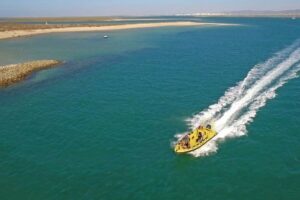
Porto looks different from the river. This small-group charm cruise runs from Douro Marina in Afurada and strings together iconic bridges and waterfront architecture with a glass of wine in hand.
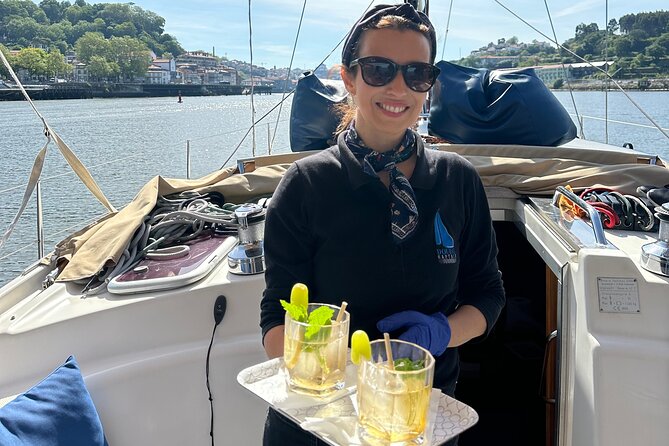
I especially like how the boat keeps things personal. With a maximum of 8 travelers, the guide can actually explain what you’re seeing without rushing you.
My other favorite part is the human touch: the crew is friendly, and the wine tasting feels planned, not thrown together. Guides such as Francisco and George (plus names like Ricardo and Eric show up too) make it easy to ask questions and get smart local pointers.
One thing to consider: this experience is not recommended for people with reduced mobility.
In This Review
- Key things to know before you go
- Porto from Afurada: the 2-hour charm cruise setup
- Arrabida Bridge (1963) and the Rosa Mota Pavilion ceiling
- Porto Customs to Gaia dock life: why the river tells the wine story
- The Luis I Bridge moment and Ribeira do Porto houses
- Douro estuary views toward Rio and Foz do Douro
- Wine tasting on deck: how to enjoy it without slowing down
- Price and group size: why about $70.70 can make sense
- What to bring, weather reality, and mobility considerations
- Should you book the Porto charm cruise with wine tasting?
- FAQ
- How long is the Porto charm cruise with wine tasting?
- Where do we meet, and where does the tour end?
- Is the tour in English?
- How big is the group?
- Is wine tasting included?
- Is the cruise accessible for people with reduced mobility?
- Are service animals allowed?
Key things to know before you go
- Max 8 travelers means more conversation and a calmer pace on the water
- English-speaking service makes the stories and wine tasting easier to follow
- A focused route links Afurada, Gaia, central Porto, and out toward the Douro estuary
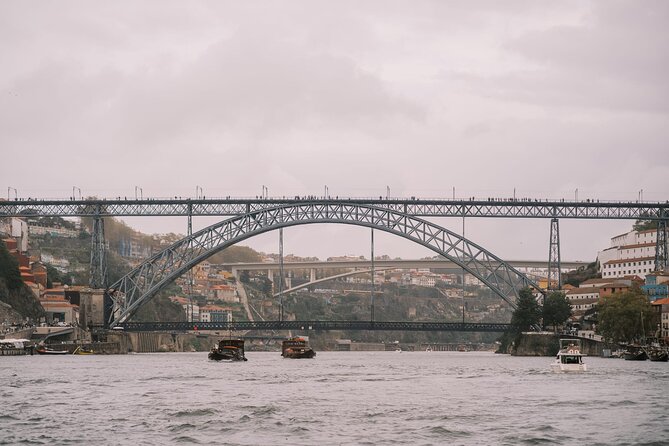
- Real Porto landmarks from the river include Arrabida Bridge (1963) and the Luis I Bridge
- Wine tasting is part of the cruise, not a separate add-on
- Dress for cooler air on the water; blankets may be provided
Porto from Afurada: the 2-hour charm cruise setup
You meet in Vila Nova de Gaia at R. da Praia 430, right near the Douro Marina area in Afurada. It’s a good starting point because you’re already on the right side of the water for the views that matter, and you avoid the stress of crossing the city just to get to a decent viewpoint.
From the first stretch, you get a feel for what this cruise does well: it’s not a long, checklist boat ride. It’s more like a guided loop where each turn has a “watch this” reason. Expect about 2 hours and 10 minutes on the water, and enough time to feel relaxed without falling into that late-day, drag-it-out feeling.
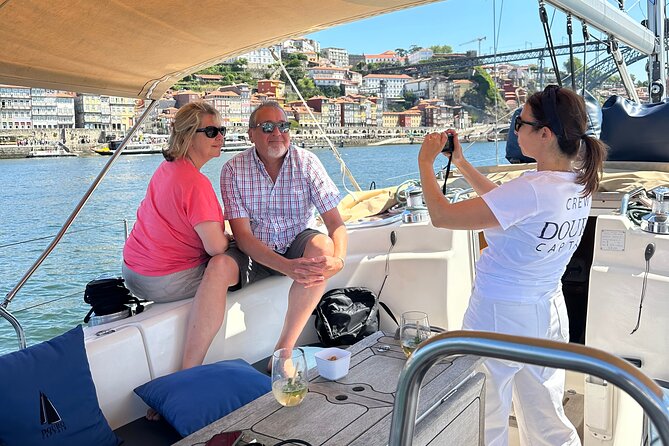
The small size is more than a nice-to-have. When there are only up to 8 people onboard, the guide can pause for questions, help you line up photos, and explain how the city’s geography shapes the wine life in Gaia and Porto.
You can also read our reviews of more food & drink experiences in Porto



Arrabida Bridge (1963) and the Rosa Mota Pavilion ceiling
Early on, you pass the concrete bow of the Arrabida Bridge, built in 1963. From land, that bridge can look like just another piece of infrastructure. From the river, it becomes a strong visual line that helps you understand where Porto’s layout bends and why boats feel so central to the whole region.
Then comes one of those “how do they even spot that?” moments. You’ll enjoy the river’s crystal garden area while you can see the ceiling of the Rosa Mota Pavilion. It’s a neat reminder that the waterfront isn’t only about boats and warehouses. There’s design detail everywhere if you know where to look.
Practical tip: if you’re the kind of person who likes photos, pick a side early and stick with it. Boat positions can change slightly as you travel, and you’ll want clean sightlines when the guide says something like, “Look up here.”
Porto Customs to Gaia dock life: why the river tells the wine story
As you continue, you’ll see the Porto Customs building, now used as a conference and exhibition center. That switch in use is exactly what makes this kind of cruise valuable. You’re not just seeing pretty scenery. You’re seeing how old trade infrastructure has been repurposed while still sitting in the same powerful river setting.
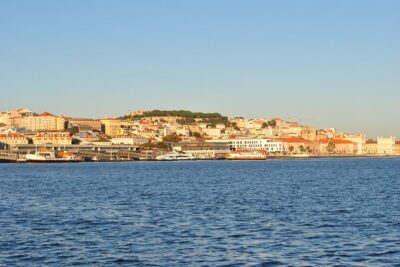
Next you reach Cais de Gaia. This is the “wine and boats” pocket of the route. You’ll contemplate the historic area where Porto wine cellars are part of the skyline, and you’ll get a look at the Rabelo boats along the shore. Even if you don’t know the names of the wine styles yet, you’ll understand the logic quickly: Porto wine moved by water, and the river is still the stage.
One small drawback to keep in mind: you’re viewing from the water, so you won’t be walking into any cellar. If you want to go deep with tastings or a full warehouse visit, you’d pair this with a separate land-based tour. The cruise is best as the big-picture, orientation-style experience.
The Luis I Bridge moment and Ribeira do Porto houses
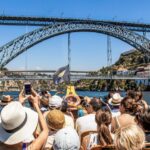
When the Luis I Bridge comes into view, it hits that classic “okay, that’s why people photograph this” feeling. From the water, the bridge isn’t just a landmark. It becomes a moving frame that connects the Gaia side to Porto’s older neighborhoods.
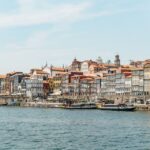
After that, you head toward Ribeira do Porto, which you’ll see from the water as a must-see area with unique construction houses. This is one of those places where the buildings look charming and historic from a distance, but the boat perspective helps you understand the scale and the closeness of the river life. The facades feel closer. The waterfront activity feels more believable.
Here’s the practical value: you’ll start recognizing what you later want to revisit on foot. After you’ve seen Ribeira from the river, it’s easier to plan a walking route later without guessing where the best angles are.
If you’re traveling with someone who gets impatient on “just scenery,” this section usually works well. Bridges and riverfront architecture give everyone something to look at, even if they don’t care about wine.
Douro estuary views toward Rio and Foz do Douro
The last stretch leans into the wider water. You’ll enjoy the Douro estuary and the surrounding area, including Rio and Foz do Douro. This is where the cruise shifts from city “tight visuals” to open-water “wow, the region is big.”
You might also catch the feeling that the Douro’s journey is heading outward. One review-style highlight described sailing out toward the ocean at sunset. Since your route includes the estuary area, it’s fair to say you can hope for that golden-hour mood on departures timed near evening. If you’re booking for sunset specifically, just make sure you pick a departure time that matches your goal.
Tip for comfort: open-water sections can cool you down fast. Even in mild months, a light layer helps. If you forget, you may be able to rely on blankets onboard, depending on what’s provided that day.
You can also read our reviews of more boat tours in Porto
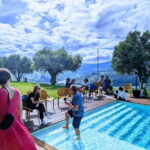
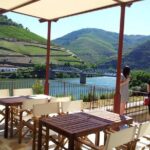
Wine tasting on deck: how to enjoy it without slowing down
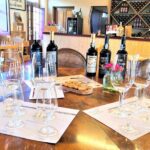
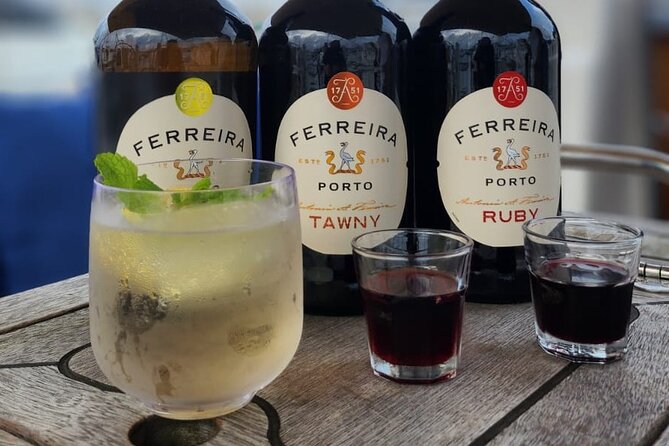
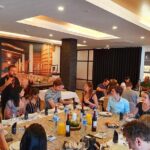
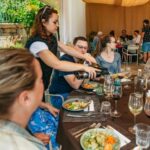
Wine tasting on a cruise can go one of two ways: either it feels like an afterthought, or it’s integrated into the experience. Here, it’s clearly treated as a real part of the trip. The tasting is described as great and ample, which matters because nobody wants a “token sip” while the best views happen.
You can also use the tasting to get more meaning out of what you’re seeing. When you watch Rabelo boats and imagine wine cellars along the shore, the wine becomes connected to the landscape you’re floating through. You’re not memorizing facts for later; you’re building context in real time.
How to make it easy:
- Ask the guide what you’re tasting and what to look for in flavors.
- Take your time with the first pour, then focus on photos as the route moves.
- If you’re sensitive to taste-by-taste explanations, let the guide know you prefer shorter answers. With a small group, you can often get a better pace.
And because this is Porto’s wine culture, expect that the guide’s local talk will mix in history and practical wine life. Even if you’re not a hardcore wine person, you’ll come away with at least a few new ideas about why Porto wine is so connected to the river.
Price and group size: why about $70.70 can make sense
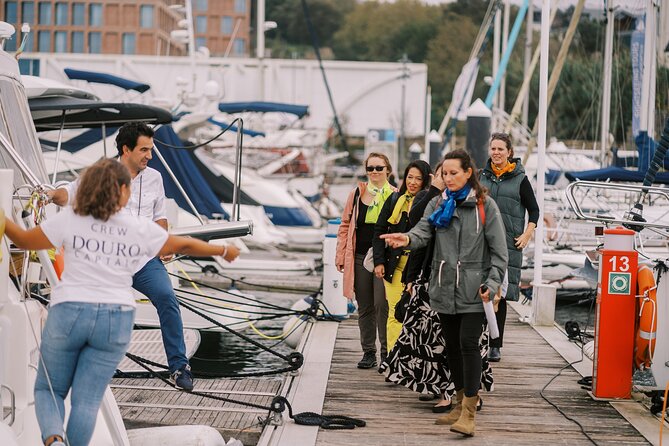
At $70.70 per person, you’re paying for three things that usually cost extra when they’re separate: a guided waterfront cruise, access to prime viewpoints, and the wine tasting itself.
Does that mean it’s the cheapest option in Porto? Probably not. But with a max of 8 travelers, it doesn’t feel like you’re buying a mass-transport experience. You’re buying a tighter, more flexible tour where the crew can talk to you, and where the experience doesn’t depend on you being able to hear above engine noise for long stretches.
If you’re deciding between this and a land-only tour, think about value differently:
- If you want great views without spending half your day repositioning across town, the boat time is your shortcut.
- If you want wine to be part of a story (not just a stop), the tasting feels more grounded.
- If you’re the kind of traveler who enjoys small boats and good guiding, the price starts to feel fair.
What to bring, weather reality, and mobility considerations
This cruise requires good weather. That doesn’t mean it runs like a sunshine-only fantasy, but it does mean you should plan for the possibility of adjustments if conditions are poor.
Pack for the water:
- A jacket or warmer layer. The river breeze can be cooler than you expect.
- Comfortable shoes if you need to walk to the meeting area.
- If you get cold easily, you’ll likely appreciate the fact that blankets may be provided onboard.
Now, mobility: this one is not recommended for people with reduced mobility. That’s important. Boats can involve steps, uneven access points, and movement that’s harder to manage than a flat walking tour.
If your group includes anyone with mobility needs, it’s worth deciding early so you don’t end up stressed at the dock. The small group size can’t fix accessibility limits.
Should you book the Porto charm cruise with wine tasting?
I’d book it if you want a short, guided Porto experience that uses the river as your main viewpoint. It’s ideal for first-timers who need orientation fast, and it’s also a strong “second visit” move if you’ve already walked the streets and want the city from a new angle.
Book it especially if:
- You like bridge and waterfront views and want them explained.
- You want wine tasting without doing a separate, extended winery day.
- You prefer a smaller group where guides can tailor their answers.
Skip it (or at least think twice) if:
- You have reduced mobility needs.
- You want a walking tour with lots of time on land. This is about seeing, tasting, and riding, not roaming.
If you’re choosing between “a long day” and “a smart, scenic couple of hours,” this one fits nicely. You’ll leave with Porto’s major river landmarks in your head, plus wine context that makes the waterfront feel like more than a postcard.
FAQ
How long is the Porto charm cruise with wine tasting?
It lasts about 2 hours and 10 minutes.
Where do we meet, and where does the tour end?
You meet at R. da Praia 430, 4400-354 Vila Nova de Gaia, Portugal, and the experience ends back at the meeting point.
Is the tour in English?
Yes, the experience is offered in English.
How big is the group?
The cruise has a maximum of 8 travelers.
Is wine tasting included?
Yes. Wine tasting is part of the experience.
Is the cruise accessible for people with reduced mobility?
It is not recommended for people with reduced mobility.
Are service animals allowed?
Yes, service animals are allowed.