REVIEW · SAO MIGUEL ISLAND
Angra do Heroísmo: Walking Tour with Local Pastry and Coffee
Book on GetYourGuide →Operated by ProIslandTour-passeios turísticos Lda · Bookable on GetYourGuide
Terceira comes alive on foot. This Angra do Heroísmo walking tour threads together the city’s UNESCO-worthy sights with a real local guide, like Dora or Carolina, who explains what you’re looking at instead of tossing facts at you. I like that the story feels tied to daily life on the islands, not just monuments on a map.
What I really enjoyed most is the mix of stops: you go from the art-filled Palácio Capitães Generais to the striking blue-and-white Igreja da Misericórdia, then end with big-city views at Alto da Memoria. The included coffee break gives you time to slow down too, with a typical sweet called Dona Amélia plus 25 minutes of free time.
One thing to plan for: this city is not flat. You’ll do plenty of up-and-down hills, so bring comfortable shoes and expect a workout; it’s also not suitable for people with mobility impairments.
In This Review
- Key highlights you’ll actually remember
- Why Angra do Heroísmo feels different when you walk it
- Meeting at Jardim José Agostinho: show up ready to start
- Palácio Capitães Generais: from Jesuit college to art rooms
- Sé Catedral and Igreja da Misericórdia: the blue-and-white contrast
- Getting your bearings with market time and a real coffee break
- Teatro Angrense: the 19th-century stage you pass with purpose
- Jardim Duque da Terceira and Alto da Memoria: viewpoint payoff
- How hard is this walk really?
- Price and value: why $53 makes sense (if you like structure)
- Best guide energy: Dora and Carolina are worth planning around
- Who should book this tour, and who should skip it
- Should you book this Angra do Heroísmo walking tour?
- FAQ
- How long is the Angra do Heroísmo walking tour?
- Where exactly do we meet?
- Is there hotel pickup?
- What is included in the price?
- What should I bring for this tour?
- Is the route flat?
- Which languages are the live guides?
- What stops are the highlights?
- Is there time for coffee and a pastry?
- Is the tour suitable for people with mobility impairments?
Key highlights you’ll actually remember
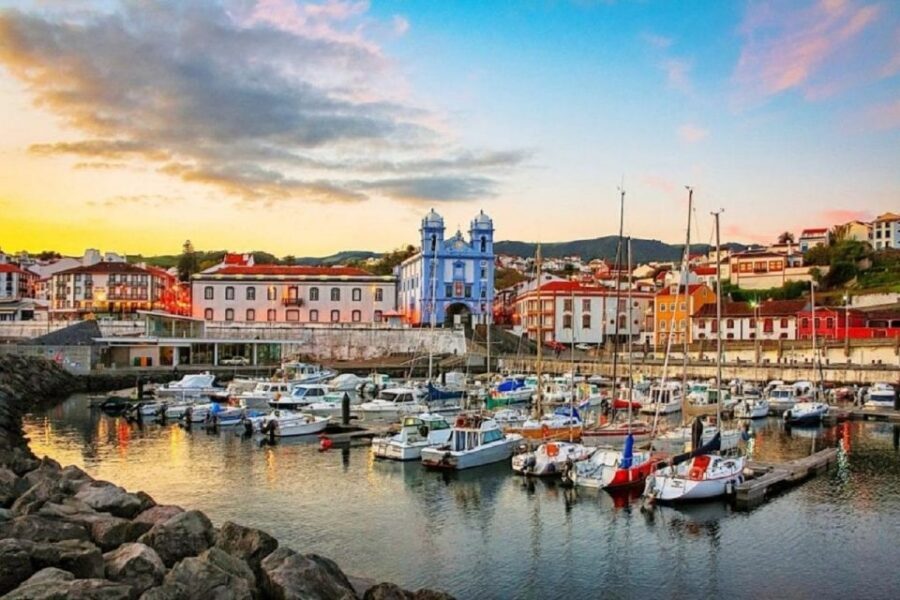
- Local guide storytelling (Dora and Carolina come up again and again) that turns landmarks into context
- Palácio Capitães Generais inside access, where the former Jesuit college connects to art
- Sé Catedral and Igreja da Misericórdia in one route, with standout white-and-blue architecture
- Dona Amélia + coffee stop with a clear 25-minute window to recharge
- Jardim Duque da Terceira and Alto da Memoria for viewpoints that close the loop on the city’s geography
- Optional hotel pickup/drop-off for easier logistics if you’re staying nearby
Why Angra do Heroísmo feels different when you walk it
Angra do Heroísmo (on Terceira, Azores) has that rare quality of being walkable without feeling like you’re sightseeing in circles. In about three hours, this route hits both the “big name” buildings and the smaller turns that help you understand how the city is built on hills.
I like that the tour keeps you moving through the historic center at a human pace. You’re not just staring upward at façades; you’re also learning what each place meant to the city and who would have used it over time.
And because it’s a UNESCO World Heritage Site, you get a sense that the layout matters. This is one of those places where your route becomes part of the experience.
You can also read our reviews of more walking tours in Sao Miguel Island

Meeting at Jardim José Agostinho: show up ready to start
You meet at Jardim José Agostinho, at the end of a small garden area where there are several kiosks. Your guide’s kiosk is the last one on the right when you look from the road.
The tour can start on time, so arrive a little early with a quick plan in mind: get your bearings, top up your water if you want extra, then be ready for the first climb out of the meeting area. In practice, a few guests have needed help finding the correct kiosk, so giving yourself slack at the start is worth it.
If you booked hotel pickup, you’ll wait at the hotel lobby or outside your hostel (where pickup is stated as optional). If not, just go straight to the kiosk meeting point.
Palácio Capitães Generais: from Jesuit college to art rooms
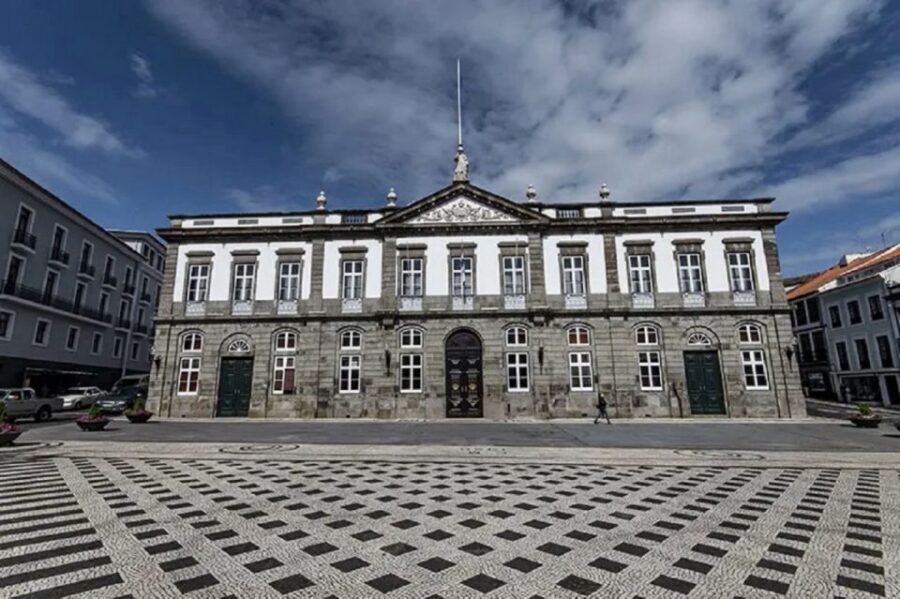
One of the strongest moments in the tour is going inside Palácio Capitães Generais. This building is the former Jesuit college, and today it houses valuable works of art—so you’re not just seeing architecture from the outside.
What you’ll like here is the way the guide frames the place. You’ll see the palace as a turning point in what the building used to be versus what it serves now. For me, that kind of inside context makes a big difference, because it stops the visit from feeling like a quick look-and-go stop.
Time-wise, this is one of the stops that helps justify the “walking tour” label. It gives you something concrete to pause for, not just photos at corners.
Sé Catedral and Igreja da Misericórdia: the blue-and-white contrast
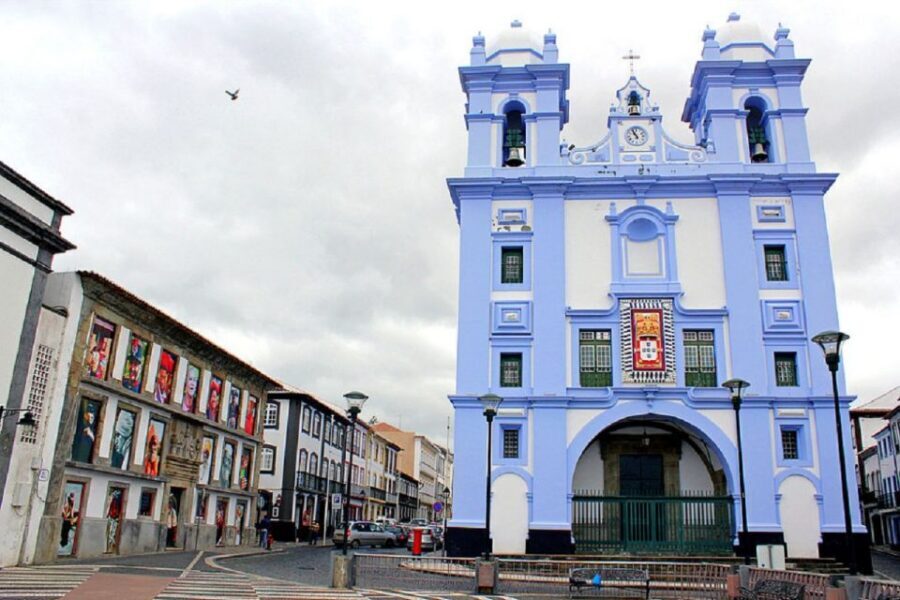
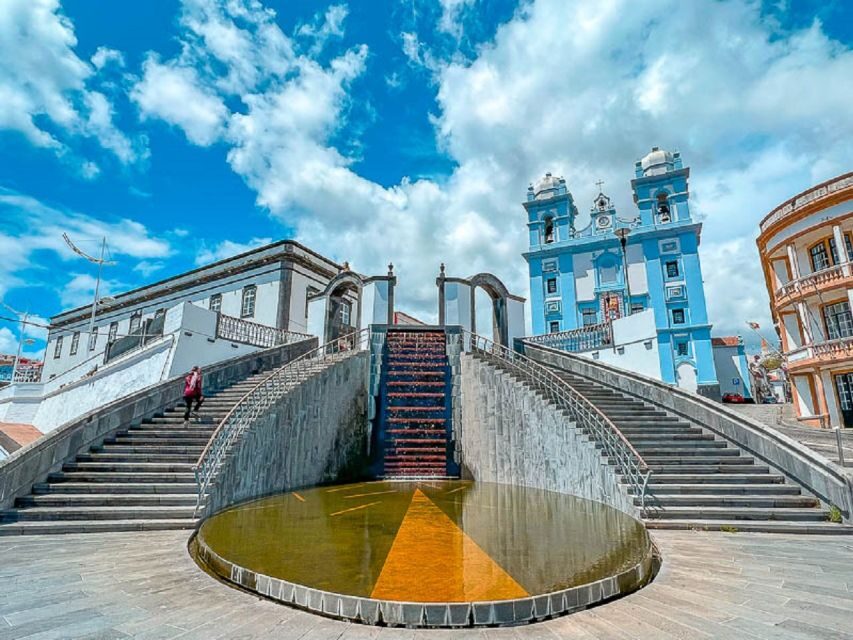
After Palácio Capitães Generais, the tour shifts toward the religious heart of Angra. You’ll visit Igreja da Misericórdia, known for its striking white and blue façade. That color combo is hard to forget once it’s in front of you—especially in the softer light that often comes through Azorean weather.
Then you’ll head to Santíssimo Salvador da Sé, the cathedral of Angra do Heroísmo. This is one of the reasons Angra is such a satisfying city to walk: the spiritual landmarks aren’t isolated. They sit along your path so your route feels like it’s building a story.
Also expect the guide to tie the buildings to the city’s past—so the stops feel intentional, not random.
Getting your bearings with market time and a real coffee break
A nice detail: the route goes through the Duke of Bragança market, so you get a pulse of everyday city life mixed in with the monuments. It’s not a long market detour, but it breaks up the heavy-hitter buildings and gives you a chance to look at how people move through the city.
Then comes the tour’s included pause that’s actually built for enjoyment, not for convenience. You’ll stop at a pastry shop for 25 minutes of free time to have coffee and taste a typical sweet called Dona Amélia (included), plus you’ll receive bottled water.
This part matters for two reasons:
- You’re likely climbing and walking on uneven changes in grade, so the break helps you keep the rest of the tour comfortable.
- It’s your chance to reset your brain after churches and palaces start blending together visually.
If you’re the type who likes one good local pastry and then moving on, this stop is perfect. You don’t need to make it a long meal to get value.




Teatro Angrense: the 19th-century stage you pass with purpose
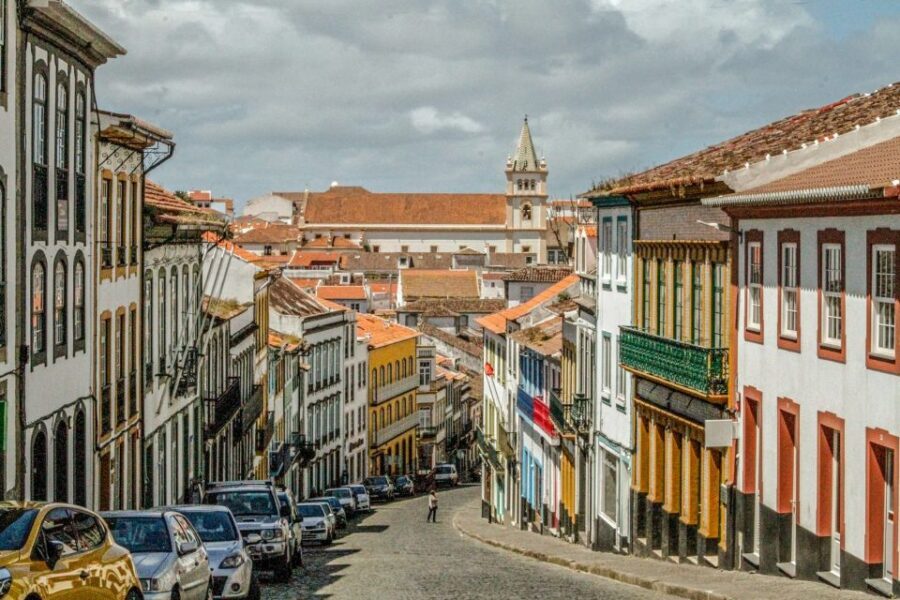
After the coffee break, you’ll follow the route to Teatro Angrense, a 19th-century building connected to the island’s theater groups and major representations nationwide.
This stop is a nice shift in tone. You’re moving from sacred spaces and formal architecture into the arts and community side of the city. Even if you don’t attend a show, seeing where performances happen gives you a better sense of what “culture” means on Terceira beyond museum labels.
Jardim Duque da Terceira and Alto da Memoria: viewpoint payoff
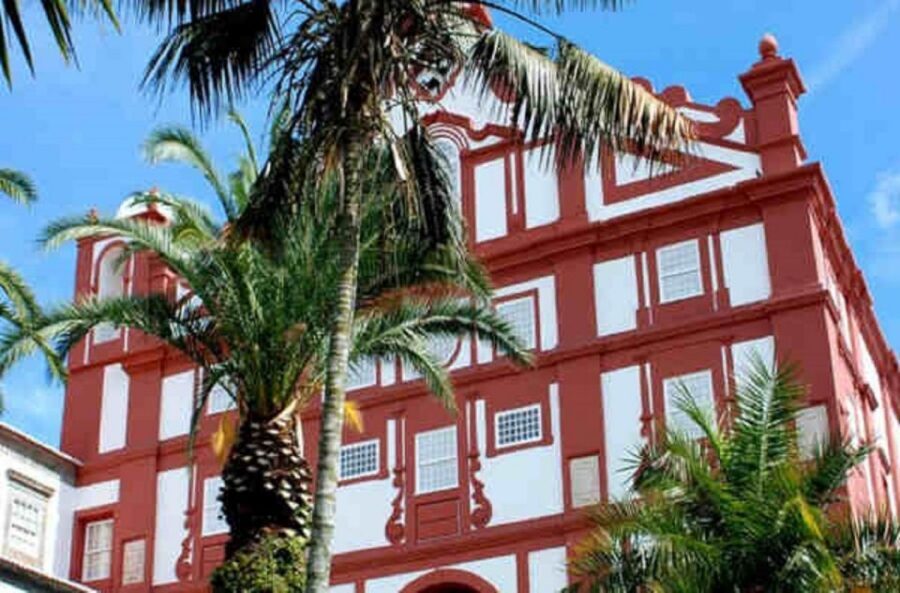
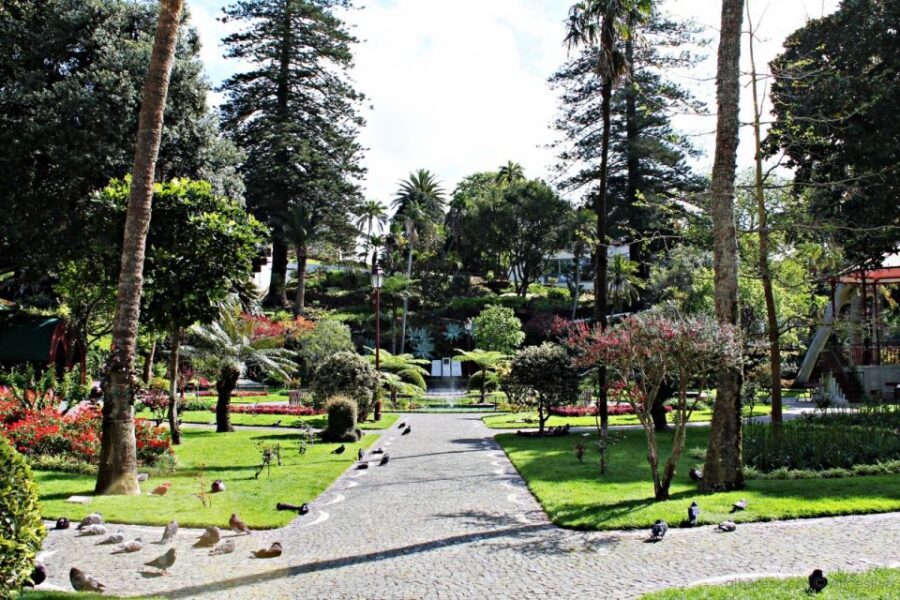
The tour ends with the kind of payoff that makes hill cities worth it: Jardim Botanico (Duque da Terceira garden), followed by Alto da Memoria, also referred to as Memory of D. Pedro IV.
This is where the route shifts from “here’s the building” to “here’s why the city is laid out this way.” You’ll ascend toward Alto da Memoria, and you get the feeling that the city’s streets and elevations are part of its identity.
If you’ve ever left a walking tour with good photos but little sense of geography, you’ll appreciate this finish. The last stretch gives you a reason to look outward, not just at façades.
Just remember: the climb is part of it. Good shoes and a light windbreaker will help you enjoy the view rather than just endure the steps.
How hard is this walk really?
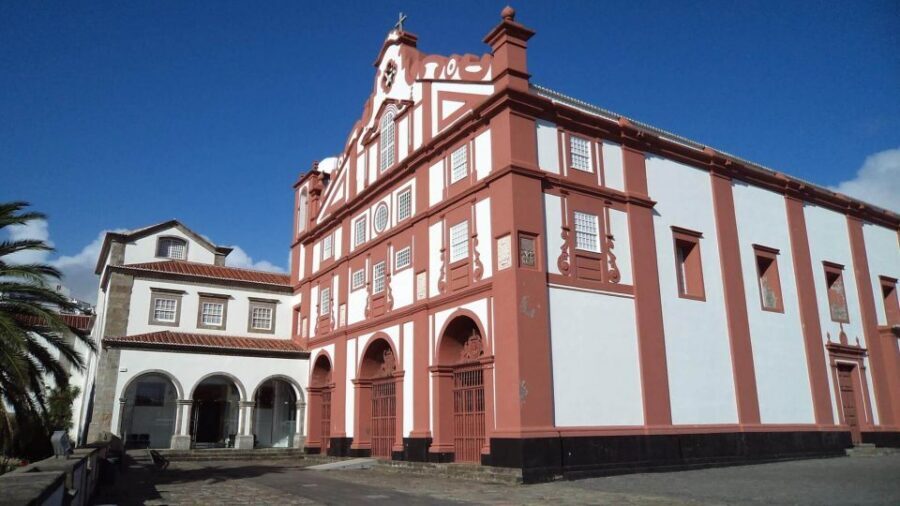
Expect hilly streets and a fair amount of up-and-down walking. The tour is listed at about 3 hours, but the pace is designed for sightseeing, not speed-walking.
I’d call this a moderate walking tour in effort. If you’re used to city walking and can handle hills, you’ll be fine. If stairs and steep sections tire you quickly, take that seriously—this tour is also noted as not suitable for people with mobility impairments.
Bring a windbreaker. Azores weather can change fast, and you’ll be outside for most of the tour. Also, don’t rely on fancy shoes. Comfortable soles are the difference between enjoying the viewpoints and rushing through them.
Price and value: why $53 makes sense (if you like structure)
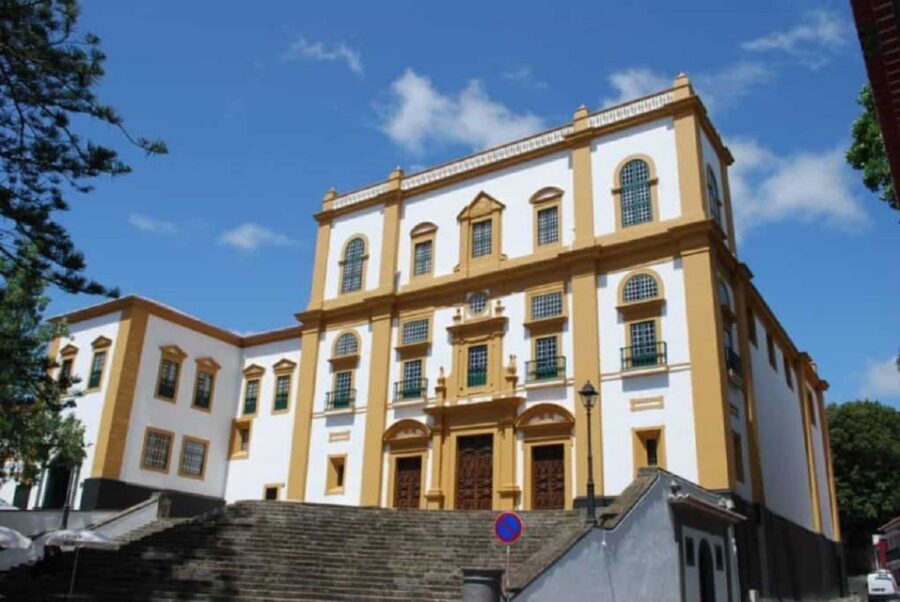
At $53 per person, this tour sits in a reasonable zone for what you get: a live guide in English, Portuguese, or Spanish, inside access to major sites, plus included refreshments.
Here’s what’s built into the price:
- Traditional sweet Dona Amélia and coffee
- Bottle of water
- Hotel pickup/drop-off if needed (optional)
- A guided route of about 3 hours with multiple key stops
Value depends on your travel style. If you prefer roaming alone and making up your own route, a walking tour might feel like you’re paying for someone else’s itinerary. But if you want the “what am I looking at and why does it matter” part—especially in a UNESCO city—this format is a good deal.
Also, the guide-driven pacing is a big part of the value. Many guests praised guides like Dora and Carolina for keeping the tour enjoyable and not rushed.
Best guide energy: Dora and Carolina are worth planning around
One theme shows up clearly in the feedback: the guides matter. Dora is praised for being attentive, local, and story-focused, and Carolina is praised for friendly delivery, pacing that suits the group, and local recommendations beyond the tour.
Even if you don’t know which guide you’ll get, it helps to know the tour is built around a guide who can connect details like architecture, city life, and viewpoint meaning. That’s how you end the tour feeling like you learned something, not just moved from stop to stop.
If the tour starts off with you feeling slightly lost, don’t panic. You can call support if you need help finding the exact kiosk, and it’s easier to fix a meetup issue than to miss the whole route.
Who should book this tour, and who should skip it
This tour is a strong match for you if:
- You want a structured highlights walk through Angra do Heroísmo
- You care about understanding what you’re seeing (and not just photos)
- You like a mid-tour coffee and pastry break built into the schedule
- You can handle hills and lots of walking
You might skip it if:
- You need a low-effort, flat route (the city is not flat, and the tour is not suitable for mobility impairments)
- You want a long independent meal stop instead of a short 25-minute pastry break
Also, if you’re the type who likes adding extras, one review mentioned a guide taking guests through a history museum not clearly highlighted in the basic outline, with additional cost noted in that specific situation. That’s not something you should count on, but it’s a reminder that a strong local guide may adapt the route if it helps the story.
Should you book this Angra do Heroísmo walking tour?
If you’re visiting Terceira and you want to feel oriented fast, I think this is a smart booking. You get a tight loop of must-see sights—Palácio Capitães Generais, Igreja da Misericórdia, Sé Catedral, plus gardens and an Alto da Memoria viewpoint—without having to piece together a plan from scratch.
Book it if you like walking tours that include real stops, not just photo ops, and if you’ll appreciate the included Dona Amélia + coffee reset. Skip it only if hills and walking effort are dealbreakers for you.
If you do book, my practical advice is simple: bring good shoes, carry a windbreaker, and arrive early at Jardim José Agostinho so your start is smooth. When the tour flows, it’s one of the most satisfying ways to understand Angra beyond postcards.
FAQ
How long is the Angra do Heroísmo walking tour?
The tour lasts about 3 hours.
Where exactly do we meet?
Meet at Jardim José Agostinho. At the end of the small garden there are kiosks, and yours is the last one on the right looking at it from the road.
Is there hotel pickup?
Pickup is optional. If it’s offered for your booking, you wait at the hotel lobby or outside your hostel/place of stay.
What is included in the price?
Included are the traditional sweet Dona Amélia, coffee, a bottle of water, and hotel pick-up/drop-off if needed.
What should I bring for this tour?
Bring comfortable shoes and a windbreaker.
Is the route flat?
No. The city is not flat, and you should expect up-and-down hilly streets.
Which languages are the live guides?
The tour guide is available in English, Portuguese, and Spanish.
What stops are the highlights?
Key highlights include Palácio Capitães Generais, Sé Catedral, Jardim Duque da Terceira, Igreja da Misericórdia, and Alto da Memoria.
Is there time for coffee and a pastry?
Yes. You get about 25 minutes of free time at the pastry shop to have coffee and taste a typical sweet.
Is the tour suitable for people with mobility impairments?
No. It is not suitable for people with mobility impairments.