Basalt vineyards and sips start your Pico day. This small-group tour links Picowines tastings with guided walks through the UNESCO wine-growing system that makes Pico famous. I like that the UNESCO story isn’t just explained, it’s shown while you’re actually in the vines.
I also like the pacing: you get museum time for context and then spend the afternoon seeing the protected vineyard areas around Lajido. One thing to plan for: there’s no pick up/drop off, so you’ll need your own transport to the Madalena meeting point.
In This Review
- Key highlights you’ll care about
- Price and Time: The Real Value of an 8-Hour Pico Wine Circuit
- From Madalena Ferry Terminal to Vineyard Walking: How the Day Moves
- Picowines: Tastings in a Real Producer Setting
- Pico Wine Museum: The Context That Makes Tasting Make Sense
- Trilha de Vinhas and Lajido da Criacao Velha: UNESCO Rows and Short Trails
- From Lajido to the Madalena Wine Capital: Interpretive Stops That Fill the Gaps
- Lunch, Wine, and Brandy: The Food Pairing You’ll Appreciate Later
- Group Size, Guides, and Pace: Why This Feels Better Than a Big Bus Day
- Practical Tips Before You Go (Weather, Shoes, and Getting There)
- Who Should Book This Pico Wine Tour (and Who Might Skip It)
- Should You Book This Pico Wine Tour?
- FAQ
- How long is the Pico wine tour?
- What time does the tour start, and where does it meet?
- Is pick up or drop off included?
- What’s included in the price?
- How many people are in the group?
- Is the tour offered in English?
- Do I need good weather?
- Is there free cancellation?
Key highlights you’ll care about
- Max 8 people keeps questions easy and the day feeling personal
- Picowines wine tastings in a real producer setting
- UNESCO vineyards since 2004 plus short guided trails through the vine rows
- Pico Wine Museum adds meaning to what you taste
- Regional lunch included, with local Portuguese flavors that actually fit the theme
- Meeting at Madalena ferry terminal means you handle getting there (no pickup)
Price and Time: The Real Value of an 8-Hour Pico Wine Circuit
At $168.96 per person for about 8 hours, you’re paying for two things Pico does well: access and guidance. You’re not just sampling wine on a random stop—you’re moving between producers, a museum, and UNESCO-designated vineyard areas with a certified guide included in the price.
This tour also runs with a small headcount (up to 8 people). That matters on Pico. The island can be steep, roads can be narrow, and you’ll want your guide’s context while you’re walking—not 30 minutes later from a bus window.
The included wine tasting and regional lunch help justify the cost. If you were trying to piece this together yourself, you’d usually end up paying separately for tastings, entry fees, and guided time. Here, the structure is the value: you taste first, then understand how Pico’s vineyards work, and you do it at a human pace.
You can also read our reviews of more wine tours in Pico

From Madalena Ferry Terminal to Vineyard Walking: How the Day Moves
You start at the João Quaresma Maritime Ferry Terminal in Madalena (Rua dona Maria da Glória Duarte do do Carmo, 9950-340). The tour begins at 10:00 am, and it ends back at the same meeting point. That round-trip setup is helpful if you’re staying in Madalena and want a full day without guessing schedules.
Since there’s no pickup/drop off, I suggest planning to arrive a few minutes early and give yourself an easy buffer. Pico days can start with a quick wait at the terminal area, and you’ll be glad you didn’t have to rush.
Expect a mix of seated and short walking time. Reviews describe vineyard walking and a downhill-style nature walk after lunch. That’s the practical side of the “wine tour” label: you’ll actually be outside, in vine terrain shaped by Pico’s basalt geology and human craft.
Picowines: Tastings in a Real Producer Setting
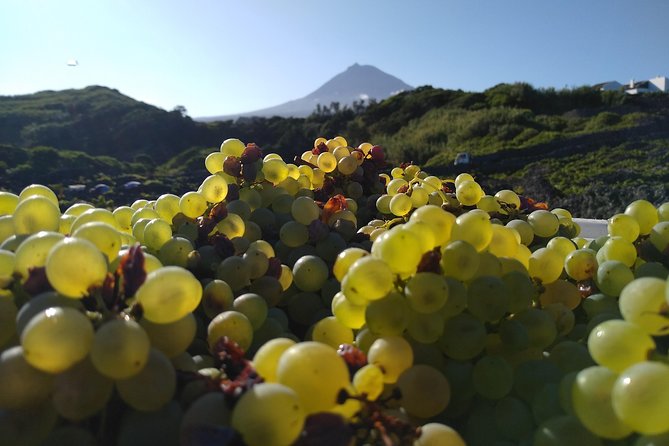
Your first stop is Picowines, where you get a guided visit with wine tastings. This is where the day starts to click. Instead of tasting blind, you begin with a producer’s point of view—how they make wine on Pico and how the vines are grown in this specific environment.
The tastings here aren’t presented as random samples. The guide uses what you’re tasting to connect to the island’s methods and the way the vineyards are planted. That matters because Pico wine culture is a system, not a single trick.
What I like about starting with the producer stop is simple: you get excited about the flavors early, then your later museum and vineyard walks stop feeling like separate attractions. They feel like chapters.
What to consider: you’re going to be tasting more than once during the day. If alcohol is a factor for you, pace yourself and plan to eat a real lunch later (it’s included, which helps).
Pico Wine Museum: The Context That Makes Tasting Make Sense
Next up is the Pico Wine Museum, with a guided visit of about 45 minutes. Think of this stop as your decoding key. Once you’ve walked through museum explanations, the vineyard design you see later won’t be “just rows of vines.” It’ll feel like a response to Pico’s terrain, weather patterns, and long-term farming choices.
This stop is also a nice break in the middle of the day’s moving parts. Even when the weather is changeable, a museum keeps the experience grounded and structured.
One of the best parts of this tour style is the guide-led flow. Names you might hear from the Terralta Nature Tours team—like Filipe or Phillip—are praised for connecting wine to island life and culture. That’s the difference between facts and something you can actually remember later.
What to consider: if you’re short on time on Pico, this museum stop is still worth it. Skipping it would reduce the meaning behind your vineyard walking and tastings.
Trilha de Vinhas and Lajido da Criacao Velha: UNESCO Rows and Short Trails
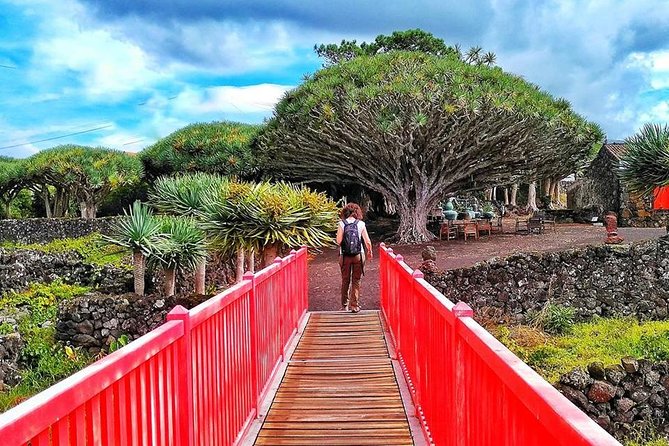
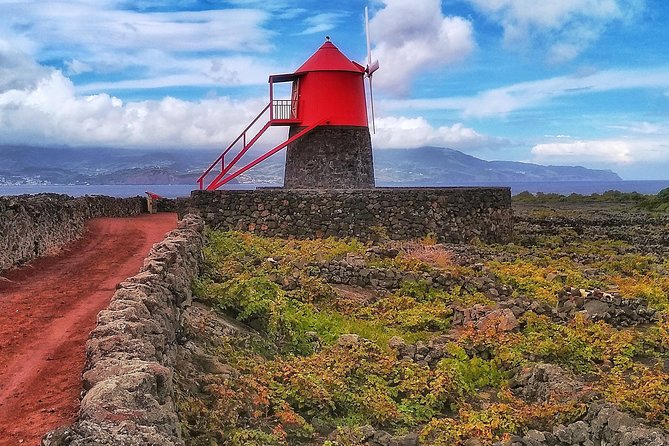
After the museum, you head into the vineyards. The day includes Trilha de Vinhas—a guided vineyard visit connected to UNESCO designation since 2004—followed by a look at the protected area Paisagem Protegida do Lajido da Criacao Velha.
These are not long hikes. But they’re long enough to feel the work behind the wine. Pico’s vineyards are famous for how they’re arranged across rugged ground, often with stone features that show decades of planning. In reviews, people mention basalt walls and the “hard work” needed to farm here. When you’re walking among it, you understand the effort behind every sip.
The vineyard time also helps you appreciate why this tour goes beyond tasting. Wine on Pico isn’t just a product; it’s a cultural practice tied to the way people built and maintained the landscape over generations.
Then you get a short trail-style visit in the UNESCO vineyard zone around Lajido. The goal is not to “check boxes.” It’s to give you a sense of scale—how much care goes into the rows, and how the terrain influences everything from access to cultivation.
What to consider: wear proper shoes. Even if the walks are brief, vineyard paths and uneven ground are part of the deal.





From Lajido to the Madalena Wine Capital: Interpretive Stops That Fill the Gaps
One of the most enjoyable parts of this tour is the mix of formal wine culture and everyday island life. You get a visit to the village of Madalena do Pico, often described as the wine capital of the Azores. This isn’t just scenic time. It’s a chance to reset between stops and see how the island’s identity shows up in real places.
You also stop at the Centro de Interpretacao da Paisagem da Cultura da Vinha da Ilha do Pico (about 1 hour). This interpretive center focuses on the wine-culture landscape and is tied to UNESCO around the northern vineyard area. The setting includes areas like Lajido de Santa Luzia, Dog, Arcos, and Cabrito—so you’re learning about the wider system, not only one single winery.
And yes, your guide adds the human story. In reviews, people highlight stops that include maritime history, including an old whaling port. That’s the kind of context that makes the wine day feel like Pico, not just grapes with a view.
What to consider: you’ll have a packed schedule. If you hate time in cars between stops, you might find it a lot. If you like structured variety—tasting, learning, walking, eating—this format is your friend.
Lunch, Wine, and Brandy: The Food Pairing You’ll Appreciate Later
A major practical win: regional lunch is included. On Pico, lunch isn’t a throwaway break. Reviews describe it as plentiful and cheese-friendly, with a traditional Portuguese buffet style in some cases. Even if you don’t eat a big lunch, you’ll want enough fuel for the afternoon walking.
The tour also centers on tasting, and reviews repeatedly mention brandy/liqueur alongside the wines. That fits Pico’s identity: the island’s spirit tradition and vineyard knowledge often go hand in hand. If you enjoy going beyond wine, this is a strong reason to book.
Here’s what I’d recommend: take your time at lunch. Taste in the morning, then give your body a chance to catch up with food before the later vineyard areas. It makes the day feel smoother and keeps you from rushing.
What to consider: if you don’t drink alcohol, tell your guide ahead of time at check-in if possible. The tour is built around tastings, so you may still enjoy the sights, but your experience will change.
Group Size, Guides, and Pace: Why This Feels Better Than a Big Bus Day
This tour caps at 8 people, and that’s a big deal for how you experience Pico. Small groups mean your guide can steer questions toward your interests: vineyard technique, island history, or practical details about daily life.
In the reviews, guides are praised by name—Filipe, Phillip, Gabriel, Raisa, and Philippe—all described as passionate and able to explain how Pico’s culture connects to wine. That’s the point: you don’t just walk through places, you learn why they matter.
Pace matters too. Reviews mention never feeling rushed and getting enough time at stops to take in views and absorb explanations. I also like that the day includes multiple time types: tastings (indoor-ish), museum time (structured), vineyard walking (active), and lunch (restorative).
If you’re the kind of person who likes to read menus but also wants to understand the ingredient story behind them, this format lands well.
What to consider: if you prefer totally free time or a slow, unstructured day, you may find this tour “busy.” It’s designed as a full overview of Pico wine culture.
Practical Tips Before You Go (Weather, Shoes, and Getting There)
This experience needs good weather. If weather forces a change, you’ll be offered a different date or a full refund. I can’t control the island’s clouds, but I like that the tour includes indoor stops (like the museum and wineries), so the day isn’t only dependent on sunshine.
Bring:
- Comfortable walking shoes for vineyard paths and uneven ground
- A light layer for wind or mist (Pico weather can shift fast)
- Something small for water and snacks between tastings if you’re sensitive to alcohol on an empty stomach (lunch is included, but timing can still matter)
You’ll also want to plan your arrival at the ferry terminal meeting point. Since pickup isn’t included and the tour ends back there, it works best if you’re already based near Madalena or you’ve got a simple transport plan.
One more practical note: the tour is offered in English, and service animals are allowed. Most people can participate, but the experience is built around short walks, so choose footwear and energy accordingly.
Who Should Book This Pico Wine Tour (and Who Might Skip It)
Book this tour if you want:
- A first-day style introduction to Pico wine culture
- A mix of tastings + guided explanations + vineyard walking
- A small group experience with time to ask questions
- Lunch and entry fees handled for you
You might skip it if:
- You need a fully low-movement day
- You dislike tastings and alcohol-focused pacing
- You can’t get to the Madalena ferry terminal on your own (no pickup)
If you’re planning a trip where you only have one day to understand Pico, this tour is designed for exactly that: it takes you from producer to museum to UNESCO vineyard areas and then into the wine-capital feel of Madalena.
Should You Book This Pico Wine Tour?
Yes, if you want your Pico day to feel like a guided learning experience, not just a tasting session. The value is in the structure—Picowines, Pico Wine Museum, UNESCO vineyard walking, and included lunch and tastings—plus the small-group size that keeps the guide interaction real.
If you can handle short walks and you can reach the meeting point in Madalena, you’ll likely come away with a clear understanding of why Pico wine culture is so distinctive, and you’ll taste it in the right order.
FAQ
How long is the Pico wine tour?
It runs for about 8 hours.
What time does the tour start, and where does it meet?
It starts at 10:00 am and meets at the João Quaresma Maritime Ferry Terminal in Madalena, Portugal. The tour ends back at the meeting point.
Is pick up or drop off included?
No. Pick up/drop off is not included, so you’ll need your own way to reach the meeting point.
What’s included in the price?
The tour includes regional lunch, wine tasting, insurances, entrance fees, and a certificate guide.
How many people are in the group?
The tour has a maximum of 8 travelers.
Is the tour offered in English?
Yes, it’s offered in English.
Do I need good weather?
Yes, it requires good weather. If it’s canceled due to poor weather, you’ll be offered a different date or a full refund.
Is there free cancellation?
Yes. You can cancel up to 24 hours in advance for a full refund.