REVIEW · PICO
Mount Pico Night Climb – Reach the Summit for a Magical Sunrise
Book on Viator →Operated by Tripix Azores · Bookable on Viator
You’re awake before the island is. This Pico Mountain night climb is built around reaching Portugal’s highest peak (2,351m) for a sunrise you’ve earned with every steep step. I love how the certified guides handle the route while you focus on moving safely, and I like that you get practical climbing basics like a headlight and hiking poles. One thing to consider: this isn’t a casual walk, and the descent can feel tougher than the uphill.
In This Review
- Why this climb feels so “real” on Pico
- A heads-up before you sign up
- Key things to know before you go
- The 2:00am start that turns into a sunrise plan
- How tough is the Pico night hike, really?
- Your guide matters more than you think (and you’ll feel it)
- Included gear: the stuff you actually use in the dark
- The Pico summit and the sunrise payoff
- Pacing, breaks, and why the descent feels brutal
- Price and value: what you’re really paying for at $145+
- Who this is best for (and the beginner warning that matters)
- Preparing for Pico: fitness and the equipment reality check
- Weather and the sunrise gamble
- Should you book the Pico Night Climb?
- FAQ
- What is the price of the Mount Pico Night Climb?
- How long does the climb take?
- Where do we meet for the climb?
- What time does the tour start?
- What’s included in the ticket?
- What is not included?
- Is the tour offered in English?
- What fitness level do I need?
- What happens if the climb can’t run due to bad weather or if I cancel?
Why this climb feels so “real” on Pico
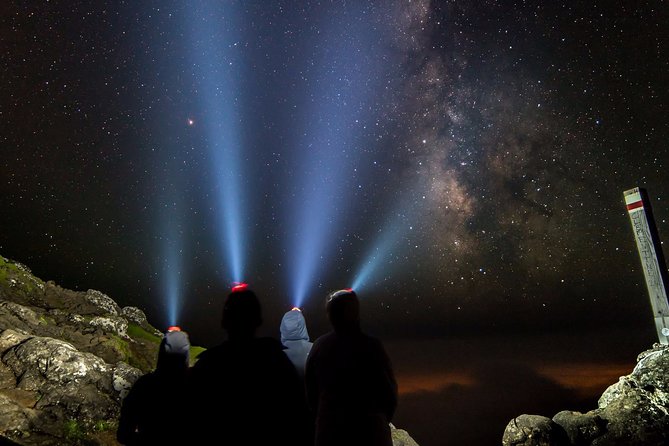
The whole experience has a clear purpose: summit during the night, then watch the sky change as the sun arrives. Guides like Matteo and Bruno Leal stand out in the way they pace the group, warn about tricky sections, and keep less-confident hikers moving with patience and humor.
A heads-up before you sign up
If you’re sedentary, new to hiking, or have issues with coordination, vertigo, or heart/lung conditions, this will likely feel like too much. The operator also requires you to show up with proper mountain boots and the right equipment—if you don’t, you can be excluded from the climb without a refund.
You can also read our reviews of more tours and experiences in Pico.
Key things to know before you go
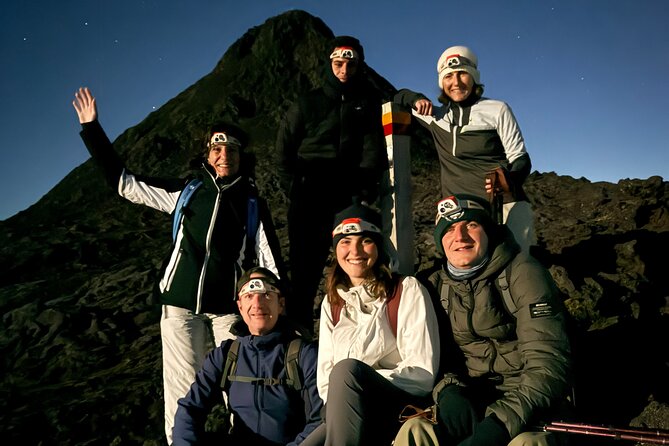
- Certified Pico guides steer you on a challenging route and manage safety on uneven trail sections.
- Headlight + hiking poles are included, so you can focus on footing instead of scrambling for gear.
- Sunrise at the summit is the payoff, with clear rewards from the early start.
- Expect a harder descent: irregular trails plus lots of downhill work can test your legs fast.
- Small group size (max 8) helps the guide keep eyes on the whole line of hikers.
The 2:00am start that turns into a sunrise plan
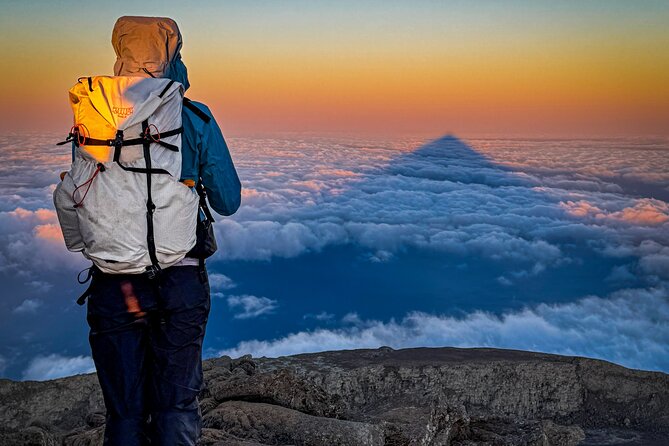
This climb is timed for the summit experience, with the meet-up at Mountain House (Caminho Florestal nº 9, Candelária, 9950-000 Madalena, Portugal) and a 2:00am start. You’ll finish back where you started, so you’re not juggling transport plans at the end while your legs are begging for a chair.
The day is long—about 10 hours—and the early start matters because Pico’s summit sunrise is the main event. If you’ve ever hiked and thought, Fine, but when’s the moment that makes it worth it? Here, you know the moment is coming: you’re climbing in the dark with a headlamp, then the sky shifts and the view lands on you.
Also note the small group size: up to 8 people. That’s a big deal on a mountain route where the trail can get rocky or awkward. You’re not packed into a slow-moving conga line.
How tough is the Pico night hike, really?
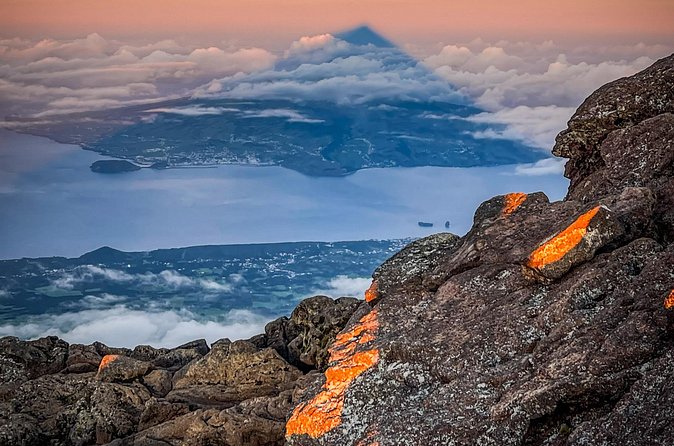
Pico Mountain is Portugal’s highest, at 2,351m, and it’s a serious volcanic mountain. The climb is described as challenging, with difficulty that depends on the option (daytime = medium; nighttime = medium to high; overnight = high). For the night climb specifically, you should plan for medium/high difficulty and some technical requirements.
Here’s the practical truth: night hiking removes the usual “I can see where I’m stepping” advantage. Even with headlamps, you’ll rely on your guide for route choices and on the group pacing for staying steady. One review highlighted how mentally and physically demanding it felt—another said it was their first time hiking, and that they would not have finished without patient, close guidance.
That means you don’t need to be an elite mountaineer, but you do need:
- strong overall fitness
- good coordination
- willingness to move slowly and take breaks
- the ability to handle the feeling of steep, uneven ground without panicking
If you’re the kind of hiker who gets stuck on discomfort, you’ll want to bring a calmer mindset. This climb is built for people who can accept “slow and steady” as the winning strategy.
Your guide matters more than you think (and you’ll feel it)
A lot of hiking tours include a guide. This one leans hard on certified expertise, and that shows in how people talk about Matteo and Bruno.
What I like about their role is simple: on Pico, the route isn’t something you just follow on intuition. Guides manage pacing, warn you at dangerous or awkward trail segments, and keep the group together when conditions get tough. More than one experience described the guide staying patient during moments of exhaustion, and even repositioning so slower hikers weren’t left behind.
The reviews also emphasize how supportive the dynamic can be. One hiker mentioned extra gear help mid-climb, and another described the guide staying behind at the hardest point to make sure they finished safely. That kind of attention is not just nice—it’s what turns a scary, exhausting hike into a controlled one.
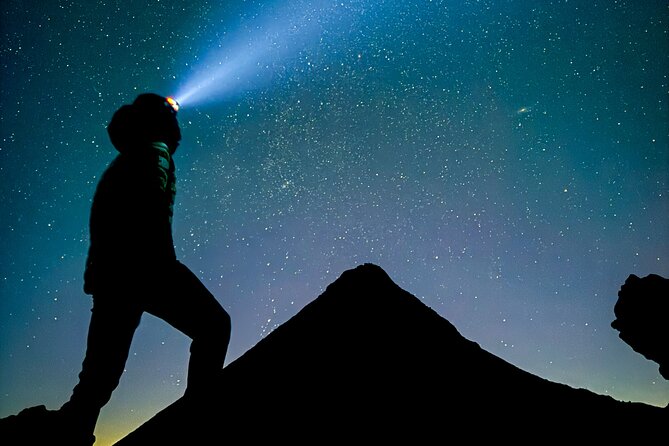
And yes, you’ll likely hear information along the way—constellation notes and photography tips came up more than once. That’s not fluff. On a night climb, learning what you’re looking at helps the hours pass with purpose.

Included gear: the stuff you actually use in the dark
This tour includes several items that make a real difference once you’re climbing in the dark:
- Individual headlight
- Hiking poles (walking sticks)
- Mount Pico Natural Reserve access fee
- Professional & certified guide
- Allianz Personal Accident Insurance
- Climbing Certificate of Achievement
That headlight isn’t optional flavor. It helps you keep moving safely in the early night hours, when slipping or misstepping can happen quickly. Poles help with stability, especially when the trail gets irregular and your body starts to fatigue.
One more detail worth taking seriously: the operator requires you to present proper mountain boots and equipment suitable for the activity. If you show up without the right gear, you may be excluded from the climb, with no refund. This is not the kind of tour to rely on renting “whatever boots look okay.”
The Pico summit and the sunrise payoff
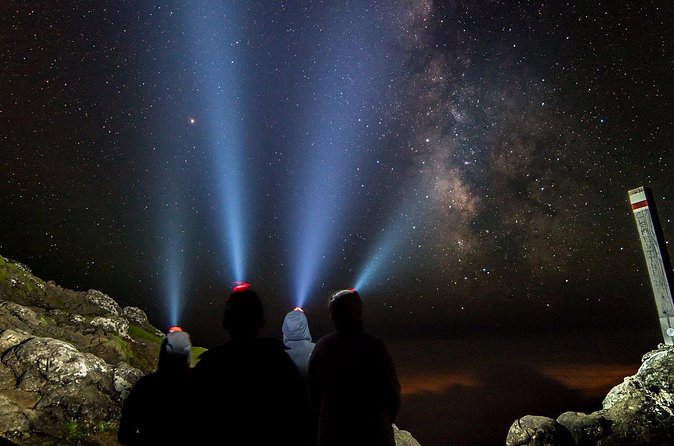
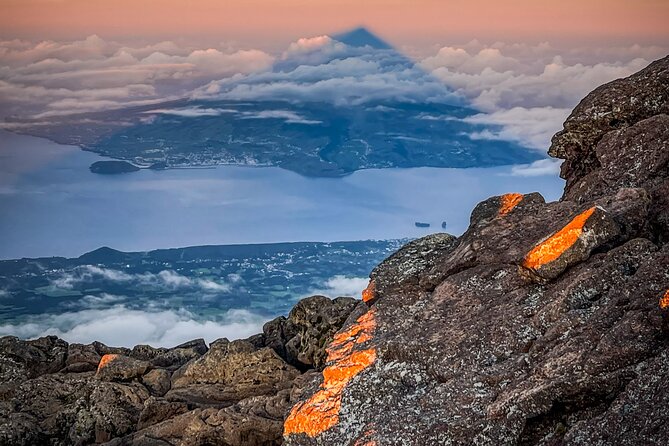
Pico’s defining claim is straightforward: it’s the highest mountain in Portugal, and it’s part of a dramatic volcanic system in the Azores. The climb is hard for a reason—once you reach the summit, you’re there at the top of the game.
The sunrise experience is built into the timing. You start at 2:00am, then you climb until you reach the upper area early enough to watch the light arrive. In good conditions, the night sky can be a strong reward by itself. Some hikers described seeing shooting stars, and others called out the moment the summit view made it all feel worth the struggle.
A useful mindset: treat the summit like a finish line and a reset button. After hours of focused footwork, sunrise turns into a “now breathe” moment. You’ll also have that guided advantage—if you want help capturing the view, the guides offer photography tips and will help you time what you shoot.
Pacing, breaks, and why the descent feels brutal
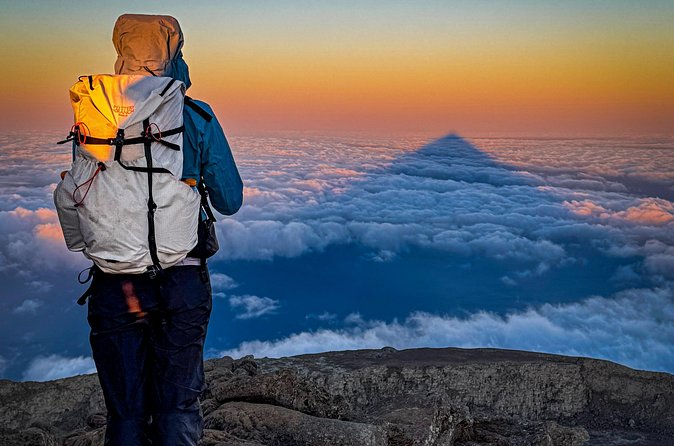
On paper, “up and down” sounds simple. On Pico at night, the descending leg is where people get hit hardest. One review specifically said the descent was more difficult, thanks to steep elevation change over short distances and trails with irregular footing.
Practically, expect:
- a steady climb with several breaks (one account described about 6–7 stops during the climb)
- a controlled descent where your quads and balance get tested
- the guide watching for dangerous sections and obstacles
If you’ve never hiked down a steep volcanic slope in the dark, it can surprise you. Your body works differently going downhill. You want to keep steps short, stay balanced, and accept that speed is not the goal.
The best thing you can do is follow the guide’s instructions without ego. If someone says, slow here, do it. If they suggest a reposition so you can keep safe footing, take it. That’s how you avoid the “I’m fine” moment that turns into an injury.
Price and value: what you’re really paying for at $145+
At about $145.12 per person for a roughly 10-hour guided summit attempt, you’re paying for more than “a ticket to hike.” The biggest value piece is what’s included:
- Certified guide support (the part that reduces risk)
- Headlight + hiking poles (gear you’ll use immediately)
- Reserve access fee
- Allianz personal accident insurance
- Climbing certificate
Meals are not included, and there’s no mention of an air-conditioned vehicle. So the “value” calculation depends on what you would otherwise need to source or manage yourself—especially gear and insurance coverage.
Where this tour can feel like a bargain is the small group size and the intensity of the experience. On an advanced climb, having a guide who can support you through tough points is often worth more than saving a few euros on the tour cost.
Who this is best for (and the beginner warning that matters)
This is a mountain hike with a medium/high difficulty profile for the nighttime option. That means it’s best for people who:
- hike regularly or do athletic day walks
- have decent stamina and leg strength
- can handle steep terrain without panic
- prefer guided structure over improvising
Beginners can do it, but you need to be honest about your starting point. One review was blunt: it was their first time hiking ever, and they called it an extremely challenging climb. They still finished, but only because the guides were patient, encouraging, and attentive.
So my advice is simple: if you’re new, don’t treat this as a “learning hike.” Treat it as a challenge hike where you’ll likely need extra support. If you’re not sure, ask to choose a less intense option when it’s available, or train a bit first.
Also, tell the operator about physical restrictions early. The tour data explicitly asks you to inform them if you have issues like lower-limb problems, vertigo, mental health concerns, heart problems, asthma, diabetes, pregnancy, or anything else that could affect coordination and safety.
Preparing for Pico: fitness and the equipment reality check
This climb isn’t described as comfortable or forgiving. It’s recommended for active people, and it can be harder for sedentary folks because you’ll have to work through both physical strain and the demands of balance.
Two preparation points you should take seriously:
- Avoid diving 24 hours before the climb.
- Bring proper mountain boots and suitable equipment, or you risk being left out of the climb without a refund.
It’s also clear the operator expects good physical condition and motor coordination. That’s not just legal language—it’s the difference between enjoying the sunrise and spending your night fighting the terrain.
Lastly, there’s a strong hint that you’ll receive instructions before you go (a review mentioned following the PDF they sent). Do that prep. Reading the guidance isn’t busywork. It’s how you avoid underestimating weather, altitude effort, and the clothing/equipment you actually need.
Weather and the sunrise gamble
A big part of this experience depends on conditions. The tour requires good weather, and if it’s canceled due to poor weather, you’re offered a different date or a full refund.
On a night climb, weather can change how safe and enjoyable the route feels. Clouds, wind, and visibility matter more after dark. So be ready to adapt—if the operator shifts your date, treat it as part of the deal, not an inconvenience.
If you’re planning other activities in Pico around this hike, keep some flexibility. You’re not just scheduling a walk. You’re scheduling a sunrise.
Should you book the Pico Night Climb?
Book it if you want a real challenge, you love the idea of reaching a summit at night and earning sunrise, and you’re willing to follow guide instructions closely. This is the kind of hike where the guide support can be the difference between quitting and completing it, and the positive stories about Matteo and Bruno Leal reflect that.
Skip it (or choose a gentler option) if you’re new to hiking and haven’t built leg stamina yet, or if you know you struggle with vertigo or coordination under stress. Also, don’t gamble on gear. Proper boots and suitable equipment are mandatory, and the consequences of not meeting requirements are real.
If you’re ready for steep, uneven terrain and you want the kind of sunrise that feels earned, this is a standout way to experience Pico.
FAQ
What is the price of the Mount Pico Night Climb?
The tour costs $145.12 per person.
How long does the climb take?
Plan for about 10 hours.
Where do we meet for the climb?
You meet at Mountain House, Caminho Florestal nº 9, Candelária, 9950-000 Madalena, Portugal.
What time does the tour start?
The start time is 2:00am.
What’s included in the ticket?
Included items are an individual headlight, hiking poles, the Mount Pico Natural Reserve access fee, a professional certified mount Pico guide, Allianz personal accident insurance, and a climbing certificate of achievement.
What is not included?
Meals and an air-conditioned vehicle are not included.
Is the tour offered in English?
Yes, it’s offered in English, and you’ll receive a mobile ticket.
What fitness level do I need?
Strong physical fitness is recommended, and the activity is described as medium/high difficulty for the night option. You should also have good motor coordination.
What happens if the climb can’t run due to bad weather or if I cancel?
The experience requires good weather. If it’s canceled due to poor weather, you’ll be offered a different date or a full refund. The experience is non-refundable and cannot be changed for any reason.