REVIEW · PICO
Pico Mountain: Climb the Highest Point of Portugal 2351m
Book on Viator →Operated by GOclimb Azores · Bookable on Viator
Portugal’s highest summit is a lava-rock grind. You’ll love a small guided group and the summit payoff from 2351m, with guides like Raisa, Isabel, Nunu, and Haise sharing Pico stories along the way. Do take the steep 30% average slope seriously, because this is a hard cardio climb for hours even if you’ve never done mountaineering.
You start at Casa da Montanha (around 1200m) with a proper briefing, equipment check, and locators for the group’s safety. I also like how the tour is built around steady pace and planned breaks, not just a sprint to the top.
Meals aren’t included, so you’ll want your own food strategy. And there’s an age filter for shared groups: people over 60 and children under 12 aren’t included, with private options suggested instead.
In This Review
- Quick hits before you hike Pico
- Pico Mountain summit: the 2351m payoff you came for
- Casa da Montanha at 1200m: briefing, locators, and how the day starts
- 8km volcanic-rock climb with a 30% average slope: what it feels like
- Summit time on Pico: the views across islands and that steam-in-rock moment
- Piquinho and the cave on the return: where time and footing matter
- Small-group guiding: why the best part is how you’re managed
- Price and value: is $90.74 for Pico Mountain worth it?
- What to bring for a 7-hour summit hike on Pico
- Who should book this Pico climb (and who should pick a different day)
- Should you book the Pico Mountain summit hike?
- FAQ
- How long is the Pico Mountain tour?
- Where do you meet for the hike?
- How high do we climb?
- How long is the trail and what is the surface like?
- Do you need mountaineering experience?
- What’s included in the price?
- Are meals provided?
- What group size is used?
- Are there age restrictions?
- What happens if weather is bad?
Quick hits before you hike Pico
- 2351m summit of Portugal: the top goal is clear, high, and worth planning for.
- 8km on volcanic rock: the whole trail is lava terrain, with an average 30% slope.
- Small groups (max 10): easier pacing and more attention from the guide.
- You get poles and safety locators: included gear helps you handle the steep sections.
- Quality photos and videos: built-in keepsake for the effort you’re putting in.
- Early starts are common: going before it bakes you can make the climb feel more doable.
Pico Mountain summit: the 2351m payoff you came for
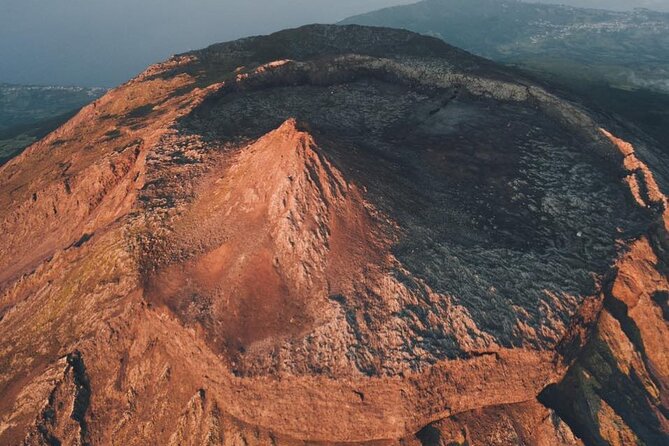
Pico Mountain (on Pico Island, in the Azores) is the highest point in Portugal at 2351 meters. The point isn’t just altitude bragging. It’s that you get a long, physical day on volcanic ground, then the views reward you with scale and atmosphere you don’t get from shorter hikes.
The route is also very “Pico” in feel. You’re walking volcanic rock for most of the day, so the ground texture, traction, and footing really matter. That’s why this hike tends to feel like a real adventure, not a stroll.
Also, the summit day is intentionally framed as doable without mountaineering experience—as long as you’re honest about your fitness. The guides are running the show, but your breathing, balance, and stamina are still the limiting factors.
You can also read our reviews of more tours and experiences in Pico.

Casa da Montanha at 1200m: briefing, locators, and how the day starts
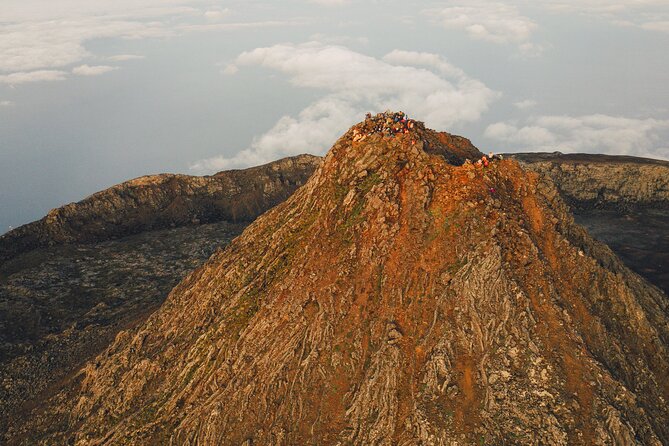
Your adventure begins at Casa da Montanha, at 1200m. Before anyone goes charging uphill, you get a briefing for the whole group: what to expect, how to use the equipment, and what “good trail sense” looks like on lava rock.
You’ll review the necessary gear and then receive locators. That detail matters. It’s a straightforward way for the team to keep track of everyone in a rugged environment where going off-route can be a problem.
I like that the first part of the trail is used as a real check-in. The tour description calls out warning signs early—things like a sudden change in breathing pattern or balance issues—so you can judge whether the pace and terrain match your ability. If you feel that kind of strain, treat it as feedback, not failure.
8km volcanic-rock climb with a 30% average slope: what it feels like
This hike is about 8km total along the main trail, and it’s entirely on volcanic rock. The average slope is listed at 30%, which is steep enough that you’ll feel it in your legs early and keep feeling it for hours.
The “volcanic rock” part isn’t just scenery. It usually means uneven footing, hard ground, and traction demands that shift from step to step. That’s why the tour includes walking poles. Poles help on both steep climbs (stability) and descents (control).
Expect the day to be more cardio-driven than you might think. One review noted the intensity clearly: this is not the kind of hike to test if you’re casually fit. Another highlighted that starting early can help—cooler air going up and more comfortable temperatures on the way down.
Practical takeaway for you: if you’re the type who needs to pause often, build that into your mental plan. The guides are used to managing pace so you’re not racing the mountain.
Summit time on Pico: the views across islands and that steam-in-rock moment
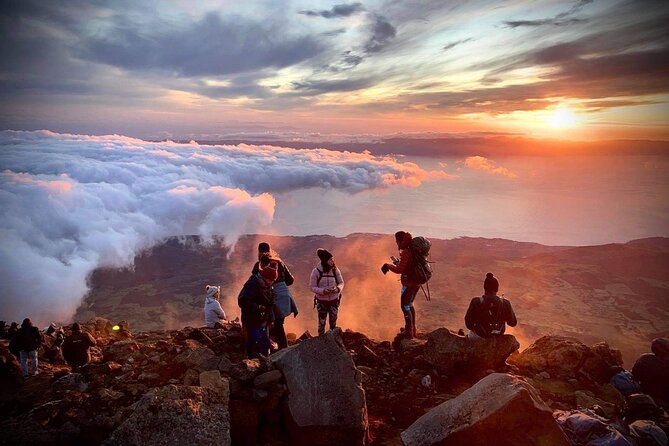
At the top, you reach the 2351m summit—Portugal’s highest point. This is where the long climb stops being an effort and starts being a memory.
The view from the summit is described as stunning enough to reach far beyond Pico on a clear day. One report specifically mentioned visibility toward Terceira and Graciosa, which gives you a sense of how the Azores sit above the ocean.
There’s also a neat volcanic detail some hikers remember: in certain rock crevices you can feel hot volcanic vapor/steam. It’s one of those small reminders that you’re not walking on “mountain rock” in the normal sense—you’re on Pico’s volcanic system.
You’ll also get value from the guide during summit time, not just for directions. Guides share stories about Pico and the surrounding islands—history, people, and even food culture—so your time at the top feels richer than a quick photo and back down.
Piquinho and the cave on the return: where time and footing matter
The climb is only half the story. The return is where many people feel the fatigue the hardest, especially because steep descents demand focus when legs are tired.
A few hikers mention standout moments on the way back. One highlight is a cave encountered during the descent route. Another mentions the guide taking them to areas connected with Piquinho, a memorable stretch people talk about as part of the route experience. Even if you don’t obsess over the names, treat these spots as built-in checkpoints where you can slow down and enjoy the terrain carefully.
Sun can also creep in. Even with sunscreen, one group reported getting sunburned after about 8.5 hours in the sun. Early departures help with temperature, but you still need to plan for UV exposure on exposed lava terrain.
My advice: keep your eyes on your feet on the descent, but use those natural pauses to hydrate and reset. It’s a lot easier to stay steady when you’re not trying to power-walk off fatigue.

Small-group guiding: why the best part is how you’re managed
This tour caps at 10 travelers, and that small size shows up in pacing. Several reviews credit the guides by name—Raisa, Isabel, Nunu, Haise—for getting everyone up and down safely, while adjusting the tempo to the group.
What I like most is the “human” management. Guides are stopping for small breaks, keeping hydration going, and watching the group for signs of trouble. Some reports mention snacks and water being part of these pauses. That matters on a hike where the terrain and slope are working against you.
The guide side also brings story and context. Expect talk about Pico’s people, food, and the islands around it, not just mountain facts. It turns the hike from physical strain into a day with meaning.
Bottom line: you’re paying for more than “someone who points at a trail.” You’re paying for someone experienced at keeping a small group moving safely on steep volcanic ground.
Price and value: is $90.74 for Pico Mountain worth it?
The price is $90.74 per person for an approximately 7-hour guided experience. For that amount, you’re not just buying a ticket. You’re getting a package of practical items and risk management.
Included value:
- Professional, experienced guide
- Walking poles
- Personal insurance (Seguro Pessoal)
- Quality photos and videos
- All fees and taxes
Not included:
- Meals
For me, the best value signals are the “you’ll actually use this” items: poles, insurance, and guided safety on a steep lava-rock trail. The photo/video inclusion is also a bonus because the summit day is demanding, so having a ready-made keepsake saves you from juggling a camera while you’re trying not to slip.
Your personal variable is food. Since meals aren’t included, bring a sensible plan so you’re not running on empty while the climb lasts.
What to bring for a 7-hour summit hike on Pico
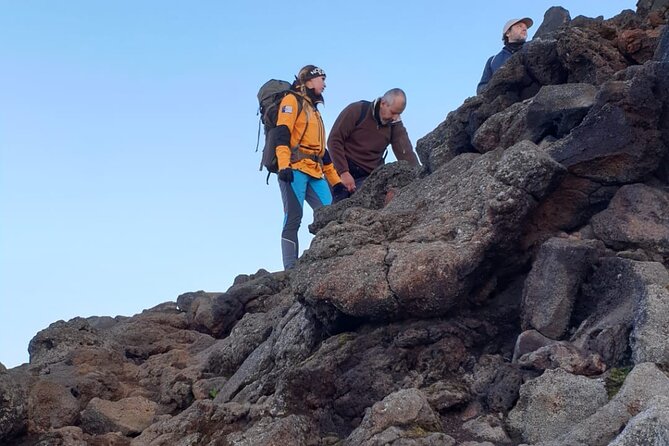
The tour says you need strong physical fitness, and the trail is steep enough that gear really matters. You should plan like this is a serious hike, not a casual day out.
From the practical advice in people’s experiences, focus on:
- Good hiking shoes with solid traction for volcanic rock
- Water (even if the guide pauses for it, you’ll feel better if you’re comfortable on supply)
- Sun protection: sunscreen and a hat can save your day on exposed sections
- A simple snack plan since meals aren’t included
- A steady pace mindset: take breaks without feeling like you’re falling behind
You’ll also receive walking poles, so you don’t need to rent or pack them. Still, if you’re used to your own poles, you might prefer bringing them for comfort—just confirm what’s allowed ahead of time.
Who should book this Pico climb (and who should pick a different day)
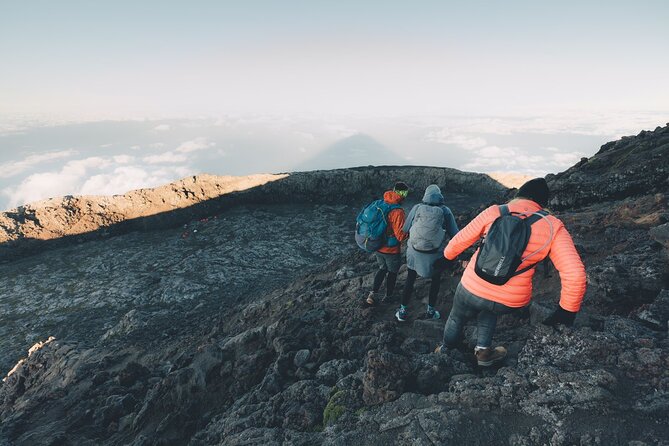
This hike fits best if you’re comfortable with:
- Steep effort for hours (30% average slope on volcanic terrain)
- Walking uneven ground without panicking at every step
- Getting up early (early starts are part of the experience style for many groups)
It’s described as suitable even without mountaineering experience. But it’s also clear this is not for everyone. Shared groups don’t include people over 60 or children under 12, and the tour notes you might need to request a private activity for other cases.
If you’re unsure about your fitness level, I’d treat this as a “do the honest self-check first” hike. If your stamina and balance aren’t strong, you might spend more time fighting the terrain than enjoying the day.
Should you book the Pico Mountain summit hike?
If you want the highest point of Portugal in a real guided adventure, and you’re ready for a steep lava-rock workout to 2351m, I think this is a very good booking. The combination of small group size, guided pacing, poles, and included photos/videos makes it feel like solid value for the effort.
Skip it (or choose a gentler option) if you know steep hiking burns you out fast, or if long descents make you lose focus. Also remember meals are not included, so plan food like you mean it.
FAQ
How long is the Pico Mountain tour?
The hike is listed as approximately 7 hours.
Where do you meet for the hike?
The start point is Mountain House, Caminho Florestal nº 9, Candelária, 9950-000 Madalena, Portugal.
How high do we climb?
You aim for the summit at 2351 meters (with the briefing at Casa da Montanha around 1200m).
How long is the trail and what is the surface like?
The trail is approximately 8 km and it is entirely on volcanic rock, with an average slope of 30%.
Do you need mountaineering experience?
No mountaineering experience is required for the activity, but you do need good physical condition.
What’s included in the price?
Included items are all fees and taxes, personal insurance, quality photos and videos, a professional guide, and walking poles.
Are meals provided?
No. Meals are not included.
What group size is used?
The activity has a maximum of 10 travelers.
Are there age restrictions?
Yes. People over 60 and children under 12 are not included in the shared groups.
What happens if weather is bad?
The experience requires good weather. If it’s canceled due to poor weather, you’ll be offered a different date or a full refund.