REVIEW · PICO
Mount Pico Guided Climb – Summit Portugal’s Highest Peak
Book on Viator →Operated by Tripix Azores · Bookable on Viator
Mount Pico tests your legs and teaches geology. This full-day guided climb on Pico, Azores is built around certified guides who help you stay found on steep, irregular ground while sharing what you’re stepping on—lava flows, volcanic rock, and local biodiversity. I especially like the small group feel, where your guide can set a pace that fits real humans, not just fitness-robot targets like Bruno and Matteo did in the stories I keep hearing.
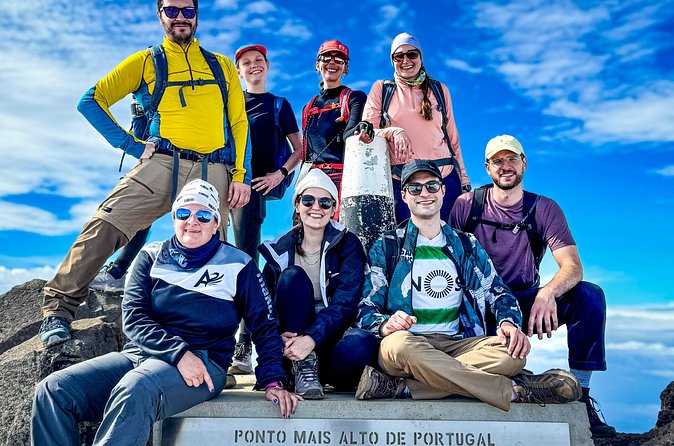
The payoff is real: reaching Piquinho (2351m) is the kind of summit moment that sticks. The main drawback is also real—this is a medium to high challenge, and weather can tighten the plan fast, since wind, cloud altitude, and rain forecasts shape whether the top is safe to attempt.
In This Review
- Key Things You’ll Notice on This Mount Pico Guided Climb
- A Morning on Pico: Meeting Point, Early Start, and Getting Set
- Casa da Montanha to Piquinho: The Climb Numbers That Matter
- Why Certified Guides Really Change the Experience (Bruno and Matteo)
- Montanha do Pico and Casa da Montanha: More Than Just Stops
- Weather Is Not Small Talk Here: Wind, Cloud Level, Rain Forecasts
- How Long Will It Take, and Where the Fatigue Hits
- What’s Included (and What You’ll Need to Handle Yourself)
- Getting Ready: Boots, Gear, and Fitness Rules You Can’t Skip
- Value at $102.84: Paying for Safety, Access, and Guidance
- So, Should You Book the Mount Pico Guided Climb?
- FAQ
- What time does the climb start?
- Where do we meet for the guided climb?
- How long does the Mount Pico climb take?
- How many people are in a group?
- Is the tour offered in English?
- What’s included in the price?
- What’s not included?
- What do I need to bring or wear?
- What weather factors can affect the climb?
- Is there anything I should avoid before the climb, and can I change plans?
Key Things You’ll Notice on This Mount Pico Guided Climb
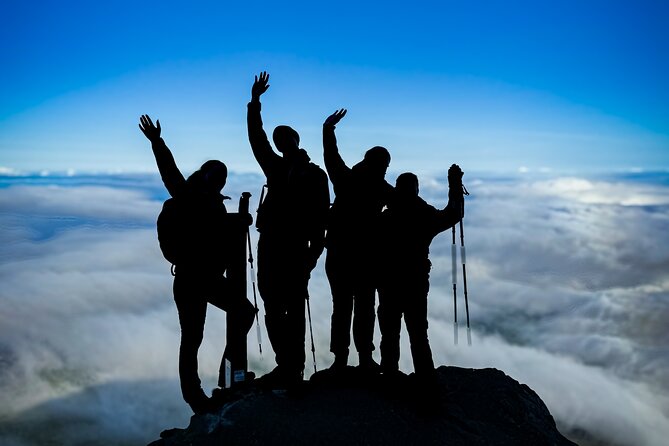
- Certified guides who keep you on the best track through scrambling and fog-prone sections
- Small group size (up to 9 people) for more attention and smarter pacing
- A clear climb profile: 1100m gain from Casa da Montanha to the top, plus a bigger total elevation for the full hike
- Volcano lessons on the move with geology and biodiversity explained along the route
- Weather-driven decision making based on wind, cloud level, and rain forecasts
A Morning on Pico: Meeting Point, Early Start, and Getting Set
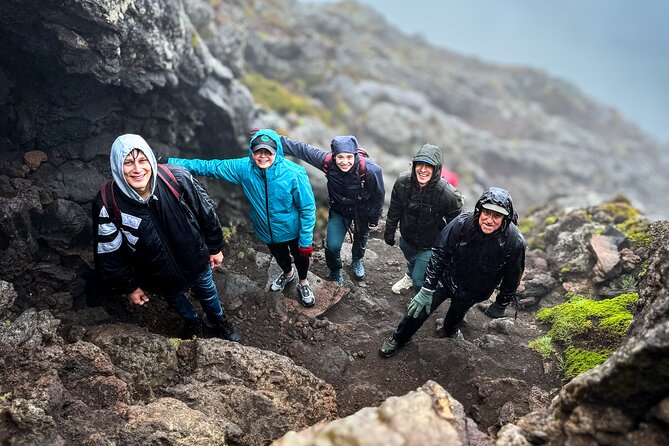
This hike is scheduled for an early morning start, with the day beginning at 6:00am back at the Mountain House on Caminho Florestal nº 9 in Candelária. Even if you’re an experienced walker, you’ll feel the timing: you’re out before most tourists are even thinking about coffee. That’s not just tradition. On Pico, early hours often mean more stable conditions before the atmosphere turns moody.
Before the main ascent, expect a briefing and a focus on what matters most on Mount Pico: safety, footing, and staying on route when the terrain gets steep or irregular. You’ll also get a practical push toward the gear that makes a difference out there. This is one of those days where being prepared saves you energy later.
The tour runs about 7 hours on average, but don’t assume it’s always “7 and done.” Your group pace and weather can stretch it toward 9 hours. A small group helps, because your guide can adjust rather than just marching everyone along on one fixed tempo.
You can also read our reviews of more tours and experiences in Pico.
Casa da Montanha to Piquinho: The Climb Numbers That Matter
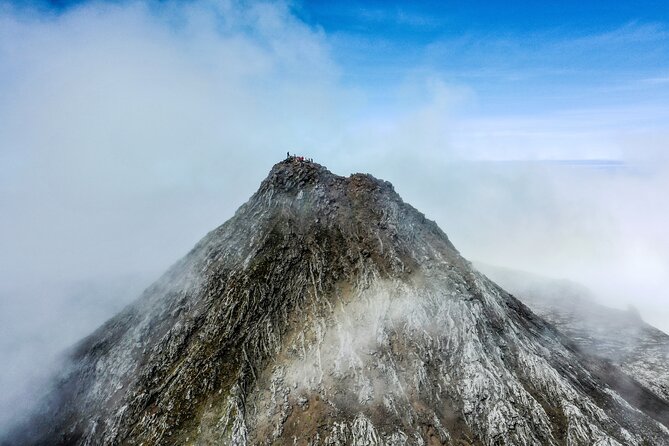
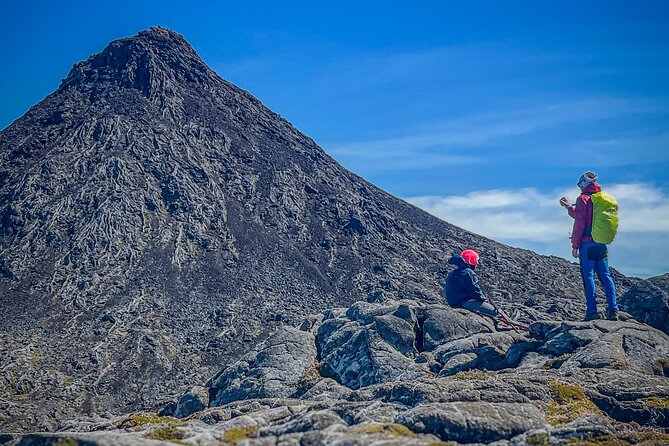
Mount Pico’s most intimidating part isn’t just the altitude—it’s the combination of altitude plus uneven footing. The trail is described as steep and irregular, with solidified lava flows and scramble rocks. That means you’re not just hiking on a comfortable path. You’ll be using coordination, balance, and controlled effort the whole way.
Here are the climb figures you’ll want in your head:
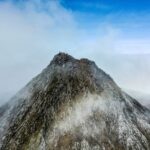
- From Casa da Montanha (1230m) to the top at Mount Pico – Piquinho (2351m): 4km with about 1100m of elevation gain
- For the full climb: 8km total distance with accumulated elevation of about 2200m
That “accumulated elevation” number is the one many people underestimate. Even if you think you’re just going up one big hill, you’re also dealing with the ups and downs of the terrain. And then there’s the descent, which tends to feel like a separate workout.
Difficulty is described as medium to high, and that tracks with the reality of the route: steep gradients, rock scrambling, and the fact that the surface is not forgiving like dirt trail. If you’re active and have solid coordination, you’ll have a much easier time. If not, the climb can turn into a constant problem-solving exercise with every step.
Why Certified Guides Really Change the Experience (Bruno and Matteo)
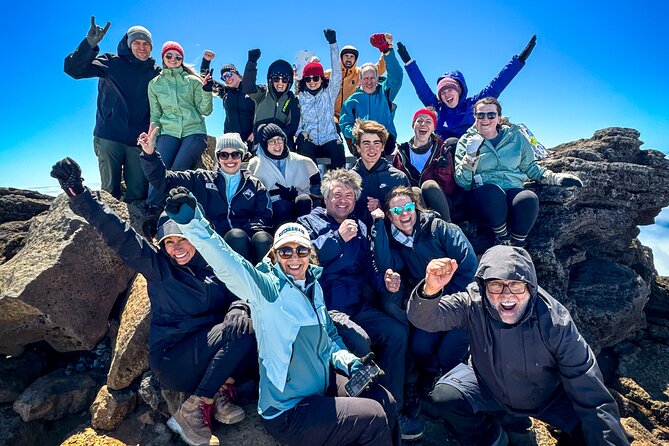
On a summit hike like Pico, the guide isn’t a luxury. They’re your navigation insurance, your pacing system, and your safety filter.
The guides for this experience are professional and certified Pico Mountain Guides, and you’ll feel their value most in the “in-between” moments—where you can see the general direction, but the best line through the rocks isn’t obvious. The route can include unclear sections, and in conditions like fog or low visibility, your guide helps you avoid the classic mistake: going the wrong way simply because you can’t read the terrain.
I also like the way these guides manage time without making it feel rushed. In real examples, Bruno was described as patient and constant, guiding people through sections that would have been stressful alone. People also highlight how the guide’s push helped them finish within the planned timing. Matteo’s name comes up in connection with how the team handled weather problems by offering a different option instead of just leaving everyone disappointed.
That’s the quiet win here: you’re not spending your energy worrying about where to step next. You can save focus for effort and breath, and put more attention into the scenery and geology your guide points out.
Montanha do Pico and Casa da Montanha: More Than Just Stops
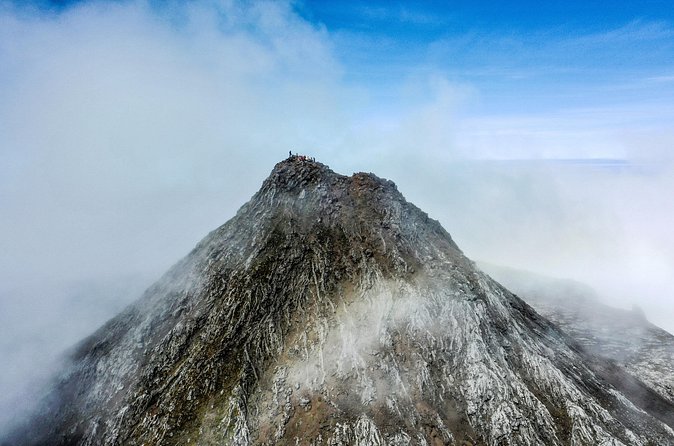
This climb includes two key points during the day: Montanha do Pico and Casa da Montanha. Even if your main goal is the top, these stops help break up the physical demand and give the guide a chance to teach you what you’re walking through.
What you can expect from these moments:
- Short explanations tied to the volcanic setting, with geology in plain language
- Notes on local biodiversity you might not notice without someone pointing it out
- Practical route guidance tied to what the trail surface will feel like ahead
Because the ground is made from volcanic material—solidified lava and rockier scrambling—your guide’s context can make the whole hike feel smarter. Instead of thinking, this is just steep and rocky, you start recognizing why the trail behaves the way it does. That mental shift matters on a long day.
At Casa da Montanha, especially, the climb becomes more “serious.” The information you’re given here pairs well with the numbers: this is where the ascent starts around 7am, and where the big elevation gain really begins to show up in your legs.
Weather Is Not Small Talk Here: Wind, Cloud Level, Rain Forecasts
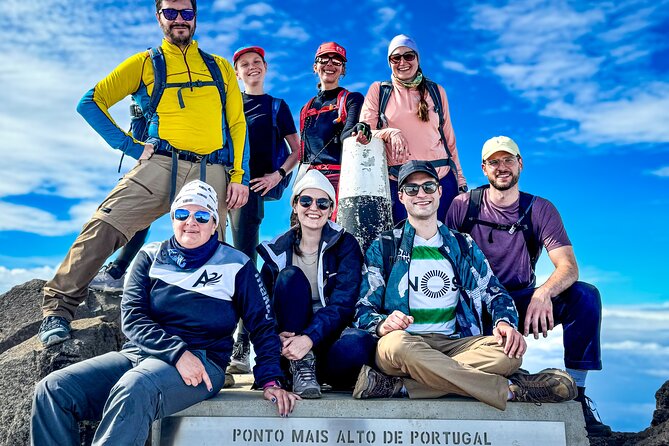
Mount Pico is a weather-dependent summit. The plan explicitly depends on three meteorological factors:
- Wind direction and intensity
- Cloud altitude levels
- Rain forecasts
That matters for two reasons. First, safety: strong winds or certain cloud conditions can make exposed scrambling and footing riskier. Second, visibility: when clouds sit low, the “best track” your guide wants to use may be hard to read, and the safest decision might be to adjust.
This is also why summit success can be a little unpredictable. One of the most valuable things in the way this experience is run is that guides don’t ignore weather. When conditions aren’t right—clouds or snow covering the top is a real scenario mentioned—your guide may work to offer an alternative approach, such as rescheduling the hike to another day.
If you’re the type who hates uncertainty, this might take mental adjustment. But if you’re realistic and flexible, you’ll find that weather-based decision-making keeps the day safer and more enjoyable overall.

How Long Will It Take, and Where the Fatigue Hits
The ascent starts around 7am and the full experience averages between 7 and 9 hours depending on pace and conditions. Group travel affects the timing too. With a group size capped at 9, you won’t be stuck in a huge crowd, but you will still move as a unit.
A pattern people report is that the descent can feel endless. That’s normal on steep volcano trails. Your legs work differently on the way down: you’re controlling your steps, braking with muscles, and absorbing impact on uneven rock. Expect thigh soreness in the next few days if you’re not used to this kind of descent.
Here’s how I’d plan your effort:
- Bring a steady rhythm for the climb. Avoid going out too hard early, because the higher you go, the more the terrain demands coordination.
- Save some attention for the descent. It might feel slower, but it also takes technique.
- Accept that groups can move slower in tricky sections. That’s not a failure; it’s how you stay upright.
If you have strong physical fitness, this is a climb you won’t regret. If you’re only “okay” with hills, you may still reach the top with a guide’s support, but you’ll want to train a bit beforehand and not assume a summit hike is easy just because it’s “only” about 7–9 hours.
What’s Included (and What You’ll Need to Handle Yourself)
Let’s talk value in concrete terms: what you get for your money is pretty practical.
Included:
- Mount Pico Natural Reserve access fee
- Hiking poles
- Professional and certified mountain guide
- Allianz personal accident insurance
- Climbing Certificate of Achievement
Not included:
- Meals
- Air-conditioned vehicle
The poles are a big deal. On irregular rock and steep slopes, extra stability can reduce strain and help you maintain balance. Since they’re included, you won’t have to gamble on whether your own poles are the right length or even bring them at all.
The insurance piece is also worth a mention. On a medium-to-high difficulty summit hike, personal accident coverage adds reassurance, especially when conditions change.
Meals being not included means you should treat the day like an active outing, not a casual morning. Plan on carrying what you need for energy, hydration, and any snacks you rely on.
Getting Ready: Boots, Gear, and Fitness Rules You Can’t Skip
This tour takes gear requirements seriously. It’s mandatory to show up with proper mountain boots and equipment suitable for the activity. If you don’t meet requirements, you can be excluded from the climb without a refund. That’s the sort of rule that can feel harsh until you realize it’s about keeping you safe on scramble rocks and steep sections.
The physical requirements are clear too:
- You should have strong physical fitness
- You should have motor coordination
- You must be in good physical condition
You’re also asked to inform the provider of any physical restrictions, including issues with lower limbs, vertigo, mental health, heart problems, asthma, diabetes, pregnancy, or other health conditions. This isn’t there to be picky. It’s there so the guide can understand what support or caution might be needed.
One more pre-hike note: you should not do underwater activity within 24 hours before the climb. I’d follow that guidance exactly, even if you feel fine. Summit days put your body under stress, and the rules exist for a reason.
Value at $102.84: Paying for Safety, Access, and Guidance
At $102.84 per person, this isn’t a budget stroll. It’s priced like what it is: a guided, certified climb to the highest peak in Portugal.
Here’s why it can still be a strong value:
- Your reserve access fee is included, so you’re not paying extra on top for the protected area
- The guide isn’t a generic “someone who hikes” role. You’re paying for certified mountain guidance
- Hiking poles are included, which reduces your out-of-pocket gear needs
- You get personal accident insurance
- You receive a Climbing Certificate of Achievement
Most importantly, you’re buying risk reduction. A steep, irregular trail is not the place to freestyle navigation. With a guide—especially in fog or uncertain sections—you spend time on the climb instead of worrying where you’re going and how safe the next step is.
If you want the best chance of having a smooth, instructive summit day, this price can make sense. If you’re already fully self-sufficient and confident in volcanic scrambling navigation, you might question paying for a guide—but for most people, the guide’s presence is the whole point.
So, Should You Book the Mount Pico Guided Climb?
If you want a structured shot at Portugal’s highest peak, this is one of the clearer choices on Pico. The format fits active hikers who like a guided route, enjoy learning as they go, and don’t mind a challenging day with a real descent.
I’d especially recommend it if:
- You want a guide to handle navigation on steep, irregular terrain
- You want geology and biodiversity explained instead of just filmed from a distance
- You prefer small-group pacing over a long line of people moving at one speed
- You’re flexible about weather and understand the summit can be affected by wind, cloud, and rain forecasts
One final practical note: this experience is listed as non-refundable and not changeable for any reason, so I’d only book if your schedule and fitness are solid. Then let the guide and the weather make the final call on summit conditions.
If that’s you, book it. Mount Pico has a way of making every step feel earned—and with a certified team like Bruno and Matteo style, you’re much more likely to enjoy the hike, not fight it.
FAQ
What time does the climb start?
The activity starts at 6:00am.
Where do we meet for the guided climb?
You meet at Mountain House, Caminho Florestal nº 9, Candelária, 9950-000 Madalena, Portugal.
How long does the Mount Pico climb take?
It runs for about 7 hours on average.
How many people are in a group?
The group maximum is 9 travelers.
Is the tour offered in English?
Yes, the experience is offered in English.
What’s included in the price?
Included are the Mount Pico Natural Reserve access fee, hiking poles, a professional and certified Mount Pico guide, Allianz personal accident insurance, and a Climbing Certificate of Achievement.
What’s not included?
Meals and an air-conditioned vehicle are not included.
What do I need to bring or wear?
You must have proper mountain boots and equipment suitable for the activity.
What weather factors can affect the climb?
The climb depends on wind direction and intensity, cloud altitude levels, and rain forecasts.
Is there anything I should avoid before the climb, and can I change plans?
You should not have gone underwater for activity within 24 hours before the climb. The experience is non-refundable and cannot be changed for any reason.