REVIEW · SINTRA
Sintra Walking Tour: Romantic Village & Palaces
Book on Viator →Operated by Ó turista! Tours and trips · Bookable on Viator
Sintra feels like a movie set you can walk into. This Romantic Village & Palaces tour strings together the town’s big photo stops, plus pastry breaks, with a guide who knows how the buildings work. I especially like the architect-focused storytelling and the way the route mixes quick viewpoints with meaningful landmarks.
One of my favorite parts is that you’re not stuck in a single palace. You get classic town-center sites (like the Moorish Fountain and the historic streets) and then you move toward the skyline hitters, with plenty of time to decide what you want to revisit later.
The one drawback to plan around is cost and timing inside the main sights. The walking tour itself is budget-friendly, but two major entrances cost extra, and the outdoor walk moves at a light pace with short stops.
In This Review
- Key highlights to look for
- Romantic Village & Palaces: what this 2-hour walk really gets you
- Meeting near Café Saudade: how the route starts and flows
- Paços do Concelho to the historic core: Sintra’s big landmarks without the museum fatigue
- Queijadas in two forms: factory tradition and a famous counter break
- National Palace area: the skyline chimneys and the quiet Church of São Martinho
- Quinta da Regaleira and Seteais: gardens, the Initiation Well, and big panoramas
- Why the guide approach matters in Sintra (Stephanie and Julio in real life)
- Price and value: the low base rate plus two extra palace tickets
- Who should book this walk, and who should skip it
- Should you book the Sintra Romantic Village & Palaces walk
- FAQ
- What’s the duration of the Sintra Romantic Village & Palaces walking tour?
- How much does it cost and what’s included in the price?
- Is the National Palace of Sintra entrance ticket included?
- Is Quinta da Regaleira entrance included?
- Does the tour offer an English-speaking guide?
- Where does the tour start and end?
- How big is the group?
- What should I do if the weather is bad?
- Can I cancel for free?
Key highlights to look for

- Architect-trained local guide who can explain what you’re seeing, not just point at it
- Fast, useful orientation through Sintra’s historic center with plenty of photo chances
- Queijadas stops at both a traditional factory and a famous pastry shop
- National Palace + Quinta da Regaleira covered on the same walk (entrance fees extra)
- Hilltop viewpoints at Seteais with sweeping panoramas for landscapes and architecture photos
Romantic Village & Palaces: what this 2-hour walk really gets you

This is a smart “first Sintra” kind of tour. In about 2 hours 15 minutes, you cover a lot of ground on foot—enough to understand the layout of the village, see the signature palace looks, and get a feel for which sites you’ll want to go back to at your own pace.
The best value here is the mix: you’re not only chasing palaces, and you’re not only wandering souvenir streets. You get a guided path through administrative history, street-level Moorish details, and the royal-residence vibe that makes Sintra famous. And since the guide works in English, you’ll get the explanations without needing to play museum translator.
Group size stays reasonable: it’s capped at 25 travelers. If you have a larger group day, an additional guide is added, which helps keep the walk feeling organized instead of chaotic. There’s also a “light pace” approach, with routes designed to fit different fitness levels—good if your group includes a mix of walkers.
You should also know this tour is weather-dependent. If clouds and rain roll in hard, expect it to be rescheduled or refunded. That matters because several of the most rewarding moments are outdoors: fountains, viewpoints, and palace exteriors.
You can also read our reviews of more walking tours in Sintra

Meeting near Café Saudade: how the route starts and flows

The walk begins at Café Saudade, right on Av. Dr. Miguel Bombarda 6 in central Sintra. It’s a convenient meeting point if you’re also using public transportation in the area, and the tour ends back at the same place, so you’re not trying to figure out a second pickup location.
The tour is designed like a guided stroll with purpose. You’ll hit key landmarks on short stops—often around 10 to 15 minutes—so you can see the essentials without spending your whole day queuing, paying, or getting stuck in one place too long.
That “short stop” style is great for travelers who want options. You’ll quickly learn what you love—architecture details, views, or the pastry trail—and you can build a follow-up plan for later. It’s also good for groups where people don’t all want the same thing at the same speed.
Paços do Concelho to the historic core: Sintra’s big landmarks without the museum fatigue
Your walk starts by grounding you in Sintra’s identity. One of the first stops is the Camara Municipal de Sintra (Paços do Concelho), the town hall building. It’s one of those places you’d never notice as a tourist landmark if you didn’t have a guide telling you what to look for.
This building (1906–1909) mixes styles—neo-Manueline and neo-Romanesque—and the tower gets your attention fast: decorative tilework, the Cross of Christ, the national coat of arms, and an armillary sphere on top. Inside, you’ll find a two-story cloister and richly decorated details, but even if you don’t go deep inside, the architecture makes the exterior worth the stop. The placement also helps you understand the town’s flow: it sits between Vila Velha and Estefânia, putting it in the middle of the village’s daily geography.
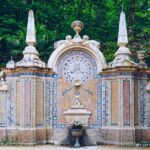
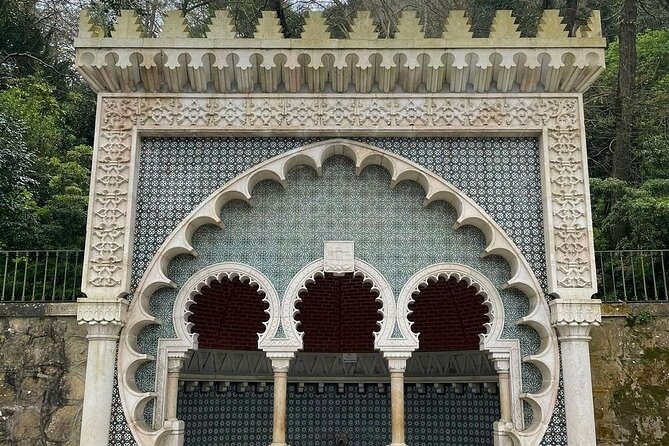
From there, the tour keeps moving through photo-friendly corners. You’ll pause at the Moorish Fountain, known for its colorful tiles and intricate Moorish-inspired design. It’s a peaceful reset point—small enough to soak in, scenic enough to shoot, and culturally important enough that it doesn’t feel like a random roadside stop.
Then you step into the Centro Histórico de Sintra, the narrow, winding center where the whole town’s mood comes from. This is where the souvenirs and cafés are, sure—but more importantly, it’s where you’ll notice flowered balconies, colorful façades, and that constant smell of baked sweets drifting through the streets.
The walk also includes the Pelourinho de Sintra, the pillory monument in the main square. Dating to the 16th century, it’s not just a stone marker. It represents Sintra’s past autonomy and justice system—the kind of detail that makes the streets feel tied to real civic history, not just postcard scenery.
A practical note: every one of these stops is free admission, and the tour’s structure keeps them quick. If you’re the type who wants to stare at details for a long time, you might want to set aside extra time later to return to the spots you love most.
Queijadas in two forms: factory tradition and a famous counter break
Sintra’s pastry culture is not a side quest here—it’s part of what makes the town feel like Sintra. The tour includes a tasting stop for traditional pastries, and it’s timed so you’re not hunting around hungry later. The tasting itself is included, but consumption isn’t fully covered, so plan to buy if you want more than a small sample.
First up is Queijadas da Sapa, a traditional factory with history going back to 1850. Queijadas are one of the signature sweets of the region, and this place is associated with the artisanal process behind them. The key point is timing: you’ll learn why the pastry tastes the way it does and see the production tradition without it turning into a full-blown food tour.
Next is Casa Piriquita, one of the best-known stops in town for two classics: travesseiros and queijadas. It’s described as having roots in the early 20th century, and the shop is located in the heart of Sintra. This is the kind of stop that turns the walk from “sightseeing day” into “I’ll remember this day” day.
If you’re budget-minded, take a smart approach: get one sweet to share (or one to sample and another later), then use the walk to decide what you actually want to bring home. Sintra sweets are great souvenirs, but the prices can vary a lot depending on where you buy.
National Palace area: the skyline chimneys and the quiet Church of São Martinho
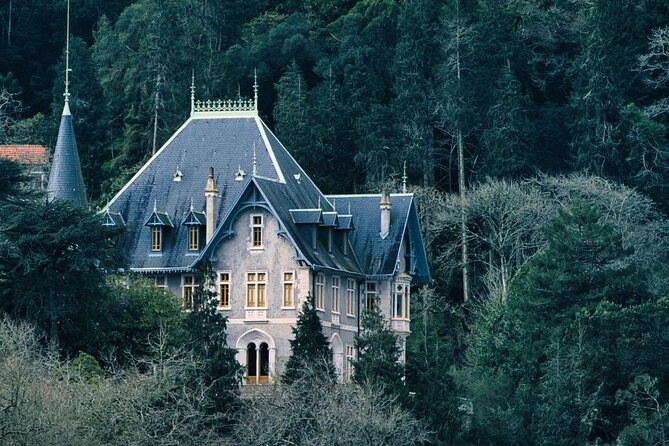
The tour moves toward royal symbolism, starting with the Sintra National Palace. You’ll recognize it instantly from the outside: those conical chimneys dominate the village skyline. The palace blends Gothic, Manueline, and Moorish influences, so the architecture doesn’t sit in one neat style bucket—it’s a layered visual story.
This stop matters for a reason beyond photos. Inside, you’d expect ornate halls and tilework, and that’s exactly what the palace is known for. But on this walk, the entrance is not included—you’ll pay an additional €13 per person if you want to go in.
If you’re trying to decide whether to pay, think about your travel style. If you like interiors and tile details, it’s worth it. If you prefer exteriors and want to save time and money for a deeper Regaleira visit, you could skip the inside portion—just keep in mind the chimneys and façade will still impress from the street.
Nearby, you’ll also stop at the Igreja de São Martinho. This church has a quieter, simpler approach than the palace flash. Dedicated to Saint Martin, it’s a calm break near the National Palace area, and it’s free admission on the walking route. It’s a good reset if the palaces have you feeling like you’re moving at speed.




Quinta da Regaleira and Seteais: gardens, the Initiation Well, and big panoramas
Two of the most memorable parts of Sintra are the ones that look like they were designed for imagination. This tour includes both Quinta da Regaleira and Seteais, and they work well as a pair: Regaleira is symbolic and garden-driven; Seteais is architecture-and-view-driven.
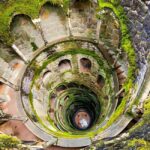
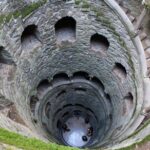
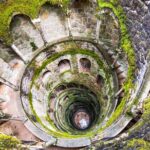
At Quinta da Regaleira (UNESCO World Heritage Site), the estate is known for lush gardens with secret-like pathways, grottoes, and fountains. The palace presence adds drama, but what makes people talk is the symbolism scattered through the site. One of the signature attractions is the Initiation Well—an inverted tower with spiral stairs. It’s described as being linked to initiation rituals and esoteric traditions, including beliefs connected to Freemasonry and alchemy.
Entrance here is not included and costs €15 per person. One advantage is that a guided visit can be arranged during the tour with an expert who can explain the deeper meanings behind the design. If you care about story and symbolism, this is the stop that gives you the biggest payoff for paying an entrance fee.
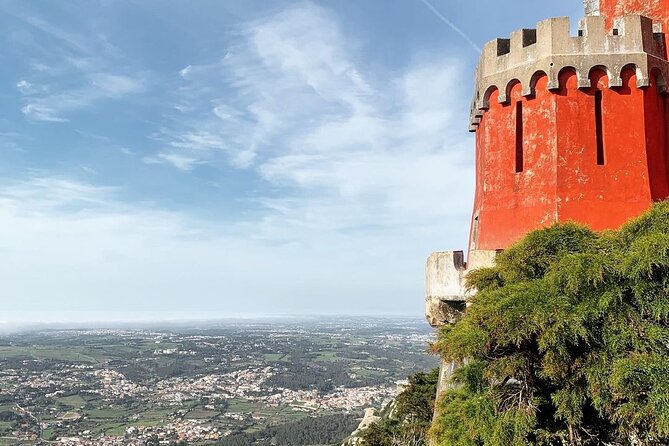
Then comes Seteais—a hilltop photography favorite. The viewpoint is the draw: you can take in the Sintra mountains, the Pena Palace area, and on clear days you may even see the Atlantic. The palace façade is neoclassical, with an iconic triumphal arch that makes it feel monumental even when you’re just standing outside.
Seteais also has well-kept gardens and photo-friendly details like green labyrinth elements, fountains, and sculptures. This stop is free on the walk, which makes it a solid “best bang for your eyes” segment: you get the views without adding another ticket.
Why the guide approach matters in Sintra (Stephanie and Julio in real life)
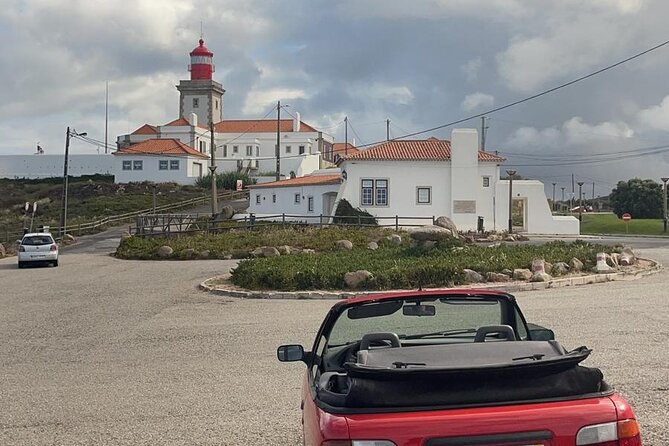
Sintra can turn into visual overload fast. That’s where the guide style becomes the real product.
This tour is led by a local Sintra guide with formal tourism training, and the guide background includes architecture expertise. That means you get explanations that connect design choices to the places you’re standing in, from tile patterns to why particular buildings look the way they do.
The difference shows in the guides people have met. For example, Stephanie is described as speaking excellent English, friendly, and focused on history and architecture details. Julio is described as contacting guests before the tour and staying attentive throughout, plus helping with recommendations after the walk.
You’ll also notice how this kind of guide makes the “short stops” feel less rushed. Instead of seeing 12 things with no meaning, you come away with a short list of what to follow up on later.
Price and value: the low base rate plus two extra palace tickets
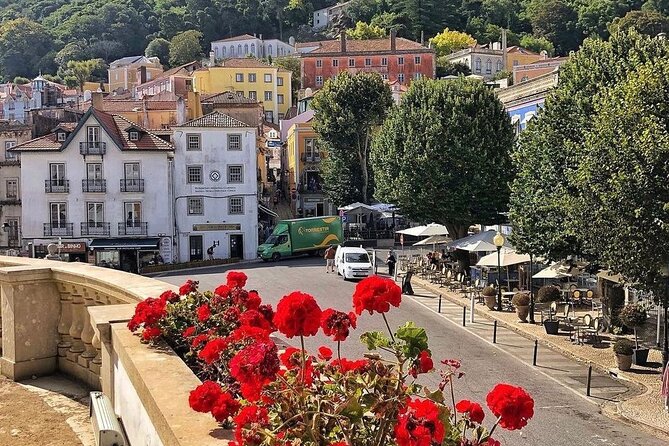
The listed price is $3.62 per person, and the inclusions help justify it: you get local guide time, insurance, and a stop to taste Sintra traditional pastries (again, tasting is included, but buying more isn’t covered).
The trade-off is that the tour is structured like a guided walk with optional paid interiors. Two specific entrances are not included:
- National Palace of Sintra: €13
- Quinta da Regaleira: €15
So the real budgeting depends on your priorities. If you’re only curious about the exterior vibe and free stops, your out-of-pocket stays low. If you want the inside experience at both, you should expect your total cost to rise quickly—but it’s still often cheaper than booking two separate palace-focused tours from scratch, because you’re getting the orientation guide work bundled in.
Think of the base price as paying for the map in your brain. The extra tickets are paying for the heavy hitters inside the palaces.
Who should book this walk, and who should skip it
This tour fits best if you:
- want a fast overview of Sintra’s village layout and main sights
- enjoy street-level beauty (historic center streets, fountains) and not just museum interiors
- like an architecture-minded explanation while you walk
- are traveling with mixed ages or fitness levels and need a light pace
It’s also a plus that service animals are allowed and the tour is described as suitable for all traveler profiles, with most people able to participate.
You might want a different plan if you:
- expect palace interiors to be fully explored in depth during this 2-hour window
- want long, slow time inside National Palace and Regaleira back-to-back without outdoor waiting and walking
- are traveling during rainy weeks and hate the idea of weather affecting plans
Should you book the Sintra Romantic Village & Palaces walk
Yes—if you want the practical version of Sintra. Book it when you’re short on time and want a guided path that helps you understand what you’re seeing, especially around the National Palace area and Regaleira’s garden symbolism.
I’d book it even more confidently if you plan to pay at least one of the two entrances. If you’re deciding between Regaleira and National Palace, Regaleira often feels more “world-within-a-world” because of the garden design and the Initiation Well story. But the National Palace is the easiest add-on if you love architecture details and tilework.
The smart move is to go on the walk, then use the experience to pick your favorites for a return visit on a calmer day. That’s where Sintra really pays off—because the town rewards repeat walks.
FAQ
What’s the duration of the Sintra Romantic Village & Palaces walking tour?
It runs for about 2 hours 15 minutes.
How much does it cost and what’s included in the price?
The price is $3.62 per person. It includes insurance, a local Sintra guide, and a stop to taste Sintra’s traditional pastries (tasting is included; more consumption is not included).
Is the National Palace of Sintra entrance ticket included?
No. The National Palace of Sintra ticket is not included and costs €13 per person.
Is Quinta da Regaleira entrance included?
No. The Quinta da Regaleira ticket is not included and costs €15 per person.
Does the tour offer an English-speaking guide?
Yes. It’s offered in English and you’ll receive a mobile ticket.
Where does the tour start and end?
The tour starts at Café Saudade, Av. Dr. Miguel Bombarda 6, 2710-590 Sintra, Portugal and ends back at the same meeting point.
How big is the group?
The tour has a maximum of 25 travelers. If the group is larger than 20, an additional guide is provided.
What should I do if the weather is bad?
The tour requires favorable weather. If it’s canceled due to bad weather, you’ll be offered a new date or a full refund.
Can I cancel for free?
Yes. You can cancel up to 24 hours in advance for a full refund.