REVIEW · LISBON
Lisbon: Pastel de Nata Masterclass at a Real Bakery
Book on GetYourGuide →Operated by Nat'elier · Bookable on GetYourGuide
Cooking Pastel de Nata is Lisbon magic. This masterclass takes you beyond tasting and teaches you the craft inside a working bakery, with a professional pastry chef guiding your hands. I love working in a real bakery kitchen and learning puff pastry from scratch so the results make sense, not just hope.
You’ll also get a real team setup: small group (max 12), hands-on dough work, custard filling, and a warm-tart tasting with a drink. One consideration: the experience is not suitable for people with mobility impairments, since it’s run in a bakery kitchen and viewing areas.
In This Review
- Key things I’d circle before booking
- Baking Pastel de Nata at Nat’elier: Why this class feels authentic
- The first step: history intro, then gear up in a pro setup
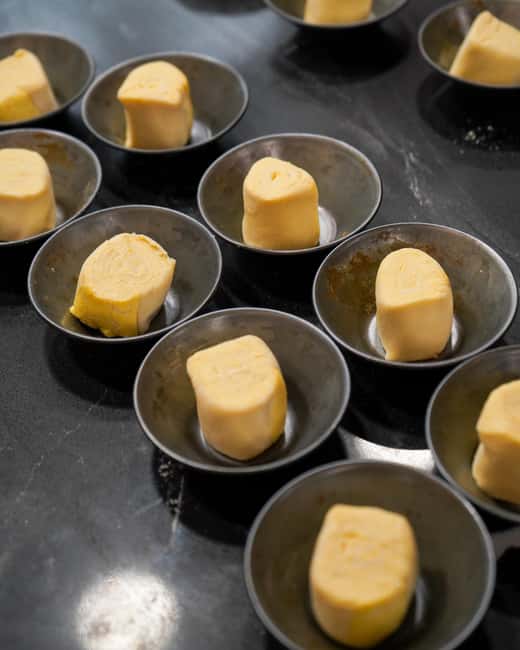
- Your hands-on runway: laminate, shape, and fill your Pastéis de Nata
- Baking in a real oven: timing, texture, and why your custard sets right
- Tasting, photos, and barista drinks: what happens after you bake
- Price and value: is $82 worth it in Lisbon?
- Finding Nat’elier near Baixa-Chiado without stress
- Who should book this (and who should skip it)
- Quick tips to get the most from your 2 hours
- Should you book the Pastel de Nata Masterclass at Nat’elier?
- FAQ
- How long is the Pastel de Nata masterclass?
- How many Pastéis de Nata will I make?
- What’s included in the price?
- What languages are the instructors?
- Is alcohol included with the drink?
- Is the class suitable for people with mobility impairments?
Key things I’d circle before booking
- A real working bakery kitchen at Nat’elier, not a demo room
- Laminate puff pastry from zero, even if you’ve never baked
- Make at least 3 Pastéis de Nata by hand, with guided technique
- Professional oven bake + warm tasting, with a barista-crafted drink
- Instructors vary by session, including chefs like João Batalha, Adriano, Silvia, Sergio, and others
Baking Pastel de Nata at Nat’elier: Why this class feels authentic
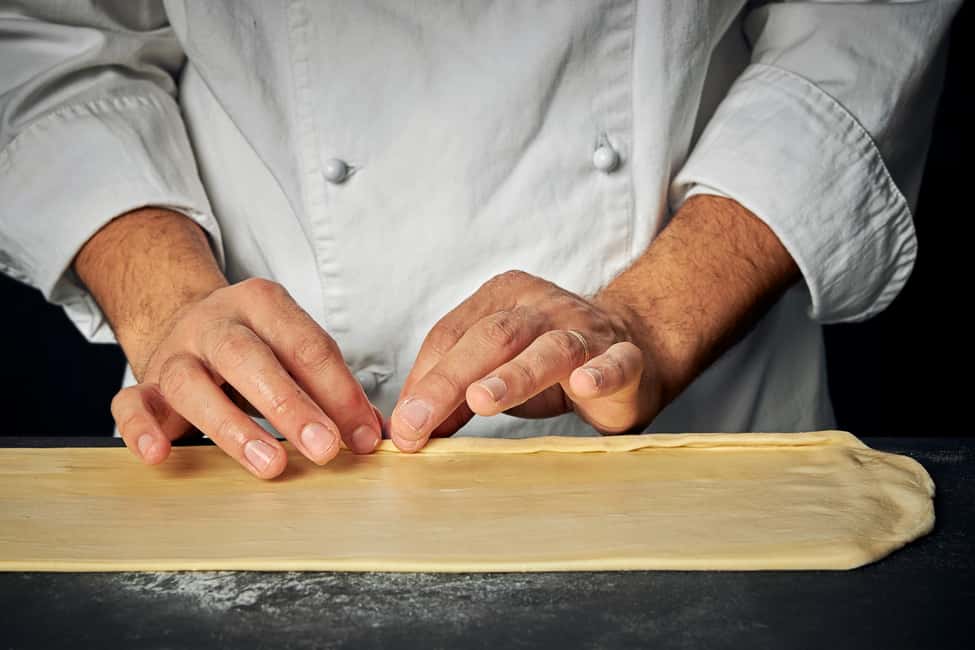
Lisbon has plenty of ways to eat an egg tart. This is different. At Nat’elier, you’re not just watching pastries get made—you’re working inside a real bakery process, with the same kind of tools and workflow pros use.
That matters because Pastel de Nata isn’t “just custard in a shell.” The magic is in the dough technique: how the pastry is layered (laminated), how it’s shaped, and how the filling is portioned so it bakes into that signature custard dome.
What I like most is that the class treats it like a skill you can learn. You start with a history intro, then you gear up (aprons and hair nets), then you step into the kitchen where the oven heat and timing become part of the lesson. The end goal isn’t a photo—it’s the ability to do it again at home.
Since 2018, this has been described as Portugal’s only Pastel de Nata cooking class run in a real bakery setting, and the teaching is led by a professional pastry chef (for example, João Batalha at some sessions, or other in-house chefs such as Silvia Sousa, Adriano Cardoso, or Sergio Garcia). Translation: you’re more likely to get correct technique than a watered-down workshop.
You can also read our reviews of more tours and experiences in Lisbon.



The first step: history intro, then gear up in a pro setup
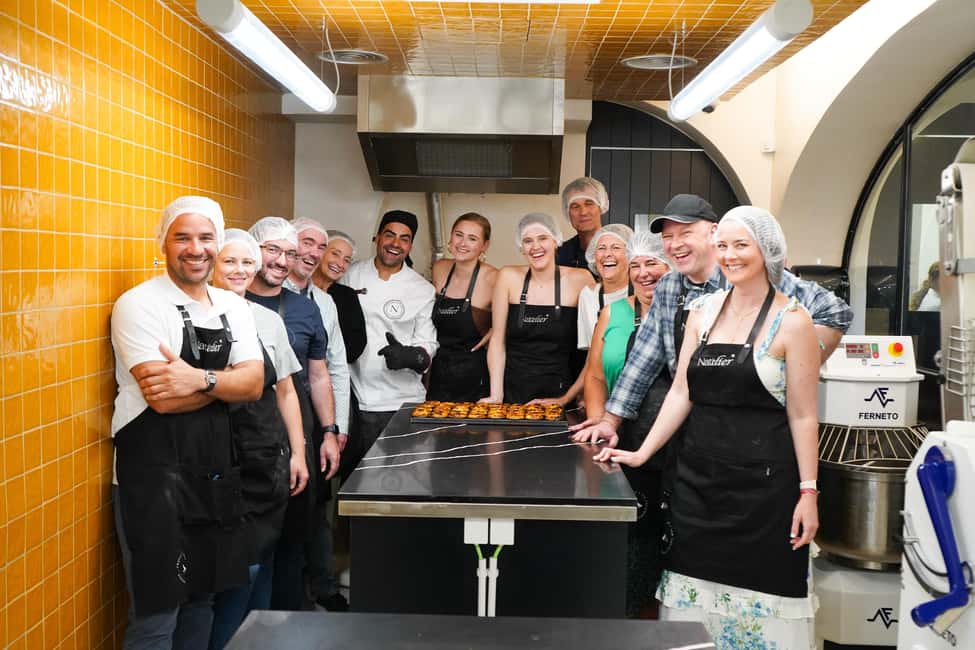
The workshop starts with context. You’ll get an introduction to the history of Pastel de Nata before anyone hands you dough. For me, that helps because it frames why the tart is made the way it is, and why details (like dough layering and custard texture) aren’t random.
Then you’ll get ready for the kitchen. Think aprons and hair nets, plus instruction on how to handle ingredients and equipment safely and cleanly. The vibe is practical: you’re prepared to work, not just observe.
This phase is also where you get your baseline. Once your chef explains the sequence—what comes first, what you’re building toward, and what you’ll be evaluated on (in the friendly way chefs do)—the rest of the 2 hours feels structured. People who worry about baking often relax here, because you’re told exactly what “good” looks like at each stage.
Your hands-on runway: laminate, shape, and fill your Pastéis de Nata
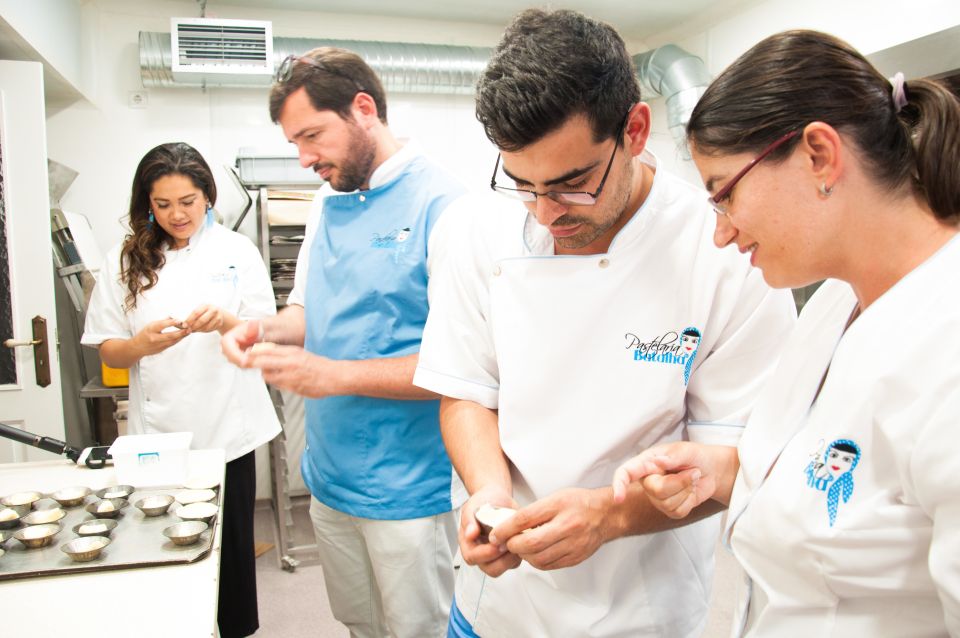
The core of the class is hands-on. It’s max 12 participants, and you’re actively making tarts, not standing in a line waiting your turn.
A key promise in the class is that you’ll work in steps:
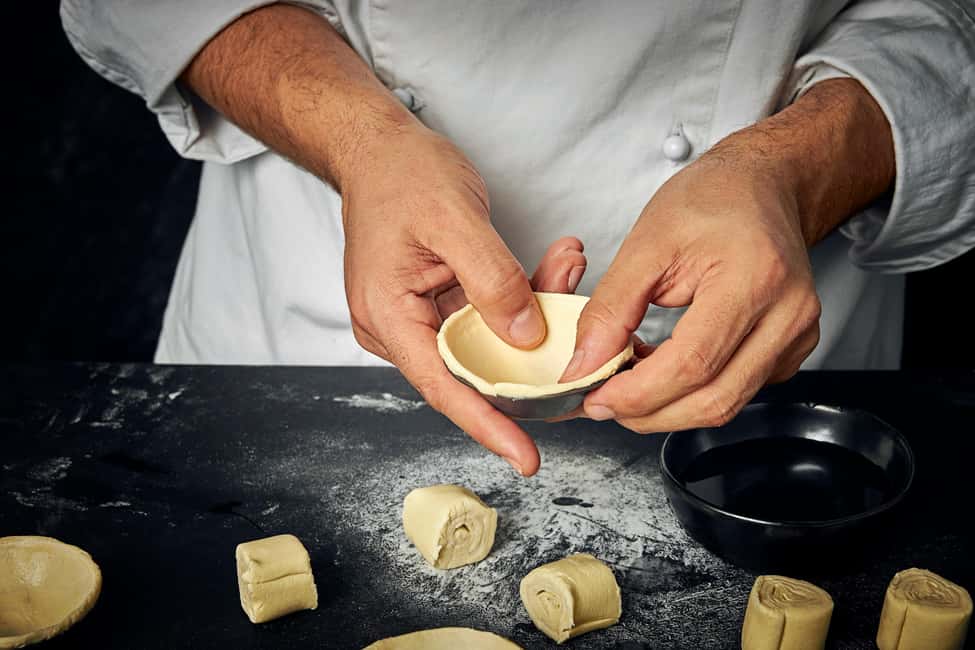
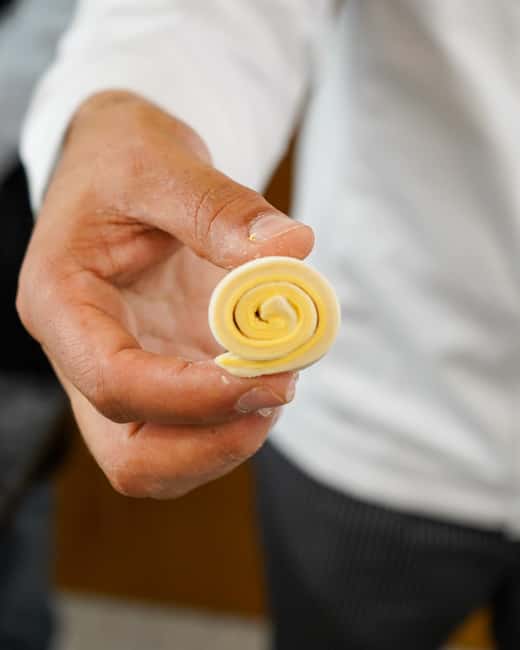
- you’ll learn how to laminate the dough (puff pastry from zero)
- you’ll practice the Pastel de Nata technique for shaping/spreading
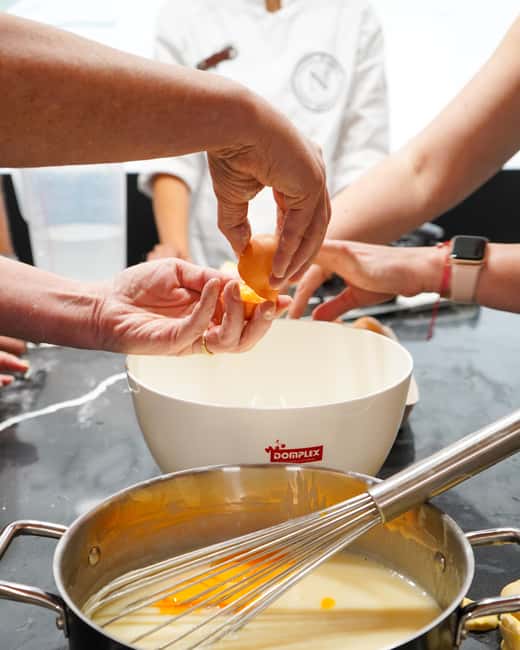
- you’ll fill the custard and set up the tarts for baking
The big reason this feels worthwhile is that you get repeated practice. Everyone makes at least 3 tarts by hand. In other baking classes, you might assemble one item and then watch others bake. Here, you’re building muscle memory—layering, handling, portioning, and shaping—so the tart you eat later doesn’t feel like magic luck. It feels like a skill.
And the instruction style is often praised. In practice, you’ll get guidance that includes not just what to do, but why a step matters. That’s what helps you replicate it later, when you’re alone with your oven and your kitchen counter.
Also worth noting: the class includes ingredients for the baking portion and all the equipment you need. So you’re not trying to translate a recipe you don’t fully understand while standing in a foreign kitchen.
Baking in a real oven: timing, texture, and why your custard sets right
Once your tarts are filled, the group bakes them in a professional oven. This step is the payoff—and it’s also where the chef’s guidance pays off.
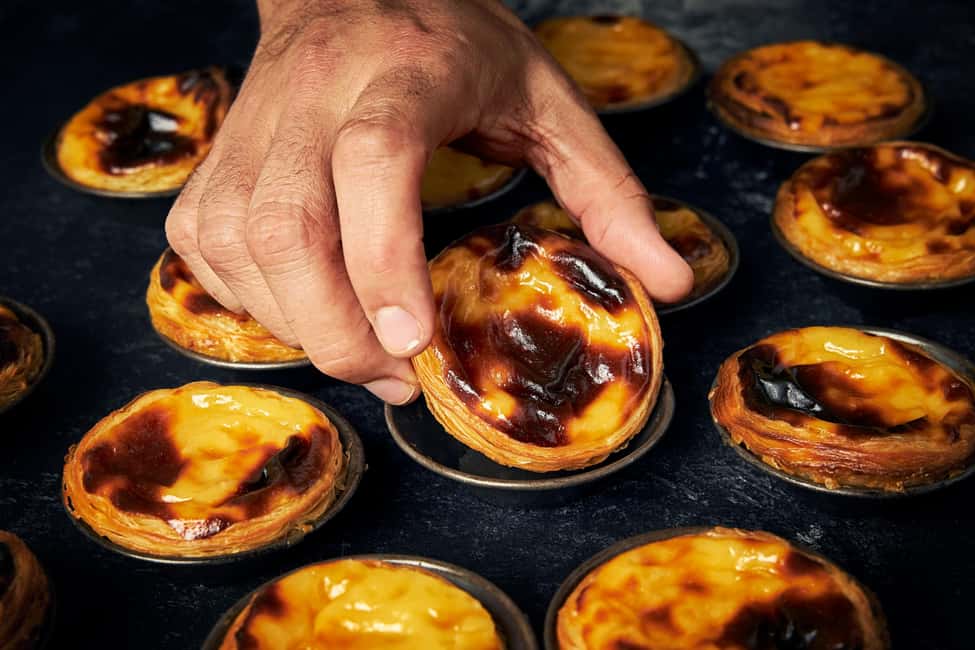
Custard in Pastel de Nata is not like a simple pudding you can “eyeball.” You’re aiming for that tender set with a slightly roasted top while the pastry layers hold up. That’s why this is taught in a real bakery environment: the ovens, heat, and workflow are tuned for this style of tart.
In a small-group setup, you’ll also see the rhythm of production. You’re not just making one tart; you’re contributing to a batch schedule, so you’ll learn to manage small tasks without panicking.
By the time you reach tasting, your tarts are warm. That warmth is part of the experience. The flaky pastry hits differently right out of the oven, and the custard texture is at its best when it hasn’t cooled completely.
Tasting, photos, and barista drinks: what happens after you bake
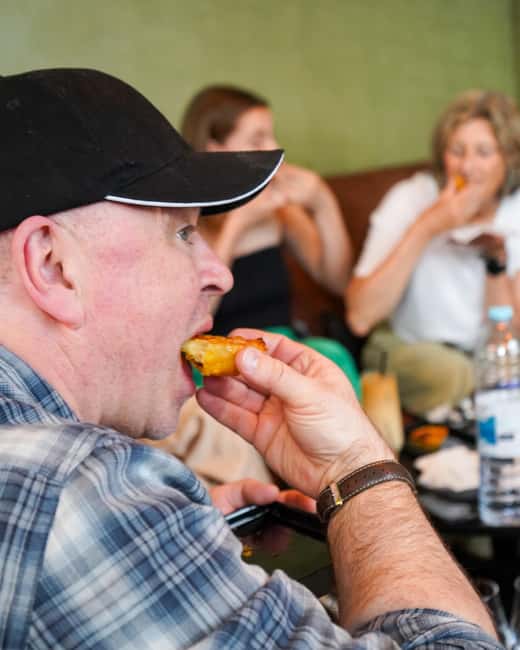
After baking, you taste what you made. Included is a beverage of your choice—hot or cold—crafted by the baristas. Alcohol isn’t included, but you can pick from what they offer.
This is also when the social side kicks in. The format encourages people to talk while they wait for their tarts and cool-down moments happen. You’re learning a process together, so conversation comes naturally.
Many sessions include time for photo opportunities—both with the ingredients used and the finished tarts. If you like documenting what you made (and you probably do, because it’s hard to forget the smell of fresh custard tarts), this part is built in.
You’ll also receive a certificate of participation. That’s a small thing, but it signals you didn’t just buy a snack—you completed a real class.
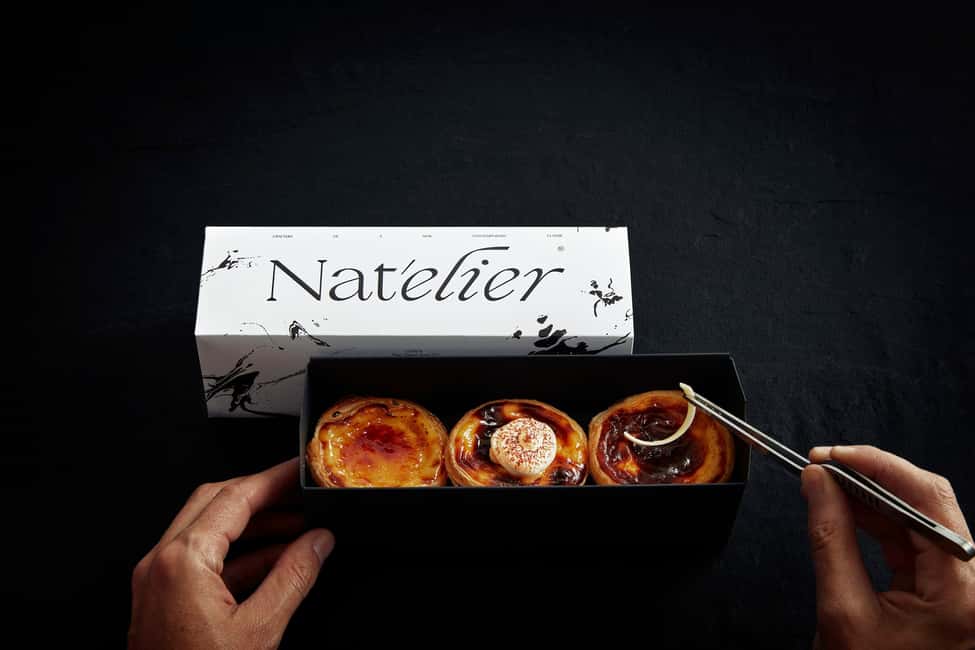
Depending on the session, you may also be able to take pastries away. Some participants have mentioned receiving a box for takeaway, so it’s reasonable to ask at the end if this is offered on your date.
Finally, a practical bonus: some people report getting the recipe by email afterward. That’s one of the best ways to turn a fun afternoon into a future baking win at home.



Price and value: is $82 worth it in Lisbon?
At $82 per person for a 2-hour class, you’re paying for three things that matter: instructor time, a working bakery kitchen, and hands-on output.
Here’s the value math that makes it feel fair:
- You get to make at least 3 Pastéis de Nata by hand (not just watch).
- Ingredients, baking equipment, aprons, and hair nets are included.
- You get a beverage included with your tasting.
- You receive a certificate (and often a recipe email, based on participant notes).
If you’ve tried “cook a recipe” classes in tourist areas where you basically assemble ingredients with no real technique taught, you’ll feel the difference here. The dough lamination is the expensive-skill part. It takes time, space, and the right teaching to do it cleanly. A real bakery setup is the only way to keep that quality consistent.
Also, the class is designed for maximum learning in a short window. Two hours sounds tight—yet the structure helps. If you want something that feels like a real activity during your Lisbon days rather than another sit-and-stand tour, this format hits that target.
Finding Nat’elier near Baixa-Chiado without stress
The meeting point is Nat’elier, a pastry store in Lisbon. It’s located outside the metro station of Baixa-Chiado on the blue line.
To make this painless:
- Plan to arrive a bit early so you can check in before the kitchen work starts.
- Let the staff know you’re attending the Pastel de Nata Masterclass.
The location is in the old city area, so you’ll likely be walking at some point. Wear comfortable shoes—this is a kitchen environment, not a museum floor.
Who should book this (and who should skip it)
This is especially suited to:
- food lovers who want more than tasting
- first-time bakers who want a guided start with real technique
- solo travelers who enjoy meeting people through a structured activity
- couples or small groups who want something interactive
It’s also a good choice if you care about Portuguese culture in a practical way. You’re learning how a beloved local pastry is built, which gives you something to take home beyond souvenirs.
But consider skipping if you have mobility impairments. The experience is explicitly not suitable for people with mobility impairments, and it’s run in a bakery kitchen with typical movement and workspace constraints.
Language-wise, instruction is English and Portuguese. In practice, if you rely on one language only, you’ll want to be comfortable enough to follow the chef’s cues and questions within a group format.
Quick tips to get the most from your 2 hours
- Go in with the mindset of learning technique, not just finishing tarts. That’s how you’ll leave confident to repeat it.
- Pay attention during the lamination and shaping steps. Those are the difference-makers when you bake at home.
- Don’t rush the filling. If the custard portion is off, the bake result changes.
- If you want to recreate it later, plan to keep the recipe info after class (if it’s provided by email in your session).
- If you’re traveling with dietary needs, you can ask before you book—your class includes ingredients and a standard baking process, and the data doesn’t list special swaps.
Should you book the Pastel de Nata Masterclass at Nat’elier?
I’d book this if you want a true “do it yourself” food experience in Lisbon, with a professional chef and a working bakery kitchen. The combination of hands-on lamination, at least 3 tarts made by you, and warm tasting with a barista drink makes it feel like more than a workshop.
Skip it if mobility is a concern, or if you know you don’t want a hands-on food activity that requires attention and follow-through for a couple of hours.
If you’re deciding between this and another Lisbon food stop, I’d pick the one that teaches a skill you can repeat. Pastel de Nata is one of those skills that turns into a home tradition fast—and the smell of a just-baked custard tart is a memory you’ll still be chasing months later.
FAQ
How long is the Pastel de Nata masterclass?
It lasts 2 hours.
How many Pastéis de Nata will I make?
You’ll make at least 3 Pastéis de Nata by hand during the class.
What’s included in the price?
Included are the ingredients for the baking class, all baking equipment, aprons and hair nets, water, 3 Pastéis de Nata, and a barista-crafted hot or cold beverage of your choice (alcohol excluded). You also receive a certificate of participation.
What languages are the instructors?
The class is taught in English and Portuguese.
Is alcohol included with the drink?
No. The included beverage is alcohol excluded.
Is the class suitable for people with mobility impairments?
No. The experience is not suitable for people with mobility impairments.