REVIEW · SESIMBRA
Sesimbra: Arrábida Dolphin and Whale Watching with Biologist
Book on GetYourGuide →Operated by DayDreamExperience · Bookable on GetYourGuide
Wild dolphins, guided by a marine biologist. You’ll cruise from Sesimbra into Arrábida Natural Park, where guides like Catarina and Andri turn whale-and-dolphin spotting into a real lesson on behavior and protection, and you may spot dolphins surprisingly quickly. I like the focus on both learning and fun—you’re not stuck listening the whole time. One thing to factor in: if you have limited mobility, are pregnant, or have other conditions affected by weather, you’ll want to message the team first because conditions can change comfort on the water.
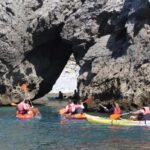
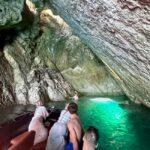
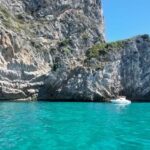
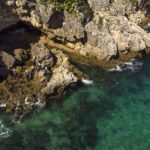
The trip is built around safety and a “we’re in the animals’ home” mindset: you go out with an STCW-certified crew and you’ll wear life jackets. I also like that they don’t treat this as a one-species hunt. You’ll scan for migratory birds and other ocean life, and the day can stretch into caves and wild-coast scenery too.
In This Review
- Key highlights that matter
- Sesimbra dolphin and whale watching: why Arrábida is the right day trip
- The marine biologist briefing: what you’ll actually learn
- Getting there: finding the ESPADARTE boarding pier fast
- The 3-hour structure: how the cruise and stops work
- Start in Sesimbra with safety briefing (about 30 minutes)
- First wildlife run: cruise and dolphin/whale watching (about 45 minutes)
- Second wildlife run with a photo stop (about 45 minutes)
- Praia da Mijona photo stop (about 15 minutes)
- Ribeiro do Cavalo Beach: swimming and snorkeling (about 25 minutes)
- What wildlife you should keep an eye out for
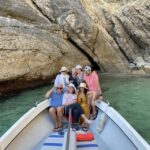
- The boat, the viewing style, and why it feels different
- Price and value: is $64 a good deal for this day?
- What to pack so the day feels easy
- Who this tour suits best (and when to think twice)
- Should you book this Sesimbra dolphin and whale watching tour?
- FAQ
- How long is the Sesimbra dolphin and whale watching tour?
- What does the tour cost?
- Where do I meet for the tour?
- Are food and drinks included?
- Which languages are offered for the live guide?
- Is the tour wheelchair accessible?
- What should I bring for the trip?
Key highlights that matter
- Marine biologist guide on board who explains what you’re seeing and why it matters
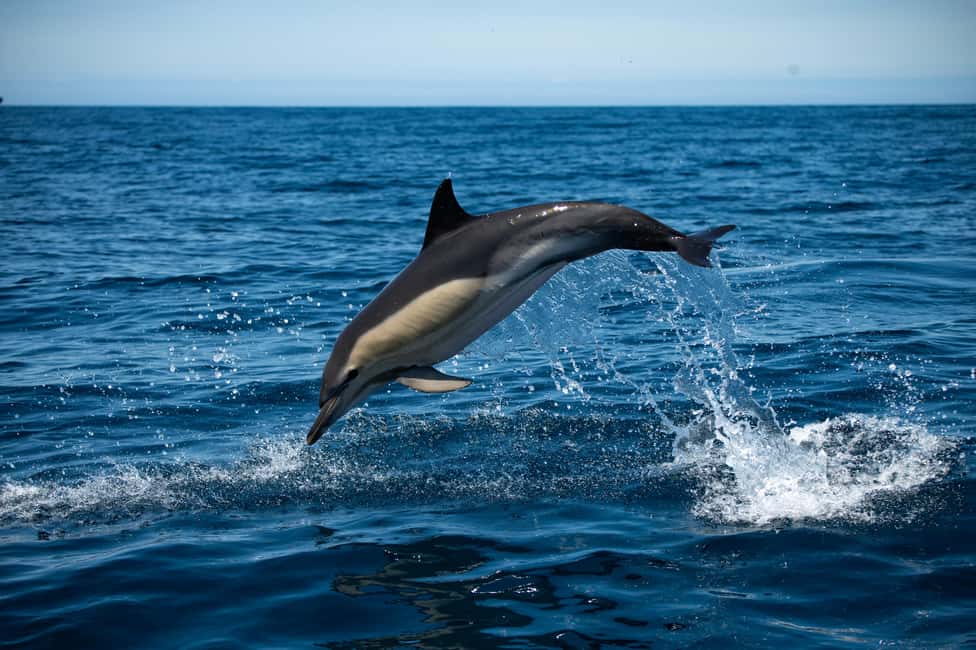
- Dolphins often show up fast, sometimes with pods that stick around for extended viewing
- Respectful viewing approach that aims to reduce stress while still giving you good photo time
- More than whales and dolphins: keep watch for birds and species like tuna or sunfish
- Ribeiro do Cavalo swim and snorkeling stop in a remote-feeling cove on the Sesimbra coast
- A crew that cares in real time, including reported rescue action if wildlife gets tangled
Sesimbra dolphin and whale watching: why Arrábida is the right day trip
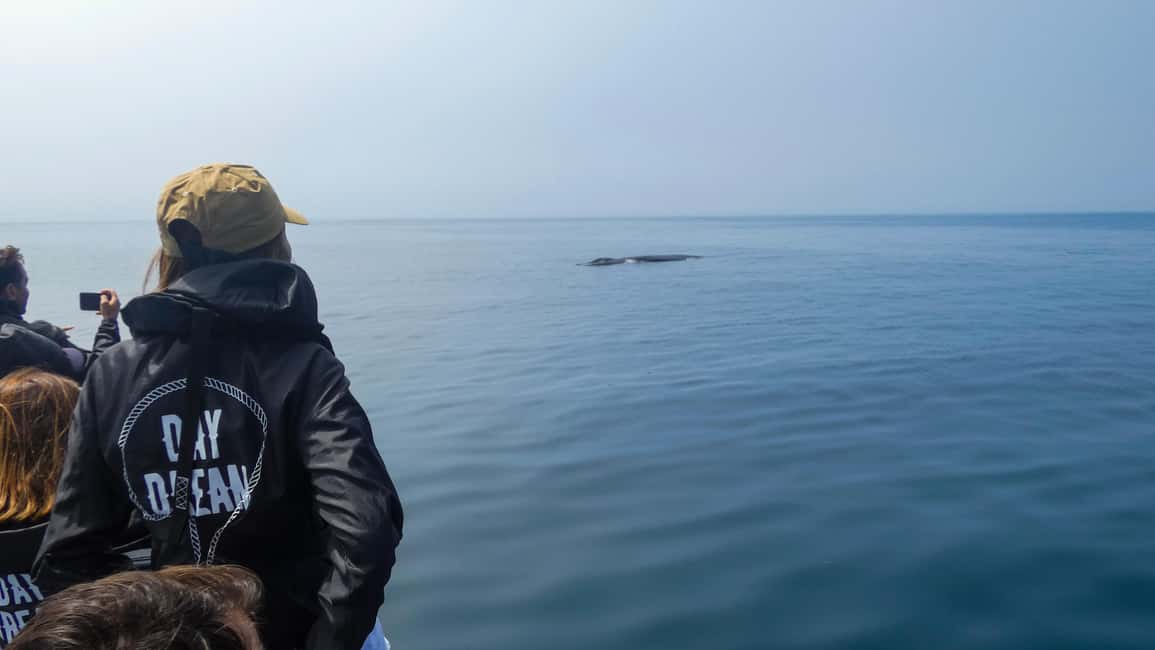
Sesimbra sits close enough to Lisbon that this feels like a proper change of pace, not a slog. The action happens in the water off Arrábida Natural Park, an area known for productive marine life and plenty of bird activity. In plain terms, it’s the kind of place where your odds don’t rely on one lucky sighting at the last second.
What makes this cruise appealing is the way the day is paced. You’re not doing a long, exhausting transfer and then getting a quick look from a crowded deck. Instead, you get a short, focused setup ashore, then time on the water with a guide who’s actively helping you interpret what’s happening.
It’s also a nice fit for mixed groups. The tour is designed to be safe and suitable for all ages, which matters if you’re traveling with kids or older relatives who still want to see wildlife but may not want a full-day excursion.
You can also read our reviews of more whale watching tours in Sesimbra
The marine biologist briefing: what you’ll actually learn
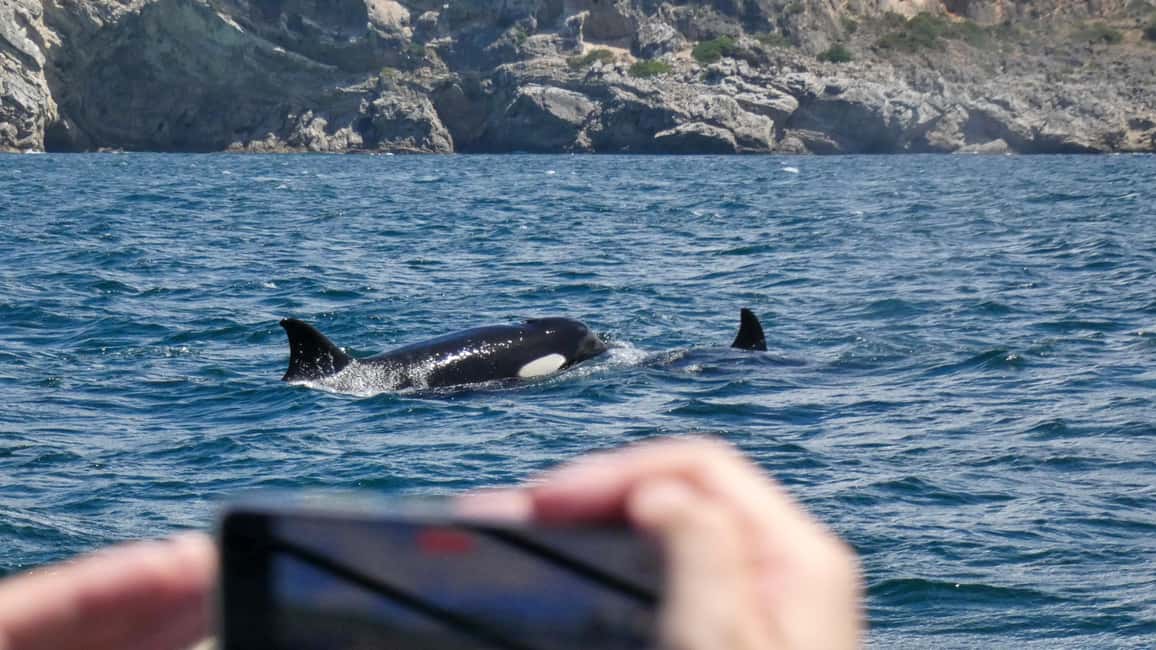
The trip includes a marine biologist guide, and that’s not just a title. The vibe onboard is: watch closely, then understand what you’re seeing—without drowning you in textbook talk.
Here’s what this kind of guide helps you with during the cruise:
- Behavior spotting, not just species names
You learn what to look for when dolphins are feeding, socializing, or moving through the area.
- Where wildlife fits into the ecosystem
Instead of treating animals like trophies, the guide connects them to the protected environment around Sesimbra.
- Conservation in real language
The messaging is about protecting the ecosystem and keeping animals from getting stressed.
One detail I really like from firsthand accounts: guides such as Catarina have been described as answering questions freely, not reciting a script. That makes a big difference when you’re standing on a moving boat and you want quick, practical explanations.
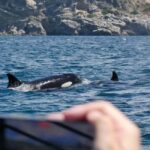
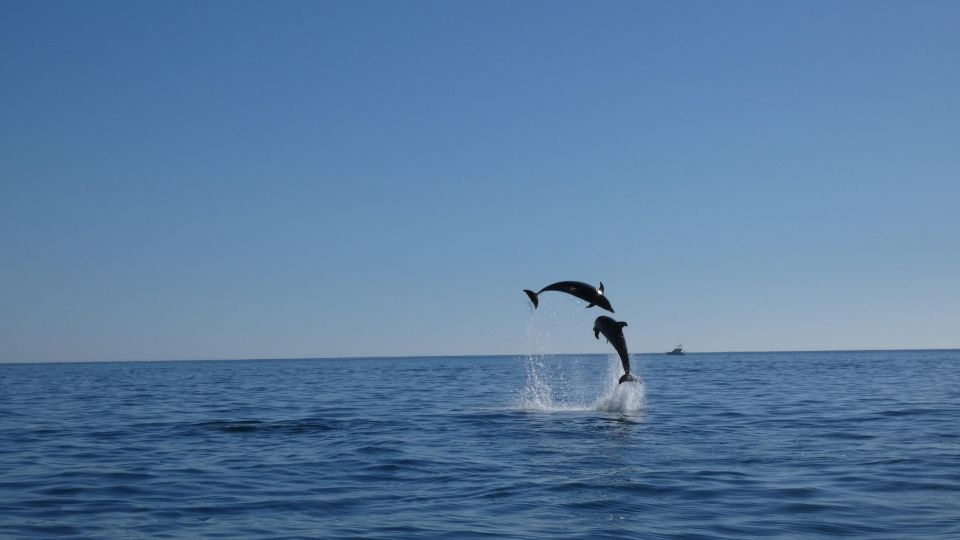
And yes, the day can get genuinely exciting fast. There are reports of seeing dolphins within minutes, including close, coordinated swimming that can last long enough for multiple viewpoints and lots of photo chances.
Getting there: finding the ESPADARTE boarding pier fast
You’ll meet at the pier called ESPADARTE, which is described as the third white boarding gate after the CNS (Clube Naval de Sesimbra) building. If you’re using maps, zoom in to the marina area so you can line up landmarks quickly.
Because there’s no hotel pickup, this is one of those tours where your own timing matters. I’d give yourself buffer time to find the exact gate and settle in before the safety briefing.
Also, come prepared for wind. Even when the day is bright in Lisbon, the coast can feel cooler and more gusty once you’re out on the water.
The 3-hour structure: how the cruise and stops work
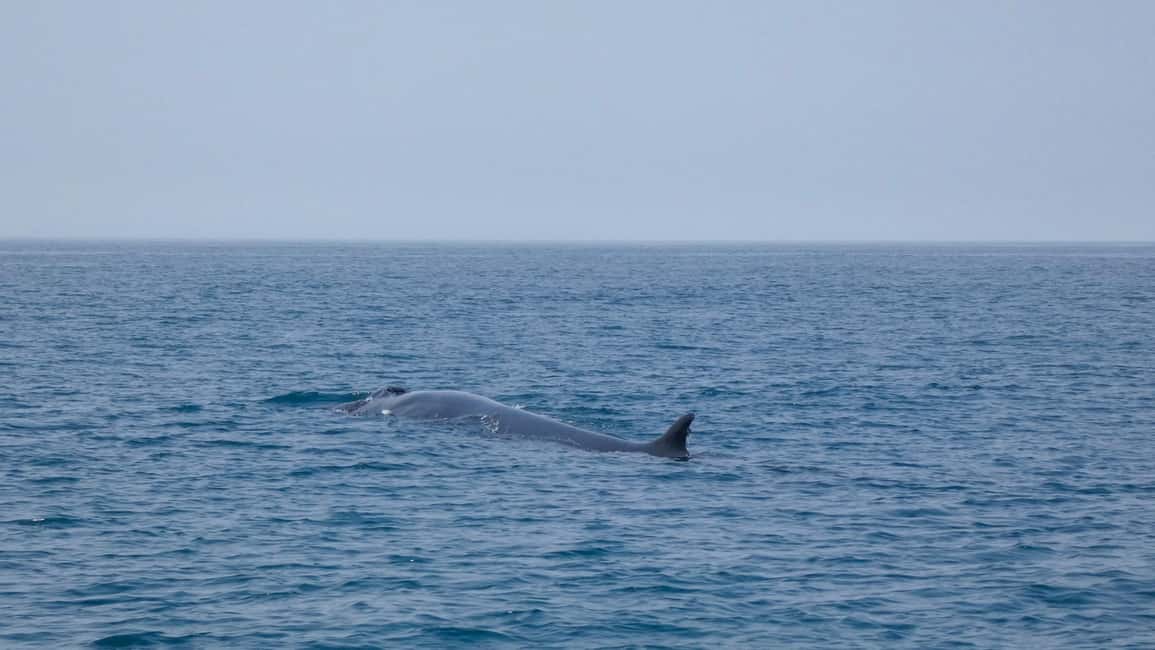
This is a 3-hour outing, so every segment has a job. The day typically feels like: brief start ashore, two main stretches on the water for sightings and wildlife viewing, then short photo/shore moments, and finally a swim-and-snorkel stop.
Start in Sesimbra with safety briefing (about 30 minutes)
You begin in Sesimbra with a briefing focused on safety. This is the point where you’ll get the basics on how the boat runs and what the crew expects during wildlife viewing. It’s also when you can settle your gear—especially if you’re planning to swim later.
If you’re traveling with kids, this early segment helps them know what to do and when to expect excitement.
You can also read our reviews of more dolphin watching tours in Sesimbra
First wildlife run: cruise and dolphin/whale watching (about 45 minutes)
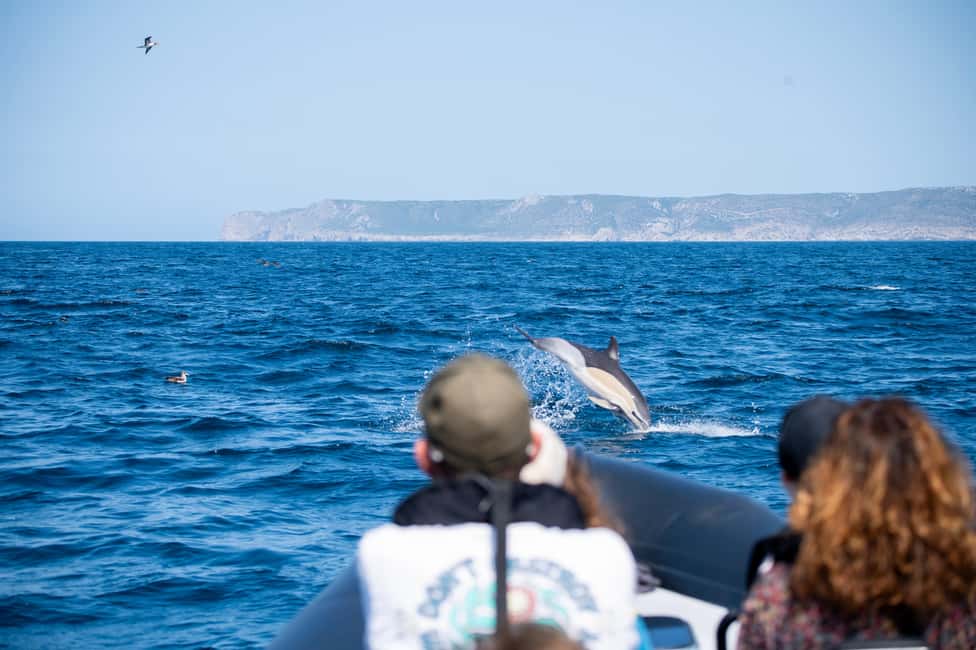
Once you’re on the water, you’ll spend time scanning for dolphins and whales, while the guide points out other marine life you might see. This is where the biologist helps you spot the “tells”—changes in movement, feeding behavior, and how pods interact.
A practical note: the best viewing often comes in waves. Dolphins may be visible, then disappear for a bit, and then reappear as the boat positions near the pod. The most successful trips are the ones where the crew keeps adjusting based on what’s happening in the water.
Second wildlife run with a photo stop (about 45 minutes)
You’ll head out again and get another guided viewing window, still focused on whales/dolphins and broader wildlife. There’s also a photo stop during this portion, which is a nice way to capture the coastline and the scenery when wildlife isn’t directly in front of the boat.
If your goal is photos, this is a good segment to keep your phone/camera ready and your attention split between the guide’s instructions and the horizon.
Praia da Mijona photo stop (about 15 minutes)
Next comes a short photo stop at Praia da Mijona. Think of it as a quick scenic break rather than a full beach outing. It’s useful if you want a moment on land or a few pictures of the coast’s look and scale.
Because it’s short, don’t count on this stop as your main stretch for swimming or snorkeling—that happens later.
Ribeiro do Cavalo Beach: swimming and snorkeling (about 25 minutes)
This is the time most people remember. Ribeiro do Cavalo Beach is described as a secret, wild-feeling beach area, and the tour includes time for swimming and snorkeling.
Two realities to know before you go:
- It’s time on the water first, beach second. If you want non-stop wildlife viewing, the beach stop may feel like a change of pace.
- Bring your swim kit. Sunscreen and swimwear matter because you’ll have time to get in the water.
One helpful detail from firsthand impressions: some people felt the beach part could be swapped for more wildlife viewing time. That’s a personal preference thing. If you’re mainly there for dolphins and whales, you can enjoy the beach stop as a bonus—especially for snorkeling—rather than the main event.
What wildlife you should keep an eye out for
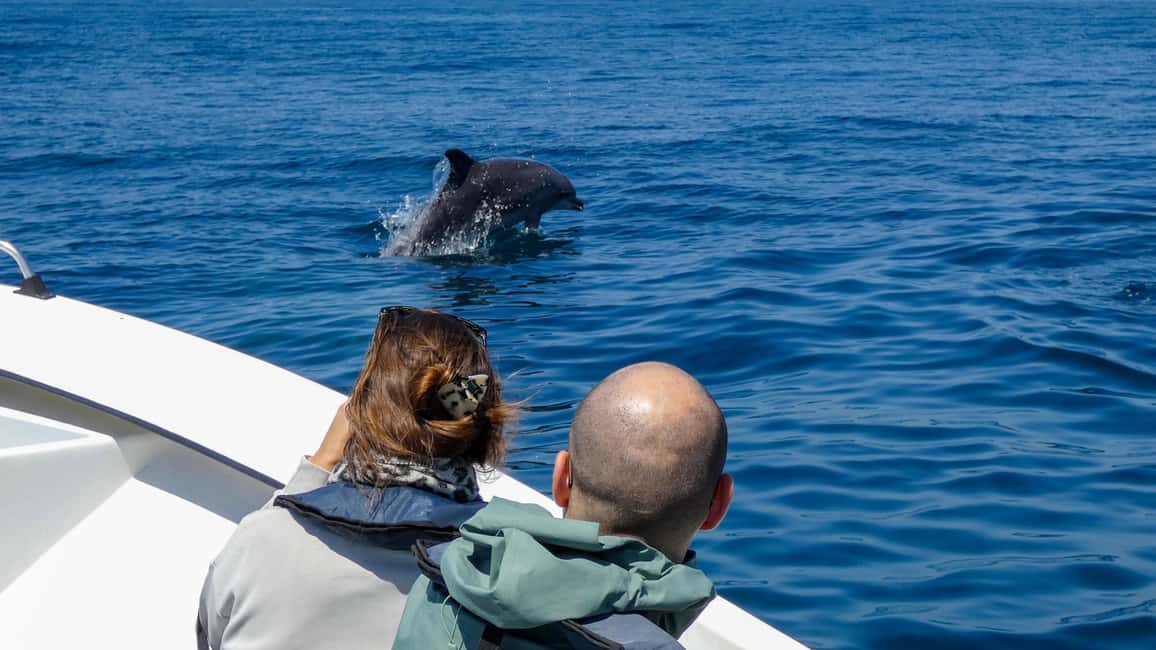
This tour is marketed as dolphin and whale watching, but it’s not limited to just that. The day can include birds and other ocean species, and that wider scan makes the trip more interesting even when the main targets aren’t constantly in view.
Here are the wildlife categories the tour description highlights:
- Migratory birds along the coast
- Other marine species you might spot such as sharks, sunfish, tuna, or swordfish
- And of course, dolphins and whales
In real-world terms, this means you’re never stuck staring at blank water for long. Even if whales are elusive on a particular run, you might still get dolphin action plus feeding birds like seabirds working a fish shoal.
The boat, the viewing style, and why it feels different
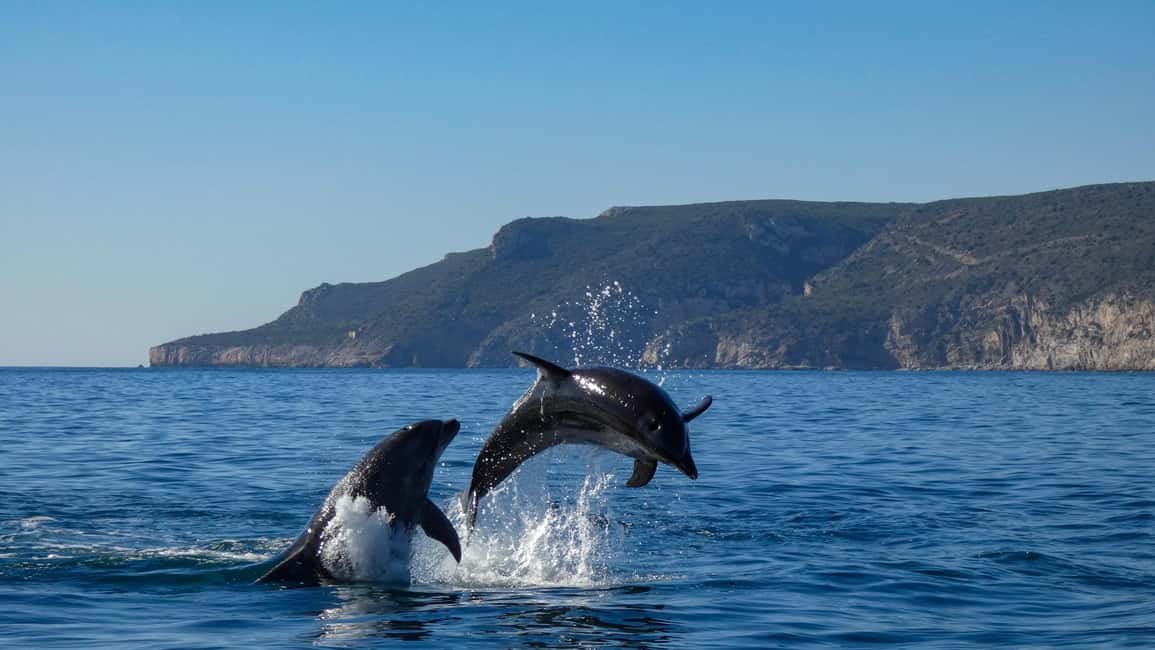
A lot of dolphin tours feel similar: find animals, slow down, get photos, move on. What distinguishes this experience is the emphasis on being safe and suitable for all ages, plus a guide who keeps interpreting behavior.
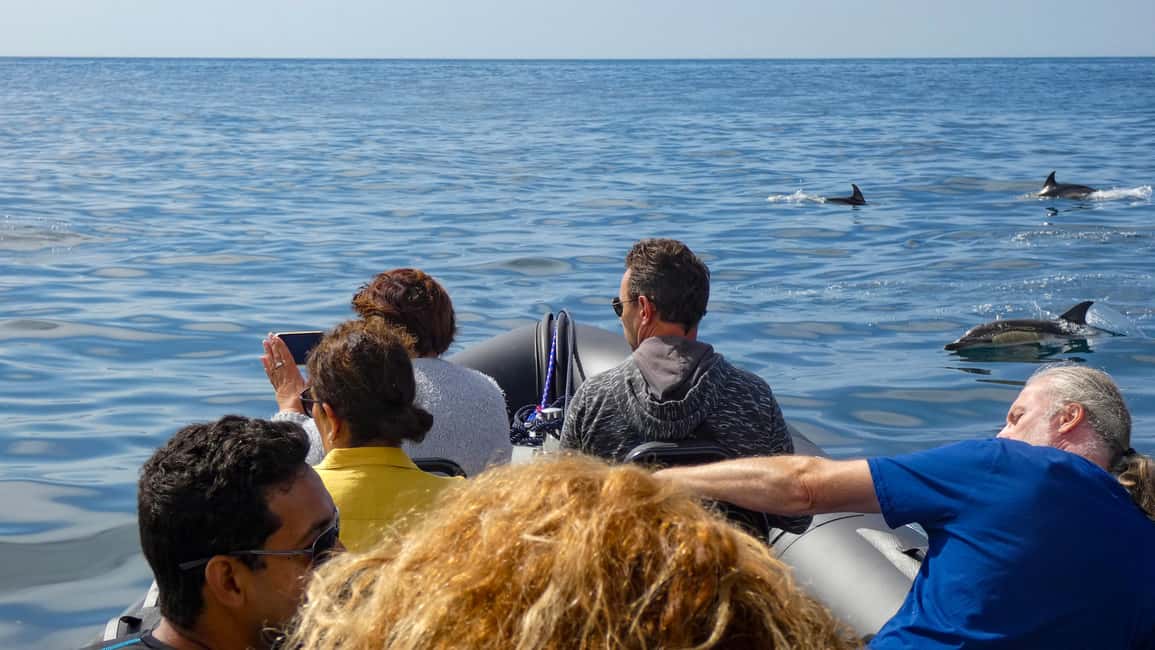
You’ll also want to pay attention to how the crew handles animal distance and movement. Accounts of this tour describe dolphins coming close enough for sustained viewing while the crew is careful not to create stress. That balance is what keeps the experience both exciting and respectful.
One standout story: a guide reportedly jumped from the boat to help rescue a seabird caught in a fishing net. Even if that doesn’t happen on your day, it signals the general attitude onboard—watch closely, act responsibly, and treat wildlife issues as part of protecting the ecosystem.
Price and value: is $64 a good deal for this day?
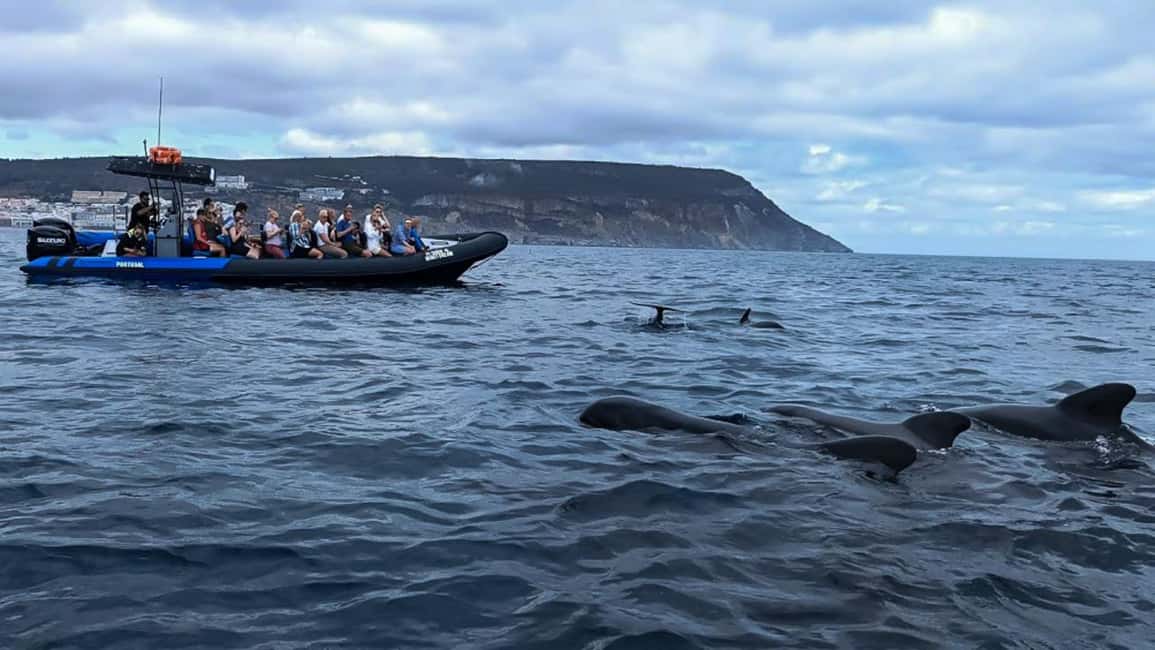
At $64 per person for a 3-hour outing, the price makes sense when you factor in what’s included. This isn’t just a boat rental with a generic audio track.
Included items:
- Marine biologist guide
- STCW-certified crew
- Life jackets
- Participant insurance
- Arrábida Natural Park access fees
Not included:
- Food and drinks
- Hotel pickup/drop-off
So your real cost is usually the ticket plus what you bring for yourself. If you’re starting in Lisbon, you’ll also want to plan transport to Sesimbra since there’s no pickup.
In value terms, I think the key is the guide’s on-water role. If dolphins show up early and you get clear explanations while you watch, you’re paying for both the experience and the interpretation.
What to pack so the day feels easy
You’ll be outside for a good chunk of time and you’ll likely get wind and sun. Bring:
- Comfortable shoes
- Windbreaker
- Sun hat
- Swimwear (for the Ribeiro do Cavalo stop)
- Sunscreen
- Comfortable clothes
If you tend to get seasick, you’ll want to plan for that before you leave home, since the day is weather-dependent. The tour notes that conditions can affect comfort for people with certain conditions, so it’s smart to be realistic.
Who this tour suits best (and when to think twice)
This is a great match if you:
- Want a short, high-impact day trip from Lisbon
- Love marine life and want real explanations, not just sightings
- Travel with kids or mixed-age groups and still want the experience to feel safe and organized
- Care about conservation and respectful wildlife viewing
Consider thinking twice or messaging first if:
- You have limited mobility or pregnancy-related comfort concerns
Weather can change how comfortable the ride feels.
- You’re relying on wheelchair use for access
The activity information includes wheelchair access language, but it also states the tour is not suitable for wheelchair users. If accessibility matters to you, contact the operator before booking so you can get a clear answer for your situation.
Should you book this Sesimbra dolphin and whale watching tour?
If your goal is to see dolphins in the wild and understand what you’re looking at while you cruise Arrábida Natural Park, I’d say yes. The strong point here is the combination of marine biologist guidance plus a viewing approach that aims to keep you close to the action without turning the day into chaos.
Book especially if you want:
- a time-efficient trip (just 3 hours)
- a broader wildlife scan than dolphins alone
- a fun bonus swim stop at Ribeiro do Cavalo
The main caution is comfort and expectations. This isn’t “all wildlife, all the time.” You’ll have photo stops and a beach segment, and conditions at sea can affect comfort. If you’re prepared for that rhythm, it’s a very strong way to spend a morning or afternoon along Portugal’s coast.
FAQ
How long is the Sesimbra dolphin and whale watching tour?
The duration is listed as 3 hours.
What does the tour cost?
The price is $64 per person.
Where do I meet for the tour?
Meet at the pier called ESPADARTE, at the third white boarding gate after the CNS (Clube Naval de Sesimbra) building.
Are food and drinks included?
No. Food and drinks are not included.
Which languages are offered for the live guide?
The live tour guide is available in Portuguese, English, Spanish, and French.
Is the tour wheelchair accessible?
The information includes wheelchair accessible, but it also states not suitable for wheelchair users. If you need wheelchair support, contact the operator before booking so you can confirm what will work on your specific date.
What should I bring for the trip?
Bring comfortable shoes, a windbreaker, a sun hat, swimwear, sunscreen, and comfortable clothes.