Queer Lisbon turns streets into living archives. This small-group walking tour uses Lisbon’s queer sites like clues, linking Portugal’s LGBT past to what you can still feel in the city today, then finishing at Late Birds Hotel for a relaxed hangout. I love the way it keeps the focus tight on LGBT history instead of tossing in generic landmarks, and I also like the social rhythm of a group walk without the big-tour chaos.
What really sold me is the mix of short, specific stories and built-in moments to catch your breath, so the history doesn’t bulldoze your day. I also like that you leave with Alex’s LONG LIST, an updated PDF guide that points you toward LGBTQ Lisbon ideas beyond the tour route.
One thing to consider: this is a long walk for 3 hours 30 minutes, and the tour is outdoors, so you’ll want comfy shoes and a rain plan if the weather looks shaky.
In This Review
- Key highlights you’ll feel on the ground
- A queer treasure hunt that keeps Lisbon practical
- Príncipe Real garden openers: where the clues start
- Pride, HIV care, and the facts that shaped queer survival
- From long-standing clubs to drag bars: nightlife as history
- The quieter clue stops: gardens, markers, and messages
- Courts, censorship, and the places you don’t expect to carry queer stories
- Pessoa and the closing scene: reclaimed writing and community space
- Price and value: what $60.34 buys you
- What I’d plan around this tour day
- Who should book Queer Lisbon, and who might skip it
- Should you book Queer Lisbon?
- FAQ
- How long is the Queer Lisbon tour?
- What time does it start?
- Where do I meet the tour?
- Where does the tour end?
- Is the tour in English?
- How large is the group?
- Is there a PDF included after the tour?
- Are admissions included for the stops?
- Can I bring a service animal?
- What’s the cancellation window for a full refund?
Key highlights you’ll feel on the ground
- Alex’s story pacing keeps the pace relaxed while still covering a lot of ground
- A treasure-hunt focus on LGBT history beats standard sightseeing
- Free entry stops listed along the route mean you’re not juggling extra ticket costs
- Nightlife and landmarks are linked to the political and legal fights, not treated separately
- You finish in the community at Late Birds Hotel, with a social closing (and a pool option if conditions allow)
A queer treasure hunt that keeps Lisbon practical
This isn’t a museum tour where you stare and move on. It’s a guided walk where each stop is a small chapter, and Lisbon’s streets act like the filing system for the city’s LGBT story.
You’ll start near Príncipe Real, in an area that’s both beautiful and historically important for queer life. From there, the route moves through gardens, squares, bars, clubs, and legal and religious sites—so your understanding of Lisbon grows in layers instead of staying stuck in one theme.
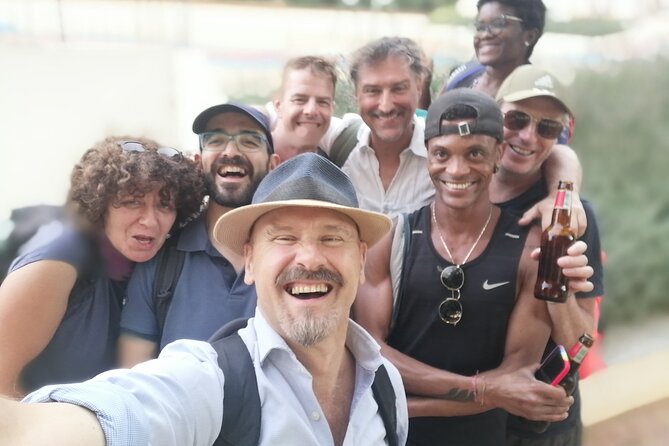
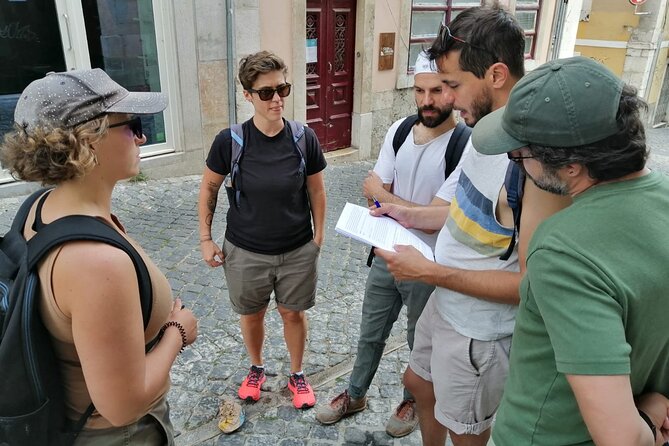
Small group matters here. The tour caps at 15 travelers, which makes it easier to ask questions and get real back-and-forth with the guide, Alex. The tour is also in English, uses a mobile ticket, and runs about 3 hours 30 minutes—long enough to feel like you learned Lisbon, not so long that it eats your whole day.
You can also read our reviews of more historical tours in Lisbon



Príncipe Real garden openers: where the clues start
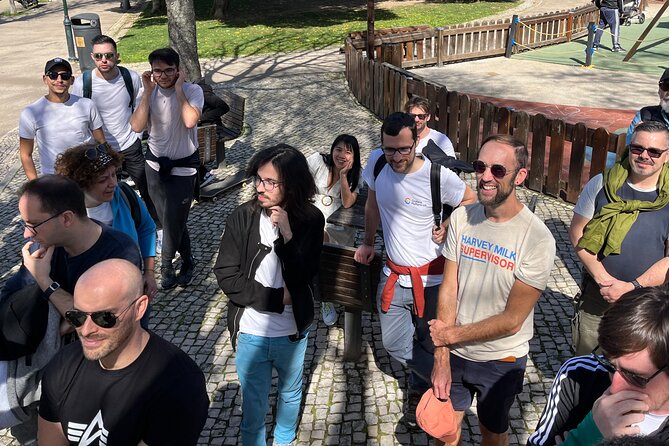
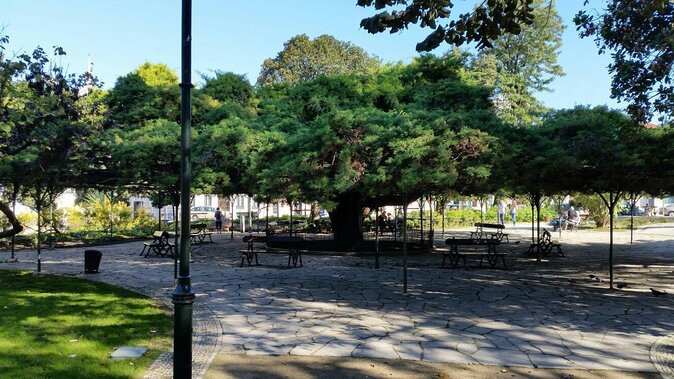
You begin in and around Jardim do Príncipe Real (Príncipe Real Playground area). Expect an intro to the neighborhood and how the queer history theme connects the places you’ll see next. The garden start also helps you get oriented because it’s calmer than stepping immediately into heavier traffic streets.
Stop 2 shifts the tone to memory with the Monument to the victims of homophobia. This is a sober moment on the route, and it matters because it frames the rest of the walk: Lisbon’s queer progress didn’t arrive on its own. You’ll also get context on what’s changed since those darker chapters—and what “progress” looks like in everyday life today.
Then you move toward Praca do Principe Real. This square is tied to Lisbon Pride and the wider Europe-wide energy around EuroPride coming in 2025. It’s the kind of stop that helps you understand the city’s queer culture as something public, organized, and ongoing, not just a nightlife scene.
Pride, HIV care, and the facts that shaped queer survival
After you leave the Pride-focused square area, you go to GAT Checkpoint LX. Here the storytelling turns toward managing the HIV pandemic and what that meant for queer communities in Lisbon. You’ll also get essential health service info for queer men and women, which is practical in a way that history tours don’t always deliver.
This is one of the stops where I’d say the tour earns extra trust. It doesn’t treat HIV history as a tragedy-only story; it connects that past to real services and knowledge. Even if you think you already know the basics, you’ll likely pick up a few Lisbon-specific pointers you can’t get from a generic timeline.
From long-standing clubs to drag bars: nightlife as history

The route doesn’t dump you into nightlife first; it builds toward it with context. Once you hit the club-and-bar stops, the guide connects each venue to the social world around it—who gathered, what it meant to be seen, and how those spaces evolved.
Stop 5 is Construction Lisbon Club. This is a long-standing dance venue, and the tour treats it as a living record of queer nights out, including stories from neighboring lesbian venues. The appeal here is simple: you learn the names you’ll actually hear later if you go out in Lisbon.
Stop 6 takes you to the Botanical Garden of Lisbon, with stories from cruising in the 1950s parks, including how men dodged police attention. This is a reminder that queer public life didn’t always exist in open, safe forms—and the guide doesn’t shy away from the danger behind the scenes. If you’re sensitive to topics like policing and harassment, you may want to pace yourself here.
Stop 7 is Trumps, Lisbon’s largest queer nightclub. You’ll hear how it’s been running since 1980 and how it has two floors with different vibes, which is useful if you like choosing your nightlife mood in advance. It also helps you understand why Lisbon has such an established nightlife calendar now: the infrastructure has roots.
Stop 8 brings you to a different kind of landmark: R. de Gustavo de Matos Sequeira 42 and the story of Lisbon’s first lesbian bar, O Gato Verde. You’re learning about queer spaces that weren’t just one-off nights, but institutions that shaped community visibility.
Stop 9 is Praça das Flores 7, tied to the first drag bar in Lisbon. The guide shares the rise and fall story of Lisbon’s first drag queen, connecting it to the 1974 revolution and what that change meant for expression. This stop is where the tour turns performance into history, not just entertainment.
Stop 10 is Bar 106, and this is a fun break in the narrative style: you’ll leave a message for friends. It’s also a practical nudge—like, here’s a place you can return to later because the guide has flagged it as part of the queer map.
Stop 11 is Shelter Bar Lisboa, where the bears gather (part 1). Then Stop 12 is Finalmente Club, presented as the best and oldest drag in town, with guidance on different shows and times. Stop 13 is Bar TR3S Lisboa (part 2), with bears, beach clubs, party nights, a sauna, and sports sponsorship in the mix.
Stop 17 is Purex, described as a dance floor run by women and tied to fun details like vagina jewellery. It’s exactly the kind of stop that helps you see Lisbon beyond a single stereotype of nightlife. If your idea of queer travel is wide-ranging—bars, drag, dance, and themed social life—you’ll appreciate how the route keeps switching tones.
The quieter clue stops: gardens, markers, and messages
Not every stop is built for big energy. Some are there to make you look up, notice details, and understand why particular streets became important.
Stop 15 is R. Luz Soriano 44, linked to a phrase like Long Live Homosexuality and Portugal’s early steps toward a homosexual manifesto. The story arc here matters because it shows how activism ideas can be suppressed first—then later succeed. You’ll probably walk away thinking about political risk, not just social style.
Stop 16 is R. do Trombeta 10, with stories about love-nests turning into modern saunas and the scandal of the Two Fernandes. This is the steamy kind of story the tour uses carefully, as a way to talk about how queer spaces and public morality collide over time. It also connects historical “secrets” to modern comfort, like how a taboo label can slowly soften into mainstream services.
Stop 18 is Maria Caxuxa, a woman remembered for confounding conventions and dismissing nosey journalists in the 1940s. This stop adds gender and public voice to the broader LGBT story, which keeps the tour from feeling too male-centered. It also gives you a reminder that queer history isn’t only about rights in courts—it’s also about how people move through society under pressure.
Stop 19 is Tv. da Espera 50 and leans into a 19th-century scandal: a marquis naked in the arms of a common soldier, plus blackmail and survival. If you’re expecting the whole tour to be purely LGBT-labeled, this stop is a curveball. But it works because it shows how power, humiliation, and survival can sit underneath queer lives even when records don’t label them clearly.
Stop 20 is Teatro da Trindade, with bisexual jazz legend Josephine Baker dodging secret police and spying in wartime Lisbon. This is another example of the tour treating queer identity as part of a bigger survival story. The fact that Baker’s presence is tied to secrecy and danger adds weight to the entertainment connection.





Courts, censorship, and the places you don’t expect to carry queer stories
Some of the strongest learning moments come from institutions that usually feel separate from nightlife. The tour makes those connections on purpose.
Stop 14 is the Constitutional Court. You’ll hear about legal challenges and Portugal’s journey from dictatorship values toward Constitutional Protection for LGBTQ rights. This is a practical stop for anyone who cares about what rights mean in real life, not just what people hope for. It also gives context for why Pride celebrations and queer social spaces are possible today.
Stop 21 is R. da Misericórdia 125, tied to women in love—but not with men. The guide connects queer fiction, censorship, and compromised censors. This helps you understand why archives can be hard: sometimes the record is there, but it was altered, removed, or controlled.
Stop 22 is Igreja de Sao Roque, where the Portuguese Inquisition provides a window into queer history. Expect stories tied to the church setting and references like lesbian nuns, a demonic penis, and a trans love story that survived across centuries. This is the kind of stop that can feel heavy, because it points to persecution, religious power, and how people tried to keep love and identity alive under threat.
Pessoa and the closing scene: reclaimed writing and community space
Stop 23 is Hospital St. Louis and links to Fernand Pessoa and the line I love you because I love you. The tour frames this as his gay writing being recognized and reclaimed over time. This stop is a softer finish within the historical section because it emphasizes language, recognition, and legacy.
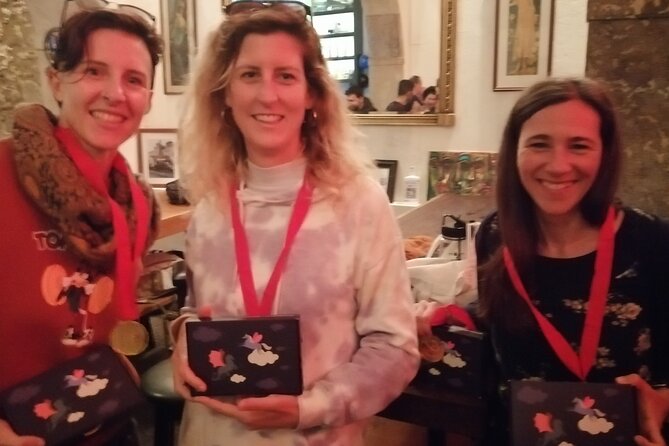
Stop 24 is Tv. André Valente 21, the final stop at Late Birds Hotel. The closing moves into a lounge/bar/garden/pool setup, and the tour explicitly suggests bringing your swimming costume if the weather is good. There’s also a pub-quiz feel with prizes, which turns the last hour from history talk into an easy social wrap.
I like this ending for one reason: you’re not just taught queer Lisbon; you get a chance to experience the social temperature of it. It’s also a good way to meet fellow travelers without awkward forced small talk, because you already have shared topics in your head.
Price and value: what $60.34 buys you
At $60.34 per person, this tour is priced like a guided experience that gives more than a quick walk-through. What makes it feel like value is the combination of (1) a lot of distinct stops, (2) a focused LGBT history narrative, and (3) a take-home resource.
You also get a PDF copy of Alex’s LONG LIST, normally described as 15 euros. Even if you only use part of it, that’s a direct “you can keep this” element, not just a few photos and a memory. The tour also lists admission as free at each stop, which helps you avoid surprise ticket costs while you’re walking through the city.
The main tradeoff is you’re paying for time and storytelling, not for transportation. Private transport isn’t included, so you’ll be doing it the Lisbon way: on foot. For many people, that’s exactly what they want, but if you’re short on mobility, you should think twice.
What I’d plan around this tour day
Start time is 10:00 am, which is smart if you want the afternoon for museums, food, or a slower wander. Since you’ll likely be walking and taking breaks rather than sitting in one place, I’d keep your evening lighter unless you’re a strong walker.
Bring shoes you can walk in for 3 hours 30 minutes. Also bring a rain layer because the tour experience is outdoors. In the reviews, Alex is specifically praised for showing up prepared with umbrellas when weather is rough—so you’re not stuck hoping for sunshine.
And if you’re 18+ and want to keep things simple at the end: the tour notes a legal drinking age and invites you to have a drink at Late Birds Hotel during the closing. If you’re under 18, it’s still worth checking how the end-of-tour hangout fits your comfort level.
Who should book Queer Lisbon, and who might skip it
Book it if you want Lisbon that feels personal and specific. This tour is built for people who care about LGBT history, human rights, and how queer spaces show up in everyday streets. It’s also great if you’re the kind of traveler who wants context for what you’ll see at night—clubs and bars aren’t random on this route; they’re chapters.
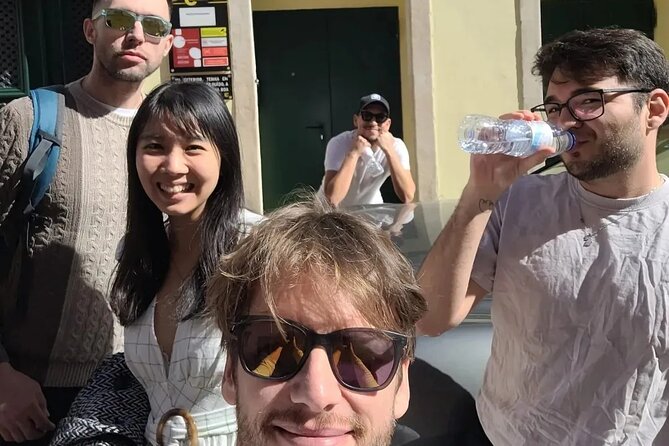
It also suits allies who want a guided way to understand the city’s LGBT story without guessing or piecing things together alone. The small group size helps the tour feel less like a lecture and more like a conversation you’re part of.
You might pass if you don’t like walking. The time is long, and it’s an outdoor route with 20+ short stops plus a final community finish. If you want a slower pace with fewer stops, you may prefer another format.
Should you book Queer Lisbon?
I’d book Queer Lisbon if you want a guided, LGBT-focused way to understand Lisbon beyond the postcard version. The strongest reasons are the guide’s storytelling approach (Alex is repeatedly praised for friendliness, warmth, and lots of Q&A) and the fact that you end in a real queer community space at Late Birds Hotel.
If your top priority is ticking off major landmarks with minimal walking, this probably won’t match your style. But if you want a route where every street name and venue has meaning, this is one of the more memorable ways to learn the city—and the included PDF helps you keep exploring after the tour ends.
FAQ
How long is the Queer Lisbon tour?
It runs about 3 hours 30 minutes.
What time does it start?
The start time is 10:00 am.
Where do I meet the tour?
The meeting point is Principe Real Playground, Praça do Príncipe Real, 1250-184 Lisboa, Portugal.
Where does the tour end?
It ends at Tv. André Valente 25, 1200-236 Lisboa, Portugal, at Late Birds Hotel.
Is the tour in English?
Yes, it’s offered in English.
How large is the group?
The tour has a maximum of 15 travelers.
Is there a PDF included after the tour?
Yes. You get a PDF copy of Alex’s LONG LIST, described as an updated guide to LGBTQ Lisbon.
Are admissions included for the stops?
The stop details list admission ticket free for the places on the route.
Can I bring a service animal?
Yes, service animals are allowed.
What’s the cancellation window for a full refund?
You can cancel up to 24 hours in advance of the experience for a full refund. If you cancel less than 24 hours before the start time, the amount paid is not refunded.