REVIEW · PORTO
Private Tour to Fátima Sanctuary and the Little Shepherds Houses
Book on Viator →Operated by Endless Weekend Tours · Bookable on Viator
You can feel the story in every stop. This private Fátima day pairs a licensed guide’s context with comfortable luxury-vehicle pickup from Porto, and it’s a great choice if you want the religious sites explained clearly rather than rushed; the catch is that the focus is faith-heavy, so it may not feel like your kind of day if you’re not into religious history and worship.
You’ll spend a full morning to evening moving through the main sanctuary highlights, then out toward the children’s homes at Aljustrel, with time at each place for photos, quiet moments, and a bit of reflection. The flow is long, about 8 to 9 hours, but it’s paced with short stops that keep you from feeling stranded on a bus all day.
One more thing I appreciate: this is genuinely tailor-able, so if your group wants more time at one site or extra stops, the guide can usually work it in. If your idea of Fátima is mostly architecture or sightseeing only, you might prefer a different style of tour.
In This Review
- Key things you’ll notice on this Fátima private tour
- A full day to Fátima that doesn’t feel like a sprint
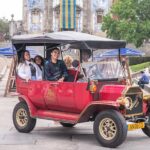
- Porto pickup and the ride in a luxury van
- Sanctuary Square: start where everything frames the moment
- Capela das Aparições: the emotional center of the whole area
- Basilica of Our Lady of the Rosary: tombs, altars, and a place people travel for
- Basilica of the Holy Trinity: local materials and a surprising altar detail
- Via Sacra and the path of the Little Shepherds
- Loca do Anjo and Valinhos: outdoors with a clear timeline
- Casa de Lúcia, Poco do Arneiro, and the Francisco and Jacinta houses
- Casa de Lúcia (about 20 minutes)
- Poco do Arneiro (about 10 minutes)
- Francisco and Jacinta’s House (about 20 minutes)
- Candle moments, rosary exhibits, and how to read the atmosphere
- Price and value: what $312.36 buys you
- Who should book this Fátima private tour (and who might skip)
- Practical tips to make the day easier
- Should you book this Private Tour to Fátima Sanctuary and the Little Shepherds Houses?
- FAQ
- How long is the Private Tour to Fátima Sanctuary and the Little Shepherds Houses?
- What’s the starting time and meeting point in Porto?
- Does the tour include pickup from hotels in Porto or Gaia?
- Is this a private tour or shared with strangers?
- What’s included in the tour price?
- Is lunch included?
- What language is the tour offered in?
- Are service animals allowed?
- Is the tour affected by weather?
Key things you’ll notice on this Fátima private tour
- Licensed guide storytelling that connects the sites to the timeline of the apparitions and the people involved
- Luxury vehicle comfort with Wi‑Fi, bottled water, and refreshments so the long day feels easier
- Capela das Aparições as the emotional center, with the chapel’s dramatic history explained on-site
- Basilica tomb visits for Jacinta, Francisco, and Lúcia, plus time to see the basilica’s altar areas
- Aljustrel homes where you can walk the ground the shepherds knew, including Casa de Lúcia and the Francisco/Jacinta house
A full day to Fátima that doesn’t feel like a sprint
This tour is built for people who want the whole arc of Fátima, not just a single monument-and-pose stop. You’re looking at roughly 8 to 9 hours, starting early (8:00am), which matters because Fátima can get busy and the sites feel more peaceful when you arrive with time.
The experience also works because it stays structured: short visits at each key location, then you keep moving. That gives you a rhythm—look, listen, stand, walk a little, then move on—without turning the day into a long waiting game.
If you’re the type who likes your travel days organized, this one is. If you’re the type who wants total spontaneity, you’ll still have a bit of room because the tour can be tailored with optional requests.
You can also read our reviews of more private tours in Porto

Porto pickup and the ride in a luxury van
Starting from Praça da Liberdade 19 in Porto, you can also arrange pickup from downtown Porto and Gaia hotels and B&Bs. That door-to-door style is a real time saver on a day trip like this, especially when you’re heading into a different region and want to avoid public-transport headaches.
In the vehicle, you get Wi‑Fi, bottled water, and refreshments. It sounds small, but on an 8–9 hour outing, those basics reduce friction. You’re also covered with personal accident and liability insurance, which is the kind of detail that quietly makes a long day feel safer.
This is a private tour, so it’s only your group. That matters on a religious itinerary: you don’t need to adjust your pace to other people’s energy levels.
Sanctuary Square: start where everything frames the moment
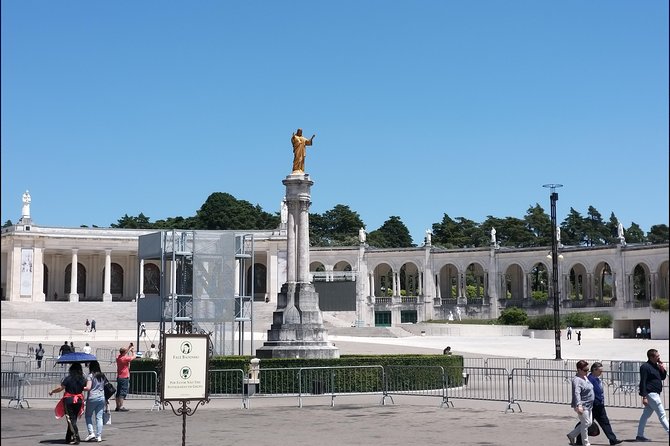
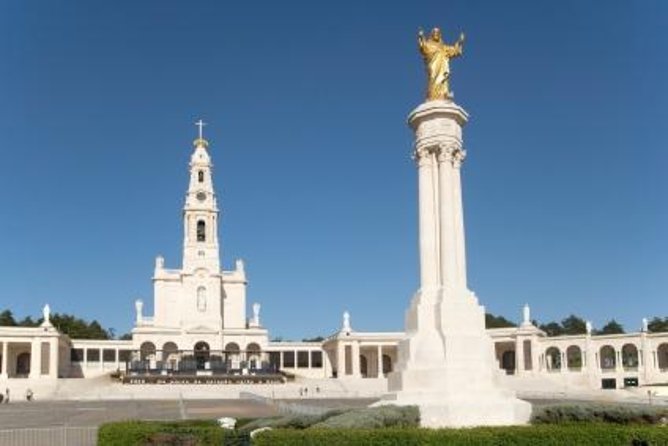
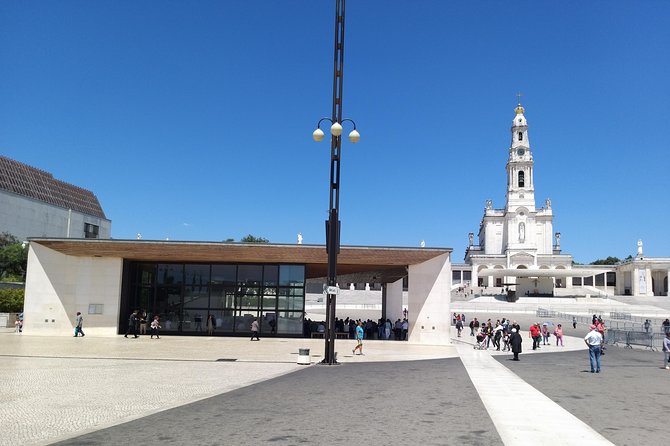
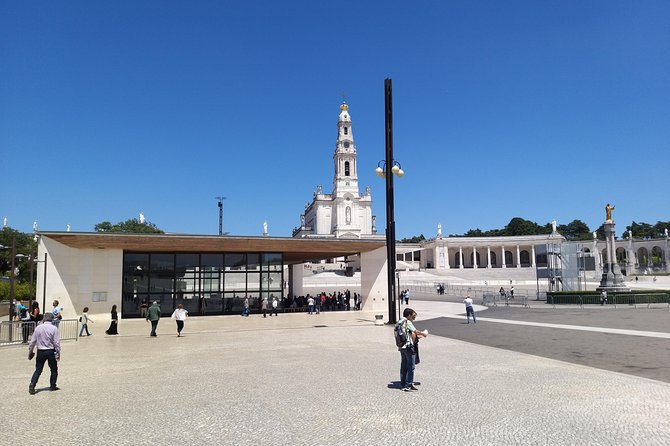
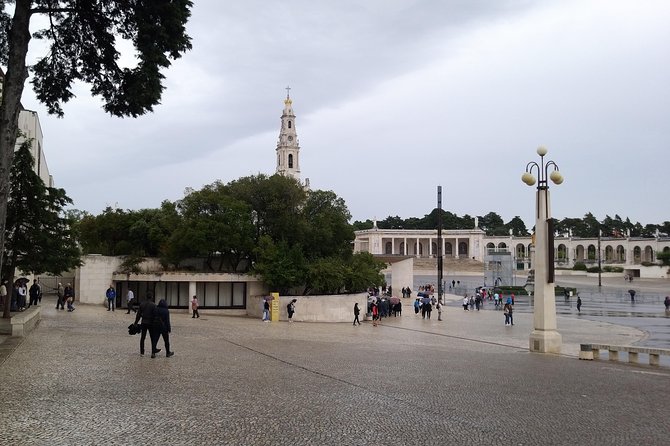
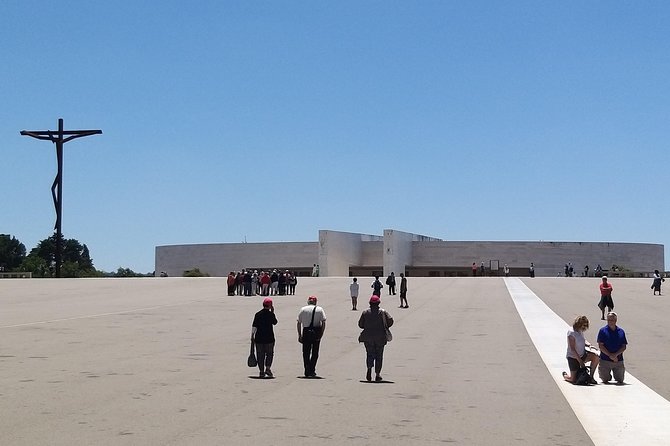
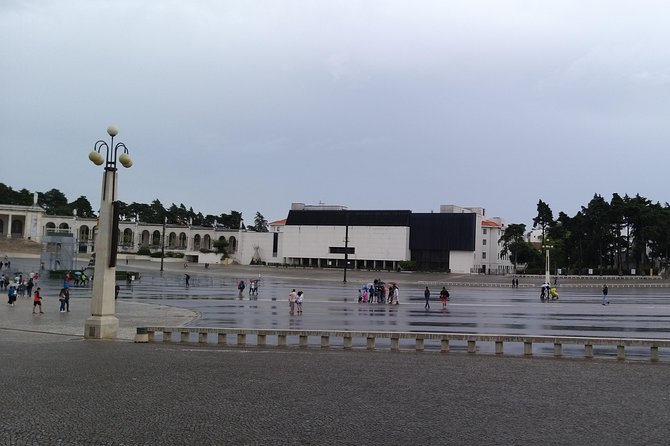
The day’s first major stop is the Sanctuary of Our Lady of Fátima, set in a large open square bordered by trees and anchored by major basilicas. This is the kind of place where layout matters. The big square helps you understand why the sanctuary draws crowds—it’s built for gatherings, processions, and quiet pauses all in one space.
You’ll spend about 30 minutes here, and you’ll get a guided orientation so the symbols don’t feel random. The guide points out highlights like the Large Holm-oak Tree, the monument of the Sacred Heart of Jesus, and the Nativity Scene. You also see the Berlin Wall and the High Cross, plus the John Paul II and Pius XII squares.
Even if you’re not religious, this square teaches you something practical: how the sanctuary uses landmarks like a visual language. You start noticing how each item supports the story.
Capela das Aparições: the emotional center of the whole area
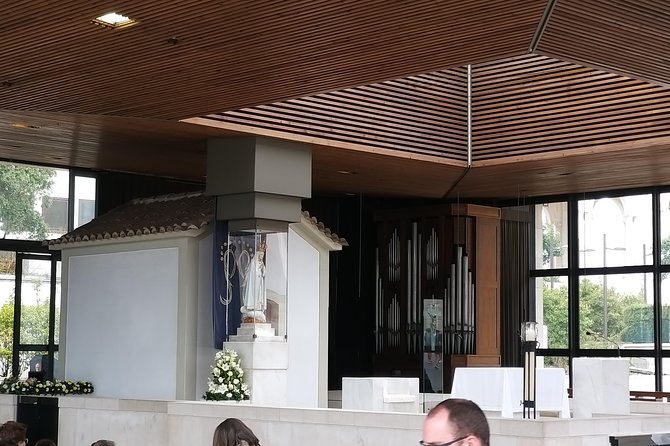
Capela das Aparições is the heart of the shrine, and it’s usually where the tone shifts from sightseeing to something more personal. You’ll have about 20 minutes at this chapel area.
What makes it powerful is the specific connection to the apparitions. In this chapel’s location, the Virgin Mary spoke to the little shepherds, and five of the six Marian apparitions (May, June, July, September, and October) are tied to this spot. Your guide also shares the chapel’s real-world history, which adds depth instead of just repeating faith statements.
Here’s the kind of timeline you’ll hear: the chapel was built between April 28 and June 15, 1919. It was blessed after Mass was first celebrated there on October 13, 1921, then it was destroyed by dynamite on March 6, 1922, before being restored and reopened on January 13, 1923.
That blend of sacred story plus historical events is what makes the chapel more than a photo stop. If your group likes context, this is one of the best moments of the day.
Basilica of Our Lady of the Rosary: tombs, altars, and a place people travel for
Next you’ll enter the Basilica de Nossa Senhora do Rosario de Fátima for around 20 minutes. The building layout is classic and functional: a large nave with presbytery and transept, plus two sacristies.
The basilica has 14 side altars, and the guide connects this to the mysteries of the rosary. One of the altar areas includes the tombs of Jacinta, Francisco, and Lúcia. This is a big draw—people come inside specifically to see the burial places connected to the children.
If you’re trying to decide whether to bring a religious mindset, this is your litmus test. The basilica rewards both types of visitors: believers get the meaning directly; non-believers still get a clear window into why pilgrims treat this place like a destination of deep importance.
One practical note: since you’re inside a large active shrine, keep your expectations realistic about crowds and quiet time. You’ll want to be flexible with how long you spend standing and how much time you spend moving.


Basilica of the Holy Trinity: local materials and a surprising altar detail
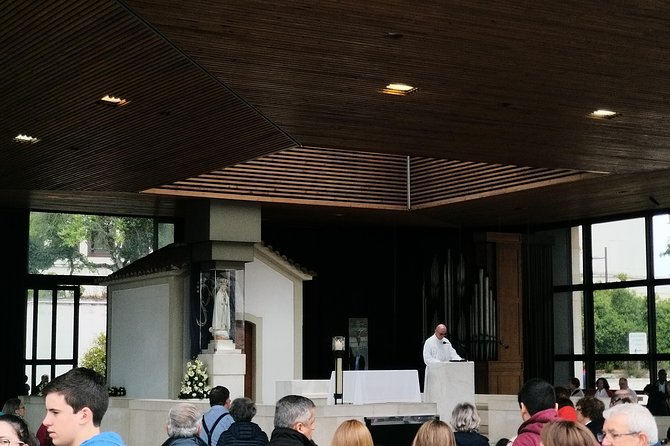
The Basilica of the Holy Trinity is the next stop, again about 20 minutes. The key story here is construction: the first stone was laid June 6, 2004, and it was consecrated October 12, 2007. That modern timeline helps you see the sanctuary as a living place that continues to evolve.
A guide-worthy detail is the altar made from a unique piece of local stone called branco do mar. There’s also an international connection on the altar front: a piece of marble from the tomb of the Apostle Peter, the same apostle associated with the Vatican’s St. Peter’s Basilica.
It’s a clever contrast—Fátima is deeply local to Portugal, but these materials and references show how the shrine fits into a wider Catholic world.
Via Sacra and the path of the Little Shepherds
Then you shift from inside spaces to a guided walking-and-standing segment: Via Sacra, also known as the Way of the Little Shepherds. You’ll spend about 1 hour here.
This is where the tour becomes physical, but not in an exhausting way. You follow the path usually taken by the shepherds, and it ends at a Hungarian Calvary. The chapel there is dedicated to St. Stephen, king of Hungary.
That St. Stephen detail is more than trivia. It shows how Fátima became international through donations, devotion, and cultural ties. The route helps you understand the “why” behind the memorial points, not just the “where.”
If your legs get tired easily, pace yourself early. Take small breaks when your guide pauses for explanations. You’re looking at walking some outdoor ground, and you’ll enjoy it more if you don’t rush.
Loca do Anjo and Valinhos: outdoors with a clear timeline
From the Way of the Cross area, you move to Loca do Anjo (also called Loca do Cabeço). Expect about 10 minutes here.
This site marks where the first and third angel apparitions took place. The guide helps you place it in the chronology—where the appearances fit relative to the Marian apparitions you saw earlier. It’s short, but it’s useful, because it turns the day into a timeline you can actually hold in your head.
Next is Valinhos Sanctuary, another 10-minute stop connected to the fourth apparition of Our Lady on August 19, 1917. There’s a monument marking the event, and the tour explains that it was constructed using donations from Hungarian Catholics.
That Hungarian connection matters because it reinforces the same theme as the Hungarian Calvary: Fátima isn’t only Portuguese devotion. People from outside Portugal contributed to the memorial landscape.
Casa de Lúcia, Poco do Arneiro, and the Francisco and Jacinta houses
The final stretch shifts from shrine buildings to the homes and surroundings of the children. This is where the tour often earns its most emotional reaction, because you’re no longer looking at monuments—you’re looking at the places tied to ordinary life.
Casa de Lúcia (about 20 minutes)
Casa De Lucia is the house where Lúcia was born and lived. The tour explains that in 1981, Sister Lúcia donated the house to the Shrine. The area around it was arranged, and a new information office was built there.
This stop works best if you’re willing to slow down for a few minutes. Your guide usually helps you connect how an everyday home becomes part of a sacred geography.
Poco do Arneiro (about 10 minutes)
Then you’ll go to Poco do Arneiro. It’s behind Lúcia’s house, where a well became known as the site of the second angel apparition, in the summer of 1916.
This is a small location, but it’s powerful because it’s so grounded. You can stand in the same kind of outdoor setting and understand how the story ties to specific points in the landscape.
Francisco and Jacinta’s House (about 20 minutes)
Finally, you visit the house where Francisco and Jacinta were born and raised. It’s located about 200 meters away from Lúcia’s house.
The tour explains that the shrine acquired the house and rebuilt it. Again, you’re not just sightseeing—you’re looking at how history, memory, and preservation combine.
Candle moments, rosary exhibits, and how to read the atmosphere
Even if you’re not a regular church visitor, you can still appreciate what happens here: people are doing something in a place that feels intentionally designed for prayer and reflection.
One of the most memorable moments is often the chance to light candles outdoors as a personal tribute, plus guided attention to rosary-related exhibits and the basilica areas tied to the children’s story. If your group is comfortable with a spiritual vibe, these pieces make the day feel less like a checklist.
If your group is less religious, you can still get value by focusing on the story mechanics: who, when, where, and how the sanctuary explains those points. The guide’s job here is to make the symbols and sites intelligible.
Price and value: what $312.36 buys you
At $312.36 per person, this isn’t a budget sightseeing bus ride. But it’s also not priced like a private driver who shows up with zero context.
You’re paying for:
- Private transportation in a luxury vehicle with Wi‑Fi, bottled water, and refreshments
- A licensed guide who ties the sites to the Fátima story
- Insurance coverage
- A plan that hits the major shrine sites plus the children’s houses without you having to coordinate transport yourself
You also get free admission at the stops listed in the schedule, which helps with value. Lunch is not included (so you’ll want to plan for it), and that’s the trade-off: you’re funding the guide and the transport instead of bundling a meal package.
If your group is at least a couple people, private value usually improves fast because the driver and guide cost is shared. If you’re solo, it can still be worth it if you care about pacing and having the guide’s explanations tailored to your interests.
Who should book this Fátima private tour (and who might skip)
This tour is a great fit if you:
- want a guided Fátima day with real context, not just quick photo stops
- like religious history and want the story told clearly
- value comfort on a long day trip from Porto
- plan to visit the children’s homes and want those sites explained
It may not be your best match if:
- you prefer secular sightseeing only and feel uncomfortable in faith-focused spaces
- you want a short, casual tour with minimal standing and walking
In other words, if the idea of understanding Fátima’s places and symbolism sounds appealing, you’ll likely love the day. If you’re there mainly for neutral sightseeing, you may feel the tone is more devotional than your style.
Practical tips to make the day easier
- Bring layers. Churches and outdoors can swing in temperature, and you’ll spend time outside around the walking routes.
- Wear shoes you trust. The Via Sacra path and the outdoor sites mean you’ll be on your feet more than you might expect from the stop times.
- If candles or prayer areas matter to your group, plan extra moments. Those personal choices can stretch your schedule a little.
- If you want less pressure, ask your guide about pacing. Since the tour can be tailored with optional requests, you can often adjust how time gets allocated.
Should you book this Private Tour to Fátima Sanctuary and the Little Shepherds Houses?
If you want Fátima as a full, guided story—from the sanctuary core to the children’s homes—this private day from Porto is a strong choice. You get comfort, a licensed guide, and key sites that explain the timeline instead of leaving you to guess.
I’d book it if your group is open to a religious setting and you enjoy details like site history, symbolic landmarks, and what’s happening at specific places. I’d think twice if your group wants a mostly secular day, because the day’s center of gravity is faith, worship, and pilgrimage atmosphere.
FAQ
How long is the Private Tour to Fátima Sanctuary and the Little Shepherds Houses?
It lasts about 8 to 9 hours.
What’s the starting time and meeting point in Porto?
The tour starts at 8:00am. The meeting point is Praça da Liberdade 19, 4000-322 Porto, Portugal, and the tour ends back there.
Does the tour include pickup from hotels in Porto or Gaia?
Yes. Pickup is offered from Porto and Gaia downtown Hotels and B&Bs.
Is this a private tour or shared with strangers?
It’s private. Only your group participates.
What’s included in the tour price?
Included items are luxury-vehicle transport, Wi‑Fi plus bottled water and refreshments, personal accident and liability insurance, and a licensed guided experience. Free admission is listed for the stops in the schedule.
Is lunch included?
No. Typical lunch is not included, and it’s listed as €30.00 per person for starter, main, drink, dessert, and coffee, with wines.
What language is the tour offered in?
The tour is offered in English.
Are service animals allowed?
Yes, service animals are allowed.
Is the tour affected by weather?
The experience requires good weather. If it’s canceled due to poor weather, you’ll be offered a different date or a full refund.