REVIEW · PORTO
Porto: Cheese and Port Wine Tasting in a Unique Place
Book on GetYourGuide →Operated by Food Lover Tour · Bookable on GetYourGuide
A corner store tasting can beat a fancy dinner. In Porto, you get a fast, food-first look at Portuguese cheese and port wine in a real mercearia setting. I like that it’s not a lecture parade. It’s a practical, guided pairing where you taste your way into the story, including a stop at a secret spot inside the shop.
What I really liked was the cheese variety: you sample four Portuguese styles, from creamy to hard and sharp, including names like queijo Amanteigado, Nisa, Serra da Estrela, and São Jorge. Second, the pacing works. In just 1.5 hours, you get three port wine glasses, plus bread, extra virgin olive oil, and marmalade to help everything click on the palate.
One consideration: this is dairy-focused and includes alcohol, so it’s not for everyone. If you’re vegan or lactose intolerant, or if you’re pregnant, this won’t be a good match.
In This Review
- Quick hits
- A Mercearia Pairing: What This Porto Cheese and Port Wine Tasting Feels Like
- How the Tasting Unfolds in This Traditional Store
- The Cheese Lineup: Creamy to Hard and Sharp Portuguese Staples
- Port Wine Pairings: Three Glasses That Teach You What Port Does
- The Secret Spot Inside the Store: A Small Moment With Big Payoff
- Bread, Olive Oil, and Marmalade: The Pairing Tools You Can Copy Later
- The Expert Angle: Learning the Why Behind Portuguese Cheese and Wine
- What You Should Know Before You Go (And Who Should Skip It)
- Price and Value: Why $29 Can Make Sense in Porto
- Should You Book This Porto Cheese and Port Tasting?
- FAQ
- Where do I meet for the tasting?
- How long is the Porto cheese and port wine tasting?
- How much does it cost?
- What’s included in the tasting?
- How many port wines are included?
- What cheese will I try?
- What languages is the tasting offered in?
- Is it suitable for vegans or people with lactose intolerance?
- What should I bring?
Quick hits
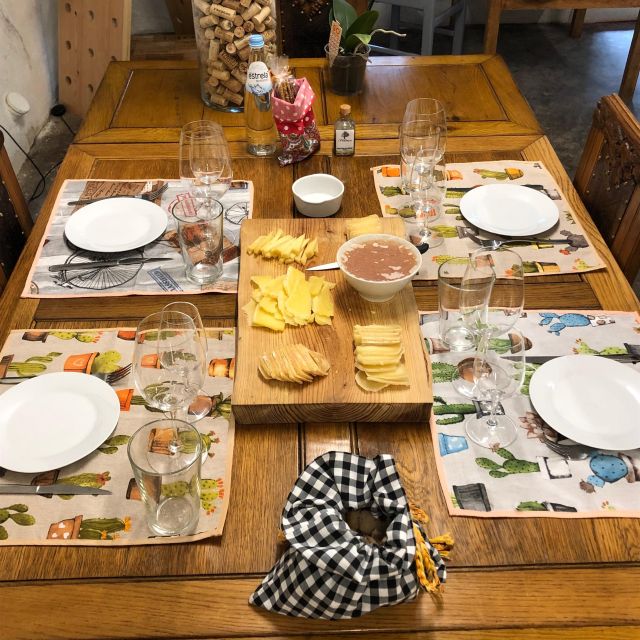
- Old-city mercearia setting: you taste in a traditional Portuguese grocery store, not a hotel lounge
- 4 cheeses + 3 port glasses in 1.5 hours: enough variety to learn, not so long it drags
- Pairs come with bread, olive oil, and marmalade: simple add-ons that make the flavors line up
- A secret spot inside the store: you get a fun, memorable moment beyond the tasting board
- Small group (10 max): easier for questions, especially if you want the why behind pairings
A Mercearia Pairing: What This Porto Cheese and Port Wine Tasting Feels Like
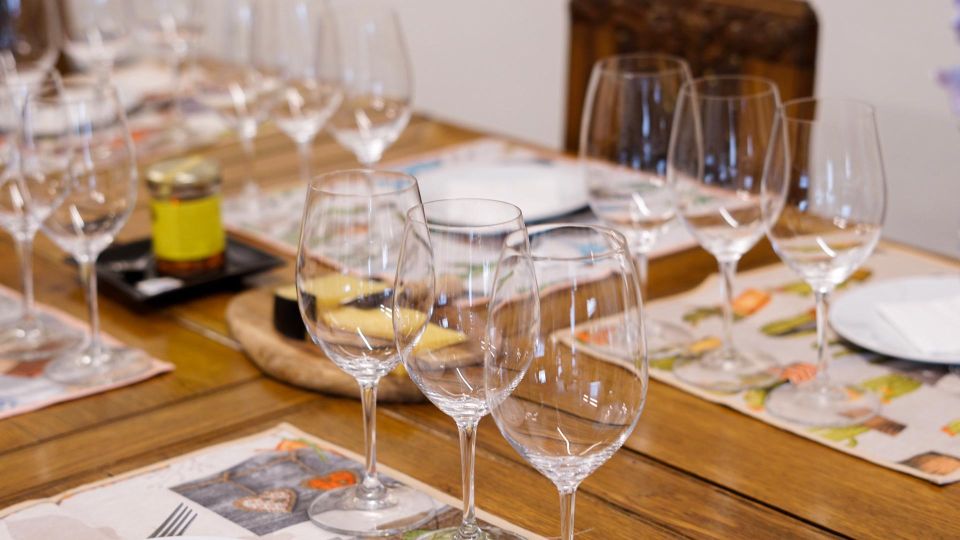
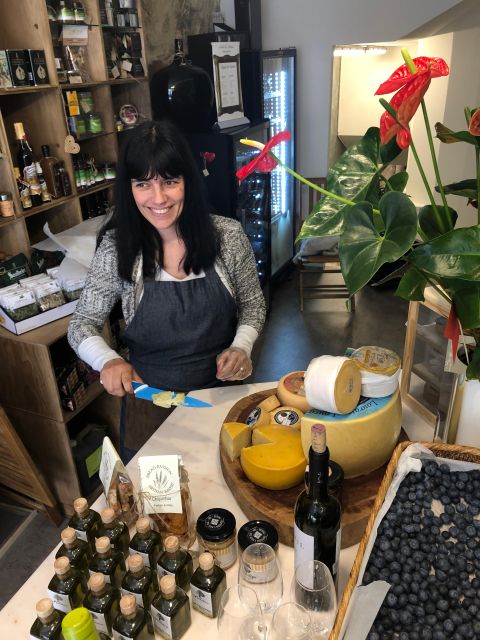
If you like your food experiences grounded in daily life, this one lands well. You meet at Patio das Marias shop and step into a classic Portuguese grocery vibe. Think narrow aisles, local pantry energy, and the sense that cheese and wine aren’t treated like museum pieces. They’re treated like food.
I like that the tour is built around the idea of pairing as a skill, not just a snack session. You’ll sample Portuguese cheeses and then taste three port wines designed to go with them. That means you’re not only tasting port. You’re tasting how port changes when it meets different cheese textures and strengths.
Also, it’s a good length for Porto. At 1.5 hours, you can fit it in between bigger plans without feeling rushed. It’s the kind of experience that works when you want something authentic and delicious, but you don’t want to commit a half-day.
You can also read our reviews of more food & drink experiences in Porto



How the Tasting Unfolds in This Traditional Store
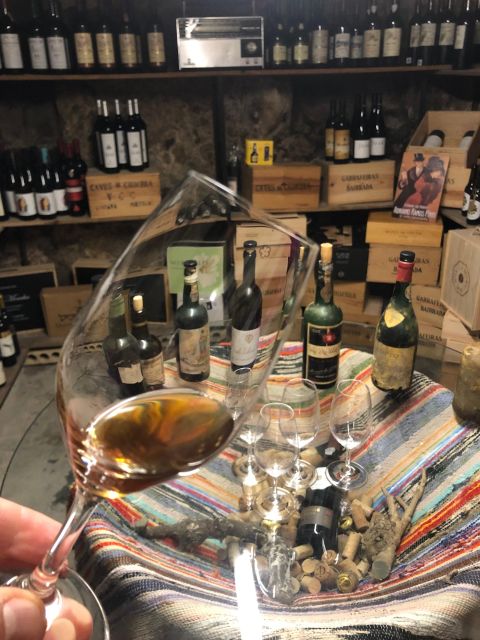
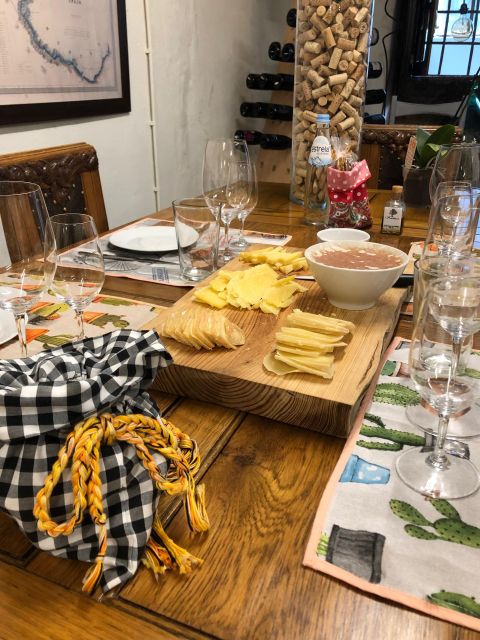
This is a hosted tasting in a traditional local grocery store. The host keeps the flow moving, since you have a set time window. You’ll be given the tasting set-up right where the experience happens, so you don’t spend the first chunk of the tour wandering for “the big moment.”
Here’s what you can expect, in practical terms:
- You’ll get a guided introduction to Portuguese cheese and port wine.
- You’ll taste four Portuguese cheeses in sequence.
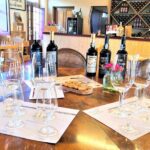
- Then you’ll pour through three port wine tastings meant to complement what you just tried.
- You’ll also have familiar add-ons: bread, extra virgin olive oil, and marmalade to balance salt, fat, and acidity.
The group is small, limited to 10 participants. That matters more than you might think. With a tight group, you can ask questions about what you’re tasting and get answers without the host turning it into a one-way speech. It’s especially useful for port, because people often know it as a sweet sip, but don’t know what to look for when you taste it side-by-side with cheese.
Language is another real-world detail: the tasting is offered in English or Portuguese, and the host/greeter is English-speaking. If you’re more comfortable in Portuguese, you can choose that option when available.
The Cheese Lineup: Creamy to Hard and Sharp Portuguese Staples
Portuguese cheese is one of those food worlds that surprises you fast. Even when you know a few names, you don’t always expect how wide the texture range is. That’s why this tasting works. You’re not sampling four random cubes. You’re sampling four cheeses that represent different styles—so you can learn what changes in flavor when texture and salt levels shift.
You’ll be introduced to a mix that includes:
- Queijo Amanteigado (often a smoother, creamier direction)
- Nisa (a style that brings its own distinct personality)
- Serra da Estrela (often richer and bolder)
- São Jorge (known for a harder, more pronounced bite)
The pairing logic is simple and useful. Creamy cheeses tend to feel more forgiving with sweet wines. Harder, sharper cheeses can handle port’s intensity better—especially when you’re also offered bread and olive oil to reset your palate.
I like that the tasting approach doesn’t just ask you to taste. It helps you notice. When a cheese is firm and sharp, you’ll feel it on the finish. When it’s creamier, port can come across smoother and more rounded. That’s the kind of learning that stays with you after the tasting, so you’re not dependent on the host’s explanations forever.
Port Wine Pairings: Three Glasses That Teach You What Port Does
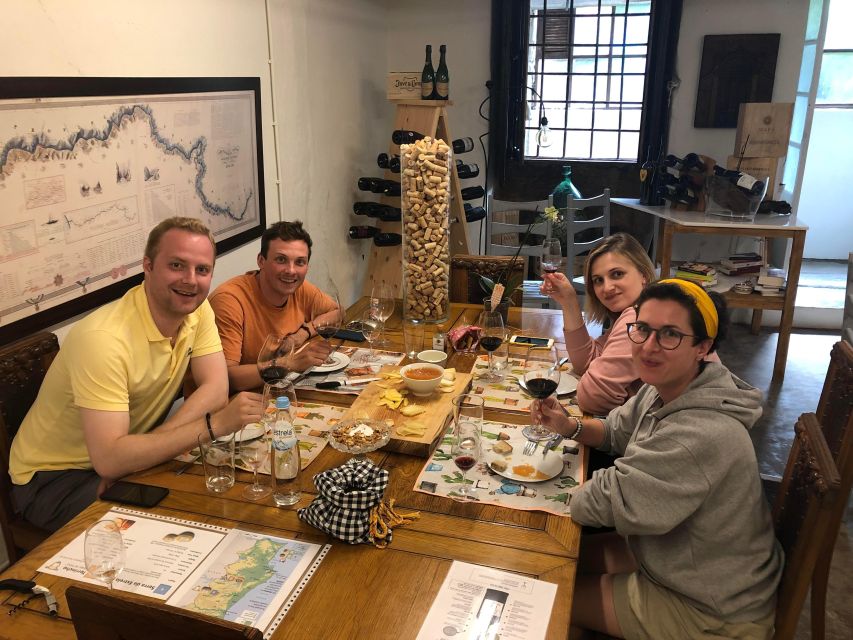
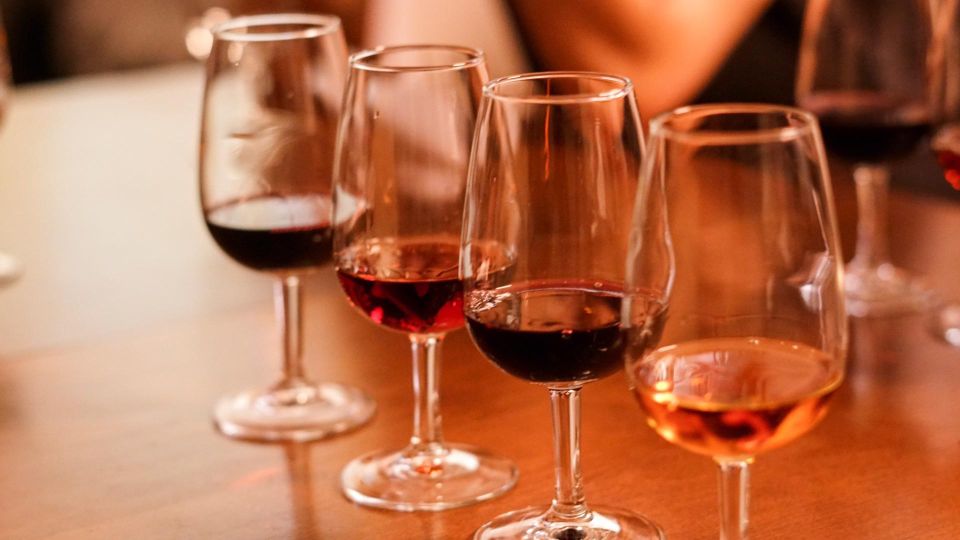
You get three port wine glasses, and the goal isn’t to speed-drink through them. The goal is to notice how port changes based on what’s on your plate—especially because you’re moving from cheese type to cheese type.
Port has a reputation for sweetness, but in tastings like this you start to see more structure: sweetness balanced by acidity, fruit character, and that deeper, slightly warming feeling that plays well with salty dairy. When you taste port alongside different cheeses, you get a mini lesson in why some pairings work and others feel clumsy.
Practical tip: when you switch to a new port glass, take a second before you decide you love it or not. Some ports show best after the cheese. If you jump too fast, you’ll miss the full effect of the pairing.
Also, since this includes alcohol, pace matters. You’ve got a 1.5-hour window, so the tasting won’t last all day—but you’ll still want to slow down and stay aware of how many sips you’ve had. It’s a “learning by tasting” format, not a party format.
The Secret Spot Inside the Store: A Small Moment With Big Payoff
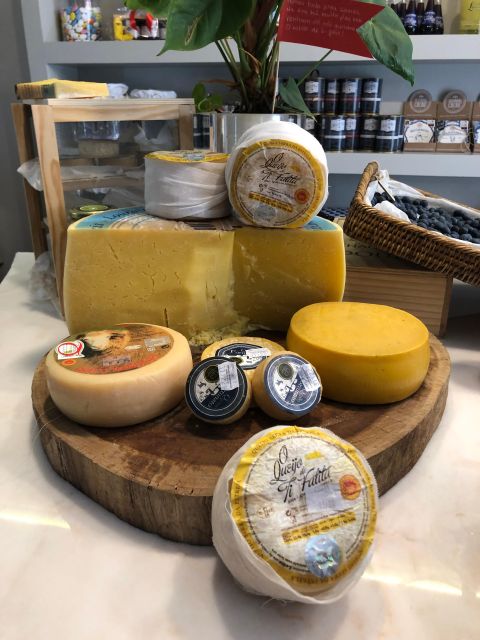
One of the most memorable parts is that you’ll visit a secret spot inside the store. That detail matters because it turns a food tasting into something more playful and story-driven. Food tastings can blur together when they feel generic. A hidden corner gives this one a sense of place.
I also like that the secret spot is inside the same local shop, so you’re not pulled into a separate attraction. It stays connected to the main idea: Portuguese cheese and port are part of everyday culture, not staged tourism.
Bring a camera if you can. You’re told to bring one, so plan to take a few photos—just enough to capture the vibe. And keep it respectful in a working store environment: quick shots, no lingering, and no blocking people while the group is tasting.
You can also read our reviews of more wine tours in Porto



Bread, Olive Oil, and Marmalade: The Pairing Tools You Can Copy Later
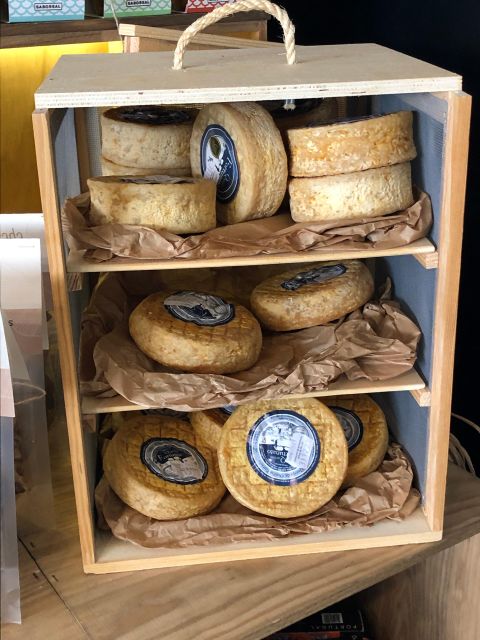
The tasting includes more than cheese and port. You’ll have fresh bread, extra virgin olive oil, and marmalade as complements. This is one of those understated details that makes the experience feel thoughtful instead of mechanical.
Here’s why those add-ons help:
- Bread gives you a neutral base so you can reset between strong cheese and wine moments.
- Olive oil can soften edges and make flavors feel smoother on the tongue.
- Marmalade can add sweetness and acidity, which helps when port wine starts to feel too heavy on its own.
If you want to carry the experience home, pay attention to how these extras change the bite. You can recreate the spirit of the pairing later by using simple elements: good bread, a light pour of olive oil, and something sweet to balance salt.
The Expert Angle: Learning the Why Behind Portuguese Cheese and Wine
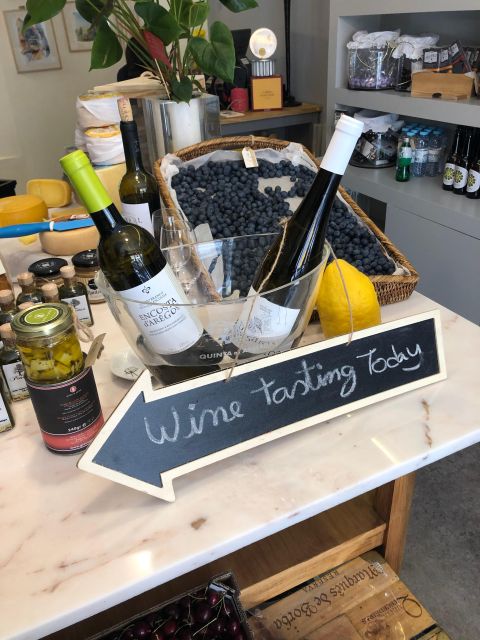
A big part of the value here is that you’re not only tasting. You’re also learning from a local expert about the history of cheese and wine in Portugal. The tour is designed as a quick introduction, so you won’t get a textbook chapter dumped on you. You’ll get explanations that help you understand what you’re tasting in real life.
This matters for two reasons:
- It turns the tasting into a mental map, so your next food order makes more sense.
- It builds confidence. When you know why a pairing works, you’re less likely to buy something blindly later.
One additional detail that adds credibility: in at least one English-hosted experience, the guide named Clarice was specifically praised for the knowledge and clear explanations around port wine and Portuguese cheeses. That kind of guidance tends to make a tasting feel organized instead of chaotic.
What You Should Know Before You Go (And Who Should Skip It)
This experience is clearly labeled for certain limitations:
- Not suitable for vegans
- Not suitable for lactose intolerance
- Not suitable for pregnant women
That’s not just a legal formality. Cheese and olive-oil-based setups still involve dairy, and port is alcohol. If you fall into any of those categories, you’ll likely end up uncomfortable or disappointed.
If you’re lactose tolerant and you’re okay with alcohol, this is a straightforward “taste and learn” experience. It’s also a good pick if you like food that’s local and not overly dressed up. You’re in a real shop, tasting real Portuguese styles, and getting a pairing rhythm you can repeat later when you shop.
Also, you’re told the tasting will be in English or Portuguese. If you have a preference, make sure you choose accordingly when booking.
Price and Value: Why $29 Can Make Sense in Porto
At $29 per person, this tour prices itself as an affordable food activity rather than a big-ticket wine event. The value isn’t just the price tag—it’s what you’re getting in return.
For your money, you receive:
- Tasting of 4 Portuguese cheeses
- Port wine tasting of 3 glasses
- Bread, extra virgin olive oil, and marmalade
- A guided explanation about Portuguese cheese and wine
- A visit to a secret spot inside the store
When you add it up, the tour is essentially bundling multiple tasting components plus guidance and a special setting. If you tried to recreate this solo in Porto—buying cheeses, then finding the right port match, then dealing with tasting portions—you’d likely spend more and still miss the pairing logic the host provides.
One more value point: duration and convenience. 1.5 hours means you don’t lose half a day to logistics. It’s a “smart stop” between sightseeing blocks.
Where the price can feel less fair is if you’re looking for a huge, sit-down meal. This isn’t that. It’s a tasting format. If that matches your mood—sample, learn, move on—it’s well aligned.
Should You Book This Porto Cheese and Port Tasting?
Yes, if you want an authentic Portuguese food moment without over-planning. I’d book it if you:
- love cheese and want to taste multiple styles (not just one familiar kind)
- are curious about how port wine works with different textures
- like small-group experiences where you can ask questions
- want a memorable stop inside a local shop, including that secret spot moment
I’d skip it if you need vegan options, you’re lactose intolerant, or you’d rather avoid alcohol entirely. And if you hate the idea of organized tastings (you prefer roaming and picking your own food), you might find the structure a little too “guided.”
If you’re generally open to tasting your way through Portuguese flavors, this is one of those practical tours that leaves you with both better taste buds and better ordering instincts for your next cheese and wine purchase in Portugal.
FAQ
Where do I meet for the tasting?
You meet at the Patio das Marias shop.
How long is the Porto cheese and port wine tasting?
The experience lasts 1.5 hours.
How much does it cost?
The price is $29 per person.
What’s included in the tasting?
You’ll get tasting of 4 Portuguese cheeses, 3 port wine glasses, and complementary items including marmalade, extra virgin olive oil, and fresh bread. You also visit a secret spot inside the store.
How many port wines are included?
You’ll taste 3 glasses of port wine.
What cheese will I try?
The tasting includes 4 Portuguese cheeses and covers a range of styles. Examples mentioned include queijo Amanteigado, Nisa, Serra da Estrela, and São Jorge.
What languages is the tasting offered in?
The tasting is offered in English or Portuguese.
Is it suitable for vegans or people with lactose intolerance?
No. It is not suitable for vegans and not suitable for people with lactose intolerance.
What should I bring?
Bring a camera if you’d like photos during the experience.