REVIEW · PORTO
Porto: 3 Wine Regions & Farm Lunch with Views Small-Group
Book on GetYourGuide →Operated by To Do In Portugal · Bookable on GetYourGuide
A day in Portugal’s Douro Valley moves fast. This small-group tour from Porto strings together 3 estate visits with Port + DOC tastings, plus a vineyard lunch, and it’s timed so you get real viewpoints without the headache of planning.
I especially love how personal it feels with a max group size of 8, and I like that the tastings go beyond wine to include local products like olive oil and honey. One consideration: winery stops can change based on availability, so it helps to keep a flexible mindset about which exact estates you’ll visit.
In This Review
- What Makes This Douro Day Feel Special (and Not Cookie-Cutter)
- The Morning Drive: Porto To Douro Views, With Photo Stops You’ll Use
- Pinhão: A Wine Tasting Stop That Sets the Tone
- Sabrosa and Vineyard Lunch: Where the Douro Tastes Like It Looks
- The Second Estate Visit: More Tastings, More Douro Clues
- Croft-Style Port Moments (and Other Local Products)
- Timing and Pace: Why This Tour Works in 9 Hours
- Your Guide Makes the Difference (Look for the Human Touch)
- What You Get for the Price (and Why It Often Feels Like Good Value)
- What to Bring (So the Day Feels Easy)
- Who This Douro Tour Fits Best
- Should You Book This Douro Day?
- FAQ
- FAQ
- How long is the Douro Valley wine tour from Porto?
- Where do I meet the tour guide in Porto?
- What’s the group size?
- What’s included in the price?
- Are vegetarian or gluten-free meals available?
- What should I bring or wear?
- Is the tour suitable for everyone, including people with mobility impairments?
What Makes This Douro Day Feel Special (and Not Cookie-Cutter)
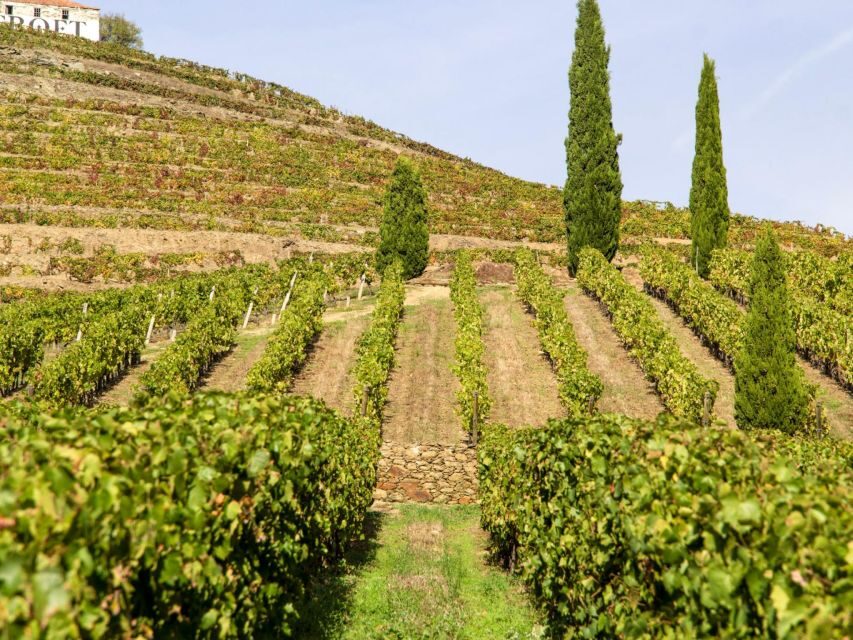
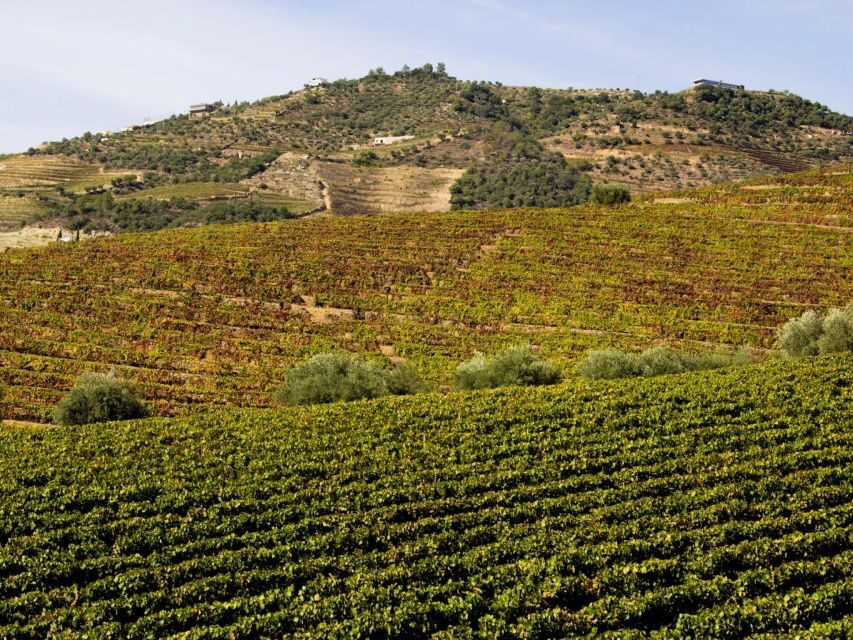
The Douro Valley is famous for a reason. It’s UNESCO-listed, dramatic, and made for slow appreciation—but you only have so much time when you’re staying in Porto. This tour solves that by bundling the best parts of a first Douro visit into one 9-hour outing: scenic drives, multiple tastings, and a lunch in the middle of the vineyards.
And the small-group limit matters more than you’d think. With fewer people, the guide can answer questions without rushing you, and the group stays calm enough to actually enjoy the tastings instead of treating them like a conveyor belt.
You’ll also notice the tour is built around variety. You’re not just repeating the same wine lesson three times. Instead, you get different estates and different products—Port wine, DOC Douro table wines, and in at least one stop, tastings that can include honey and olive oil—so you leave with a fuller picture of how the region’s flavor shows up on your plate and in your glass.
The Morning Drive: Porto To Douro Views, With Photo Stops You’ll Use
You meet at the bus stops near Trindade Metro Station, right in central Porto. The pace is easy from the start: a van ride carries you westward into the wine country, with the morning structured to avoid wasted time.
After pickup, there’s a break for breakfast at a coffee shop (about 20 minutes). This is helpful because it’s not just coffee—you need fuel before the day turns into tastings and lunch.
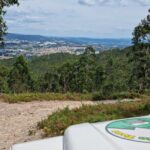
Then the best part kicks in: scenic stops. You’ll pause for photos and views along the way, including:
- A stop at the Douro River for scenery (around 20 minutes)
- A stop in São Cristovão do Douro for sightseeing and photo time (about 10 minutes)
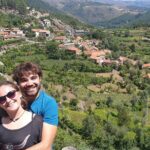
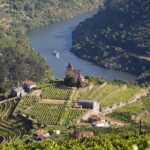
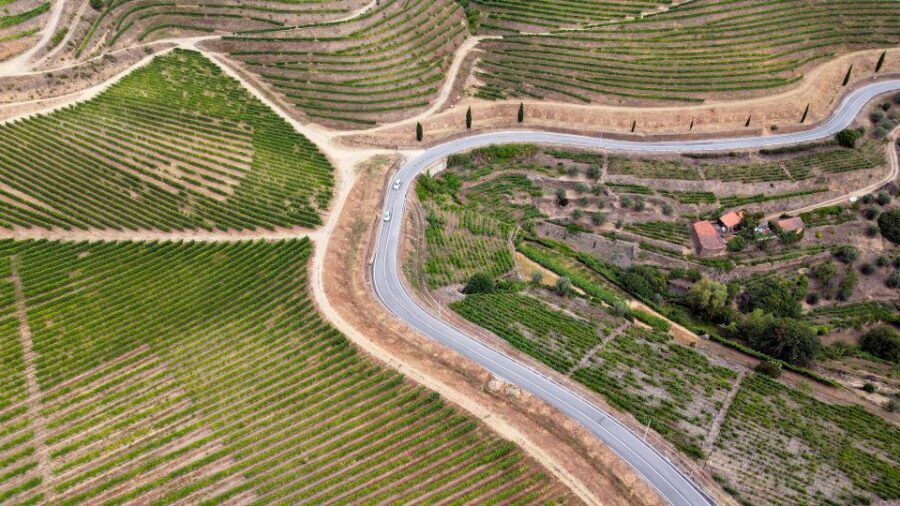
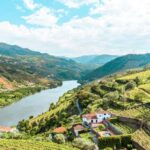
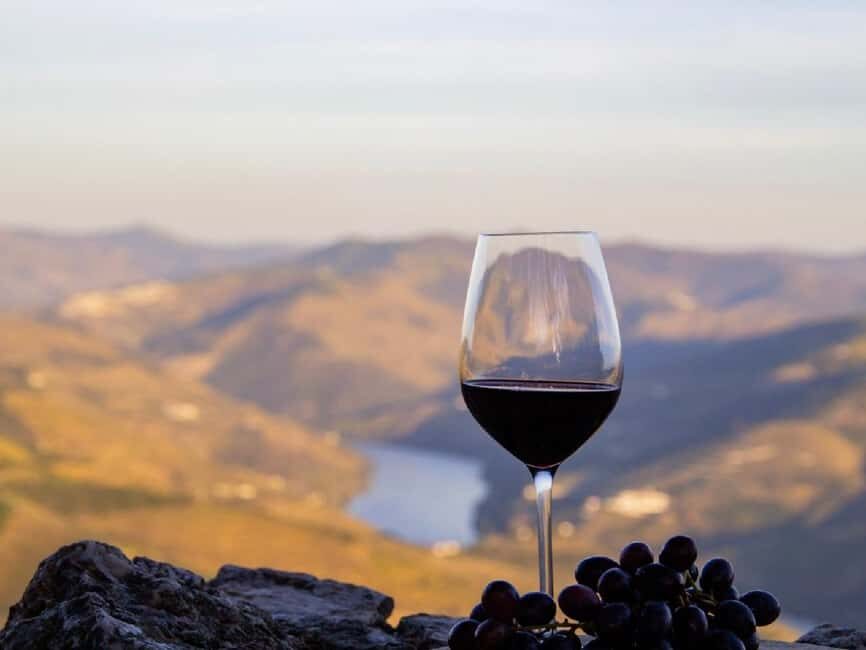
If you like getting pictures without sprinting, these breaks are timed well. The views aren’t just pretty backdrops; they help you understand what you’re tasting. When you can see the river bends and the terraced vineyards, the Douro makes sense fast.
You can also read our reviews of more wine tours in Porto
Pinhão: A Wine Tasting Stop That Sets the Tone
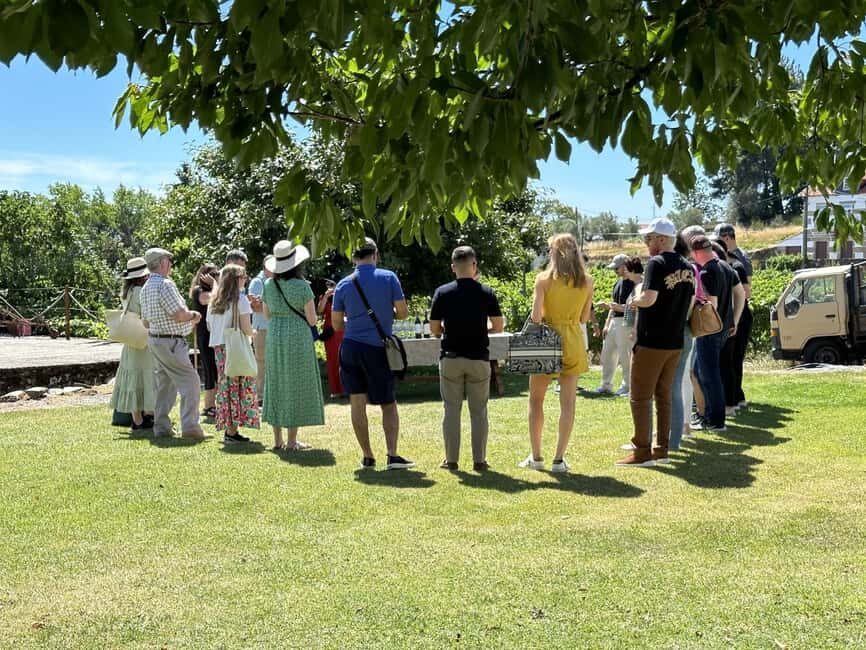
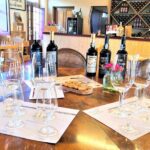
Pinhão is one of the classic Douro locations, and the tour gives you time to experience it properly rather than treating it like a quick pass-through. This is where you get a deeper wine moment: you’ll have a visit and a wine tasting here (about 1 hour).
This stop is a key building block. It’s where you start connecting the dots—grapes, altitude, river geography, and the way producers think about DOC Douro wines versus Port-style wines.
Practical tip: if you’re sensitive to strong flavors, pace your sips. Tastings are the point, but you’ll enjoy everything more if you don’t race through the tasting flight.
Sabrosa and Vineyard Lunch: Where the Douro Tastes Like It Looks
Lunch comes in the town area of Sabrosa, which is a smart placement. You’re far enough into the region that your day feels like it’s truly in the Douro Valley, but not so far that you’re exhausted before the second winery stop.
Lunch is about 1.5 hours and is served at a restaurant with vineyard views. The tour includes wine with lunch as part of the experience, plus regional specialties. Dietary options are available if you request them ahead of time—vegetarian and gluten-free options are listed, and vegan options are also mentioned as available with advance notice.
This is the part of the day where you slow down and actually digest. After morning tastings and scenic stops, lunch gives you a chance to:
- reset your appetite
- try flavors in a regional context
- enjoy the view while you eat (not while you’re stuck in traffic)
If you’re the type who likes food as part of travel, this is the moment that often makes the tour feel worth it, even if you’re not a full-on wine fanatic.
The Second Estate Visit: More Tastings, More Douro Clues
After lunch, the tour continues with another estate visit in the Sabrosa area. This segment includes scenic views and another 1-hour wine tasting window, plus a stop to explore the estate itself.
This is where you’ll see the differences between estates more clearly. Even when the grapes and the region are the same, the vibe changes from place to place—how they explain the production process, what they emphasize, and how they guide you through the tasting flight.
One detail I appreciate from the tour notes: it’s not only about sipping wine. Included visits are described as guided estate experiences with Port wine, table wine, and tastings such as olive oil. That makes the second estate feel like a continuation of your learning, not a repeat stop.
Croft-Style Port Moments (and Other Local Products)
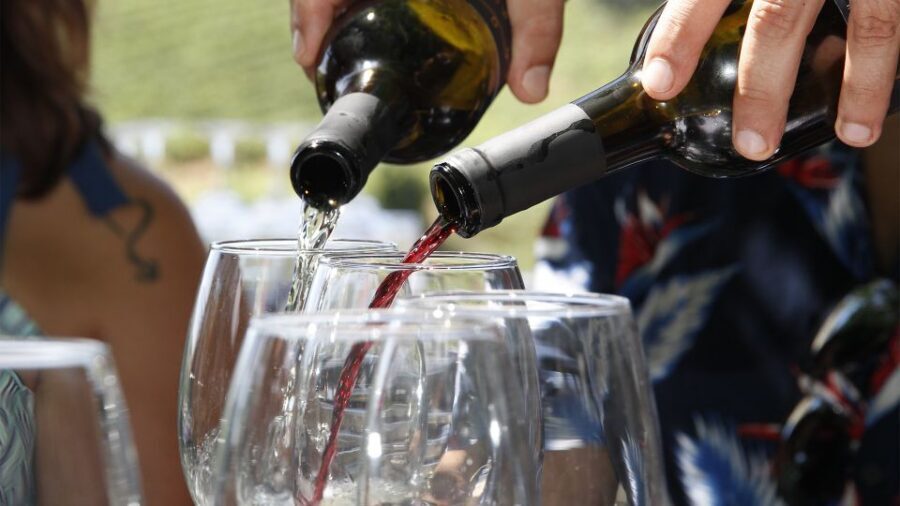
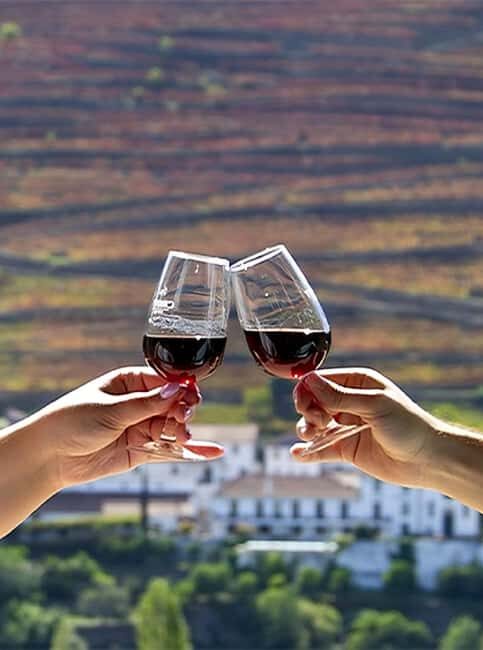
Port wine is the headline in the Douro, and you’ll get dedicated Port tastings across the day. The information you provided also shows that included experiences can include local products beyond alcohol—like honey and olive oil—at one of the stops.
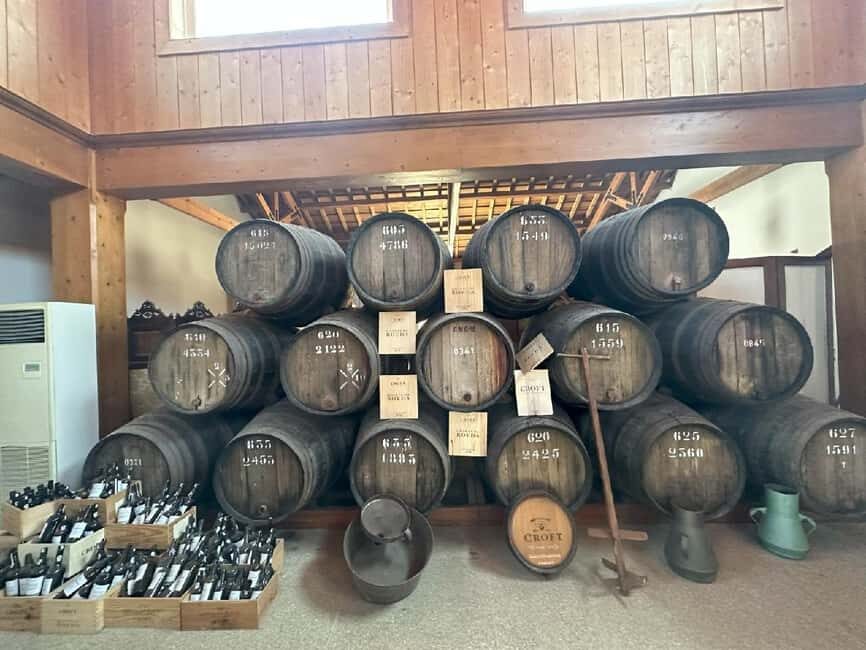
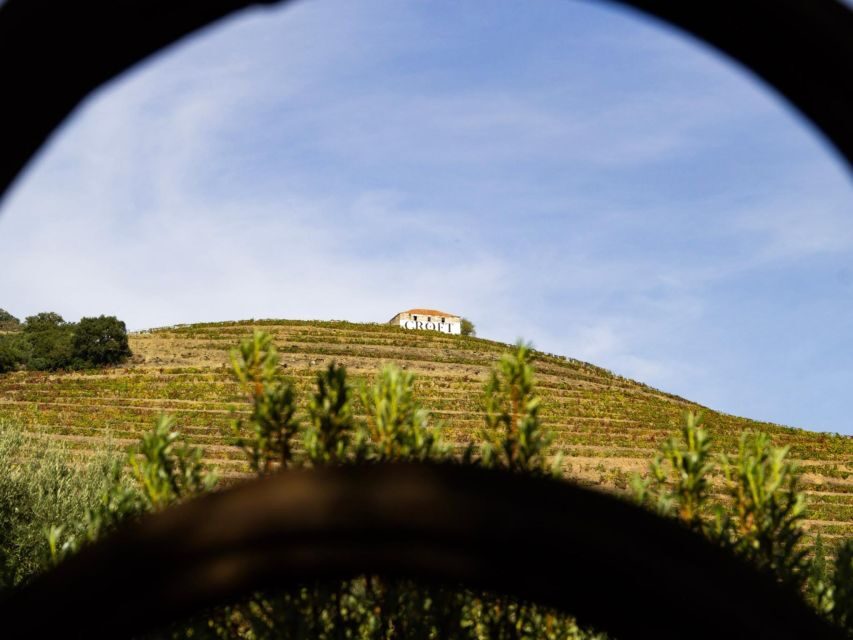
In one set of experiences, a major Port producer such as Croft was included, and the tastings included multiple Port pours (and even a Port and Tonic pairing). Not every departure will match that exact lineup, because wineries are subject to availability, but it tells you the range this tour can cover—from bigger recognizable brands to more intimate producers.
What to take from this: you’re not stuck with one “style” of tasting. You’ll likely get a mix that helps you understand how Port and Douro table wines can feel different even when they come from the same region.
A few more Porto tours and experiences worth a look

Timing and Pace: Why This Tour Works in 9 Hours
This tour’s rhythm is built around a full day without dragging you across the entire region. Here’s the flow, in plain terms:
- Van ride from Porto to the Douro wine country (about 1.5 hours)
- Breakfast stop (about 20 minutes)
- Photo and view stops (Douro River, then São Cristovão do Douro)
- Wine visit and tasting in Pinhão (about 1 hour)
- Sabrosa area for lunch with wine (about 1.5 hours)
- Second Sabrosa estate visit and tasting (about 1 hour)
- Return van trip to Porto (about 110 minutes)
The value of this structure is simple: you don’t have to choose between “scenery” and “tasting.” You get both, and you’re back in Porto the same day.
Also, the pace works well for first-time Douro visitors. If you’re overwhelmed by decisions, having a guide handle the sequence is a real win.
Your Guide Makes the Difference (Look for the Human Touch)
This tour is guided, and the guide quality comes through in the details. Names that show up in the experiences you provided include Márcio, Job, Emanuel, and Nuno.
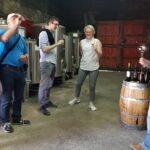
A good Douro guide does more than explain. They time conversations so you learn something, then actually have the space to enjoy. Several experiences point out guides who kept things on track, asked when to answer questions, and made the group feel like a small circle rather than a lecture.
If you care about how wine is made and why the Douro tastes like it does, this kind of guiding is the difference between a fun tasting and a meaningful one.
What You Get for the Price (and Why It Often Feels Like Good Value)
At $118 per person for a 9-hour full day, the biggest value isn’t the sticker price—it’s what’s bundled in.
You’re paying for:
- private van transportation by a professional driver
- a guide for the full day
- guided visits to 3 estates
- Port and DOC Douro tastings
- lunch with wine in a vineyard setting
- bottled water
If you tried to build this yourself, you’d likely spend money on transportation, pay for tasting fees across multiple producers, and still need to coordinate timing and reservations. Even without trying to compare exact costs, the tour price makes sense because it covers the hard parts: logistics plus multiple included tastings.
What to Bring (So the Day Feels Easy)
Bring simple things and you’ll enjoy the day more:
- Comfortable shoes (you’ll do estate walks and sightseeing stops)
- Comfortable clothes (Douro weather can be extreme)
- Camera (you will use it at the river and town photo stops)
Weather note from the tour details: summer can be very hot, and winters can be cold. Dress for temperature swings, not just the forecast.
Also, the tour notes say no luggage or large bags. Keep it light.
Who This Douro Tour Fits Best
This is a great fit if:
- you’re staying in Porto and want a full Douro tasting day without planning
- you like guided wine experiences with scenic breaks
- you want a small-group vibe and a personal feel
- you’re interested in Port as well as DOC Douro table wines
- you want food that’s actually part of the experience, not an afterthought
It’s not a great fit if:
- you have mobility impairments (the tour states it’s not suitable)
- you need lots of luggage space
- you’re expecting a fully private, no-other-guests day (the tour notes other participants may be with the group)
Should You Book This Douro Day?
I’d book it if you want a one-day “Douro foundation” while based in Porto: scenery stops, 3 winery experiences, Port and DOC tastings, and a vineyard lunch with wine. The small group size is a real advantage, and the pace is built for enjoying the day rather than rushing through it.
I wouldn’t book if you need guaranteed access to the exact same estates every time, because wineries can be replaced based on availability. Also skip it if mobility is an issue, since the tour specifically says it’s not suitable.
If you’re on the fence, your best signal is this: if you want variety—Port plus table wine, plus local products like honey/olive oil, plus vineyard views—this tour hits the right mix in one day.
FAQ
FAQ
How long is the Douro Valley wine tour from Porto?
The tour lasts 9 hours.
Where do I meet the tour guide in Porto?
You can meet your guide at the bus stops next to Trindade Metro Station in the center of Porto.
What’s the group size?
It’s a small group with a maximum of 8 people.
What’s included in the price?
The tour includes guided visits to 3 estates with Port wine and table wine tastings, olive oil tastings, professional guide and private vehicle transportation, lunch, and bottled water.
Are vegetarian or gluten-free meals available?
Yes. Vegetarian and gluten-free options are available if requested in advance. Vegan options are also listed as available if you inform the local caterer ahead of time.
What should I bring or wear?
Bring comfortable shoes and comfortable clothes, and consider bringing a camera. The weather can be very hot in summer and cold in winter, so dress accordingly.
Is the tour suitable for everyone, including people with mobility impairments?
No. The tour states it is not suitable for people with mobility impairments.