REVIEW · PORTO
Port : Sail, Sip & Savor : Douro Boat Tour With Wine Tasting
Book on Viator →Operated by Douro Sailing · Bookable on Viator
Two hours on the Douro feels like moving slow. I like this cruise because it mixes wine tasting with serious views of Porto and Vila Nova de Gaia, plus guide stories you can actually use while you explore.
I especially love the small group feel (max 10). On my favorite departures, the crew—often Inês and António—keeps the vibe relaxed while sharing smart context about landmarks you’ll recognize right away.
One thing to keep in mind: this experience depends on conditions. If weather changes, the route can adjust, and you may lose some of the outside-the-river portion.
In This Review
- Key highlights you’ll feel right away
- Starting at Marina da Afurada: a quick send-off to the river
- Why a 2-hour Douro cruise hits the sweet spot
- Arrábida Bridge to Dom Luís I: seeing Porto’s engineering from below
- Ribeira (UNESCO) from the water: the medieval riverfront in motion
- The Douro Estuary Natural Reserve: birds and migration corridors
- Barcos rabelos: how port wine traveled before roads and dams
- A little Porto transit history at Museu do Carro Electrico
- Wine tasting on board: what you can expect to taste
- Crew and comfort: where the experience gets its charm
- Price and value: what $44.22 buys you in Porto terms
- Weather reality check (and how to plan your day)
- Who should book this Douro Sail Sip & Savor cruise
- Should you book it?
- FAQ
- How long is the Douro boat tour?
- Where does the tour start?
- What is the end point?
- What language is the tour offered in?
- What is the price per person?
- How many travelers are on the boat?
- Is service animal access allowed?
- Is the meeting point near public transportation?
- What happens if weather is poor?
- How does cancellation work?
Key highlights you’ll feel right away
- Wine tasting, not just a sip: you get a proper tasting moment with port-style pours and snacks.
- Max 10 travelers: questions are easy, and the commentary stays personal.
- Iconic bridges in a short loop: Arrábida and Dom Luís I show up in the same cruise window.
- UNESCO Ribeira views from the water: medieval riverside energy, seen at boat speed.
- Douro estuary wildlife focus: the river isn’t only wine country—it’s migration corridors too.
- Crew warmth matters: names like Inês and António keep showing up in the best moments.
Starting at Marina da Afurada: a quick send-off to the river
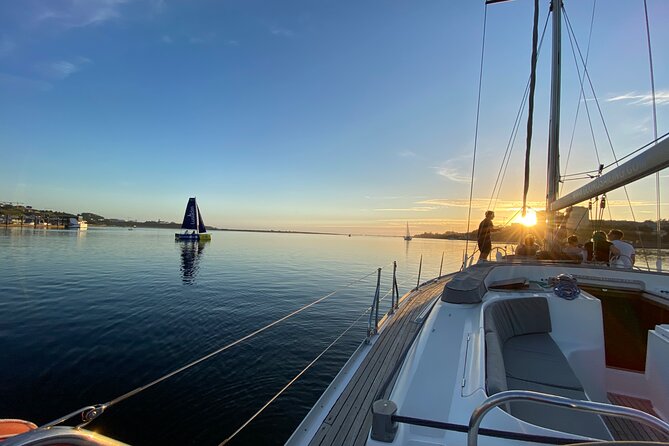
The tour meets at Marina da Afurada in Vila Nova de Gaia (Rua da Praia 430). That matters, because it places you on the Gaia side where you get great angles looking back toward Porto.
Plan to arrive a little early so you can get settled, take a breath, and spot the landmarks you’ll hear about. This is a casual two-hour outing, so you’ll enjoy it more if you’re not rushing at the dock.
You can also read our reviews of more food & drink experiences in Porto


Why a 2-hour Douro cruise hits the sweet spot
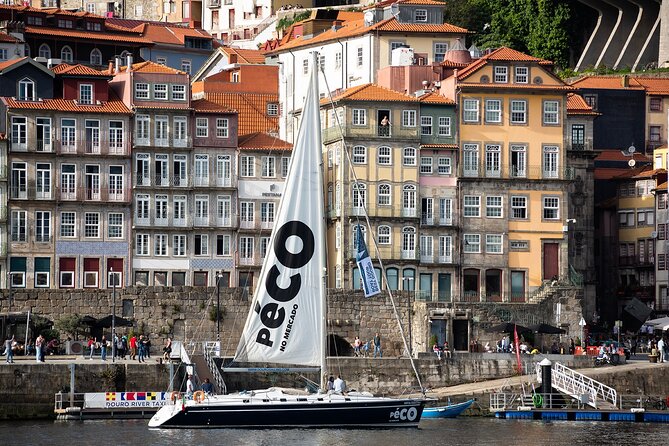
At around 2 hours, you get the “aha” moments without committing to a half-day. It’s a smart length for Porto, where you’ll also want time for streets, viewpoints, and dinner.
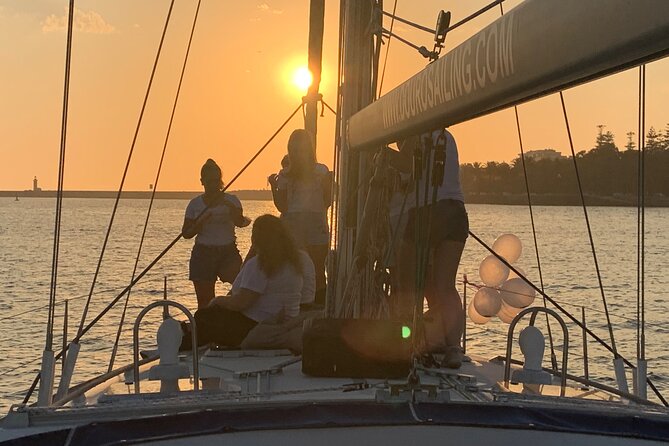
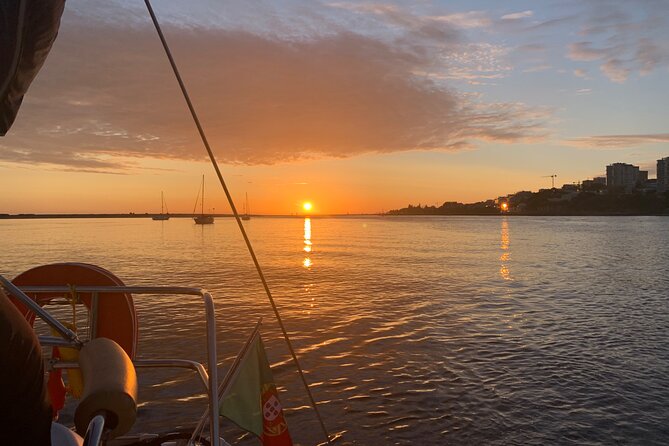
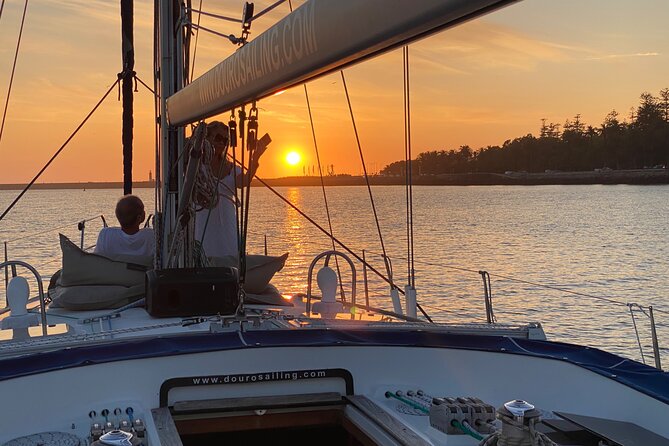
The timing tends to work for both early starts and sunset-style departures. In the best cases, you’re on the water when the city looks extra photogenic—especially with soft light over the bridges and the Ribeira stretch.
And yes, this one is in English, which helps if you want the stories tied to what you’re actually seeing—not just general background.
Arrábida Bridge to Dom Luís I: seeing Porto’s engineering from below
Your cruise passes the Ponte da Arrábida (Arrábida Bridge), one of Porto’s key links across the Douro. It’s not just a bridge to admire—it’s a snapshot of how the city kept solving traffic problems as the river corridor grew.
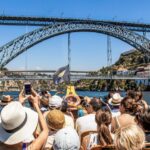
You’ll also see Dom Luís I Bridge, the big Porto-to-Gaia connection. It’s metal, split into upper and lower decks, and finished in 1888. The guide’s job here is to connect what you’re viewing to why the bridge matters in the city’s layout, not just recite dates.
In practice, the boat view helps you understand the geography fast. You’ll start noticing where the hills and neighborhoods sit, and that makes your walking days later feel easier.
Ribeira (UNESCO) from the water: the medieval riverfront in motion
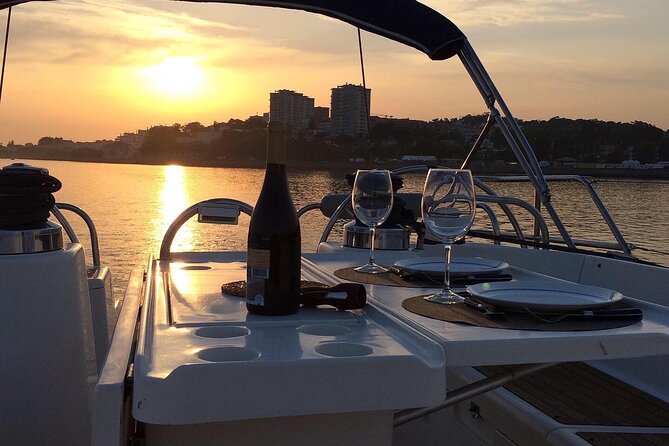
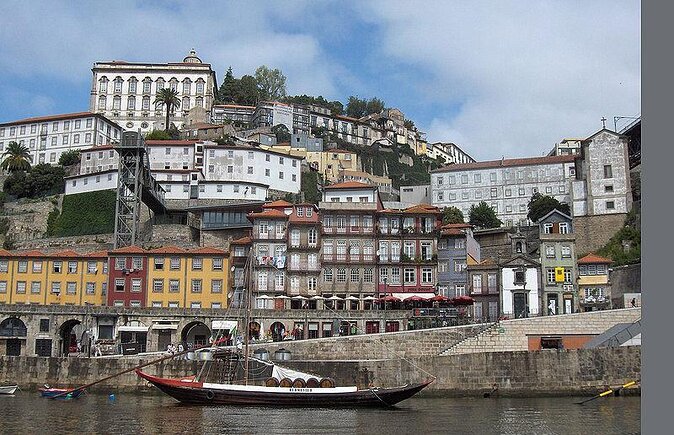
From the water, Cais da Ribeira doesn’t feel like a distant postcard. It feels like the town’s original rhythm—trade and movement by the river, with medieval character that still defines the area.
Ribeira is part of Porto’s UNESCO Historic Center, and you’ll appreciate that designation more when you watch the riverfront slide by. It’s not only buildings. It’s the whole working relationship between water, stairs, and pedestrian squares.
You’ll also hear a story tied to the Duke of Ribeira, a local figure associated with saving people from drowning. Whether you care about the tale or not, it adds a human layer to what you’re seeing at the Louis I Bridge end of the riverfront.
The Douro Estuary Natural Reserve: birds and migration corridors
A highlight on this route is Reserva Natural Estuario do Douro. You’ll pass through an area about 66.35 hectares on the south bank near Afurada and covering spots like Cabedelo and São Paio Bay.
What I find useful here is the angle the guide brings: this is a migratory corridor, described as the East Atlantic Flyway route. Translation for you: it’s a place where birds live and pass through, and the reserve is visited via suspended pavement, making observation easier.
Even if you don’t become a birdwatcher, it changes how you think about the Douro. It’s not only vineyards and port cellars. It’s an ecosystem.
You can also read our reviews of more boat tours in Porto
Barcos rabelos: how port wine traveled before roads and dams
You’ll see rabelo boats, the classic workboats tied to Port Wine history. For decades they transported wine barrels between remote Douro areas and the cellars in Vila Nova de Gaia.
This stop gives you context for a key Portuguese truth: the river was the highway. Before major roads and railways, farms relied on the Douro for moving heavy barrels.
One detail I like in the way the story is told is the risk. Without dams, the Douro could be treacherous, with fast currents in narrow stretches. Sailing needed experienced crews who could get the precious cargo to safety.
A little Porto transit history at Museu do Carro Electrico
Even if you don’t step inside, the Museu do Carro Electrico stop adds a smart “after this cruise” idea. The museum was founded in 1992 to preserve historic electric vehicles and rail-era public transport.
It’s installed in a building that once housed the Massarelos Thermoelectric Central (built in 1915). That connection—old power generation, old transit, old streets—helps you see Porto as a city that keeps reinventing itself.
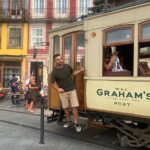
The museum also points you toward the idea of riding Tram Line 1 when you’re visiting. If you like rail history or simply want a low-effort way to see views from tram level, that’s a great next-day option.
Wine tasting on board: what you can expect to taste
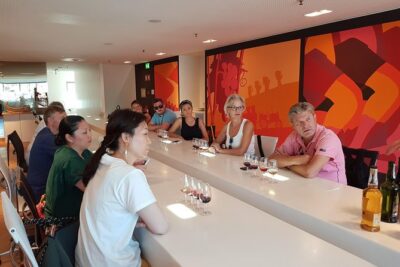
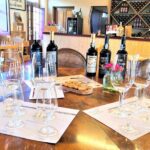
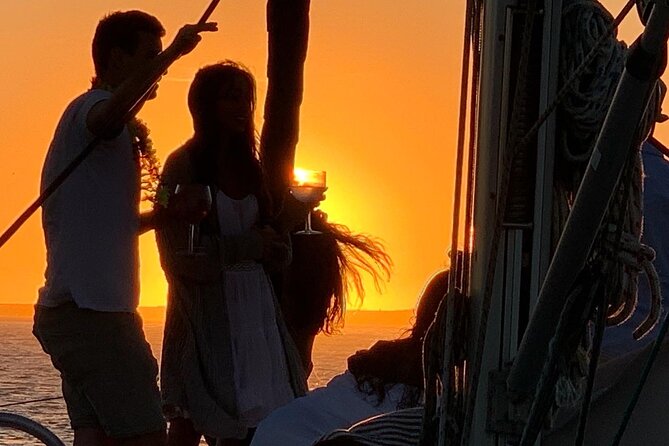
This experience is built around sipping, but it’s not treated like a gimmick. You’ll get wine tasting with a port focus (including tawny-style port) alongside snacks.
In real-world terms, that means you won’t finish the cruise feeling like you only got a sip and a smile. The tasting timing is part of the pacing, and it pairs well with sunset or softer evening light.
If you get cold, you might also be handed help in the form of blankets, which makes the tasting portion more comfortable. And if you’re curious about drinks beyond what’s included, some cruises note you can purchase additional options on board.
Crew and comfort: where the experience gets its charm
The strongest pattern in great outings is the crew chemistry. Names like Inês and António come up again and again, and the reason is simple: they combine landmark storytelling with practical advice for your time in Porto.
I also like that the tone feels friendly and professional rather than stiff. You can ask questions. You get answers that make you want to walk outside the boat right away.
Comfort-wise, there’s an added advantage mentioned: a restroom onboard. On a two-hour cruise, that’s one of those details that feels small until you need it.
Price and value: what $44.22 buys you in Porto terms
At $44.22 per person, you’re paying for three things at once:
1) time on the river,
2) a guided interpretation of what you see, and
3) wine/port tasting with snacks.
That’s why this feels like good value compared with “just a boat ride.” Porto has plenty of viewpoints you can reach on foot, but not all of them come with a story-led tour plus tasting.
Also, the cap of 10 travelers matters. Smaller groups usually mean you’re not yelling over noise or watching a guide talk to a crowd you can’t hear.
Book soon if you can. This type of experience averages being booked about 19 days in advance, which usually means dates fill up during peak travel weeks.
Weather reality check (and how to plan your day)
This cruise needs good weather. If conditions are poor, the operator can cancel the sea portion or adjust the route for safety. In those cases, you may feel like the experience doesn’t match the full “expected” version.
Here’s how you protect your plan:
- Schedule it as part of a flexible day, not your only view window.
- Keep a backup activity close by—Porto’s walkable streets and viewpoints are ready-made backups.
The bright side? Even in less-than-perfect conditions, people often describe the cruise as still enjoyable, especially when the crew works hard to keep things comfortable and moving.
Who should book this Douro Sail Sip & Savor cruise
Book it if you want:
- a relaxing two-hour break from stairs and cobblestones
- bridge-and-river views without a full-day commitment
- guided context you can use later (Ribeira, Gaia, transit history)
- a tasting moment that feels like part of the trip, not an add-on
It’s also a strong choice for couples and families who want something scenic but not exhausting. With a small cap of 10 travelers, it tends to feel more human than mass-market tours.
If you hate any weather uncertainty at all, you may want to pair this with a later-day plan. The river can be moody.
Should you book it?
Yes, I’d book it for most first-timers to Porto—especially if you like ships, bridges, and a little taste of the region’s drinks. The price makes sense because you’re getting more than scenery: you’re getting a guided route tied to recognizable Porto/Gaia landmarks plus a real wine tasting moment.
Just go in with one mindset: this is a weather-dependent experience. If the sky cooperates, it feels romantic and easy. If it doesn’t, the crew still aims to keep the tour comfortable—though you might lose part of the broader water plan.
If you want a simple way to see Porto from the Douro in one sitting, this is a very solid pick.
FAQ
How long is the Douro boat tour?
The tour is about 2 hours.
Where does the tour start?
The meeting point is Marina da Afurada, R. da Praia 430, 4400-554 Vila Nova de Gaia, Portugal.
What is the end point?
The activity ends back at the meeting point.
What language is the tour offered in?
The tour is offered in English.
What is the price per person?
The price listed is $44.22 per person.
How many travelers are on the boat?
The tour has a maximum of 10 travelers.
Is service animal access allowed?
Yes, service animals are allowed.
Is the meeting point near public transportation?
Yes, the meeting point is near public transportation.
What happens if weather is poor?
This experience requires good weather. If it’s canceled due to poor weather, you’ll be offered a different date or a full refund.
How does cancellation work?
There is free cancellation. You can cancel up to 24 hours in advance for a full refund. If you cancel less than 24 hours before the start time, the amount paid is not refunded.