REVIEW · OBIDOS
Óbidos: Medieval Tales & Secrets Spots Guided Walking Tour
Book on GetYourGuide →Operated by Silver Coast Travelling · Bookable on GetYourGuide
Óbidos tells its story in tight alleyways. In just 2 hours, this guided walking tour threads together medieval legends, art inside church-like spaces, and the famous sip of Ginjinha de Óbidos served in a chocolate cup. Two things I really love here are the chance to see works by Joséfa de Óbidos up close and the smart detours off the main crowds. One consideration: it’s a focused stone-street walk, so wear comfortable shoes and expect some uneven ground.
The tone is light but serious, thanks to guides like João Pedro and Ivo, who bring the town’s past to life with clear explanations and a pace that leaves room for photos. You’ll walk through the old quarters, hear how Óbidos became a special place for Portugal’s queens, and end with bookstore stops that feel like you stumbled into a film set—especially the popular Ler Devagar in a former royal chapel.
In This Review
- Key highlights you’ll actually feel
- Óbidos’ medieval “set” is real, not staged
- Ginjinha de Óbidos: the chocolate-cup tradition that makes the tour stick
- Castle of Óbidos: walking the Moorish-origin spine
- Art stops that aren’t trapped behind glass
- Bookstores in old chapels: Ler Devagar and São Tiago Bookstore
- The “Town of the Queens” story: Leonor de Avis and royal power
- Walking route details: churches, towers, plazas, and photo-friendly stops
- Price and value: what $41 buys in 2 hours
- Who should book this tour, and who might skip it
- Should you book the Óbidos Medieval Tales & Secrets Spots tour?
- FAQ
- How long is the Óbidos Medieval Tales & Secrets Spots Guided Walking Tour?
- Where do I meet the guide?
- What’s included in the price?
- Is food included?
- Is the tour offered in English?
- What should I bring?
- Does the tour include a castle visit?
- Does the tour include bookstore stops?
- What’s the famous local tasting included on the tour?
- Is the tour always running in bad weather?
Key highlights you’ll actually feel
- Ginjinha de Óbidos in a chocolate cup: a fun, local taste that’s built into the tour.
- Joséfa de Óbidos art stops: you get to see original works tied to Portugal’s first widely recognized female artist.
- A 1300-year-old Moorish-origin castle: it’s not just a viewpoint—it’s part of the town’s timeline.
- Bookstores in historic buildings: Ler Devagar and the São Tiago Bookstore add atmosphere without dragging your schedule.
- Óbidos as the Town of the Queens: stories of Catherine of Austria, Queen Saint Isabel, and Leonor de Avis put people behind the stones.
- Off-the-main-street wandering: the route is designed to help you see more than the default postcard spots.
Óbidos’ medieval “set” is real, not staged
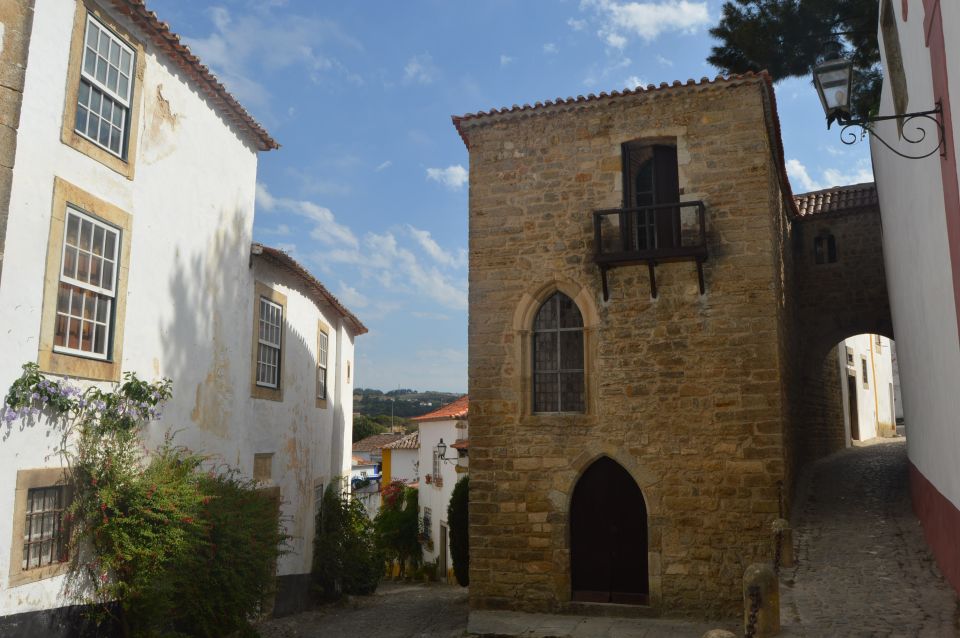
Óbidos is one of those rare Portuguese towns where the walls aren’t a theme—they’re part of everyday navigation. Once you step into the walled core, the streets funnel you through layers: medieval houses, religious buildings, and the long shadow of Moorish presence. That’s why a guided walk works so well here. Left alone, it’s pretty to roam, but you can miss the connections between neighborhoods, art, and the castle.
This tour leans hard into story-driven walking. You’re not just “seeing sights”—you’re hearing how they fit together. The guide’s job is to connect the dots: how the town became linked with royals, why certain churches and chapels matter, and what you’re looking at when you pass from one quarter to another. In practice, that means you’ll come away with a mental map of the town, not just a camera roll.
The best part is that the route doesn’t treat Óbidos like a museum you speed through. It’s structured enough to keep you oriented, but flexible enough that the day feels like walking with someone who actually likes the place.
You can also read our reviews of more walking tours in Obidos

Ginjinha de Óbidos: the chocolate-cup tradition that makes the tour stick
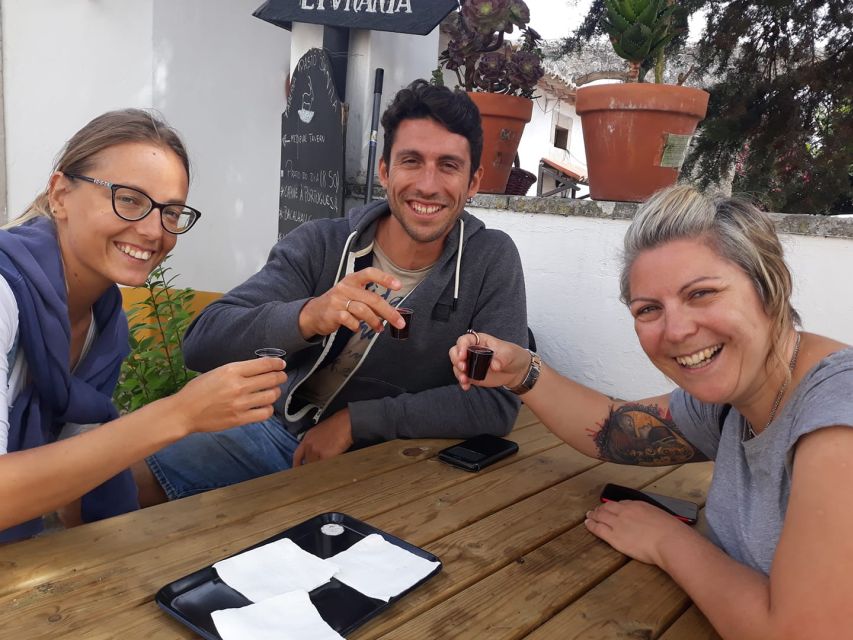
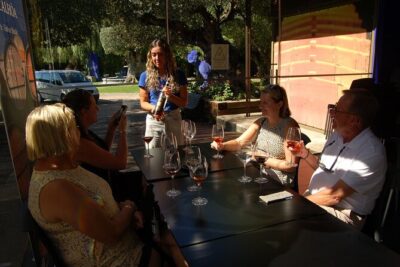
Let’s talk about the tasting, because it’s the moment most people remember. The tour includes Ginjinha de Óbidos, a sour cherry liqueur, served in the famous chocolate cup. It’s not fancy in a couture sense—it’s playful. The chocolate gives you a sweet start, and the liqueur brings the tart bite that makes it feel distinctly Portuguese.
Timing matters here. It’s built into a walking day, so you don’t have to go hunting for it later while your energy is fading. If you’re the type who likes to try local staples early, this works well: you taste it while you’re still seeing the medieval town around you, so it feels like part of the experience instead of a souvenir task.
Two practical tips:
- Pace yourself with the tasting. It’s included, but you’ll still be walking.
- If you’re sensitive to alcohol, go slow with the first sip and follow your comfort level.
Castle of Óbidos: walking the Moorish-origin spine
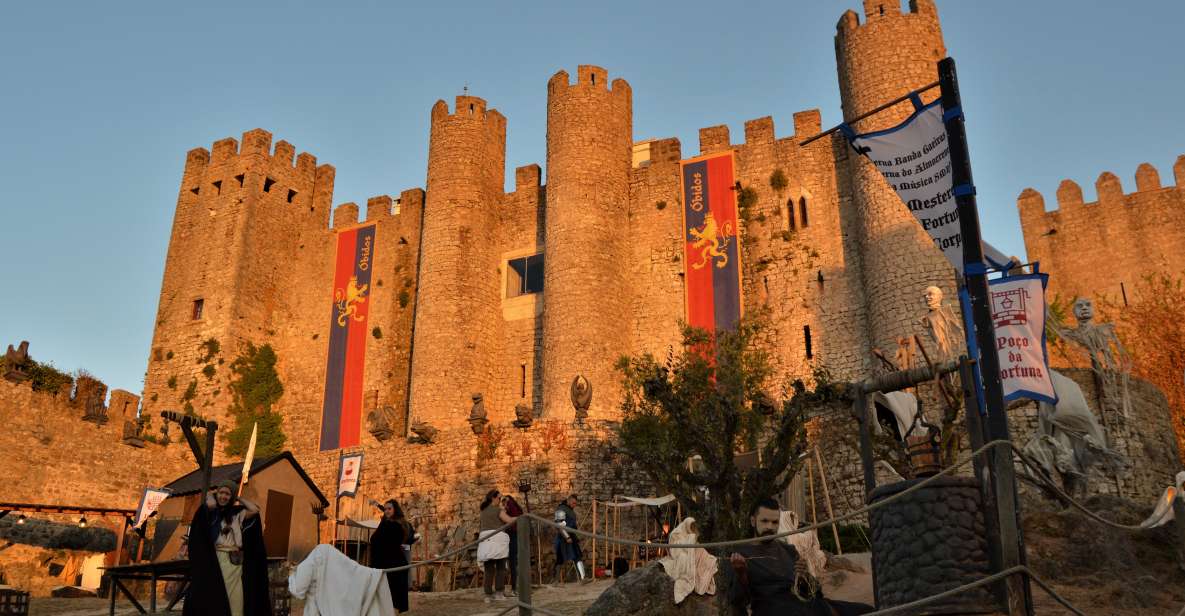
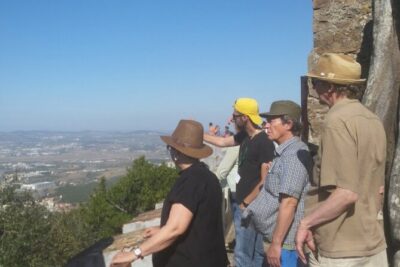
The tour visits the Castle of Óbidos, a fortress with Moorish origins that dates back roughly 1,300 years. Even if castles aren’t your thing, the value here is context. The guide helps you understand what the walls and viewpoints meant when defense and control mattered more than scenery.
Inside a castle area, it’s easy to focus only on photos. The smarter way is to look for the “why” behind each line of stone: how the castle’s position relates to the town layout and how it protected the communities inside. The tour format pushes you to do that, so you come away with a sense of structure, not just angles.
If you’re into history, you’ll likely appreciate how the castle ties into the town’s wider identity—Óbidos isn’t just medieval Christian architecture. It’s a place shaped by different eras, and the castle is one of the most physical reminders.
Art stops that aren’t trapped behind glass
One of the strongest reasons to do this tour is the art. You’ll see five original paintings of Joséfa de Óbidos, a major local artist who became internationally recognized—so recognized that her works were exhibited at the Louvre in Paris. This is the kind of detail you can’t get from a quick glance at a town map. The guide frames who she was and why Óbidos matters to her legacy.
You’ll also run into a major Renaissance religious artwork: the pietá by Nicolau de Chanterene. Art like this tends to feel intimidating when you’re reading a plaque by yourself. On a guided walk, you’re more likely to understand the symbolism and the setting, because the guide has the time to explain what you’re looking at and why it mattered.
What I like about this part: it’s not a long museum detour. It’s integrated into a walking day. That means you still get fresh air, street life, and photo breaks, with the art stops acting like punctuation marks rather than heavy chapters.
Bookstores in old chapels: Ler Devagar and São Tiago Bookstore
Book lovers (and even book-curious people) usually light up at two stops on this route.
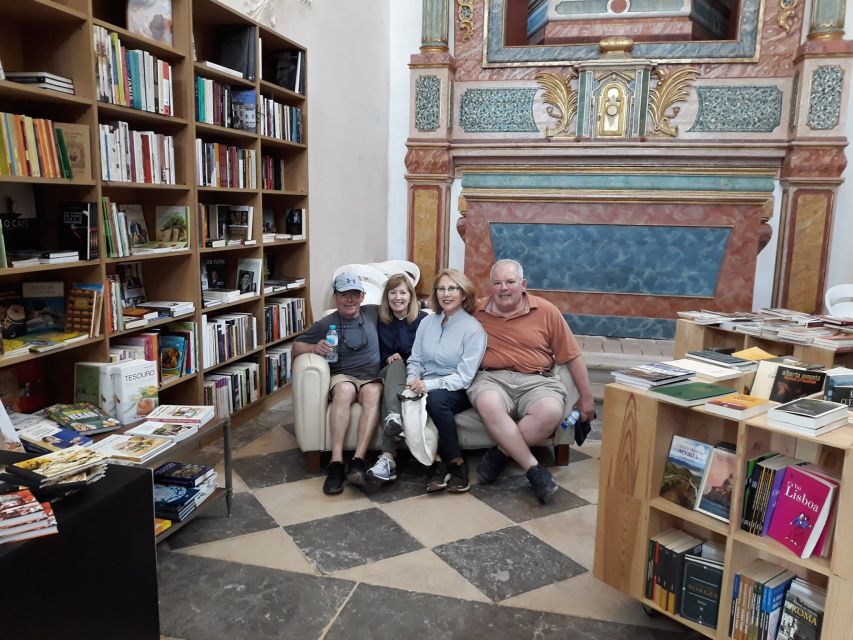
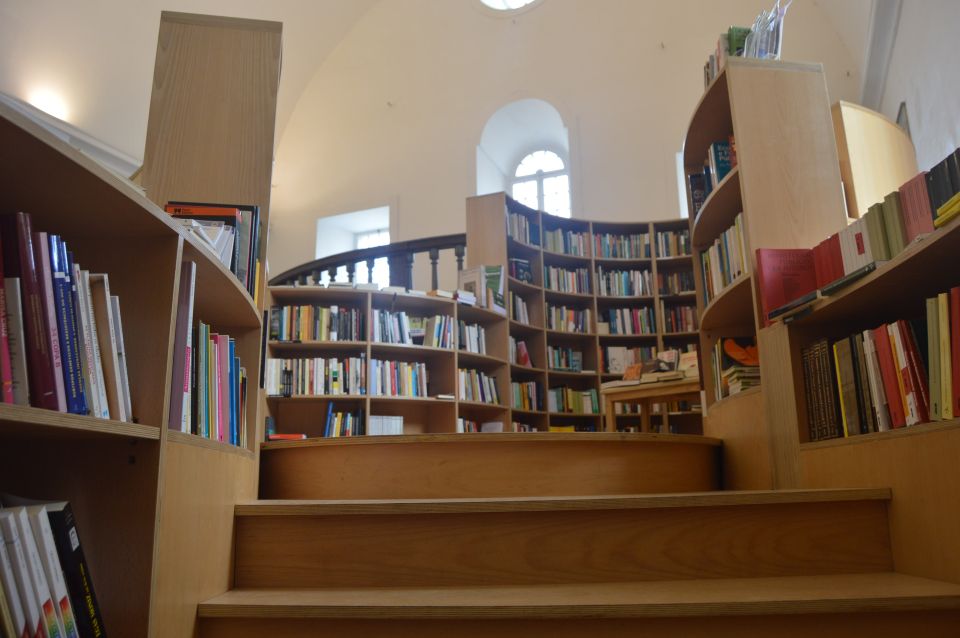
First is Ler Devagar, a very trendy bookstore located in a former royal chapel. That building choice matters. When a bookstore lives inside a space like that, you get more than browsing—you get atmosphere. You can step in, slow down, and absorb the contrast between quiet reading and lively medieval streets outside.
Second is the São Tiago Bookstore, which sits in a former church and royal chapel. Like Ler Devagar, it’s the type of place where you understand why people bring home more than a book. You also get a sense of how Óbidos reused sacred spaces over time, turning them into cultural rooms.
Practical advice: if you want to buy something, do it during your bookstore stops so you’re not rushing near the end. And if you’re mostly there for photos, plan to spend a few minutes inside anyway—these buildings make great visual breaks.

The “Town of the Queens” story: Leonor de Avis and royal power
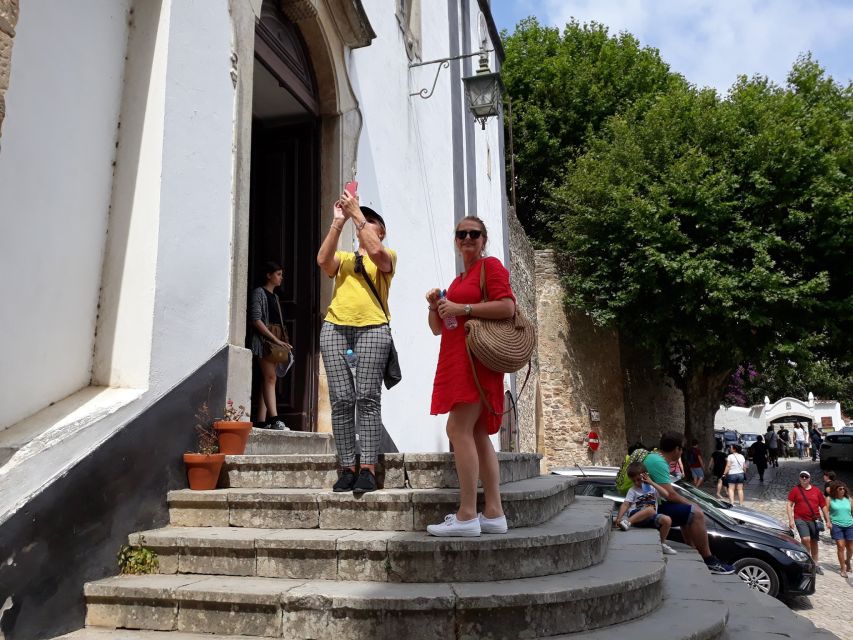
Here’s where Óbidos becomes more than old walls. The tour highlights how the town became closely linked with the queens of Portugal. You’ll hear about figures such as Catherine of Austria, Isabel of Aragon (also known as Queen Saint Isabel), and Leonor de Avis. The point isn’t name-dropping; it’s showing you how political power shaped real institutions and lived experiences.
Leonor de Avis, in particular, is tied to the Holy House of Mercy, described here as the oldest surviving hospital and relief network in the world. The tour connects her influence in Óbidos to a wider legacy that spread during the Portuguese Empire. That’s a big idea, but the guide’s job is to make it understandable while you’re walking past the buildings that relate to those stories.
If you like history that explains why people acted, not just what happened, this is a strong part of the day. And it gives you a useful lens for the rest of the tour: when you see churches, chapels, or institutional buildings, you start asking the right question—what role did this place play in the life of the town?
Walking route details: churches, towers, plazas, and photo-friendly stops
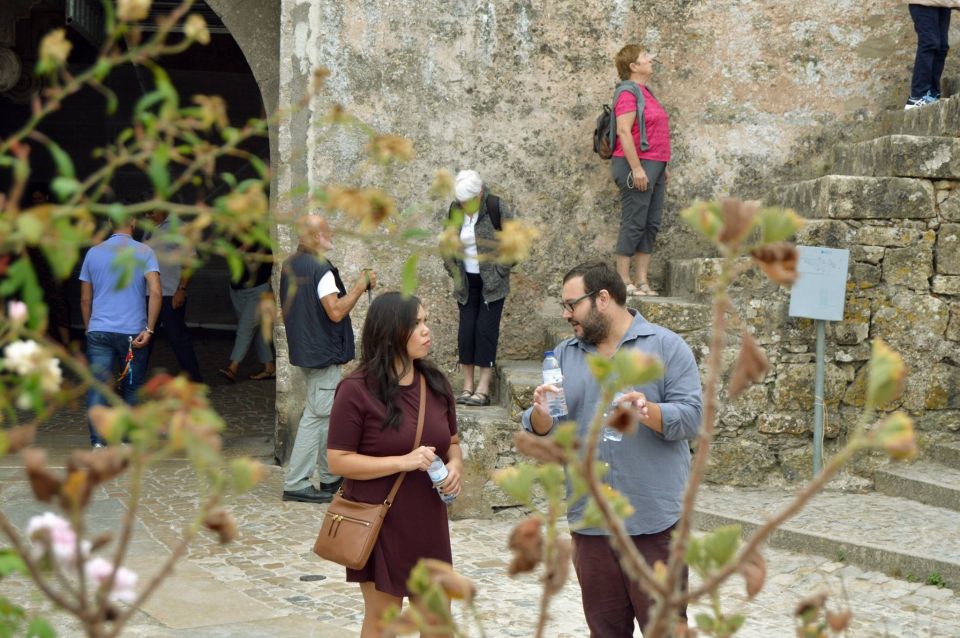
The walking plan hits a lot of specific stops, and each one adds flavor:
- Museum space connected to the Saint John the Baptist Church
- Camões Mark and Casa da Música
- Livraria do Mercado (a market bookstore and organic products shop)
- Saint Peter Church, Saint Mary and Saint Mary Plaza
- Saint Martin Chappel
- Maney’s Tower
- Almshouse Church
- Moorish and Jewish neighborhoods
- A final out-of-the-walls walk before returning
The “draw” isn’t only what these places are—it’s how the tour orders them. When churches and chapels are explained in sequence, you understand how Óbidos evolved. When you move through neighborhoods tied to different communities, the town’s identity stops feeling like a single straight-line story.
Photo tip that matters in the real world: the route includes stops where the guide will help you capture good angles, and you’ll get gentle patience for photos. Also, stone streets can get slick. If the ground is wet, go slower than you would on a sidewalk—your safest “secret spot” is the one you can reach without slipping.
Price and value: what $41 buys in 2 hours
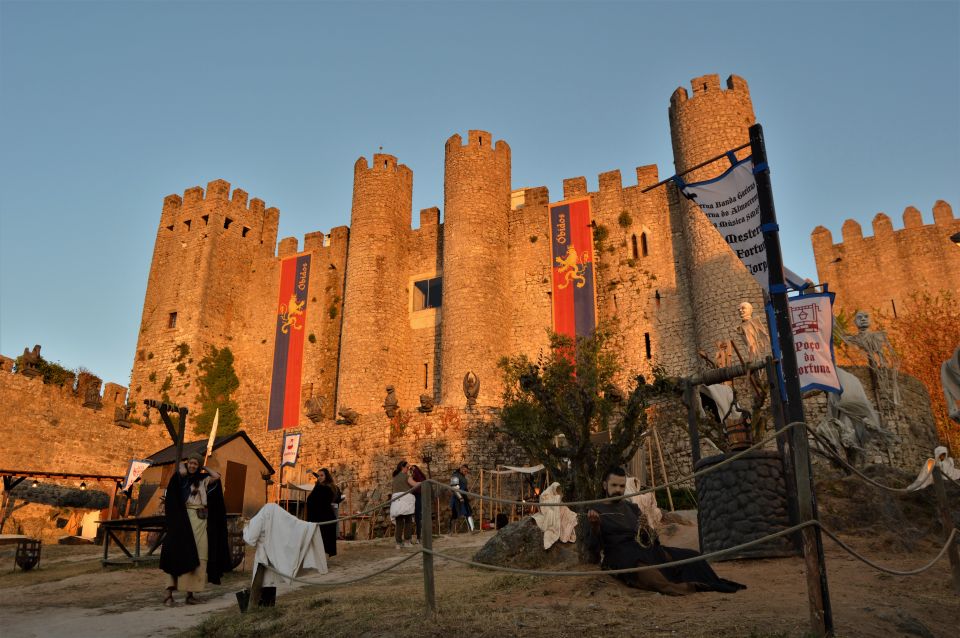
At $41 per person for about 2 hours, the value is in three places.
1) A guide who links sites together. With a walking tour, you’re paying for interpretation. In a town like Óbidos, that can turn an hour of wandering into something that feels coherent.
2) Included tasting. The tour includes Ginjinha de Óbidos served in a chocolate cup. Even if you decide not to buy a second round later, having it built in saves time and removes decision fatigue.
3) Art + castle time without a full-day commitment. You get a strong mix: Moorish-origin castle sights, the Joséfa de Óbidos art focus, and bookstore detours. That combination is hard to replicate efficiently on your own unless you already know what to prioritize.
Food isn’t included, so plan to eat outside the tour window. You’ll likely feel hungry after the walking, so either eat before you start or aim for an early lunch afterward.
Who should book this tour, and who might skip it
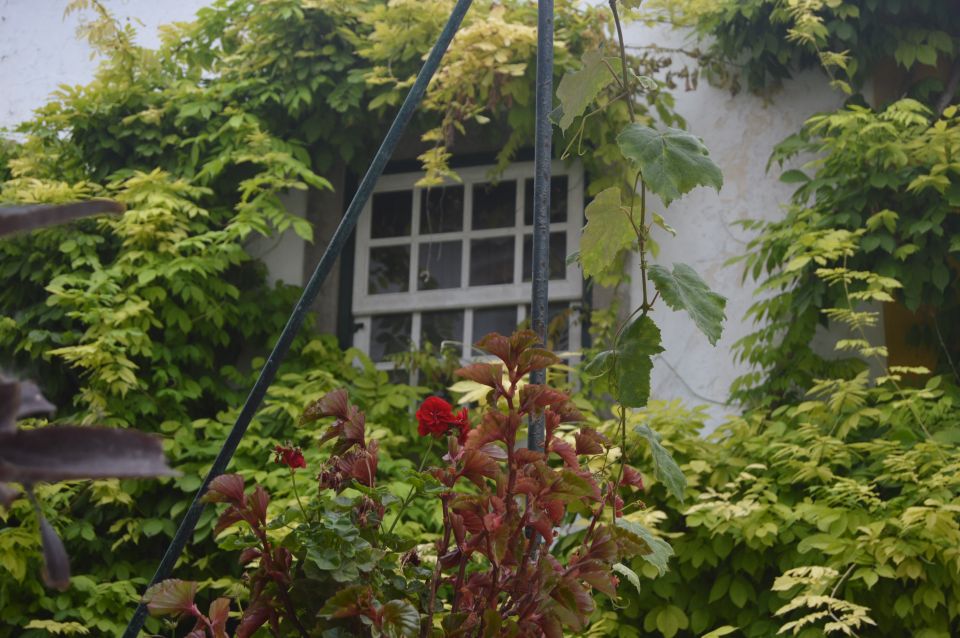
This walking tour is a great fit if:
- You’re visiting Óbidos for the first time and want a fast way to understand what you’re looking at.
- You care about art, especially Portuguese artists like Joséfa de Óbidos.
- You enjoy side streets and want more atmosphere than the main lane.
- You want the ginjinha tasting without turning it into a scavenger hunt.
It may be less of a fit if:
- You need wheelchair access or have mobility limits. The tour specifically isn’t suitable for wheelchair users or people with mobility impairments, and it isn’t suggested for those with recent surgeries.
- You prefer long pauses or slow, stop-and-stay sightseeing. This is designed as an efficient 2-hour loop with multiple stops.
Should you book the Óbidos Medieval Tales & Secrets Spots tour?
If you want Óbidos with context—not just postcards—this is an easy yes. The combination of castle + Joséfa de Óbidos art + two distinctive bookstores + the ginjinha tasting covers the town’s core identities in a short time.
Book it especially if you’ll be there only briefly and you don’t want to research everything yourself. Skip it if you can’t handle uneven walking or you’re craving a full food-focused day (food isn’t included here). For most people, though, the balance of stories, real sights, and practical stops makes it a smart way to start your Óbidos visit.
FAQ
How long is the Óbidos Medieval Tales & Secrets Spots Guided Walking Tour?
It lasts about 2 hours.
Where do I meet the guide?
You meet in front of the Óbidos Tourist Office, near the main parking, outside of the walls.
What’s included in the price?
A live guide and a tasting of Ginjinha de Óbidos.
Is food included?
No, food is not included.
Is the tour offered in English?
Yes. The tour is available in English and Portuguese.
What should I bring?
Wear comfortable shoes since the route is a walking tour on town streets and stone paths.
Does the tour include a castle visit?
Yes. You visit the Castle of Óbidos, described as having Moorish origins and dating back about 1,300 years.
Does the tour include bookstore stops?
Yes. You’ll visit Ler Devagar and the São Tiago Bookstore.
What’s the famous local tasting included on the tour?
You’ll taste the sour cherry liqueur called Ginjinha de Óbidos, served on a chocolate cup.
Is the tour always running in bad weather?
It can be canceled due to weather conditions.