REVIEW · MADEIRA
Madeira Botanical Levels Bike Tour – Scenic Trail Experience
Book on GetYourGuide →Operated by Lokoloko Madeira · Bookable on GetYourGuide
Madeira gives you a lot of downhill for your time. This bike tour starts high at Poiso, then guides you down through forests and along levadas before a final fast descent toward the Lokoloko Shop. You also get a real choice day-of: easier forest trails or a more connected ride that stays close to the Levada waterways.
I love how the guides build the route around your comfort level. In practice, that means you can get technical single-track if you want it, and you can switch to wider, less intimidating lines if you need a break from roots and gravel. Guides like Bernardo and Jimmy have shown up in past groups for exactly this kind of smart coaching and friendly vibe.
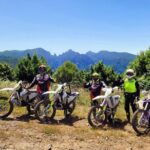
The other big win is the bike setup and pacing. You ride full-suspension Transition Sentinel Alloy bikes with helmets and protective gear included, and the group stays small (up to 8), so nobody feels rushed or lost. One consideration: some trail sections can be narrow and rough, so if your off-road skills are brand new, ask for the easier option and stick to the maintained paths.
In This Review
- Key points that matter on this Madeira ride
- Starting at Poiso (1,400 m): why the first minutes set the tone
- Forest single tracks vs Levada roads: two ways to enjoy the same descent
- Riding the Levada at about 850 m: where the views and the “flow” happen
- Camacha and that mid-ride drink break: staying fresh for the final run
- The last 10 km down to Lokoloko Shop: braking is the real skill
- Bikes and gear: the Transition Sentinel Alloy GX setup is part of the value
- Timing, distance, and pacing: why 4.5 hours feels like a full day
- Weather and microclimates: how Madeira changes minute by minute
- Price and value: why $94 can actually feel fair
- Who should book this tour (and who should choose the easier line)
- Should you book the Madeira Botanical Levels Bike Tour?
- FAQ
- Where does the tour start?
- How long is the tour?
- What type of bike do you ride?
- What terrain will you cover?
- Is food included?
- How large is the group?
- Do I need technical mountain biking skills?
- Can I cancel for a full refund?
Key points that matter on this Madeira ride
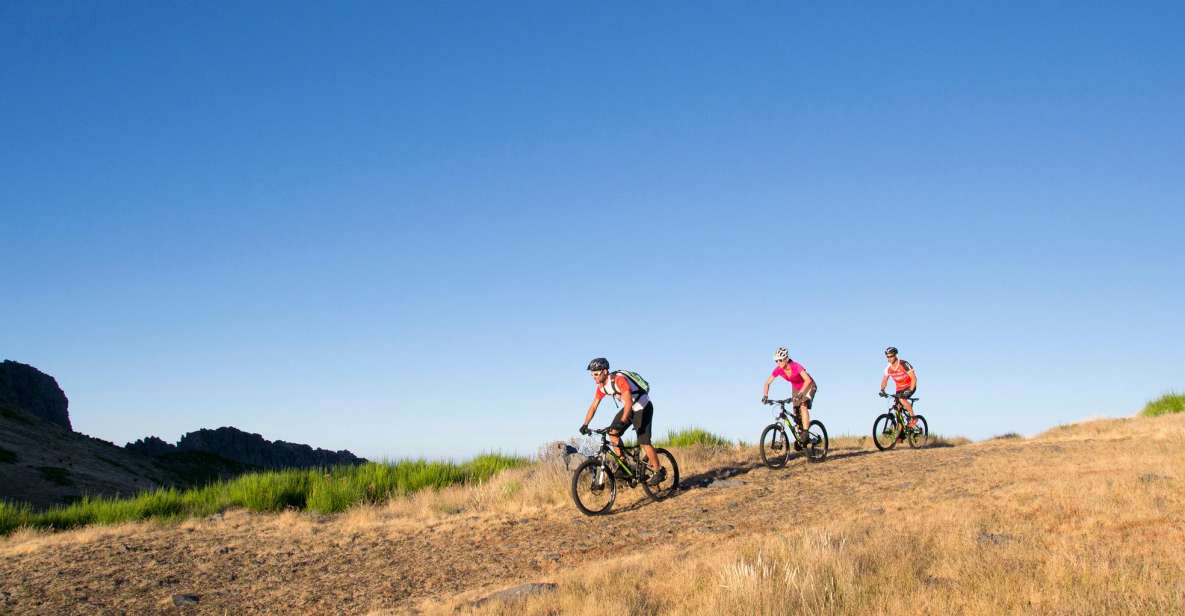
- Poiso start at 1,400 m with a gentle introduction, not a sudden drop-off
- A guide assesses your skills and offers an easier forest-trail option or a Levada-focused route
- The ride follows levadas around 850 m, with forest scenery and a steady sense of direction
- Route includes fruit-picking spots (blackberries, raspberries, blueberries) if you want to stop
- You finish with a spectacular 10 km descent to Lokoloko, where braking technique matters
- You get free guide photos, plus shuttle, insurance, and a full bike package for the price
Starting at Poiso (1,400 m): why the first minutes set the tone
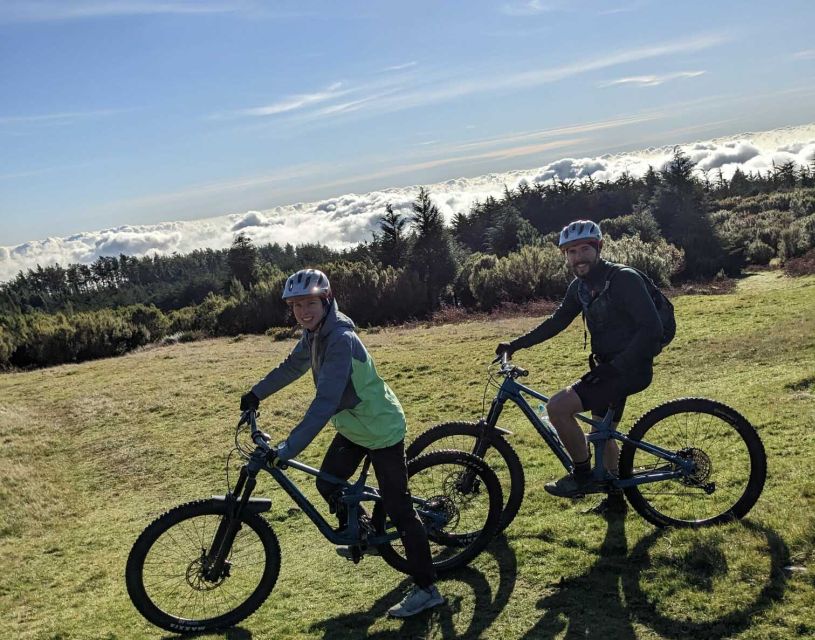
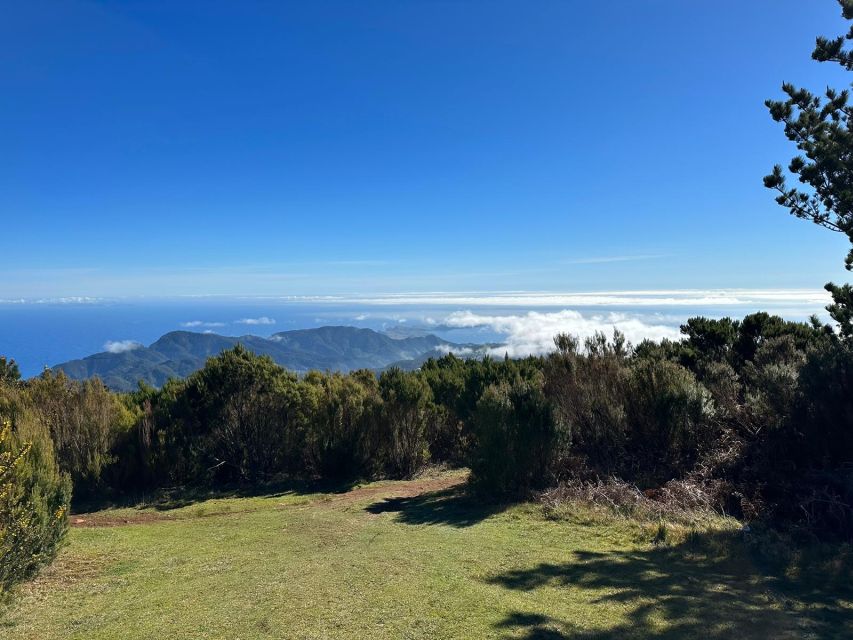
You begin at Poiso, about 1,400 meters above sea level, and the tour doesn’t start by testing you. There’s a gentle ascent first, which helps you get your bearings on the bike, feel your traction, and learn how the guide handles pacing for the group.
Before the main riding options kick in, the guide checks your skill level. That’s important on Madeira, where the island’s steepness plus uneven ground can turn a fun day into a stressful one fast. Here, you’ll be steered toward trails that match what you can safely handle that day.
The group size also helps. With a maximum of 8 participants, you get clearer instruction and more time for questions, especially when conditions change. Past groups have credited guides such as Bernardo for friendly expertise and guides like Jimmy for pushing riders just enough, with clear safety judgment.
You can also read our reviews of more cycling tours in Madeira
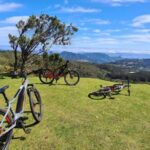
Forest single tracks vs Levada roads: two ways to enjoy the same descent
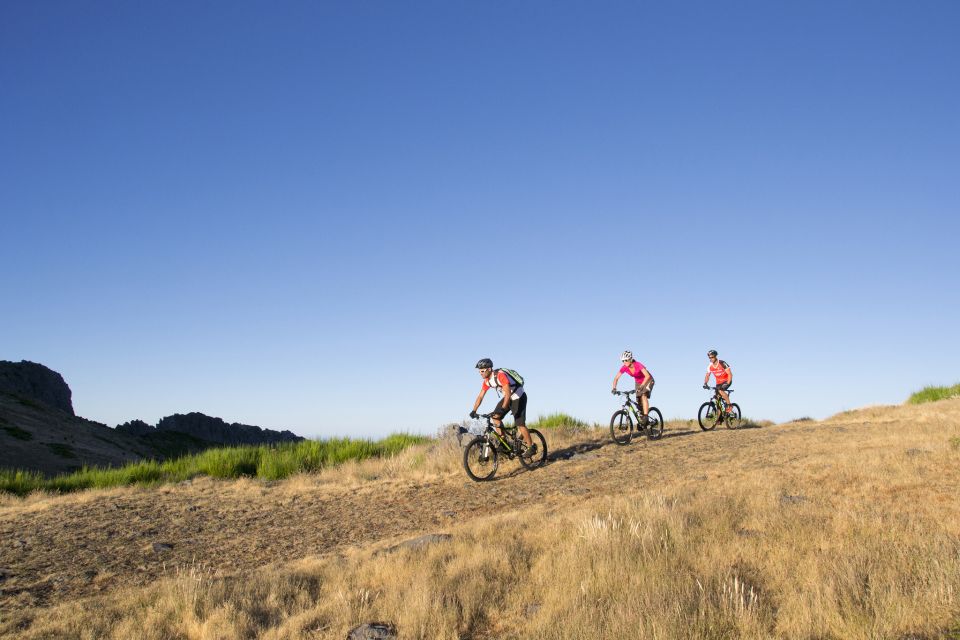
After the initial climb and skills check, you get a real fork in the ride.
1) Easy single trails through the forest
This is the option if you want the most direct connection to Madeira’s greenery without feeling like you’re on a narrow ledge. You’ll still get the thrill of off-road riding, but the goal is to keep things approachable and scenic.
2) Roads and gravel paths to the Levada
This version leans into smoother riding surfaces and a more “stay-in-flow” feel. You’ll follow paths that connect you to the traditional water channels, called levadas, which run along the island’s slopes and shape the route.
Either way, the tour is designed around the idea that you’re on the bike to enjoy what’s outside the window. Madeira’s microclimates can shift quickly, so staying flexible in terrain choice makes the day feel more controllable.
Riding the Levada at about 850 m: where the views and the “flow” happen
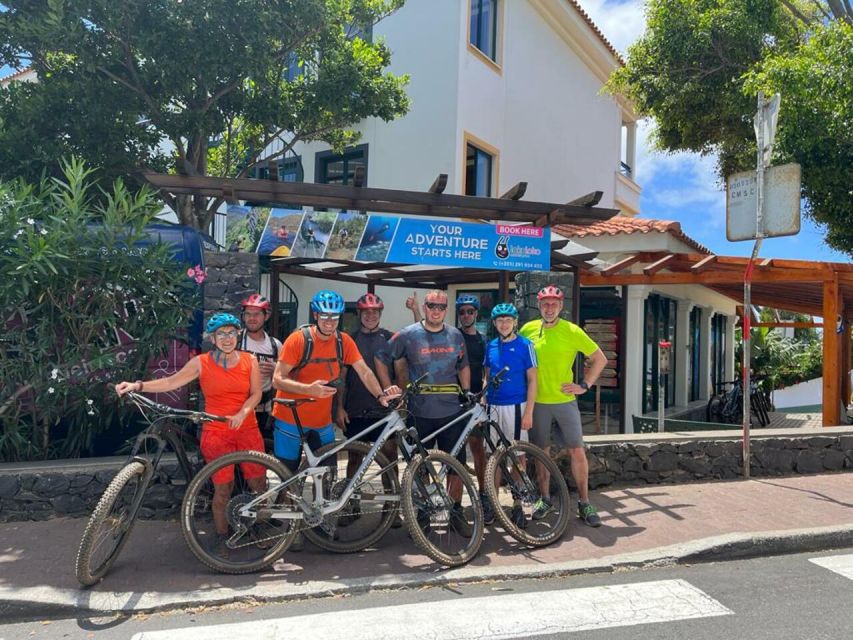
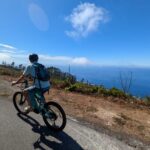
Once you’re on the levada route, the ride becomes the signature experience. You’ll be gliding at around 850 meters above sea level, covering about 25 km along the Levada corridor.
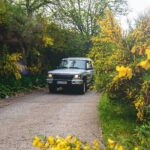
This section is where Madeira’s plant-life and the water-channel setting do their job. The route goes through forests with laurel, eucalyptus, and pine, and it’s not just pretty scenery. The shade and vegetation help make the ride feel cooler and more comfortable when the weather shifts.
You’ll also notice the small details that make levada riding satisfying. The channels are a part of daily life on Madeira, and being near them gives you a steady sense of route continuity even when the terrain gets varied. Plus, you’re not stuck staring at one slope forever. The mix of maintained paths and forest cover keeps the ride from feeling repetitive.
A fun extra: the trail passes berry patches where you can pick blackberries, raspberries, and blueberries during the ride. That’s not just a nice photo moment. It adds a natural reason to slow down briefly and enjoy the pace.
Camacha and that mid-ride drink break: staying fresh for the final run
After you’ve been following the Levada through forest and passing the colorful area of Camacha, you’ll take a small break with a refreshing drink. This break matters more than it seems, because the final part of the ride asks for better control and quicker decisions.
Camacha is where the tour’s colors start to feel more human-scale, and the ride transitions from “mostly forest trail vibes” into a more varied mix of channels and connecting roads. The guide keeps the day tailored to conditions, including minimizing the chance of getting stuck in rain, wind, or cold when possible.
This is also the moment to reset your focus on technique. Even if you’re feeling great, the later descent can be where concentration matters most: braking, line choice, and avoiding sudden speed spikes.
The last 10 km down to Lokoloko Shop: braking is the real skill
The finale is the part people talk about for a reason: a 10 km exciting descent down to the Lokoloko Shop on paved roads.
Yes, it’s downhill overall. You get a gentle climb, then the ride is largely about moving down toward the sea. But this doesn’t mean you can ride casually. The tour specifically calls out the need for precise braking during the descent, and that’s the difference between feeling in control and feeling like the bike is carrying you.
If you’re newer to mountain biking, use this segment to practice calm speed control rather than chasing thrills. If you’re more experienced, you still want to keep it smooth. Fast downhill is fun, but it’s also where poor line choices, dust, wet patches, or rough transitions can stack up quickly.
Either way, the payoff is real: you end the ride with momentum, scenery, and that last stretch where your legs finally feel like they’re just along for the ride.
Bikes and gear: the Transition Sentinel Alloy GX setup is part of the value
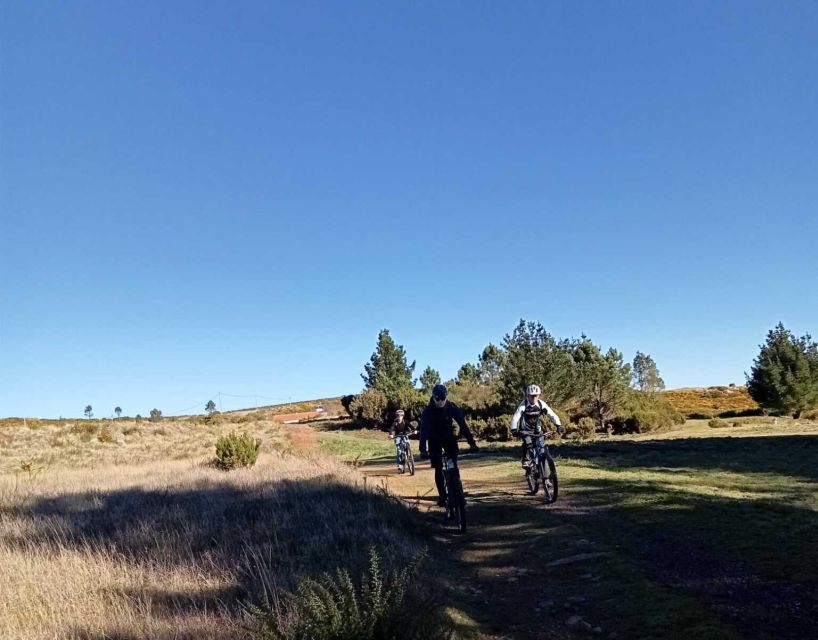
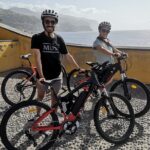
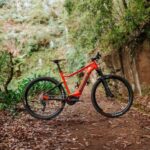
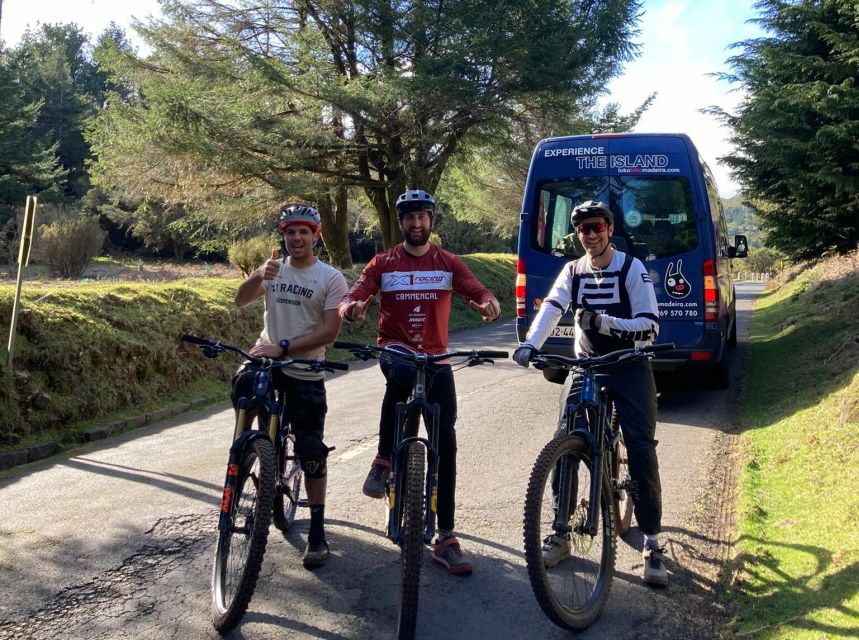
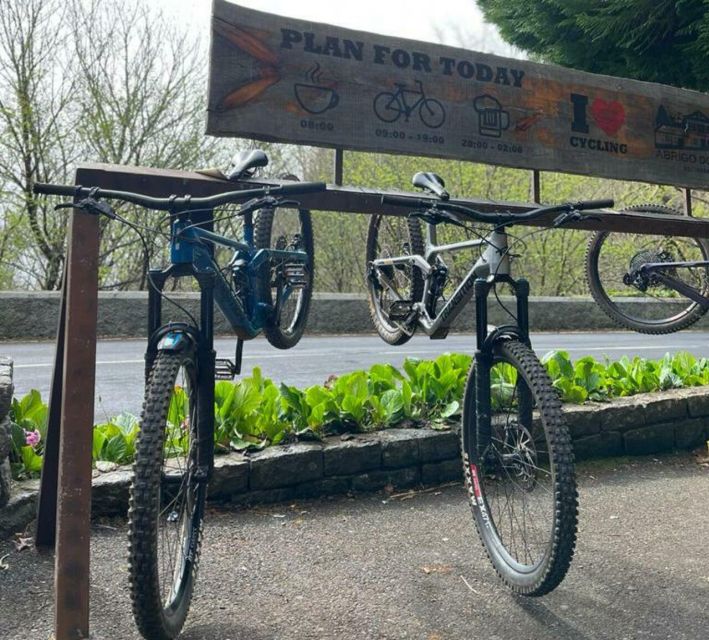
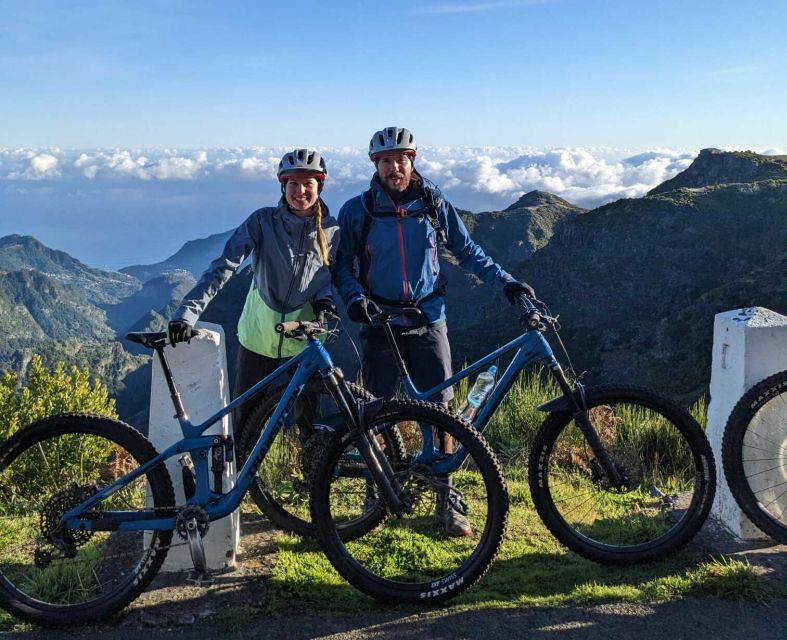
This tour is built around solid equipment. You ride Transition Sentinel Alloy bikes with full suspension, paired with a GX setup. Full suspension isn’t just comfort here. On uneven, rooty, gravelly trail, it helps you keep traction and maintain control without beating up your body.
The tour includes essential safety gear: helmets, protectors, and gloves. It also includes SPD paddles as an option in the standard program. If you want a more secure full-face setup, you can rent a full-face helmet for a small fee upon request.
The bike station and equipment care also matter for peace of mind. The operator says bikes are regularly maintained and replaced as needed, which is a big deal when you’re riding technical routes. You don’t want to spend your ride managing a squishy suspension or a brake that feels off.
One more practical perk: guides take photos during the tour, and you get them free of charge afterward. That’s a nice way to keep memories without having to stop constantly or juggle your phone while riding.
Timing, distance, and pacing: why 4.5 hours feels like a full day
The duration is about 4.5 hours, and the ride covers roughly 25–26 km depending on the route choice and conditions.
What makes this timing work is the structure. You’re not dragged through long, repetitive stretches or stuck waiting around. You get a skills intro, then you get meaningful riding time along the Levada, and then the day closes with that long downhill push.
Also, because the route adapts, the day can feel different depending on what you choose. A group that picks more single-track will likely feel more “technical” in moments. A group that leans toward the Levada roads and gravel paths often feels more “flowy,” with easier recovery between rough sections.
Weather and microclimates: how Madeira changes minute by minute
Madeira is known for microclimates, and this tour is planned with that in mind. The operator says tours are tailored to daily conditions, aiming for an optimal experience while minimizing the risk of encountering rain, wind, or cold.
What that means for you: pack for changeable weather. Even on the same day, you can start above in cooler air and end lower with different light and temperature. The right windbreaker makes a noticeable difference, especially on transitions between shaded forest riding and open road segments.
The tour guide also plays a role here. If the conditions shift, an experienced guide can decide whether to emphasize easier paths or maintain the technical plan with safer lines. That flexibility is one reason this tour works for mixed skill groups.
Price and value: why $94 can actually feel fair
At $94 per person, this isn’t a “cheap add-on,” but it also isn’t overpriced for what’s included.
You’re getting:
- a full-suspension bike (not a generic rental hardtail)
- a certified guide
- insurance
- shuttle support
- helmet, protectors, and gloves included
- guide photos free of charge
- tour languages in English, Portuguese, and Spanish
- small group size (up to 8)
If you tried to recreate this on your own, you’d likely pay separately for bike rental, a guide or trail access help, insurance coverage, and transport. Here, the price bundles the key pieces that make a technical downhill day safer and smoother.
Food and drinks are not included, but the route does include a small refreshing drink break mid-ride. For many riders, that’s enough for the ride length, and it’s realistic that you’ll want your own snacks to match your appetite.
Who should book this tour (and who should choose the easier line)
This is a great tour if you like real mountain biking: roots, gravel, forest single track, and at least some technical riding moments.
Where it fits best:
- Riders with some off-road experience who want a controlled introduction to downhill sections
- People who enjoy a mix of single track, levadas, and pavement
- Anyone who wants Madeira’s scenery without spending all day in transit
Where to be careful:
- If you’re truly brand new to mountain biking, the tour can still work in the forest-trail option, but you should be honest about your skills. The route includes narrow sections and surfaces that can be demanding when they’re wet or muddy, so the guide may recommend staying on wider, more maintained lines.
The good news is that the guides adjust to the group. I like that the tour doesn’t treat skill level as an all-or-nothing label. You should be able to ride and learn while still ending the day feeling proud, not wrecked.
Should you book the Madeira Botanical Levels Bike Tour?
Book it if you want a down-is-the-theme bike day with Madeira’s microclimates, levada scenery, and a proper descent finish. The small group size, full-suspension bikes, and the guide’s skill-based routing make it one of those tours that feels worth paying for.
I’d pass or choose the easier trail option if you hate technical trail elements like roots and tight single track, or if you’re expecting a fully smooth, beginner-friendly cruise the whole way. Tell the guide your comfort level early, and stick to the maintained lines if that’s where you’ll enjoy yourself most.
If you’re on the fence, this is the one I’d nudge you toward, because the structure is built to keep the day fun for mixed riders while still delivering the thrill at the end.
FAQ
Where does the tour start?
The starting point is Poiso, at about 1,400 meters above sea level.
How long is the tour?
The ride lasts about 4.5 hours.
What type of bike do you ride?
You ride a Transition Sentinel Alloy GX bike with full suspension.
What terrain will you cover?
You may ride easy single trails in the forest and/or roads and gravel paths to reach the Levada. The route also follows the Levada before finishing with a 10 km descent on paved roads.
Is food included?
No. Food and drinks are not included, though there is a small break with a refreshing drink during the tour.
How large is the group?
This is a small group limited to 8 participants.
Do I need technical mountain biking skills?
Difficulty can vary by conditions and route choice, but you should share your technical skills and average daily distance with the operator before the ride. Some trail options can be more demanding than others.
Can I cancel for a full refund?
Yes. You can cancel up to 24 hours in advance for a full refund.