REVIEW · MADEIRA
Hands-On Bolo do Caco Baking Class with a Madeiran Family
Book on Viator →Bookable on Viator
If you want a Madeira food experience you can actually do, this Bolo do Caco class is a great pick. I like that it’s built around real work: kneading dough, shaping by hand, and cooking on a hot stone right in the family kitchen. I also like the food payoff—your bread is served with classic Madeiran add-ons like garlic butter, Portuguese cheese, and chouriço. One consideration: this is hands-on all the way, so if you’re hoping to watch quietly, you may find it messy or hands-on than you expected.
This is hosted by a Madeiran family with decades of bread experience, led by Tonia and her aunt, with help from Tonia’s mother, who has over 40 years of bread-making expertise. With a max of 5 travelers and an English experience in a home setting, you’ll get a friend-like vibe, plus stories and laughter around the table. It runs about 3 hours, starting and ending at Travessa do Lombo do Alho, 9360, Portugal, so plan a focused block of time.
In This Review
- Key things you’ll notice
- Bolo do Caco: why this bread matters in Madeira
- Meet Tonia and her family bread-making team
- The first part: history talk and getting your bearings
- Rolling, kneading, and shaping: the part you’ll remember
- Hot stone cooking: where technique turns into aroma
- The mountain backdrop and the table moment
- What the 3-hour format feels like in real life
- Clothing, comfort, and the practical stuff you should plan for
- Value and what you get for your time
- Who this is best for (and who might want something else)
- Should you book this Bolo do Caco class?
- FAQ
- Where is the meeting point for the class?
- How long does the Bolo do Caco baking class last?
- Is the experience offered in English?
- Is this class hands-on or mostly watching?
- What’s the group size limit?
- Are kids and babies welcome?
- Can I bring a service animal?
- Is there free cancellation?
Key things you’ll notice
- Kneading and shaping by hand instead of just watching someone else work
- Hot-stone cooking that helps you understand why this bread is so special
- Small group size (max 5) for a more personal pace and time to ask questions
- Family-led hosting with Tonia and her aunt guiding the lesson
- Tasting meal included with garlic butter, Portuguese cheese, and chouriço
Bolo do Caco: why this bread matters in Madeira
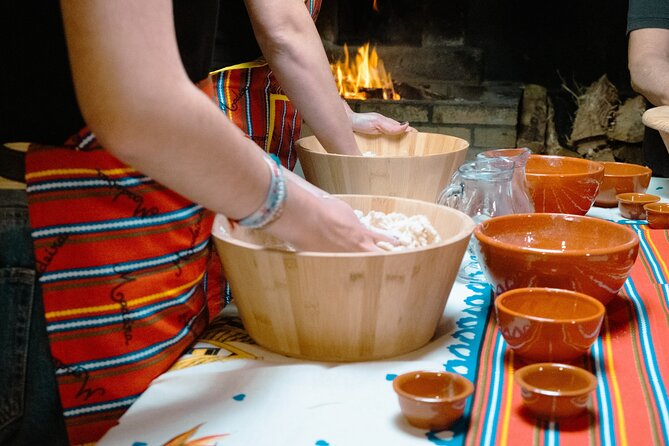
Bolo do Caco is not just bread you eat. It’s part of how Madeira people feed families and mark everyday moments. In this class, you start with the history and cultural significance before you touch the dough, so the lesson feels grounded instead of random.
That order matters. If you jump straight into baking, you might miss the why behind the technique. Here, you get context first, then you learn the mechanics—rolling, shaping, and cooking—so the bread’s reputation makes sense when you taste it.
Also, since this happens in a family home, you don’t get that staged “kitchen theater” feeling. You’ll be in a real place where bread is made as a skill, not a performance.
You can also read our reviews of more tours and experiences in Madeira.



Meet Tonia and her family bread-making team
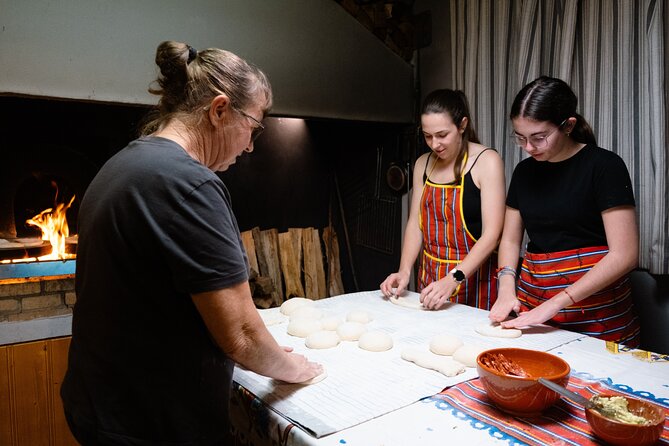
The biggest advantage of this experience is the people. Tonia and her aunt lead the class, and the teaching comes from a mother with more than 40 years of bread-making experience. That kind of time in the craft usually shows up in small coaching moments—how they correct your grip, what they watch for while the dough rests, and what cues tell them it’s ready.
The tone is friendly. You’re treated like a friend, not a customer. In practical terms, that usually means you’ll feel comfortable asking basic questions (like how the dough should feel) without worrying you’re slowing things down.
One more plus: the group is capped at 5 travelers, so the kitchen won’t turn into a crowded workshop. You should feel like you have enough space to work, and enough attention to learn the process instead of rushing through it.
The first part: history talk and getting your bearings
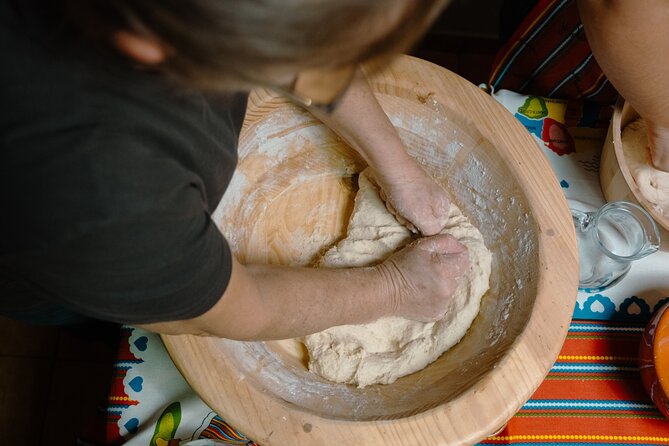
You begin with an introduction to Bolo do Caco—where it fits in Madeiran tradition and why locals care about it. This is the part that sets up everything else. You’re not only making bread; you’re learning a cultural habit.
Then you move into the hands-on portion. You’ll be taught how to handle the dough and how to shape it by hand. Even if you’ve never baked before, the lesson is set up for learning step-by-step. The format matters: you’re not thrown into a mystery recipe. You’re guided while you work.
Time-wise, this early part matters because you’ll feel more confident later when the bread is cooking. You’ll know what to look for and why the dough is treated the way it is.
Rolling, kneading, and shaping: the part you’ll remember
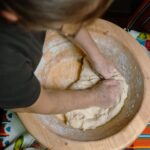
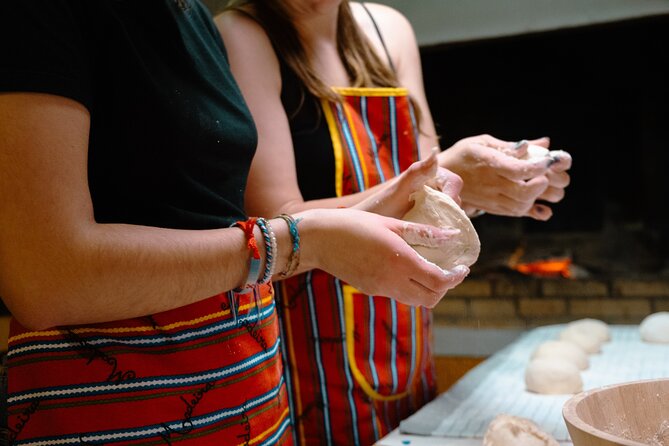
This is the heart of the class. You’ll knead the dough and shape the bread by hand. That’s a big deal, because shaping changes how the bread cooks and how it ends up tasting.
I like that this experience doesn’t stop at one quick step. You’re involved enough to get a real sense of the process. You’ll learn the rhythm of the work—hands on, feel-based guidance, and small adjustments along the way.
Also, because it’s in a home kitchen, you’ll likely feel the pace differently than in a big cooking school. Expect warmth, laughter, and the smell of baking bread while you work. It’s the kind of activity that makes time feel shorter, because you’re busy doing something.
Hot stone cooking: where technique turns into aroma
Once your bread is shaped, it cooks on a hot stone. This method is part of what makes Bolo do Caco what it is. You get the chance to see how heat and timing work in a simple setup, and you’ll likely notice how quickly the kitchen fills with that fresh-bread scent.
From a learning standpoint, hot-stone cooking is valuable because it teaches cause and effect. If the dough is shaped a certain way, it will respond differently to heat. If the temperature is right, you’ll get the kind of result people associate with this bread.
From a practical standpoint, this is also the moment where you stop thinking like a learner and start thinking like a person who wants another slice.
A few more Madeira tours and experiences worth a look



The mountain backdrop and the table moment
When the bread is ready, you gather around the table to enjoy what you made. That shared meal is where the class clicks into something deeper than a food workshop.
You’ll eat Bolo do Caco with Madeiran favorites like garlic butter, Portuguese cheese, and chouriço. That combo matters because it’s not just about the bread texture. It’s about how locals build flavor using familiar ingredients.
The overview also mentions a serene backdrop of the mountains. Even if you only catch glimpses, it helps the meal feel like a moment in Madeira, not a kitchen stop that could be anywhere.
And because this is a family-style experience, the talk doesn’t end when the bread leaves the stone. You’re in that warm, social space where stories and laughs are part of the schedule.
What the 3-hour format feels like in real life
The experience runs about 3 hours and ends back at the meeting point. For many people, that’s a sweet spot. It’s long enough to learn hands-on technique and enjoy a real tasting meal. It’s short enough that you can still fit other Madeira plans the same day.
The small group limit also helps the flow. With a maximum of 5 travelers, the host can likely keep an eye on each person’s pace. You won’t be sprinting through steps.
If you’re traveling with kids, the format can work well too. It’s stated that kids and babies are welcome, with space for them to play without disruption. That’s important—home-based classes sometimes get stressful when there’s no room for little ones.
Clothing, comfort, and the practical stuff you should plan for
Wear comfortable clothes. You’ll be hands-on, and dough work can be a little chaotic. Think: sleeves you don’t mind getting flour on, shoes you can stand in, and clothes that won’t make you worry about ruining them.
Also, because this is held in a family home, expect a real kitchen environment. That means you should be mentally prepared for a cozy setup: people working close together, equipment in a practical layout, and the kind of atmosphere where you follow cues and do the work.
If you’re the type who likes to take things slow, you’ll probably appreciate the family-friendly pace. If you’re rushing through Madeira trying to see everything, make sure this class has enough time in your schedule to be enjoyable.
Value and what you get for your time
There’s a lot of “value” here even without the need to compare to other cooking classes. You get three key things: technique, context, and food.
Technique comes from kneading, shaping, and cooking on a hot stone. Context comes from a history and cultural significance introduction. Food comes from eating what you made with Madeiran staples like garlic butter, Portuguese cheese, and chouriço.
For many visitors, that’s the sweet spot: you leave with a story, a skill you can talk about, and a meal that feels locally intentional. And since the group is small and the hosts are family-led, the experience doesn’t feel automated.
Who this is best for (and who might want something else)
This class is ideal for:
- People who want hands-on food learning, not just a tasting
- Travelers who like small-group experiences and family hospitality
- Anyone interested in Madeira’s everyday food culture
It may not be ideal for:
- People who hate getting their hands doughy (seriously)
- Travelers who want a quiet, low-activity experience
- Anyone who needs a strictly formal, restaurant-style setup
If you like warmth, work, and eating what you made, this is a strong fit.
Should you book this Bolo do Caco class?
I’d book it if your Madeira trip includes food you can do, not just food you can order. The combination of family-led teaching (Tonia, her aunt, and the long-time expertise of Tonia’s mother), hands-on bread work, and an included tasting meal makes it feel like you’re learning a real local skill.
Book it with realistic expectations: you’re participating. Bring comfortable clothes, plan for 3 focused hours, and arrive ready to enjoy the smell of bread and the social kitchen vibe.
If that sounds like your kind of travel day, you’ll likely come away feeling like you experienced Madeira the way locals do.
FAQ
Where is the meeting point for the class?
The class meets at Travessa do Lombo do Alho, 9360, Portugal. The activity ends back at the meeting point.
How long does the Bolo do Caco baking class last?
It lasts about 3 hours.
Is the experience offered in English?
Yes, the experience is offered in English.
Is this class hands-on or mostly watching?
It’s hands-on. You’ll knead the dough, shape it by hand, and then bake/cook the bread on a hot stone.
What’s the group size limit?
The maximum group size is 5 travelers.
Are kids and babies welcome?
Yes. Kids and babies are welcome, with space for them to play without disruption.
Can I bring a service animal?
Service animals are allowed.
Is there free cancellation?
Yes. Free cancellation is available: you can cancel up to 24 hours in advance for a full refund. If you cancel less than 24 hours before the start time, the amount paid is not refunded.