REVIEW · COIMBRA
Lousa Mountain Private Tour
Book on Viator →Operated by Veado Verde / Green Deer · Bookable on Viator
Serra da Lousã feels wild for a reason. This private outing pairs off-road mountain driving with short hikes, wildlife spotting, and schist villages that look like they belong to another century. What I like most is how personal it feels (small group, max 10) and how your guide works to actually find animals, not just point at nature from a bus window. One thing to weigh: it’s a rustic ride, with lots of dirt road dust and plenty of time in a diesel vehicle, so if you dislike bumpy roads, this may not be your cup of tea.
If you go, I’d plan for the “mountains and villages” rhythm: 4×4 and walking in pine and chestnut forests, then coffee in a restored shale village like Aldeia de Gondramaz, and finally a hike between two historical schist settlements. You’ll also get practical extras like binoculars and even a photographer-style guide, including one souvenir photo. The trade-off is that hiking time is not the main event; the day is more about the drive-hunt-walk flow than long trekking.
In This Review
- Key things I’d circle before you book
- Serra da Lousã: what this tour does differently
- Price and what you’re paying for
- Getting there: pickup, meeting point, and how the day starts
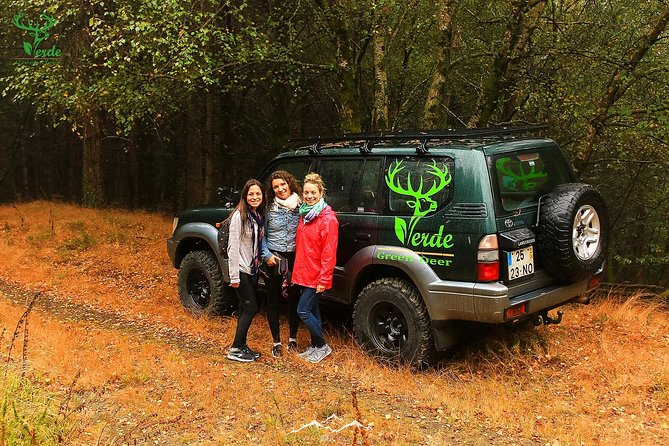
- The off-road ride: what to expect inside the vehicle
- Stop 1: Veado Verde (Green Deer) for wildlife and forest walks
- Stop 2: Aldeia de Gondramaz and a coffee break that feels like a movie set
- Stop 3: Aldeias do Xisto and hiking between two burned villages
- When the route includes extra surprises
- Small group dynamics: why max 10 people feels like “your day”
- Photo and binocular extras: small perks, real impact
- Clothing and comfort: weather-proof but not comfort-proof
- Who this tour fits best
- Should you book the Lousã Mountain Private Tour?
- FAQ
- How long is the Lousa Mountain Private Tour?
- Does the tour offer hotel pickup in Coimbra and nearby towns?
- What’s included in the price?
- What wildlife might you see on the tour?
- Is the tour still possible if the weather is bad?
- Is this a shared tour with other groups?
Key things I’d circle before you book
- Small group (up to 10) makes it easier for your guide to tailor the pace and route.
- Off-road 4×4 + light hiking: you’re covering ground to reach where the deer and boars actually hang out.
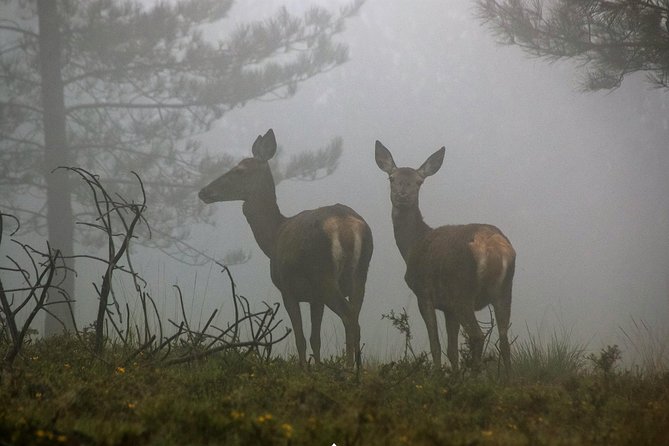
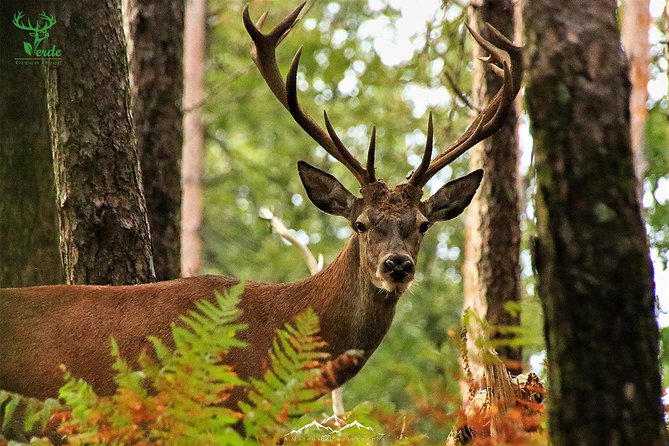
- Wildlife focus: deer, boar, foxes, and squirrels are all on the spotting list.
- Schist villages with real scars: restored Gondramaz, plus other Aldeias do Xisto villages that burned in the 1980s and were rebuilt/remembered.
- Included binoculars and one souvenir photo take the effort out of the little details.
- Weather-ready operation means you’ll still go, just with smarter clothing.
Serra da Lousã: what this tour does differently
Coimbra is a great base, but it’s easy to spend your time sticking to the city and the usual day trips. This tour gives you a more off-the-map slice of Portugal: the Serra da Lousã area, where forests and quiet stone villages still feel far from big-tour crowds.
The big draw is the mix of nature and culture. You’re not only chasing views, and you’re not only touring villages. Instead, you get a sequence that makes sense in the mountains: drive to productive areas, walk enough to stay present, then step into a village built from local schist stone where daily life looks intentionally preserved.
And the “private tour” part matters. Even with a maximum of 10 people per booking, the route and timing can feel more flexible, because your guide is not just moving a group along a fixed checklist. In practice, that’s the difference between seeing the landscape and actually doing something in it.
You can also read our reviews of more private tours in Coimbra



Price and what you’re paying for
This experience costs $102.80 per person, and it typically gets booked about 9 days in advance. That price is not trying to compete with a big-group bus tour. It’s paying for the things that usually cost money in rural Portugal: a private vehicle, a driver/guide who’s on the ground, and time spent going off-road.
You also get value in the extras:
- Binoculars included
- One souvenir photo included
- A professional photographer guide (so the photo isn’t just a random snapshot you later regret)
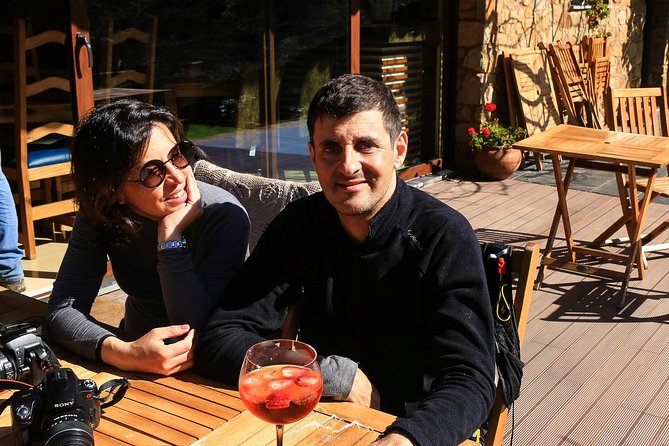
Food is optional and paid separately on site, so you’re not forced into a set meal. That gives you a little control over what you eat and how long you want to linger in village stops—especially helpful if you’re the kind of traveler who likes a second coffee without feeling rushed.
If you’re the type who hates wasting half the day in transit, this is where the pricing starts to make sense. The whole point is that the driving is part of the experience, not dead time.
Getting there: pickup, meeting point, and how the day starts
You start at Largo da Portagem, 3000-337 Coimbra, Portugal and the tour ends back at the meeting point. Hotel pickup is offered if you select that option, and pickup can also cover many areas like central Coimbra, Lousã, Miranda do Corvo, Condeixa-a-Nova, and Penela—as long as parking is available.
If you’re staying outside central Coimbra, there may be an extra fee (listed as 10€–20€) for pickup from other locations. It’s worth checking early so you know whether you’ll be walking to a nearby pickup spot or being collected right from your accommodation.
One practical note: this tour is near public transportation, so if you’re not staying in a pickup-friendly zone, you may still find an easy way to reach the meeting point.
The off-road ride: what to expect inside the vehicle
This is where you either love the experience or you grit your teeth. The route includes off-road segments in a 4×4, and the vehicles are described as diesel, with long stretches of time inside while roads get windy and dusty.
If you’re comfortable on rural roads, the payoff is huge: you reach angles and pockets of forest most visitors never see. If you tend to get carsick, this is something to take seriously. I’d come prepared with water, a snack if you need one, and a mindset that the bumpiness is part of the access.
What I appreciate is that you don’t just sit there hoping for wildlife. Your guide actively uses the vehicle and terrain to improve your chances. That matters when you’re searching for animals that aren’t waiting for a schedule.
Stop 1: Veado Verde (Green Deer) for wildlife and forest walks
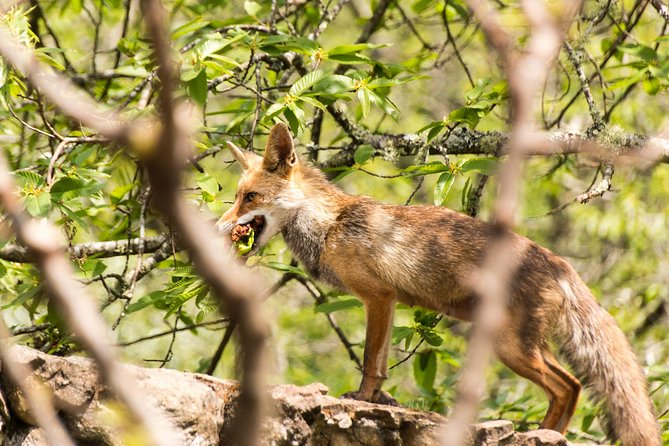
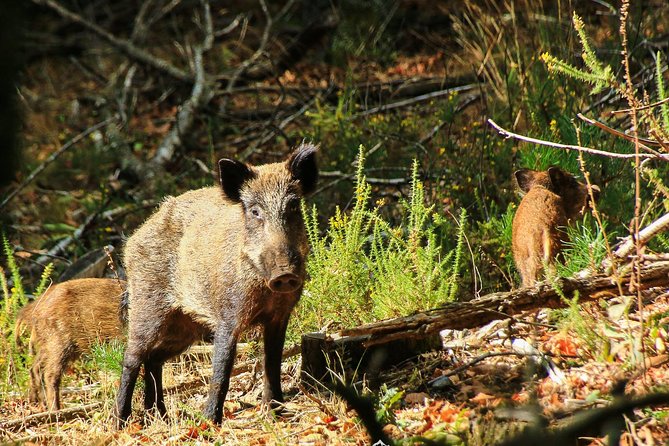
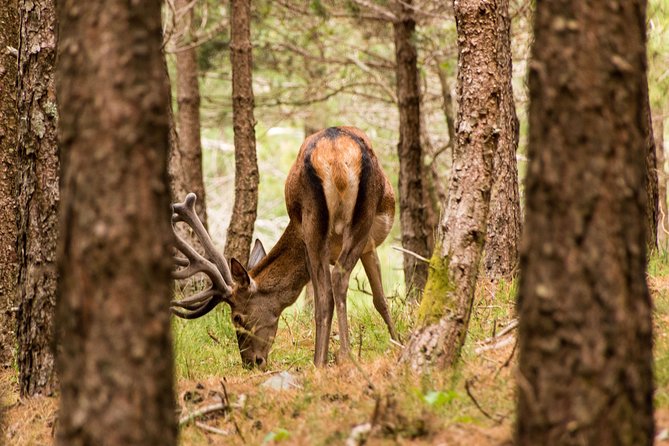
The first stop is all about the mountains and the chance to spot wildlife. Expect 4×4 driving plus a hike in the Serra da Lousã area as you look for wild deer and other animals in their natural habitat.
The animal list includes:
- deer (the names used in the experience description and the way the guides search for them)
- boars
- foxes
- squirrels
The walk passes through forests of pines, chestnut trees, oaks, and beeches, which changes the feel of the hike quickly. One moment you’re in a more shaded forest lane, the next you’re moving along terrain that gives you better sightlines for spotting movement.
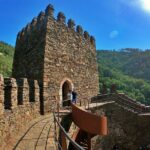
You’ll also go through abandoned and restored shale villages, and that’s a key detail. These villages aren’t just “cute photo stops.” They give context for why the area looks the way it does—old stone settlements, then restoration and survival after hardship.
How long this feels depends on whether you choose a half-day or full-day format. But even in a shorter day, this opening segment is usually the “reason you booked” part.


Stop 2: Aldeia de Gondramaz and a coffee break that feels like a movie set
Then you slow down at Aldeia de Gondramaz, a completely restored shale village with about 50 houses. It’s a neat counterpoint to the bumpy ride: fewer engine vibrations, more village rhythm.
The tour includes time for a coffee here. That’s not just a caffeine stop. It gives you a breather and a chance to look around with fresh eyes. The schist stone look is distinctive, and Gondramaz is one of those places where restored details make you realize how much planning it takes to keep an old village livable.
This stop is short—about 30 minutes—so don’t expect a long wandering session. But it’s enough time to reset, take a few photos, and feel like you’re stepping into a different era.
Stop 3: Aldeias do Xisto and hiking between two burned villages
Next comes Aldeias do Xisto, visiting two specific villages: Cadaval Cimeiro and Cadaval Fundeiro. These are described as abandoned shale villages that burned twice in the 1980s. That detail matters, because it gives the area weight beyond the postcard surface.
Here, you’ll do a hike between the two villages. The walking segment is short (about 30 minutes), but it’s the kind of hike that makes the villages feel connected rather than like isolated points on a map.
The atmosphere at places with that kind of history can be quietly intense. Even if you’re not a big “history” traveler, you’ll likely feel the difference between restored settlement and places that are more about memory and remains.
One practical angle: since this is outdoors and the tour operates in all weather conditions, wear shoes with solid grip. Even short hikes turn into a slippery mess if the ground is damp.
When the route includes extra surprises
One of the guides you might see is named Alfredo, and in at least some cases he has tailored days with extra sights beyond the core village-and-mountain pattern (including a mention of Roman ruins). The lesson for you: don’t assume every day is identical.
The tour description gives a strong structure, but in rural areas, the day can flex based on weather, access, and what your guide believes you’ll enjoy most.
If you want to maximize your chance of a memorable day, ask your guide early what the plan is for wildlife and whether there’s time for any added historical stops.
Small group dynamics: why max 10 people feels like “your day”
A maximum of 10 people per booking is a sweet spot. It’s big enough that you’re not stuck with just one other person, but small enough that you’re not a passenger in a cattle line.
That matters with wildlife spotting. Animals are unpredictable. When you have a compact group, your guide can reposition quickly and keep attention focused. You also get a better chance to ask questions about the region without feeling like you’re interrupting a machine.
Also, because this is a private tour/activity, it’s only your group participating, not a shared mixed crowd.
Photo and binocular extras: small perks, real impact
You’ll get binoculars during the tour. This matters more than it sounds, because the whole experience is built around spotting wildlife in forests and on terrain where you often can’t tell what you’re seeing at first glance.
Then there’s the photo setup. You get one souvenir photo included, and the guide is described as professional photographer-style. In practice, this helps because your guide understands angles, timing, and when wildlife or village scenes are most photogenic.
You can purchase additional souvenir photos if you want. If budget is tight, you can simply take your own with a phone camera and decide later.
Clothing and comfort: weather-proof but not comfort-proof
The tour operates in all weather conditions, so you’re not buying a rain-or-shine “maybe.” You’re buying a plan that adapts.
So dress appropriately. For me, that means:
- layers (mountain weather can change fast)
- shoes for uneven ground
- a light rain layer if forecast calls for wet conditions
And don’t underestimate wind in mountain areas. If you end up with foggy or rainy visibility, it’s still a good day—you’ll just have to rely more on your guide’s searching rather than clear long-distance sighting.
Who this tour fits best
This experience is a strong match for you if:
- you want personal, small-group guiding instead of a big bus day
- you like nature but don’t want a hardcore all-day trek
- you’re curious about schist villages beyond the main tourist circuits
- you enjoy off-road travel and can handle a dusty, bumpy vehicle ride
It may be less ideal if you:
- hate rough roads and motion in a vehicle
- need a slow, cushy pace with frequent restroom breaks (those aren’t described in the data you provided)
- only want long hiking hours (the walk segments are relatively short, and the wildlife/drive element is the focus)
Should you book the Lousã Mountain Private Tour?
If you want a day that feels closer to how locals experience the Serra da Lousã—forests, stone villages, and wildlife hunting with a real guide—then yes, I think it’s worth booking.
Book it especially if you:
- enjoy off-road access (the 4×4 is part of the deal)
- care about wildlife spotting as an actual goal
- like “small village, big atmosphere” moments like Gondramaz and the Aldeias do Xisto area
Skip it if your perfect day is smooth roads, minimal dust, and long hikes. This tour gives you access and variety; it doesn’t pretend the ride is gentle.
FAQ
How long is the Lousa Mountain Private Tour?
The tour is listed as about 4 hours (approx.). You can also choose between half-day and full-day options, depending on your schedule.
Does the tour offer hotel pickup in Coimbra and nearby towns?
Yes. Pickup is offered from most hotels in central Coimbra, Lousã, Miranda do Corvo, Condeixa-a-Nova, and Penela if parking is available. Pickup from other areas may cost an extra 10€–20€.
What’s included in the price?
Included items are all activities, a driver/guide, a professional photographer guide, private vehicle transport, hotel pickup and drop-off if selected, one souvenir photo, optional meals as noted (not included by default), and binoculars.
What wildlife might you see on the tour?
The tour focuses on wildlife watching for wild deer, boars, foxes, and squirrels in the Lousã mountain area.
Is the tour still possible if the weather is bad?
It operates in all weather conditions and you should dress appropriately. If it’s canceled due to poor weather, you’ll be offered another date or a full refund.
Is this a shared tour with other groups?
No. It’s a private tour/activity, so only your group participates. The booking size is capped at a maximum of 10 people.