REVIEW · COIMBRA
Coimbra: Adventure, Discovery & Learning with a Local
Book on GetYourGuide →Operated by Explore Coimbra · Bookable on GetYourGuide
Coimbra rewards slow walking. This 3-hour tour ties together Roman roots, University culture, and a real visit to the botanical garden. You’ll move through old streets with stories you can actually picture, then climb up for views and student-life context.
I like that the guide doesn’t treat the University as a distant monument. You get the student culture side—especially the Academic Republics—woven right into the walk. I also like the pace: you cover key spots without feeling rushed, with time for a coffee or snack stop along the way.
One thing to watch: the 4pm timeslot may not include the Botanical Garden during winter, since it closes at 5:30pm until spring.
In This Review
- Key highlights I’d plan around
- Starting at Largo da Portagem: where Coimbra feels real
- Medieval streets and church stories you can picture
- The viewpoint climb: Coimbra’s hills explain everything
- University of Coimbra: Academic Republics and the student pulse
- From the Roman aqueduct to the botanical garden
- The Mermaid Garden plaza ending: a feel for late-afternoon Coimbra
- Price and value: what $41 really buys you
- Who this tour fits best (and who should skip it)
- Practical tips so the tour feels easy
- Should you book this Coimbra walking tour?
- FAQ
- How long is the Coimbra guided tour?
- Where does the tour start?
- What’s included in the price?
- What isn’t included?
- Which languages are available for the guide?
- Does the tour always include the Coimbra Botanical Garden?
Key highlights I’d plan around
- A guide who talks University life, not just buildings, including the Academic Republics culture
- Medieval streets and church interiors with the stories behind them
- A hilly walk with viewpoint time, so Coimbra’s geography makes sense
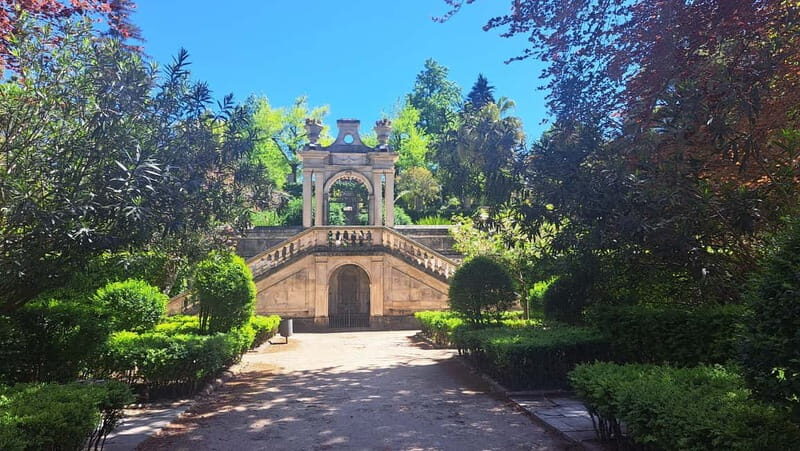
- Portugal’s most important botanical garden visit, included for most timeslots
- A natural ending at the student-gathering vibe near the Mermaid Garden
Starting at Largo da Portagem: where Coimbra feels real

Your tour starts at Largo da Portagem, a sensible jumping-off point for getting downtown under your own feet. From there, you’ll get swept into Coimbra’s rhythm: street performers doing their thing, daily foot traffic on an iconic street, and those narrow lanes that quickly turn a city into a maze of discovery.
This is where I think the tour earns its value. Instead of meeting you at some abstract “attractions list,” the guide starts you in the middle of how Coimbra works. That makes the rest of the walk click faster—especially if it’s your first time in town.
Expect a guided stretch of about an hour right away. You’ll pick up the basics like how the old town connects, why certain streets matter, and which corners hide small details worth noticing.
You can also read our reviews of more tours and experiences in Coimbra.



Medieval streets and church stories you can picture
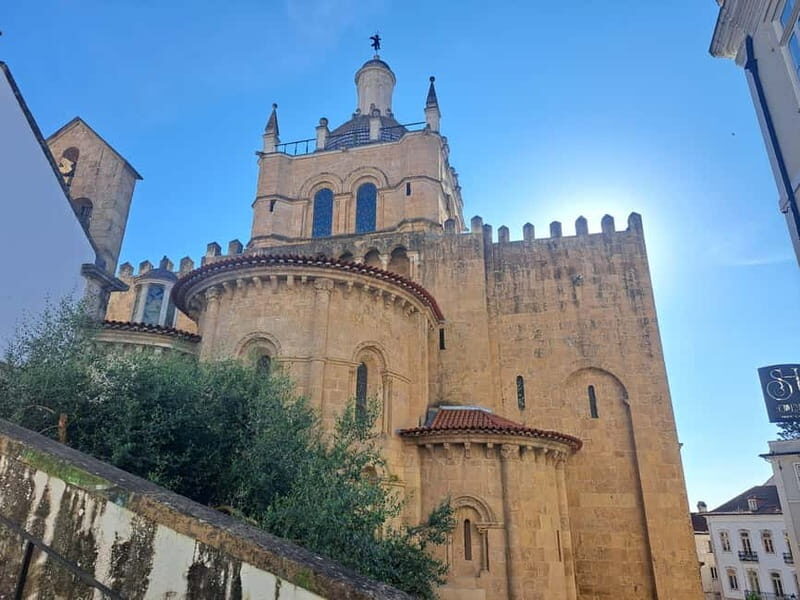
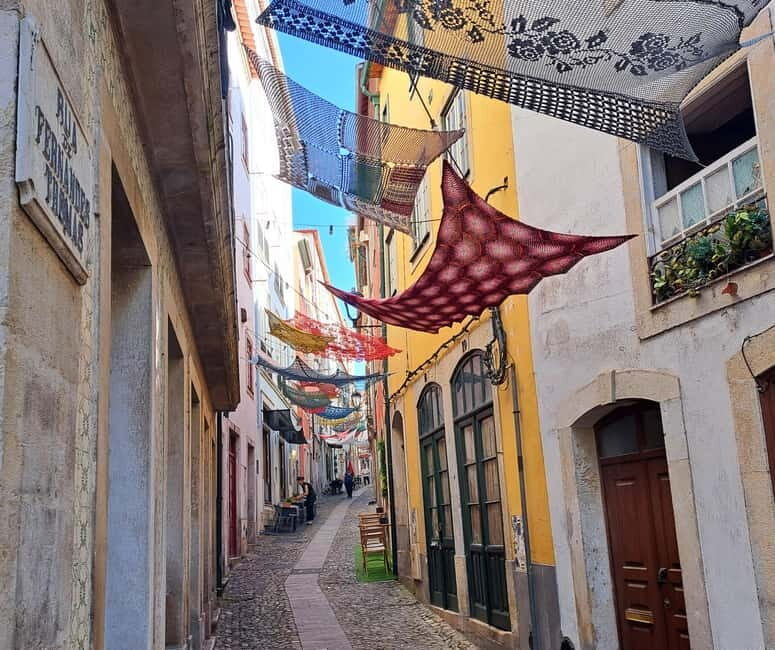
Coimbra’s center is made for walking: small streets that weave in and out and then suddenly open to a church, a lookout, or a quiet pocket where the day slows down. You’ll spend time on these medieval streets, with your guide pointing out churches and explaining the stories inside their walls.
This is one of the best parts for people who like context. You’re not just collecting photos. You’re learning why these places exist here, how they connect to power and faith over time, and how they shaped day-to-day life.
You might also notice the tour includes breaks in a practical way. The plan is built around stopping for a coffee or snack during the day. Food and drinks aren’t included, so you’ll want to budget a little, but the timing is good—enough energy to keep going uphill without feeling like you’re on a forced march.
The viewpoint climb: Coimbra’s hills explain everything

After the first set of streets, you head up the hilly route toward a viewpoint. This isn’t just for a pretty photo. It’s how Coimbra teaches you its own logic: where the University sits, how the city slopes down toward key landmarks, and why people have always gathered here.
From the viewpoints and surrounding stops, you’ll get better “mental maps” of the old town. That matters later when you’re looking at the University grounds and then moving toward the aqueduct area. From down low, everything looks separate. Up high, it starts to look like one connected story.
And yes, you’ll be walking uphill. Comfortable shoes aren’t optional for this one—this tour is built around your legs doing their job.
University of Coimbra: Academic Republics and the student pulse

The big draw is the University of Coimbra walk with your local guide. This is where Coimbra stops feeling like a pretty old city and starts feeling like a living academic town.
You’ll learn about the University grounds and its culture, with special attention to the Academic Republics. That’s the kind of detail that turns a “sightseeing” experience into something you understand. You’re not only seeing where students go—you’re hearing how student identity, traditions, and organization fit into Coimbra’s story.
Guides like Gomes and João are particularly strong at making the University feel human. In the experience I’d put you in the best position to benefit: Gomes tends to connect Portuguese history and politics with what students and institutions represent today, and João is known for answering questions clearly and keeping the pace smooth so you don’t miss the highlights.
The University stop is also where your guide’s language skills matter. Multiple guides—like Marta, Gomes, and João—show up with strong English and a friendly, question-friendly style. If you’re the type who asks follow-ups, this tour is built for that.
From the Roman aqueduct to the botanical garden

Once you get to know the University area, you head down toward the impressive Roma aqueduct. It’s the kind of landmark that reminds you Coimbra didn’t start as a student city. Long before that, it was a Roman foundation called Aeminium—and the water system shows how serious the Romans were about shaping daily life.
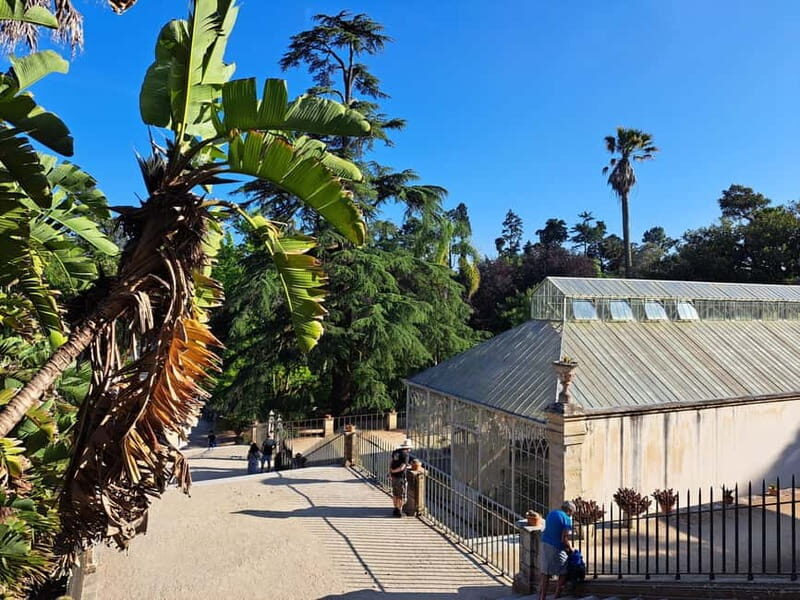
Then comes the best “payoff” stop for nature lovers: the Coimbra Botanical Garden. This garden is described as the country’s most important, and the visit is included. The guide explains the origins and why it still matters today, so it doesn’t feel like “walk around plants and hope for the best.” You get the story behind the space, and you can read the grounds with new eyes.
Here’s the practical note that changes planning: the 4pm timeslot may not include the Botanical Garden during winter because it closes at 5:30pm until spring. If you’re traveling in the colder months and the garden is your priority, I’d choose a different start time when you can.





The Mermaid Garden plaza ending: a feel for late-afternoon Coimbra
The tour finishes near the plaza where students gather in the late afternoon, by the entrance of the Mermaid Garden. This ending works because it matches the theme of the tour—co-living, student tradition, and a city that changes with the school day.
Even if you don’t stay long after the guide leaves you, the location is smart. You end somewhere you can continue exploring without needing transportation. And if your timing lines up with the late-day crowd, Coimbra can look like it does in your head when you hear the word “student town.”
It’s also a good psychological finish. You start at streets and churches, climb toward the University, then cool down with the botanical garden and end in a space that feels connected to daily rhythm instead of museum clockwork.
Price and value: what $41 really buys you

At $41 per person for a 3-hour guided experience, this is aimed at people who want structure without paying for a long, expensive day of tickets. Here’s where the value sits:
- You get a guided walk through medieval streets and churches with explanations
- You get a walk through the University grounds, including the student-culture angle
- You get the Botanical Garden visit (with that important winter timeslot caveat)
- You also get a souvenir included—small, but it signals this tour isn’t just a “hand you a map” situation
What you should plan to pay extra for: paid monument tickets to specific sites and your own food/snacks. If you’re expecting everything to be fully covered, you might feel short on the final bill. If you’re okay with a coffee stop and maybe a paid ticket or two elsewhere, this price feels fair for what you’re getting.
For me, the best “value logic” is the guide component. In Coimbra, it’s easy to wander and miss the connections. This tour is designed to connect the dots: Roman roots, church stories, University culture, and a garden with real origin and relevance.
Who this tour fits best (and who should skip it)
This experience is ideal if you’re:
- visiting Coimbra for the first time and want the University focus without doing hours of research
- the type who likes seeing how people live and study, not just photographing façades
- interested in Portuguese culture context—especially student traditions like the Academic Republics
- comfortable with a walking route that includes some uphill sections
It may be less ideal if you:
- dislike hills and long walks (the route climbs, then continues on foot)
- want a strictly self-paced plan with no guidance
- are very time-sensitive about the Botanical Garden during winter—because the 4pm slot might not include it
Practical tips so the tour feels easy
Bring comfortable shoes and water. You’ll be on your feet for the full 3 hours, and the uphill section is part of the design. If you’re traveling with any mobility limits, consider how you handle stairs and grades on a typical city day.
Also, plan your expectations around food. The tour may stop for a coffee or snack, but food and snacks aren’t included. I’d treat that as a chance to taste something local, not as an included meal.
If you’re choosing times based on season: remember the Botanical Garden closing at 5:30pm during winter (until spring). Your best strategy is matching your must-see list to the start time.
Finally, if you care about restaurant ideas, you’ll likely get them. Gomes, for example, is known for sharing restaurant recommendations after the tour, which can make your evening in Coimbra much smoother.
Should you book this Coimbra walking tour?
I’d book it if you want Coimbra to make sense fast—Roman origins, medieval streets, the University’s student culture, and a real Botanical Garden stop. At $41 for 3 hours, it’s a practical way to get guided context without turning your day into a ticket-hopping marathon.
I’d be pickier about the time slot if the Botanical Garden is non-negotiable for your trip and you’re traveling in winter. In that case, choose a start time that won’t run into the garden’s closing schedule.
If you like learning through walking—short explanations, real places, and a local guide who answers questions—this is a solid bet.
FAQ
How long is the Coimbra guided tour?
The tour lasts 3 hours.
Where does the tour start?
It starts at Largo da Portagem.
What’s included in the price?
The tour includes a visit to the Botanical Garden, a walk through University grounds, exploration of medieval streets, and a souvenir.
What isn’t included?
Tickets to specific paid monument visits are not included, and food and snacks are not included.
Which languages are available for the guide?
The guide is available in English, Spanish, and Portuguese.
Does the tour always include the Coimbra Botanical Garden?
Not for the 4pm timeslot in winter. Due to the garden’s Winter schedule (closing at 5.30pm until spring), the 4pm option does not include a garden visit.