REVIEW · COIMBRA
Conimbriga and The Roman Tour
Book on Viator →Operated by Veado Verde / Green Deer · Bookable on Viator
Roman water still does its job here. This is a private Roman-ruins tour that connects the engineering of the aqueduct to the real everyday life you see in Conímbriga. I love how close you get to the site and how your guide turns what could be just ruins into a clear story.
Two things I really like: the small group feel (max 10, only your group on a private booking) and the pacing, which lets you look carefully at mosaics, fountains, and water systems instead of rushing past them. One possible consideration: the two museums require separate tickets, and one of them is closed on Mondays, which can change what you actually see.
In This Review
- Key highlights worth choosing this tour for
- Why this Roman tour from Coimbra feels different
- Alcabideque: where the aqueduct story starts (and why that matters)
- PO.RO.S Museum in Sicó: the context layer before Conímbriga
- Museu Monográfico de Conímbriga (Museu Nacional): everyday life behind the stones
- Walking Conímbriga like an engineer and a neighbor
- Transport, timing, and the real value of the $102.80 price
- What to pack and how to get the most out of it
- Who should book this tour (and who might choose otherwise)
- Should you book this Conímbriga and Roman Tour?
- FAQ
- What does this tour include?
- Where does the tour start?
- Is hotel pickup included?
- How long is the tour?
- How big is the group?
- What sites are visited?
- Are museum tickets included?
- Is Museu PO.RO.S open every day?
- Does the tour run in bad weather?
- Are food and drinks included?
- Is there a mobile ticket?
Key highlights worth choosing this tour for
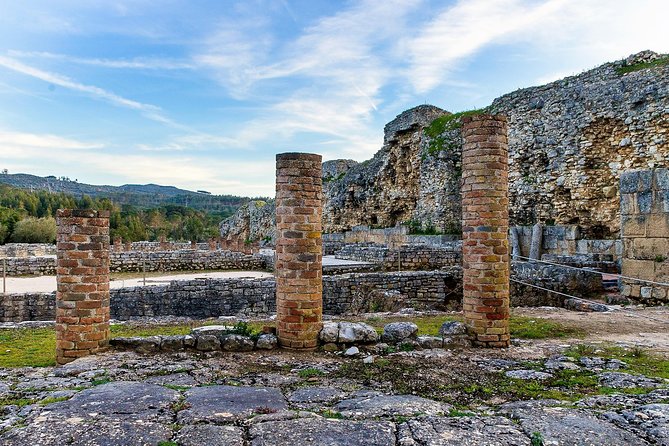
- Alcabideque water source stop: you start at the spring-fed beginning, not after the fact
- Two museum stops: they give context for what you’ll spot in the ruins
- Private, small-group experience: you can go at your pace and ask questions
- Guide + photographer handling: one souvenir photo is included
- Air-conditioned private transport: easier between countryside stops
- Weather-proof planning: it runs in all weather, so dress for conditions
Why this Roman tour from Coimbra feels different

Coimbra has plenty of history in its own streets, but this tour moves you into Roman Portugal in a way that feels practical, not performative. The big win is that you don’t just arrive, stare, and leave. You follow the logic of Roman building: where water began, how it was managed, and how that supported daily life in a real city.
You’ll ride out from central Coimbra and then spend your time on a tight loop: an aqueduct-related site first, then museums, then back around to the ruins experience with the context in your head. Guides on this tour have names that show up again and again in people’s notes, including Alfredo, Antonio, and Ivone, so you’re not getting a generic script. The best part is how they connect details—especially water and domestic spaces—to what you’re physically seeing.
You can also read our reviews of more tours and experiences in Coimbra.



Alcabideque: where the aqueduct story starts (and why that matters)
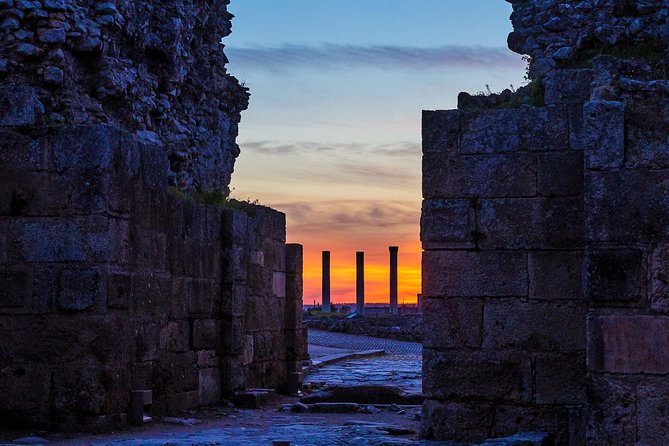
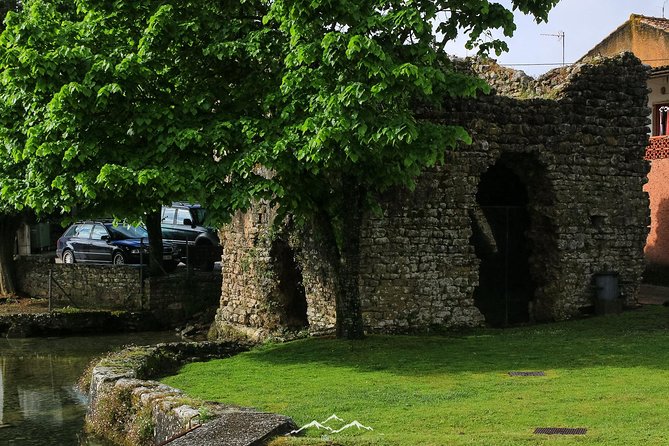
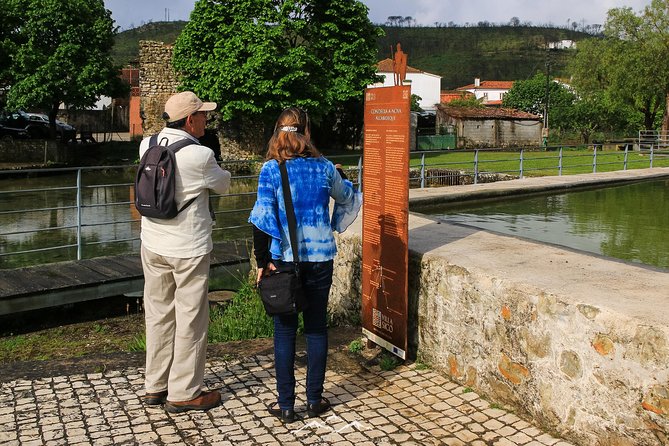
The morning begins at Alcabideque, where the Conímbriga aqueduct traces back to its water source. This isn’t a postcard ruin set behind a fence—it’s tied to a real village pond. The original collecting basin still has a use today, and that makes the whole thing feel less like ancient theory and more like infrastructure.
Next to the pond you’ll see the ruins of a castellum, which acted as a cleaning basin. From there, the tour explains how water traveled over distance—about 3.5 km—partly using substructures and then reaching another castellum aquae with a complex structure back toward Conímbriga. Even if you’re not a Roman engineering person, this stop gives you a mental map.
What you’ll love here: it’s a rare chance to connect the water system’s origin to the later city structures you’ll see afterward. When you understand what the Romans were trying to control—water quality, flow, and distribution—Conímbriga makes more sense.
What to watch: this first stop is outdoors. It operates in all weather, but you’ll want to dress for the day, because the countryside can feel breezy and exposed.
PO.RO.S Museum in Sicó: the context layer before Conímbriga
After Alcabideque, you head to Museu PO.RO.S in Sicó. This is the newest museum of Condeixa municipality, built as a multimedia and virtual space that pairs with Conímbriga. The idea is simple: before you walk around the ruins, you get a framework for what you’re looking at.
You’ll typically spend about an hour here. Admission is not included, so plan for that cost separately. Also, PO.RO.S is closed on Mondays, which can be a deal-breaker depending on the day you’re traveling. If your visit is on a Monday, you might not get the full museum sequence you were hoping for.
Why this stop is worth the extra ticket: it helps you spot patterns. Conímbriga isn’t just a bunch of walls. It’s a city built around public spaces and private comfort—forum life, baths, mosaics, fountains, and the water network that made all of it function.
A practical tip: if you’re the type who likes to know what you’re about to see before you step outside, this is the stop that does that job.
Museu Monográfico de Conímbriga (Museu Nacional): everyday life behind the stones
Then comes the big context stop: Museu Monográfico de Conímbriga – Museu Nacional. The site you’re heading toward didn’t appear overnight. It was occupied long before the Romans arrived, and Roman troops took hold in 139 BC. From there, Conímbriga grew into the prosperous capital of the Lusitania province. Under Emperor Augustus, the urban area expanded further, and that’s where many of the everyday-life highlights took shape.
In the museum, you’ll move through rooms focused on objects found after years of excavations: religious life, architecture, manor houses and their decoration, and life at the forum. It’s the kind of place that helps you stop thinking of ruins as random fragments. Instead, you start recognizing spaces as parts of a functioning city.
The museum time is about two hours. Admission is not included, so again, budget separately. But if you care about understanding how Romans lived—rather than only seeing how Romans built—it’s where the visit clicks.
What stands out from people’s experiences: well-preserved mosaics and fountains show up again and again as emotional highlights. Even when you haven’t seen the stones yet, the museum helps you anticipate why those details matter. Later, when you’re walking around the ruins, you’re not guessing. You’re matching what you see to what you learned inside.
Walking Conímbriga like an engineer and a neighbor
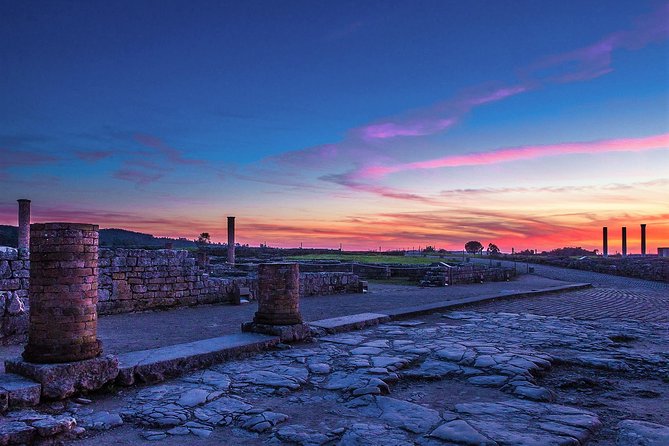
Once you’re on the Conímbriga side of the experience, the tour shifts from explanation to close observation. Conímbriga is known for its well-preserved ruins, and it’s big enough that simply wandering alone can mean you miss the most telling bits.
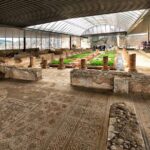
This is where guides like Alfredo and Antonio tend to add real value: they point out what you’d overlook, especially around water and domestic design. The highlights described by guests often include mosaic floors, fountain houses, and the visible parts of bath and water systems. When your guide connects those features back to earlier stops, the whole layout starts to feel logical.
The private format helps here. With up to 10 people and only your group on a private booking, you can slow down for questions. If someone needs extra time at a mosaic or wants to read more carefully, you usually don’t feel punished by a strict schedule.
Possible drawback: Roman sites can be subject to closures. One past experience included a Conímbriga site closure due to a sudden strike, and the guide still adjusted by maximizing what was accessible and sharing extra nearby sights. That’s not something you can count on changing in your favor, but it’s a reminder to keep a flexible mindset and wear shoes ready for uneven ground.




Transport, timing, and the real value of the $102.80 price
At about 4 hours total, this tour is a tight, efficient use of a half-day. The price is $102.80 per person, and here’s what you’re really paying for: a guided, structured route that links source water, museums, and ruins in a way most independent visits don’t.
What’s included matters. You get a driver/guide, air-conditioned private vehicle transport, and hotel pickup/drop-off if you choose the pickup option. There’s also one souvenir photo included, plus a professional photographer guide role. That’s not just convenience—it’s practical. With a private vehicle and a guide managing timing, you spend less time figuring out logistics and more time looking carefully at the archaeology.
Pickup is available from most hotels in central Coimbra, Condeixa-a-Nova, and Penela if parking is available. If you’re elsewhere, you may pay an extra 10€ to 20€. So if you’re trying to judge value, check how close your hotel is to the pickup zone—or whether it’s worth paying the add-on to avoid coordinating buses or taxis.
Who gets the best value: people who want interpretation (not just photos), couples or families who like a smaller pace, and anyone who enjoys understanding how daily life worked in a Roman city.
Who might pause: if you already feel comfortable reading museum panels and guiding yourself through ruins, you may not need two museums. But if you want the guided connections, the structure is the value.
What to pack and how to get the most out of it
This tour runs in all weather conditions, so plan for real outdoors time. Bring sun protection and water in warm months. In cooler or wet weather, dress in layers. Good walking shoes are a must because ruins and museum entrances can include uneven surfaces and steps.
If you want your photos to come out well, consider that the tour includes one souvenir photo. You can still take your own, but it’s smart to let the guide handle the best timing for that included shot.
Also, it helps to bring a curious mindset. The most rewarding parts are the details: how water systems were controlled, how rooms were designed for daily routines, and why mosaics show up where they do.
Who should book this tour (and who might choose otherwise)
This experience fits best if you:
- Want a guided visit to Conímbriga rather than a self-guided wander
- Like understanding Roman engineering and daily life, not just big monuments
- Prefer a small private group with time for questions
- Are visiting Coimbra and want a strong “day trip” feeling without losing half a day to transport hassles
You might choose something different if:
- You’re strictly budget-only and don’t want to pay museum tickets separately
- You’re traveling on a Monday and specifically want the PO.RO.S stop, since it’s closed then
- You’d rather skip museums entirely and focus only on ruins
Should you book this Conímbriga and Roman Tour?
If you want your Roman ruin visit to feel like a story with an explanation behind it, I’d book it. The price makes sense when you consider the private transport, the guide who brings the water-and-city connections into focus, and the added context from two museums.
Just be smart about the day you choose. Check whether PO.RO.S works for your schedule, and if you’re sensitive to closures, keep expectations flexible. With the right mindset, this is one of those tours where the stones start explaining themselves.
FAQ
What does this tour include?
It includes a driver/guide, a professional photographer guide, one souvenir photo, and transport by private vehicle with air-conditioning. If you select it, there’s hotel pickup and drop-off, and the tour ends back at the meeting point.
Where does the tour start?
The meeting point is Largo da Portagem, 3000-337 Coimbra, Portugal.
Is hotel pickup included?
Pickup is available from most hotels in central Coimbra, Condeixa-a-Nova, and Penela if parking is available. Pickup from other locations is possible for an additional fee of 10€ to 20€.
How long is the tour?
The tour duration is about 4 hours.
How big is the group?
The maximum is 10 people per booking. It’s a private tour/activity, so only your group participates.
What sites are visited?
You’ll visit Alcabideque (linked to the aqueduct origin), Museu PO.RO.S in Sicó, and Museu Monográfico de Conímbriga – Museu Nacional, along with guided time around the Conímbriga Roman ruins.
Are museum tickets included?
No. Tickets for Museu PO.RO.S and Museu Monográfico de Conímbriga are not included.
Is Museu PO.RO.S open every day?
No. Museu PO.RO.S is closed on Mondays.
Does the tour run in bad weather?
Yes. It operates in all weather conditions, so dress appropriately.
Are food and drinks included?
Food and drinks are not included unless specified.
Is there a mobile ticket?
Yes. Mobile tickets are offered.