REVIEW · COIMBRA
Coimbra: Coimbra University Private Walking Tour w/ Tickets
Book on GetYourGuide →Operated by Portugal Cultural Experience · Bookable on GetYourGuide
A university campus that feels like a museum. This private Coimbra walk centers on Portugal’s oldest university and the UNESCO-grade places you’ll actually want to see.
Joanina Library and stories from former students bring the academic world down to earth fast. The whole route is designed to give you both the big-photo spots and a few quieter corners.
I especially like the private pace. You can steer the conversation toward what you care about—architecture, Portugal’s political history, or the way learning worked long before smartphones. I also like that the tour bundles the “must-see” interiors with included entry tickets to multiple official university sites.
One consideration: it’s a walking tour, and it’s not suitable for mobility impairments or wheelchair users. Also, if you’re traveling solo, check whether pricing works for your party size, since at least one solo guest reported having to book for two.
In This Review
- Key Highlights You’ll Want to Know Up Front
- Why University of Coimbra Feels Special on a Walking Tour
- Price and Value: What You’re Really Paying For at $128
- Meeting at King Dinis: Starting at Dom Dinis and Keeping Momentum
- Stop One: The University of Coimbra Grounds and the Big-Picture Orientation
- Joanina Library: The Reading Room Moment That Changes Your Perspective
- Royal Palace of the University: Power, Ceremony, and Institutional Pride
- Chapel of São Miguel: Where Short Stops Can Still Feel Meaningful
- Chemistry Laboratory: Early Science as a Real Part of Campus Life
- Cabinet of Curiosities: The Fun Stop Where Curiosity Was Policy
- Academic Museum: Closing the Loop With Context
- Who This Tour Fits Best (and Who Should Pick Another Option)
- Practical Tips So You Enjoy Every Stop
- Should You Book This Private Coimbra University Tour?
Key Highlights You’ll Want to Know Up Front

- Former-student guides who share how the university really shaped its students
- UNESCO World Heritage status for the University of Coimbra, recognized since 2013
- Skip-the-line access plus full tickets for several major interiors
- A tight circular route that starts and ends at Dom Dinis (King Dinis)
- Stop mix beyond the obvious: library, palace, chapel, a chemistry laboratory, and a cabinet of curiosities
- Personalized Q and A since it’s private and you can challenge the guide with your interests
Why University of Coimbra Feels Special on a Walking Tour
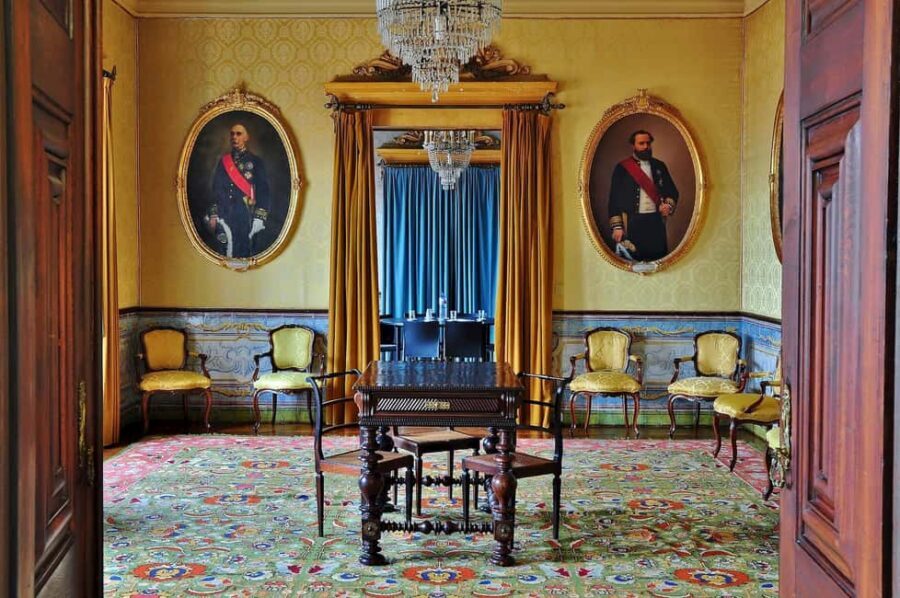
Coimbra isn’t just “a university you visit.” It’s a whole academic machine that grew over centuries—built, studied in, re-used, and celebrated as part of Portugal’s identity. Walking between buildings lets you connect the dots: who held power, how scholars lived, and how knowledge was displayed.
The format matters. With a private guide like Bruno Pinha (and other guides such as Marianne or Maryana), you’re not watching a slide show. You’re hearing explanations timed to what you’re seeing—chapel details when you’re standing near them, scientific context when you reach the chemistry laboratory, and library background right before you look up at the reading space.
This is also one of those places where a good storyteller changes everything. Several guides in the tour’s recent history were praised for turning facts into scenes—sometimes with humor, often with clarity—so the campus feels alive instead of like a checklist.
A few more Coimbra tours and experiences worth a look


Price and Value: What You’re Really Paying For at $128

At $128 per person for about 2.5 hours, the real value isn’t that it’s “cheap.” It’s that it’s focused.
You’re paying for:
- A private guide who is a former student of the university
- Tickets included for major interiors (including the Joanina Library, Royal Palace, Chapel of São Miguel, Chemical Laboratory, Academic Museum, and the Cabinet of Curiosities)
- A route that hits the most visited spots plus some lesser-known stops
If you’re the type who hates wasting time in lines, the tour’s skip-the-ticket-line benefit is meaningful. Buying separate tickets and trying to figure out order and timing on your own can turn a good morning into a messy one.
Practical note on value: meals and drinks aren’t included, and transfers aren’t included either. If you’re coming from the station or another neighborhood, build that time into your day so you can enjoy the tour instead of rushing toward it.
Meeting at King Dinis: Starting at Dom Dinis and Keeping Momentum
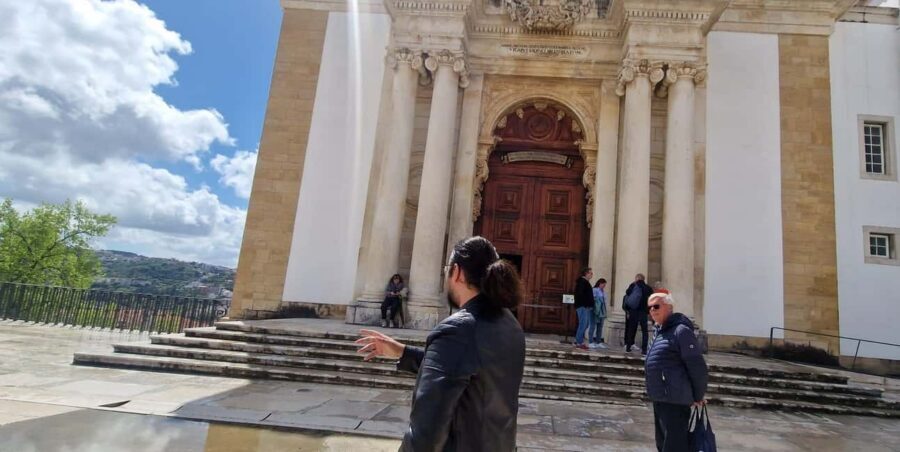
The tour begins and ends near the statue of King Dinis at Dom Dinis. That’s a smart choice because it gives you a fixed anchor point. Your guide will identify themselves by calling your names and the guides are associated with Portugal Cultural Experience.
The route is described as circular, so you’re not constantly backtracking. Instead, you walk a connected path through university spaces while the guide moves with you, building context as you go.
Wear comfortable shoes. Even though the pacing is guided, this is still a campus walk with multiple stops where you’ll want to linger for photos. Bring water and your camera, and remember flash photography isn’t allowed.
Stop One: The University of Coimbra Grounds and the Big-Picture Orientation
Your first extended stop is at the University of Coimbra area itself, with time for a photo moment, a guided walk, and sightseeing (about 30 minutes total here).
This is where I find a good guide earns their pay. Early on, you want a framework: what makes Coimbra Portugal’s oldest university in the 13th century, why it became prestigious, and how UNESCO recognition in 2013 fits into that story. When the guide sets that mental map, the later rooms stop feeling random.
Also watch for what the guide chooses to emphasize. Because this tour is private, you can steer the explanation—history-focused if you want, or more architecture and design if that’s your thing. If you’ve ever walked through a landmark and thought, I wish someone would connect the dots, this is the part that fixes that feeling.
Joanina Library: The Reading Room Moment That Changes Your Perspective
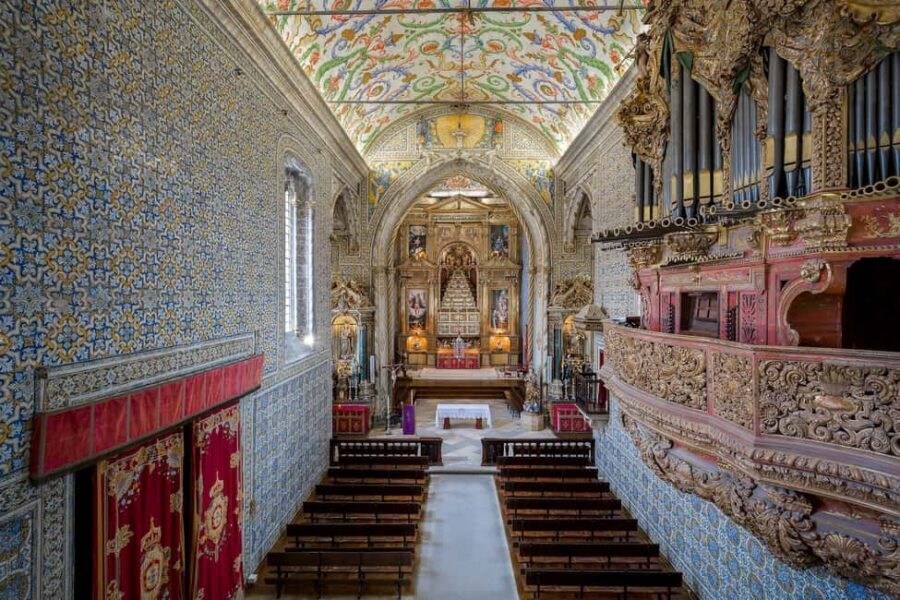
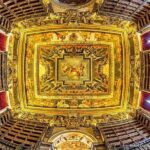
Next up is the Joanina Library (about 20 minutes, including photo, visit, guided time, and sightseeing). This is the stop most people picture before they arrive, and the reason is simple: it’s a space built to impress.
A guide helps you look past the obvious beauty. You’ll get context that turns the room from decoration into evidence—of academic culture, of how knowledge was housed, and of how the university’s prestige shaped what was valued and preserved.
If you care about details, this is also where you’ll likely ask the most questions. The library is the kind of place where people naturally wonder how scholars worked inside it, how access worked, and why this specific setting became iconic.
One practical upside of booking a guided tour: you can spend your attention on what’s in front of you instead of sorting ticket timing once you’re already there.
You can also read our reviews of more walking tours in Coimbra

Royal Palace of the University: Power, Ceremony, and Institutional Pride
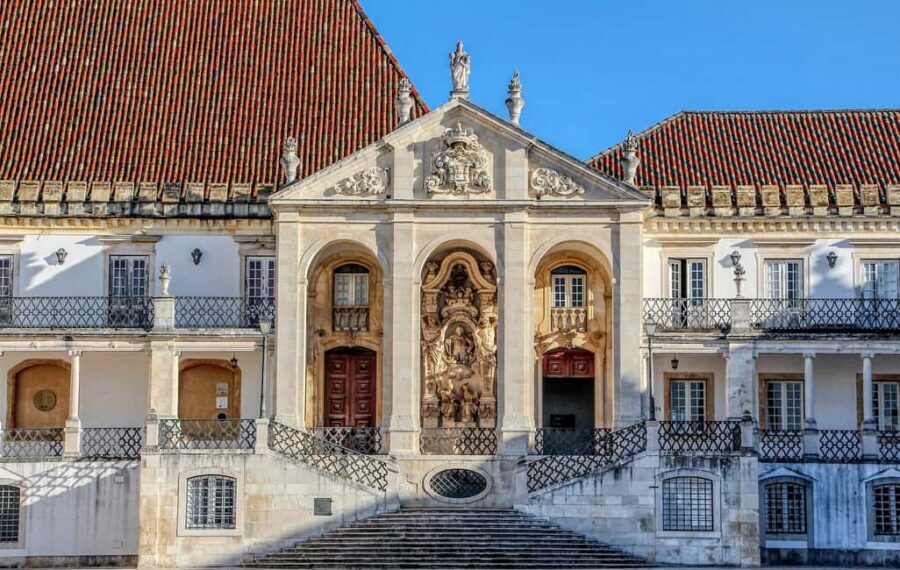
The Royal Palace stop (around 20 minutes) sits in the middle of the campus story. This isn’t just an attractive building. It’s where you can feel how authority and education overlapped.
A private guide’s job here is to explain why a palace belongs in a university narrative at all. You’ll also get help reading the spaces—what to notice, what it likely signaled, and how it fits the larger Coimbra identity.
This is a good moment to test your own interests. If you want more political history, ask about the people connected to the place. If you want design and symbolism, ask what features suggest status or function. The tour is meant to let you do that.
Chapel of São Miguel: Where Short Stops Can Still Feel Meaningful
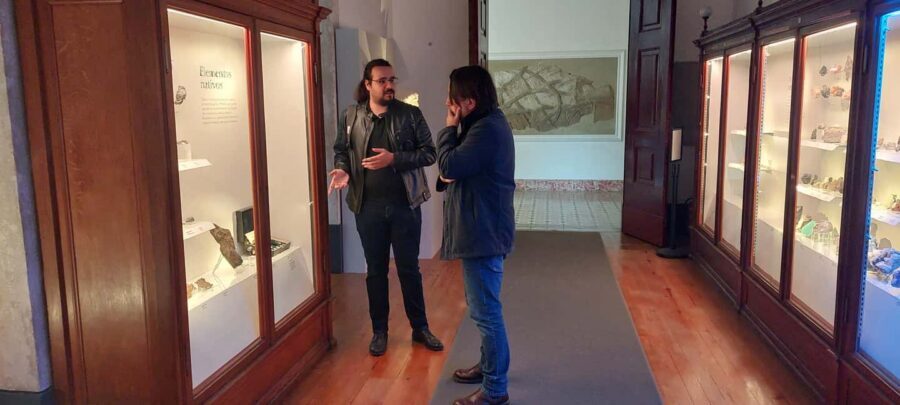
Then you’ll reach the Chapel of São Miguel (about 10 minutes). Ten minutes sounds quick, but for a chapel, that’s often enough time to understand the main features without turning it into a blur.
This stop is a nice pace reset. If the palace gives you institutions and the library gives you scholarship, the chapel connects learning to ritual, tradition, and the social world that surrounded university life.
Expect photo time plus guided explanation before you move on. If you’re someone who usually rushes through places of worship, let the guide slow you down just enough to notice what you’d otherwise miss.
Chemistry Laboratory: Early Science as a Real Part of Campus Life
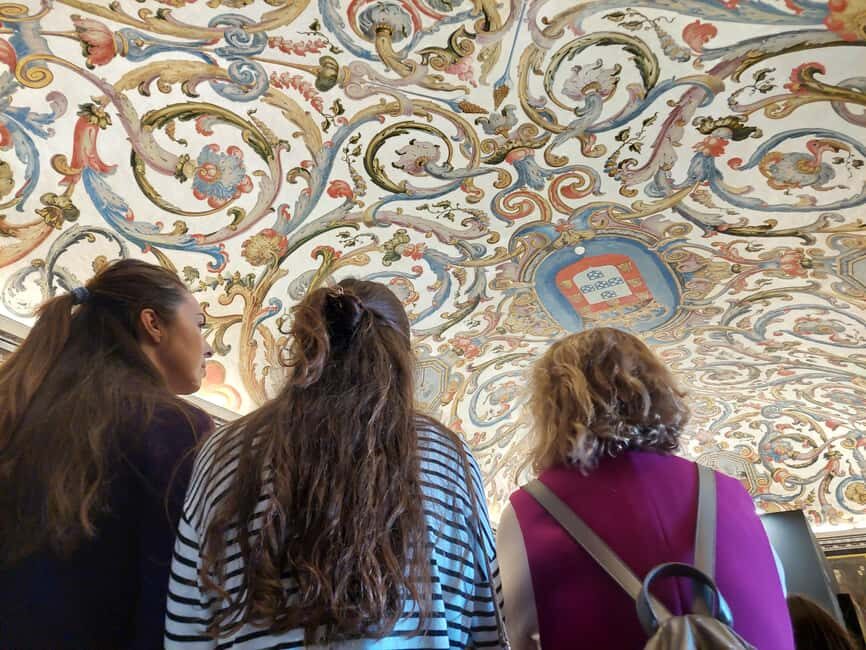
The Chemistry Laboratory is one of the more surprising stops (about 30 minutes). It helps because it breaks the pattern of “Coimbra = old buildings.” Instead, you see that this university wasn’t only about classics and manuscripts.
You’ll get guided context for what the laboratory represents and why it mattered in academic practice. Even if you’re not a science person, this kind of stop gives you a fuller picture of what universities were responsible for: training minds, advancing methods, and turning study into measurable progress.
This is also a great place to lean into curiosity. Ask what made the laboratory distinctive for its era and what you should look for in the space. A former-student guide tends to answer in a way that feels connected to the real institution, not like a generic script.
Cabinet of Curiosities: The Fun Stop Where Curiosity Was Policy
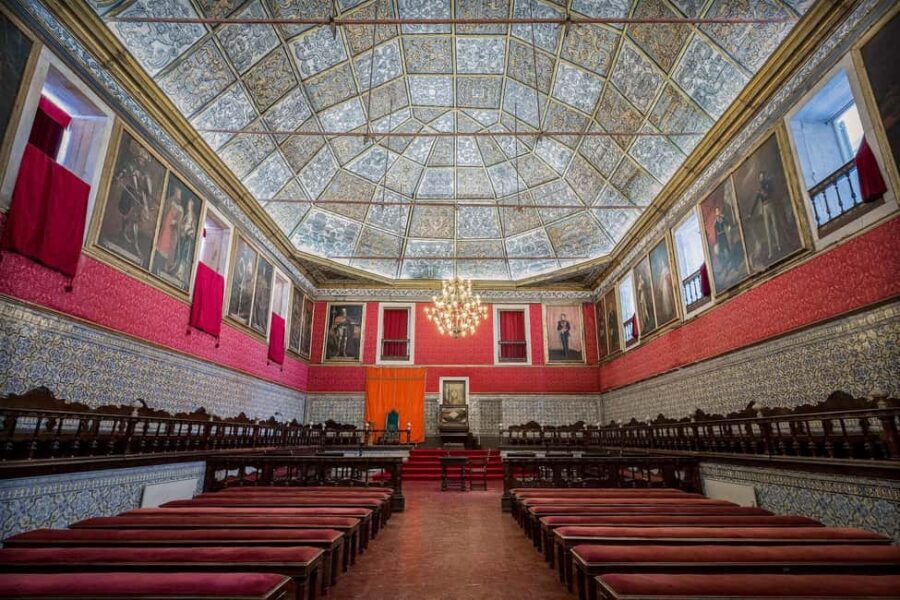
The Cabinet of Curiosities is next (about 30 minutes, plus a note that you’ll purchase the ticket in person). This is where the campus story turns playful, and I mean that in a good way.
A cabinet like this represents collecting as knowledge: objects gathered to study, compare, and explain. It can help you understand how scholars built understanding long before modern labs and databases.
Because you’ll handle a ticket in person, don’t assume it’s as smooth as the other included interiors. Still, the guided stop keeps it from becoming a hassle—you’ll know what to do when you arrive, and you’ll have context for why the collection matters.
If you’re traveling with someone who likes unusual museum formats, this is often the moment they remember most.
Academic Museum: Closing the Loop With Context
Finally, you’ll visit the Academic Museum (about 10 minutes). This stop works best as a wrap-up. After the library, palace, chapel, laboratory, and cabinet, the museum helps pull everything back into one coherent university story.
Think of it as your interpretive finishing layer: it gives you a way to connect the spaces you saw and the roles they played in Coimbra’s academic identity.
And because this tour returns to the Dom Dinis meeting point, you get a clear end to the experience. No wandering, no guessing where you are on the hill.
Who This Tour Fits Best (and Who Should Pick Another Option)
This private tour is ideal if you:
- Want UNESCO World Heritage interiors explained by a guide who studied in the system
- Care about more than photos and want meaning tied to the rooms
- Like walking at a steady pace without the pressure of a large group
It’s not suitable for people with mobility impairments or wheelchair users, since the experience is built around walking between multiple stops.
If you’re traveling solo, check your booking details carefully. One verified guest reported needing to book and pay for two people, so it’s worth confirming how the private arrangement is priced for a single traveler.
Practical Tips So You Enjoy Every Stop
A few small things make a big difference here:
- Bring comfortable shoes. This is a campus walk with multiple interior visits.
- Bring water. You’ll move between buildings and you don’t want to guess mid-tour.
- Bring a camera, but remember no flash is allowed.
- Keep the order of your day in mind. Since meals and drinks aren’t included, plan an easy lunch or snack before or after.
If you like to take photos, tell your guide early. Guides are often happy to work around your pace—extra time for key shots or a quicker pass if you prefer stories over pictures.
Should You Book This Private Coimbra University Tour?
If your goal is to see the University of Coimbra as a living institution—library to chapel to laboratory—you’ll likely love this private format. The best reason to book isn’t just the included tickets or the UNESCO label. It’s the chance to have a former-student guide explain what you’re actually standing in front of, and to adjust the story to what you care about.
I’d book it when you want a guided, efficient 2.5 hours with the main interiors covered and a route that avoids feeling chaotic. I’d think twice if walking is a challenge, or if solo pricing could be an issue for you without prior confirmation.