REVIEW · LISBON
Lisbon’s Post-Colonial Feast
Book on Viator →Operated by Culinary Backstreets Walks · Bookable on Viator
Food with a side of Portugal’s colonial past. This 5-hour Lisbon walk pairs post-colonial stories with street-level tastes, and the small group keeps the conversation real—even when the topic turns heavy. Our guide Celia frames the day with care as you move through central neighborhoods near public transport, starting at Praça do Chile.
One of my favorite parts is the food itself. You’ll sample chocolate, chorizo stew, and other regional dishes connected to Portugal’s former colonies, so the flavors aren’t just random stops.
One thing to consider: this tour tackles grim topics like slavery, repression, and exploitation, and it runs on foot in good weather. If you only want easy, feel-good snacks, you might find the theme emotionally intense.
In This Review
- Key Things to Know Before You Go
- Why This Lisbon Post-Colonial Feast Feels Different
- Starting at Praça do Chile: A Route That Gets You Oriented Fast
- Paço da Rainha: The First Taste of Context
- Campo dos Martires da Patria and Avenida da Fonte Luminosa: History as You Walk
- Jardim do Torel Bites: Where the Route Turns Into a Food Lesson
- Largo de Sao Domingos: Final Stops and Specialty Energy
- What You’ll Eat: Chocolate, Chorizo Stew, and Colonial-Era Links
- Price, Pace, and Logistics for a $150 Day
- Who Should Book This Tour (and Who Might Not)
- Should You Book Lisbon’s Post-Colonial Feast?
- FAQ
- How long is the Lisbon’s Post-Colonial Feast tour?
- What does the tour cost?
- Is the tour offered in English?
- How many people are in the group?
- Where is the meeting point, and does it end nearby?
- Do the stops have admission fees, and what if weather is bad?
Key Things to Know Before You Go
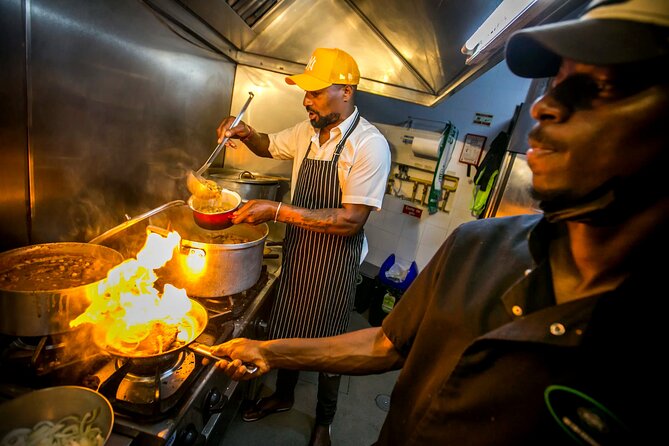
- Small group (max 7): easier chats, and the guide can respond to your questions instead of rushing you through.
- Food + history are paired on purpose: you learn why certain flavors made their way into Portuguese cooking.
- Chocolate and chorizo stew are front and center: you won’t leave with only theory and empty stomach.
- Central stops with free entry at the sights: each named stop has admission listed as free.
- English-language guide: offered in English, with mobile tickets for less hassle.
- Weather matters: it requires good weather, and plans adjust if it’s canceled for poor conditions.
Why This Lisbon Post-Colonial Feast Feels Different
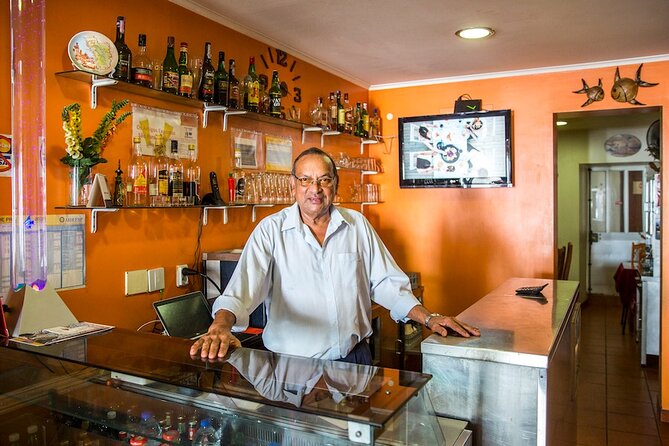
Lisbon has long been a city of mixing—people, languages, and food. This tour takes that idea and puts it under a microscope. You’ll still get a classic “walk-and-eat” format, but the guide keeps returning to one core theme: how Portugal’s colonial era shaped tastes, ingredients, and cooking habits on both sides of the connection.
I like that the day doesn’t treat history like wallpaper. The tour is structured so you’re eating as you learn, not eating after the fact. That matters because it helps you connect cause and effect: a dish isn’t just a dish. It’s a clue.
And the group size helps. With a maximum of seven people, you’re not stuck in “tour voice.” You can ask a question and get a direct answer, which is a big deal when you’re talking about slavery, repression, and exploitation. Celia’s role came through strongly in the feedback I saw: she explains the links clearly while staying respectful of the subject matter.
You can also read our reviews of more tours and experiences in Lisbon.



Starting at Praça do Chile: A Route That Gets You Oriented Fast
The tour meets at Praça do Chile 2 (1170 Lisboa). It starts at 11:00 am and returns to the meeting point at the end. That turn-back detail is practical: you’re not stuck hunting for a final bus or metro when you’re done and hungry.
The start location is also a plus for logistics. It’s listed as near public transportation, which is helpful in Lisbon, where streets can change character fast. You’re walking for about 5 hours (approx.), and each part of the route is set up like short chapters—so your legs stay busy, but you’re not stuck for hours without a stop.
Timing wise, 11:00 am is a smart choice. You’ll be able to eat at multiple points without hitting that awkward late-afternoon stage where food tours start to feel like triage.
Paço da Rainha: The First Taste of Context
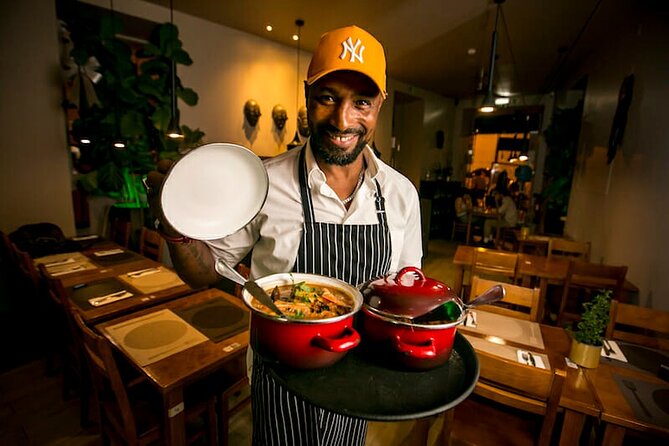
Your first stop is Paço da Rainha for about 45 minutes. Admission is listed as free for this stop. You’ll take in the sites as you start the day’s story, with the guide setting up the bigger theme of Portuguese influence beyond today’s borders.
This is a useful opening because it gives you a mental map before the menu gets serious. Lisbon is full of “I’ve seen this on a postcard” spots, but the tour isn’t only about what you recognize. It’s about understanding why Lisbon became what it is. Starting at a structured landmark helps you orient so you can follow the thread when the conversation gets more specific.
A practical note: this early segment is a good time to ask about what the day will focus on. The tour is designed to connect neighborhoods, colonial history, and regional foods. If you have dietary questions, it’s also a good moment to flag them early—before you get too far into the line of tastings.
Campo dos Martires da Patria and Avenida da Fonte Luminosa: History as You Walk
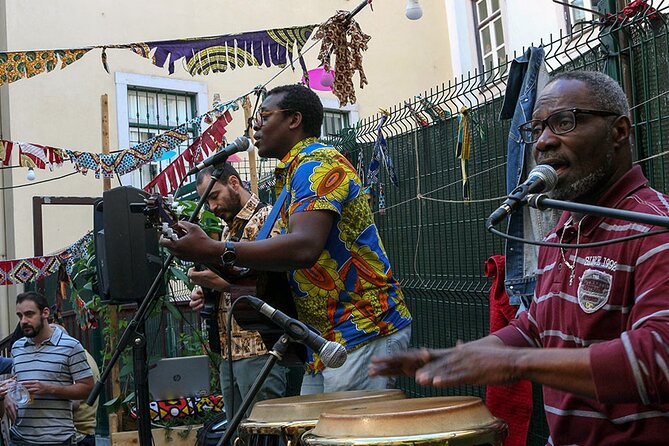
Next comes Campo dos Martires da Patria, again around 45 minutes, with free admission. This stop focuses on the history and culture of the city. Then you move on to Avenida da Fonte Luminosa for another 45-minute segment, where the guide discusses the theme of the day and helps connect the story to what you’re about to eat.
These two stops do a specific job: they shift you from “place viewing” into “pattern recognition.” The guide is essentially teaching you how Portuguese cuisine absorbed influences from former colonies, and why those influences matter. When you pair that with food tastings later, it’s easier to understand what you’re tasting and where it comes from—rather than treating it like a list of random samples.
One downside to expect here: the topic can feel heavy in the middle of a walk. But that’s also where the tour is doing its real work. You’ll learn about slavery, repression, and exploitation, and the guide keeps those facts tied to cultural outcomes, including food. If you need lighter breaks during emotional conversations, tell your group to slow down when you need to.
Jardim do Torel Bites: Where the Route Turns Into a Food Lesson
At Jardim do Torel, you get another 45 minutes and another free admission stop. The structure here is simple: the guide brings the theme into the next part of the day’s eating, so you’re not just walking for scenery.
This segment is a good “reset” because it’s tied to the next bite. Food tours often lose people when they become too lecture-heavy. This one does the opposite. It uses the route’s pace and frequent stops to keep the learning anchored in something tangible.
You might also hear how flavors and dishes link back to specific regions across the Portuguese sphere. Based on the feedback, dishes from places like Brazilian or Goan culinary traditions may be part of what you sample. If those sound unfamiliar to you, this is a smart reason to go anyway. It’s usually the non-obvious choices that teach you the most.



Largo de Sao Domingos: Final Stops and Specialty Energy
The last stop is Largo de São Domingos for about 1 hour, with admission listed as free. This is where the tour lands on specialties in the square.
Giving the final stop a longer time window is a smart design choice. By the end of a 5-hour tour, you’ve built context and appetite. The guide can take more time with the last round of food and discussion, and you can ask follow-up questions while the story is fresh.
This is also the moment to pay attention to how the flavors “fit” with what you learned earlier. The whole tour is trying to answer one question: how did Portuguese food become part of a wider story of movement, power, and adaptation? Largo de São Domingos is where that question stops being abstract.
What You’ll Eat: Chocolate, Chorizo Stew, and Colonial-Era Links
Let’s talk about the menu. The highlights call out chocolate, chorizo stew, and a wealth of regional delicacies. That already tells you the tour isn’t only about sweets or only about savory comfort food. You’ll likely get a mix that keeps you from getting food-fatigued.
I also like that the tour focuses on how dishes traveled and changed. This is the part where a food tour can turn into storytelling you actually remember. When the guide talks about Portugal’s interactions with former colonies, you’re not just hearing a timeline. You’re seeing how those interactions can show up on a plate years later.
One practical point: because the day includes tastings across multiple stops, you’ll want to come hungry. But don’t expect a “one size fits all” menu. You might find that specific restaurant stops can change depending on what’s open, and the guide’s job is to keep the day flowing so you still get the range of colonial and Portuguese influences.
If you’re the type of person who thinks, I know Portuguese food. Then you’ll probably enjoy this even more. The route nudges you toward flavors that aren’t always the first thing you associate with Portugal.
Price, Pace, and Logistics for a $150 Day
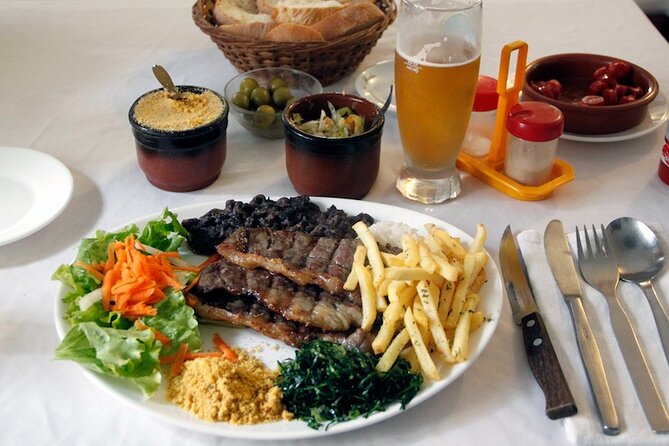
The cost is $150.00 per person for about 5 hours. For Lisbon, that puts the tour in a “serious experience” category—not just a quick snack crawl. Here’s why it can feel like value.
First, you’re paying for more than food. You’re paying for translation between food and history. That’s what most cheap tours don’t do well: they feed you but don’t explain why the foods exist in the first place.
Second, the small group size (maximum seven) matters. In a big group, you spend most of the day waiting. Here, you’re more likely to actually talk—especially since the subject includes slavery, repression, and exploitation, which requires care and clear explanations.
Third, the tour lists mobile tickets and free admission at the named stops. That reduces “hidden” costs and time sinks.
The pace is another part of the equation. You’ll walk from stop to stop with segments of about 45 minutes, plus a longer final hour. If you have mobility limits, you might still be able to join since the tour says most travelers can participate—but plan for steady walking.
Who Should Book This Tour (and Who Might Not)
I think this tour is a strong match if you want Lisbon food with context. You’ll like it if you’re curious about how colonial-era connections show up in cuisine and if you prefer learning through tasting rather than through museum walls.
It’s also a good fit if you enjoy smaller groups and hate standing around in a crowd while someone points vaguely at a menu board.
You might skip it if you want a purely light food day. The tour’s theme includes grim topics—so it’s not only about comfort food and sightseeing. You should be ready for that emotional tone.
Should You Book Lisbon’s Post-Colonial Feast?
Yes—if you want a food tour that takes Portugal’s connections seriously and ties them directly to what you eat. The small group size, the clear pairing of tastings with post-colonial context, and the specific food highlights like chocolate and chorizo stew make it more than a generic “eat your way through Lisbon” outing.
Book it with the right expectations: you’re spending the day walking, eating, and learning about exploitation and repression as part of the cultural story. If that feels meaningful to you, this tour is worth your time—and your appetite.
FAQ
How long is the Lisbon’s Post-Colonial Feast tour?
It lasts about 5 hours (approximately).
What does the tour cost?
The price is $150.00 per person.
Is the tour offered in English?
Yes, the tour is offered in English.
How many people are in the group?
The maximum group size is 7 travelers.
Where is the meeting point, and does it end nearby?
You meet at Praça do Chile 2, 1170 Lisboa, Portugal, and the activity ends back at the meeting point.
Do the stops have admission fees, and what if weather is bad?
Admission tickets for the listed stops are marked as free, and the tour requires good weather. If it’s canceled due to poor weather, you’ll be offered a different date or a full refund.