REVIEW · LISBON
Lisbon: Surf Experience at Costa da Caparica
Book on GetYourGuide →Operated by Portugal Surf School · Bookable on GetYourGuide
First time on a wave can happen fast. This 2-hour beginner surf experience from Portugal Surf School in Costa da Caparica teaches the basics on land, then moves you into safe, shallow water with certified instructors. What makes it click is the mix of hands-on coaching and lots of time to actually try, even if you are starting from zero—plus the team’s friendly vibe (names like Ari, Lewis, Lucas, Pedro, and Catarina show up often in instructor feedback).
I especially like the clear progression: warm-up and technique on the beach (paddle, pop-up, balance, and safety rules), then guided practice in the water so you can stand up and ride a few waves. The equipment is handled for you—surfboard, wetsuit, and an instructor qualified by the Portuguese Surf Federation—so you can focus on learning instead of logistics.
One consideration: this lesson is not for tiny kids or very elderly participants (it is not suitable for children under 4 or people over 95). Also, there is no hotel pickup, so you’ll want to plan your own arrival to the Costa da Caparica meeting point.
In This Review
- Key Highlights to Know Before You Go
- Getting to Portugal Surf School in Costa da Caparica (and why it matters)
- What Happens in the 2-Hour Beginner Lesson (the real learning flow)
- Gear check, wetsuit time, and getting comfortable
- Beach warm-up: the basics before you get hit by reality
- Shore practice: building muscle memory
- In the water: safe, shallow practice with hands-on guidance
- Wrap-up: relax, chat, and let it sink in
- How Value Really Adds Up for $35 (2 hours, gear, coach, insurance)
- The Best Time to Go (and how to avoid common beginner mistakes)
- Who This Surf Lesson Fits Best (and who should skip it)
- Making the Most of Your 2 Hours (small choices that improve your results)
- Should You Book This Lisbon Surf Experience at Costa da Caparica?
- FAQ
- How long is the surf experience?
- Where do I meet for the lesson?
- What is included in the price?
- What should I bring?
- What languages are offered for the instruction?
- Is the surf lesson suitable for kids?
- Is it okay to cancel last minute?
Key Highlights to Know Before You Go
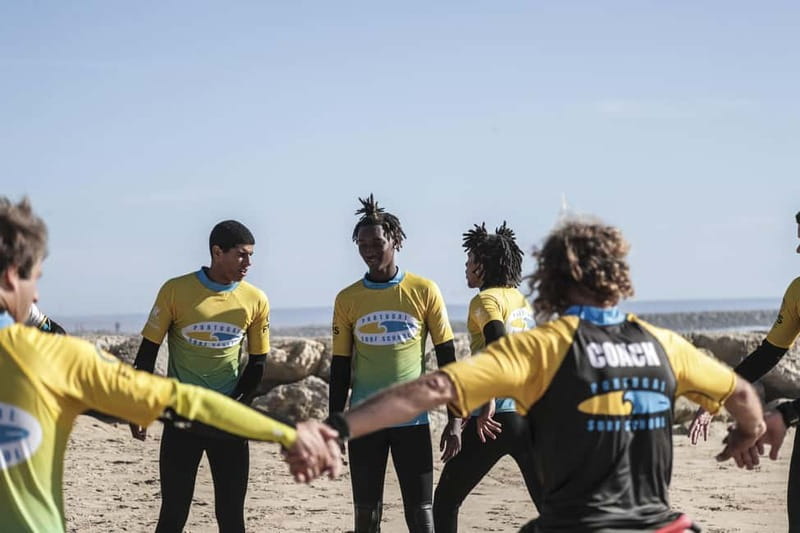
- Beginner-ready structure: warm-up, surfing fundamentals, then short guided water practice in a safer zone
- Qualified instructors + insurance: you learn with an instructor qualified by the Portuguese Surf Federation and covered by insurance
- All equipment included: board and wetsuit are provided, plus a towel is what you bring
- Multilingual coaching: instruction available in English, Portuguese, French, and Spanish
- Personal feedback energy: many sessions feel small enough that you get corrections while learning, not just a one-time lecture
- Costa da Caparica surf culture nearby Lisbon: you get a real Atlantic beach lesson without leaving the Lisbon area
Getting to Portugal Surf School in Costa da Caparica (and why it matters)
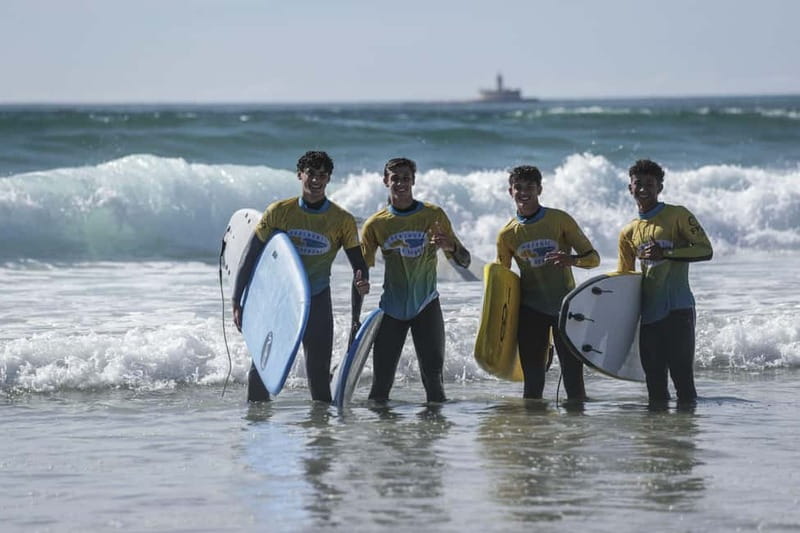
Your lesson starts at Portugal Surf School in Costa da Caparica. Costa da Caparica is one of the easiest places near Lisbon to get real surf time without building a whole day around transport. You are trading complicated planning for a focused session: show up, get geared up, learn, then get wet.
Since there’s no hotel pickup or drop-off, the biggest practical question is simply how you’ll get there. If you are staying in central Lisbon, give yourself a little buffer for transit and parking (if you drive). You’ll be glad you did when you’re wearing a wetsuit and trying to keep your energy for the waves.
The staff language options are a quiet plus: you can choose lessons taught in English, Portuguese, French, or Spanish. That matters for beginners, because small technique corrections are much easier to absorb when you fully understand what the instructor is saying.
You can also read our reviews of more tours and experiences in Lisbon.



What Happens in the 2-Hour Beginner Lesson (the real learning flow)
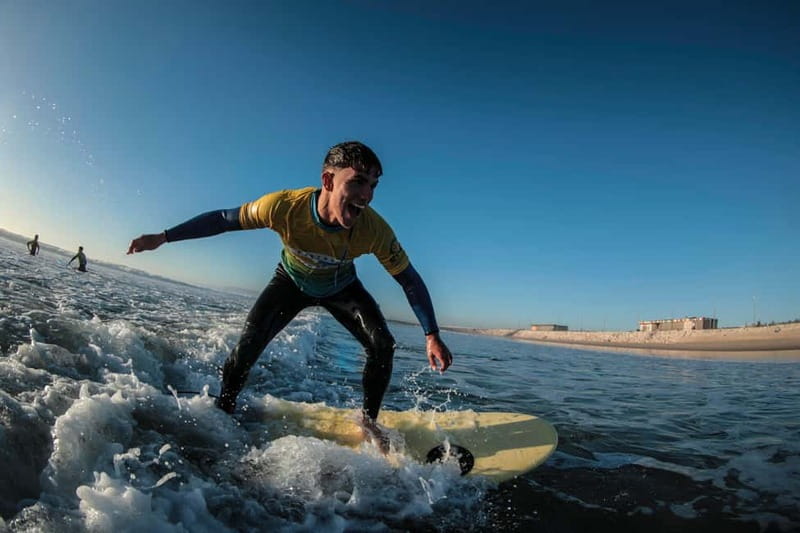
This is built like a tight, beginner-friendly skill course. In two hours, the goal is not perfection. The goal is confidence: knowing what to do, then doing it repeatedly enough to improve quickly.
Gear check, wetsuit time, and getting comfortable
When you arrive, the school provides the essentials: surfboard and wetsuit. Having this handled is a big value factor, because buying or renting on your own can be annoying and unpredictable. It also means instructors can help you with fit and readiness so you spend less time fixing gear and more time learning.
Bring a towel. That sounds small, but it’s the difference between feeling fine after your session and shivering while you regroup.
Beach warm-up: the basics before you get hit by reality
Before the water, you’ll do a warm-up on the beach and then learn fundamental skills. Expect instruction on:
- how to paddle
- how to pop up (standing mechanics)
- how to maintain balance
- the safety rules you need to know before you get in the lineup
This part is more important than most people realize. Surfing is not just about strength—it’s about timing and positioning. When you understand what the board is doing and what you should be doing, the water part feels less chaotic.
Shore practice: building muscle memory
After the warm-up, you practice the basics on land. This is where you start linking the sequence: paddle → prepare → pop-up → balance. You also learn how instructors communicate corrections, which helps you translate quickly once you’re in the surf.
This is also the moment you’ll probably notice how instructors teach. In feedback for this school, you see lots of praise for coaches who give clear explanations and encouragement. Names that come up include Ari, Lewis, Lucas, Pedro, and Catarina—so if you care about learning style, you can watch for the instructor who matches your vibe.



In the water: safe, shallow practice with hands-on guidance
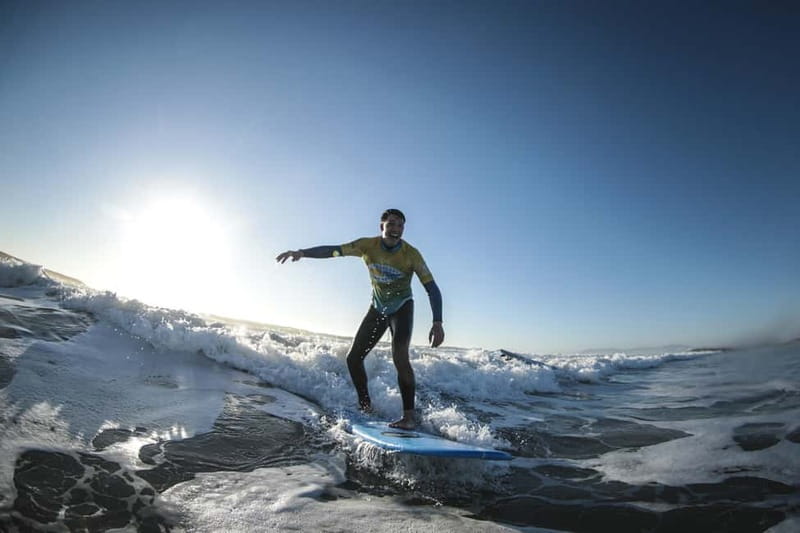
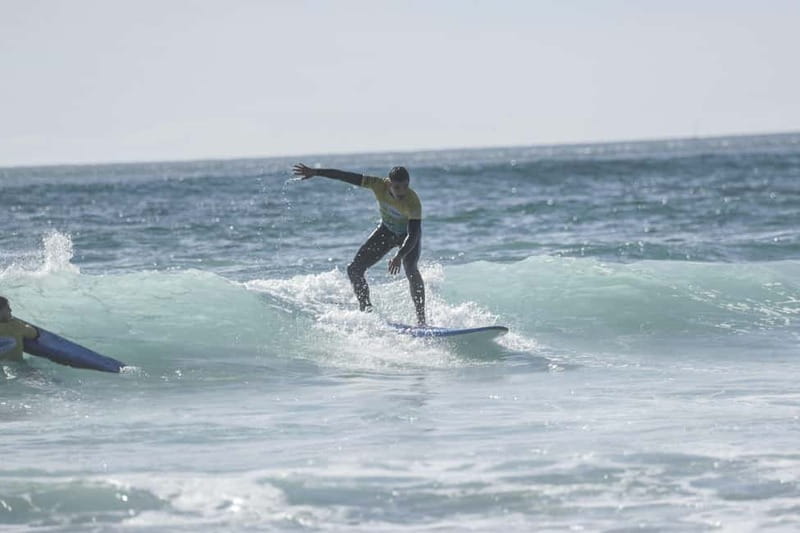
Then comes the fun part: into the water. In a beginner lesson like this, you’re not thrown into deep, heavy surf. You’re guided into a safe, shallow area, with instructors right beside you.
You should expect:
- real-time tips on paddling technique
- guidance as you catch your first waves
- encouragement when you wipe out (because you will, at least once)
The best beginner surf lessons create “success moments.” Even if you don’t stand up immediately, you should feel you’re progressing: trying again, getting adjustments, and noticing the difference.
That is also why your first waves matter. You’re not just getting thrills—you’re training your coordination so the next wave is easier.
Wrap-up: relax, chat, and let it sink in
When the session ends, you can relax on the beach, chat with other surfers, and ask follow-up questions. This downtime is worth something. You walk away thinking through what happened: what worked, what didn’t, and what you want to change next time.
How Value Really Adds Up for $35 (2 hours, gear, coach, insurance)
At around $35 per person for 2 hours, this lesson is priced like a practical, try-it-now activity. The big value is not just the price tag—it’s what you get built into it.
You’re included for:
- surfboard
- wetsuit
- an instructor qualified by the Portuguese Surf Federation
- insurance
What you are not getting (so plan for it):
- hotel pickup/drop-off
- photos
If you were to rent gear and arrange coaching separately, you’d likely spend more and accept more uncertainty about equipment quality and instruction time. Here, the school handles the gear and staffing, and you get focused instruction designed for beginners.
If you want photos, ask in advance about what’s available. The only guarantee from the info you have is that photos are not included, so you’ll want to be proactive if images matter to you.
The Best Time to Go (and how to avoid common beginner mistakes)
You’re in Costa da Caparica, so conditions can change with tide and wave strength. Since you’re a beginner, your main goal is to show up when the conditions support first-wave learning.
A useful signal from real lesson experiences: instructors sometimes adjust the session time based on actual tide and waves. That’s a good sign. It means the school pays attention to conditions rather than running a fixed routine no matter what.
What you can control:
- Arrive on time so you don’t rush wetsuit and warm-up.
- Bring your towel so you can actually enjoy the cool-down instead of rushing away.
- Listen for safety rules and follow them. Surfing is fun, but it has hazards, and the whole point of a beginner lesson is doing it safely.
Beginner mistakes to watch for:
- Overthinking the pop-up. You’re building a sequence, not performing a gymnastic trick.
- Charging paddling like a sprint. Most beginners tire out too fast; your job is steady, efficient paddle technique.
- Ignoring the instructor once you get excited. The moment you stand up is the moment you need the next correction most.
Who This Surf Lesson Fits Best (and who should skip it)
This is clearly aimed at beginners, especially people who want their first surf experience to be guided and safe.
It’s a great fit if:
- you want to learn basics like paddling and pop-up with corrections
- you like a structured lesson plan instead of wandering the beach guessing
- you’re comfortable getting into the ocean with instructors close by
It’s not suitable for:
- children under 4
- people over 95
If you’re in the “I’m nervous but I want to try” category, this is usually the right kind of experience. Many lessons include lots of encouragement and repeat tries, which helps you get over that early fear of being on the board.
Making the Most of Your 2 Hours (small choices that improve your results)
You’ll get more from the session if you show up ready to learn, not just ready to watch.
- Ask questions early. Before you hit the water, it’s the easiest time to clear up confusion.
- Watch how instructors correct you. Good coaching is usually repeated feedback: paddle posture, board angle, timing.
- Treat wipeouts as data. If you wipe out, you just learned what not to do this time. The best part of surf lessons is that you can try again immediately.
- Keep your body warm after. Your wetsuit time ends, and the wind can be chilly. Having a towel helps you reset fast.
If you’re traveling with friends, this is also a friendly kind of activity. The instruction model can handle different skill levels within a group, and many people report getting individual feedback while learning.
Should You Book This Lisbon Surf Experience at Costa da Caparica?
If you want a beginner surf lesson near Lisbon that includes gear, qualified instruction, and a guided path from beach warm-up to shallow-water practice, I think it’s a strong booking choice.
Book it if:
- you are new to surfing and want a structured lesson
- you’d rather pay for coaching than self-teach
- you want a fun Atlantic experience without needing special equipment
Consider something else if:
- you can’t get to Costa da Caparica on your own (no pickup is offered)
- you need included photos for a special event (photos are not included)
- you fall outside the stated age suitability
If you’re on the fence, this is the kind of activity where the only real regret is not trying it. With the setup here—wetsuit, board, safety-focused coaching, and lots of practice time—you’ll leave with real progress, not just a souvenir story.
FAQ
How long is the surf experience?
The duration is 2 hours.
Where do I meet for the lesson?
You meet at Portugal Surf School in Costa da Caparica.
What is included in the price?
The experience includes a surfboard, a wetsuit, a surf instructor qualified by the Portuguese Surf Federation, and insurance.
What should I bring?
Bring a towel.
What languages are offered for the instruction?
The instructors speak English, Portuguese, French, and Spanish.
Is the surf lesson suitable for kids?
No, it is not suitable for children under 4 years old.
Is it okay to cancel last minute?
You can cancel up to 24 hours in advance for a full refund.