REVIEW · LISBON
LISBON : EXPLORE OLD TOWN ALFAMA BY ELECTRIC TUK TUK
Book on GetYourGuide →Operated by Johnny's Tuk Tuk Delight · Bookable on GetYourGuide
Lisbon’s hills get easier with electric wheels. This old-town Alfama tour strings together Lisbon’s best viewpoints, its oldest church, and the roots of fado—without you grinding up every steep street on foot.
Two things I’d personally prioritize here: top viewpoint photo stops like Santa Luzia and Portas do Sol, and comfortable hill access via an electric Tuk Tuk (or quad) plus shortcuts and elevator options. One consideration: there’s still some walking, including a short wander in Alfama, so comfortable shoes matter.
In This Review
- Key highlights you’ll feel right away
- How the electric Tuk Tuk changes Alfama (for the better)
- Starting at Time Out Market: a smart first move
- Praça do Comércio: river views and the big Lisbon reveal
- Sé Cathedral: start your history with Lisbon’s oldest church
- Santa Luzia and Portas do Sol: classic views without the marathon
- Miradouro da Senhora do Monte: 180 degrees of perspective
- São Vicente de Fora: royal ties and monastery mood
- Feira da Ladra: antiques, vintage finds, and character
- National Pantheon: a big name stop with a quick walk
- Mercado de Santa Clara and the Fado Museum area: culture you can feel
- Alfama on foot: the short wander that makes the district click
- Who this tour is best for (and who should skip it)
- Price and value: is $41 per person worth it?
- What to do before and after your Tuk Tuk ride
- Should you book Johnny’s Tuk Tuk Delight in Alfama?
- FAQ
- Where does the tour start?
- How long is the tour?
- Is food included?
- What does the price include?
- Are entrance fees included?
- Does the tour skip the ticket line?
- Is it a private tour?
- Can I bring a pet?
- FAQ
- Is the tour free to cancel?
Key highlights you’ll feel right away
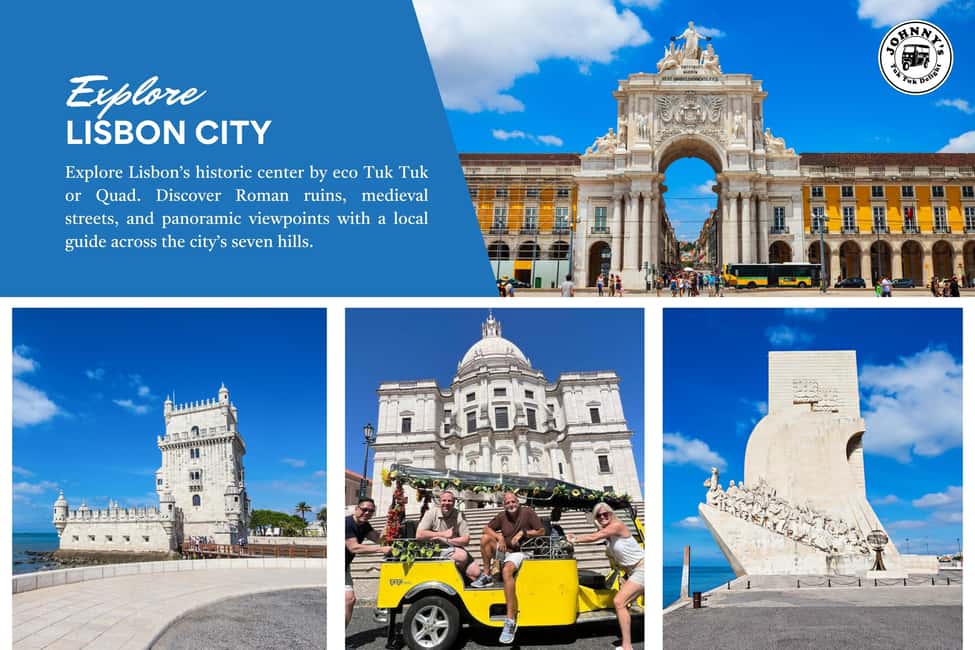
- Electric Tuk Tuk hill help keeps the trip fun instead of sweaty
- Sé de Lisboa gives you real historic context fast at Lisbon’s oldest church
- Santa Luzia + Portas do Sol deliver classic red-roof views over the Tagus
- Miradouro da Senhora do Monte adds a wide 180-degree city panorama
- Fado Museum and Fado-area stops connect the music to everyday Lisbon life
- Guides who take your photos (you may meet friendly folks like Amir, Tabnir, Hassan, or T) so you don’t have to juggle your camera all day
How the electric Tuk Tuk changes Alfama (for the better)
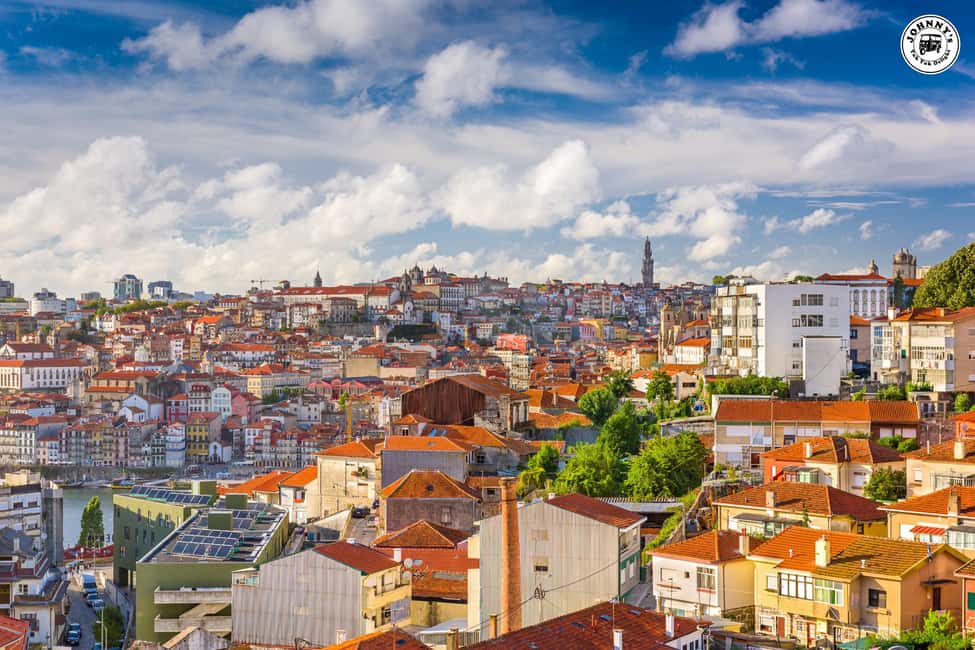
Alfama is Lisbon’s oldest and most iconic district, but it’s also a maze of narrow lanes and big elevation changes. The whole point of doing this by electric Tuk Tuk (or quad) is that you get the area’s drama—steep streets, tight turns, sudden view corridors—without burning your legs before lunch.
You’ll get a knowledgeable guide who keeps the story going while you travel. That matters in Lisbon because the best parts aren’t just the big landmarks. It’s the little transitions: one street that suddenly reveals a river view, a square that feels ceremonial, then a turning point where the neighborhood’s character snaps into focus.
The tour also uses hidden shortcuts and elevator access, which is a practical detail you’ll appreciate once you see how Lisbon’s street network works. Instead of following every staircase to the top, you can focus on the sights.
You can also read our reviews of more tours and experiences in Lisbon.

Starting at Time Out Market: a smart first move
Most Lisbon mornings start with a plan. This one starts with Time Out Market Lisboa, a central hub that’s easy to find and packed with local food culture. Even if you don’t plan to eat immediately, it’s a great way to orient yourself.
From there, you’re on a guided route that quickly moves you from the modern energy of the market to older Lisbon layers. That shift is part of the fun: you go from ordering snacks and browsing stalls to seeing why people built grand squares and cathedrals here in the first place.
Praça do Comércio: river views and the big Lisbon reveal
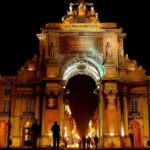
A pass by Praça do Comércio is a classic move for a reason. It’s Lisbon’s largest and most important square, and its open space makes the city’s scale feel real. You get the grand arches, the sense of ceremonial space, and a feel for Lisbon’s relationship with the Tagus River.
Photo-wise, this is one of those spots where you stop thinking in detail and start thinking in composition. Big lines, wide sky, and water in the frame help you understand how Lisbon looks when you’re not only seeing it from rooftops.
Sé Cathedral: start your history with Lisbon’s oldest church
Then comes Sé de Lisboa (Lisbon Cathedral). This is the oldest church in the city, and the guide will connect its Romanesque architecture and religious importance to the way Lisbon developed over time.
Why I like starting here: it gives you an anchor. After you see Sé, the rest of the stops make more sense—viewpoints that feel strategic, monasteries that explain royal ties, neighborhoods that show how daily life evolved around power and faith.
It’s a quick stop (around five minutes), but it’s the kind of short visit that pays you back later when you notice architectural details and street patterns.
Santa Luzia and Portas do Sol: classic views without the marathon
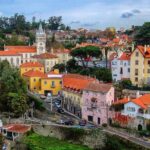
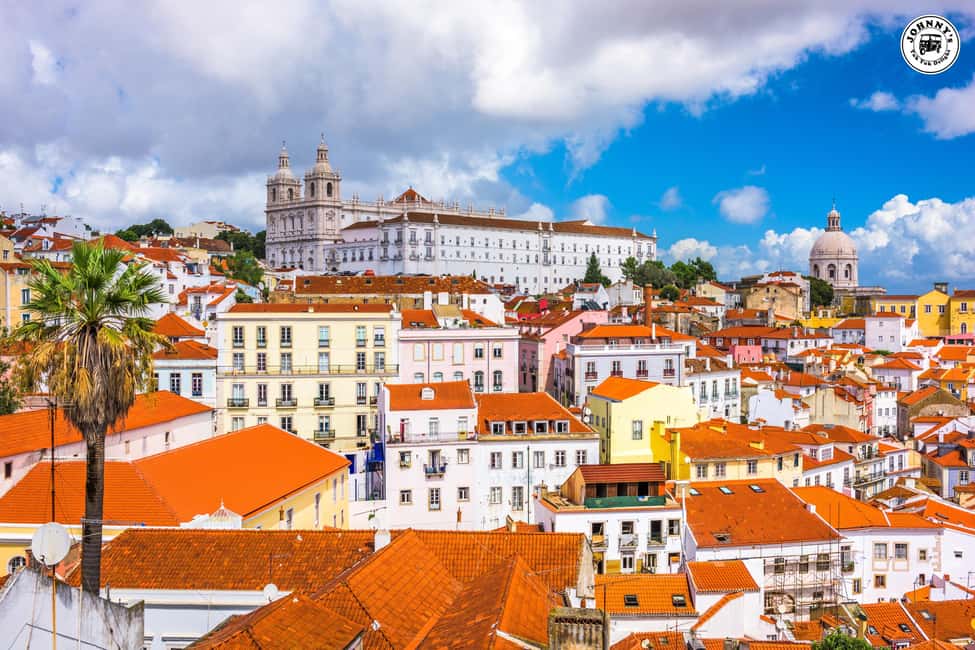
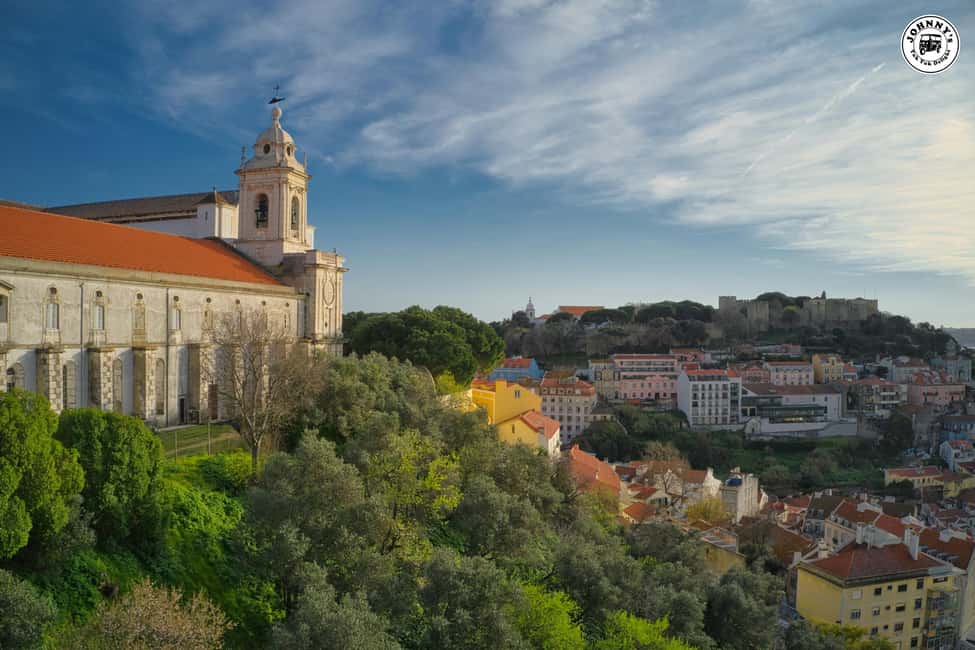
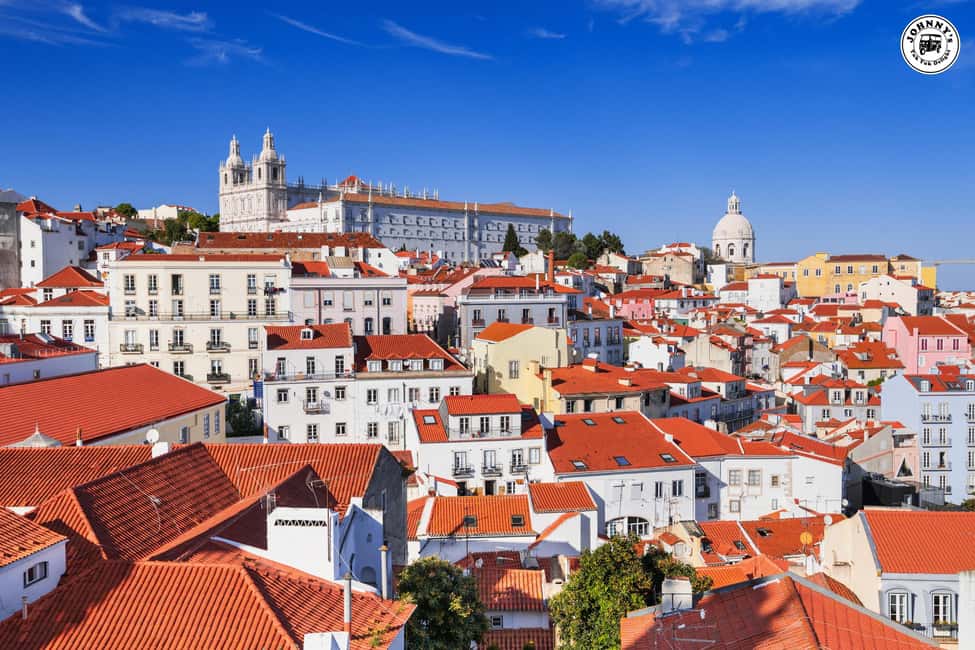
Next you hit the viewpoints everyone wants: Santa Luzia and Portas do Sol. These are among Lisbon’s most visited photo spots, and that popularity is earned. Expect red-roofed buildings tumbling toward the river and the old-town texture that makes Alfama feel like its own little world.
This is where electric transport earns its keep. Instead of walking every steep segment to catch the same angles, you can arrive feeling fresh enough to actually enjoy the moment—then get back on the Tuk Tuk and keep going.
The guide handles the “where do we stand?” problem with photo stops and commentary, so you spend less time hunting for angles and more time looking.



Miradouro da Senhora do Monte: 180 degrees of perspective
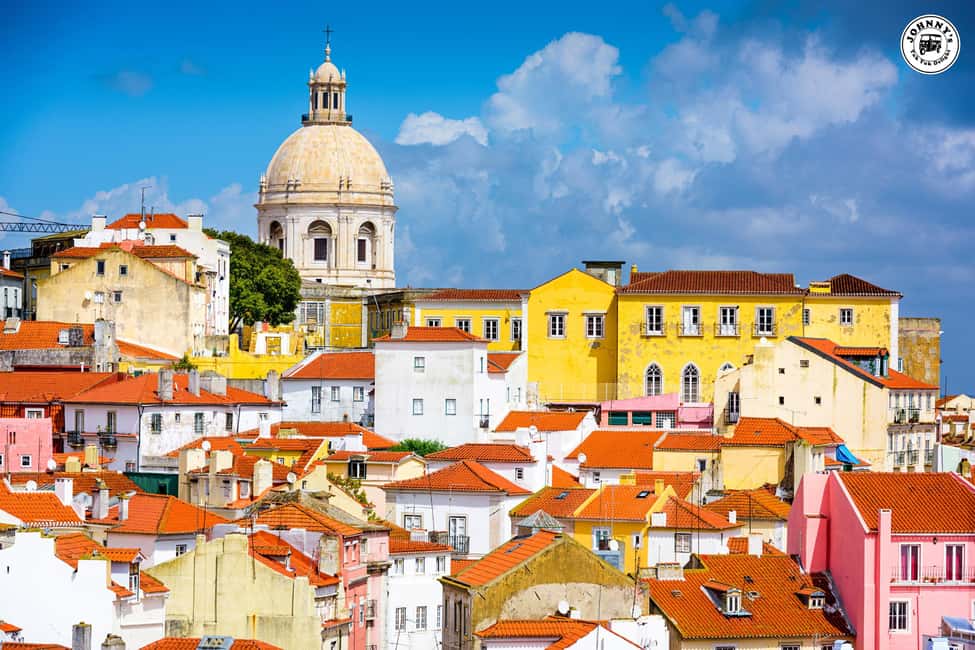
You’ll climb further to Miradouro da Senhora do Monte, described as Lisbon’s highest viewpoint, with a 180-degree panoramic view covering both old and newer parts of the city.
This stop changes your understanding of Lisbon in minutes. From up high, Alfama doesn’t look like a random tangle of streets—it looks like a district with edges, routes, and logic. You also get a sense of where Lisbon’s neighborhoods spill and how the city expands.
It’s a photo moment, yes, but it’s also orientation. Once you’ve seen the spread from here, the rest of your walking feels less random.
São Vicente de Fora: royal ties and monastery mood
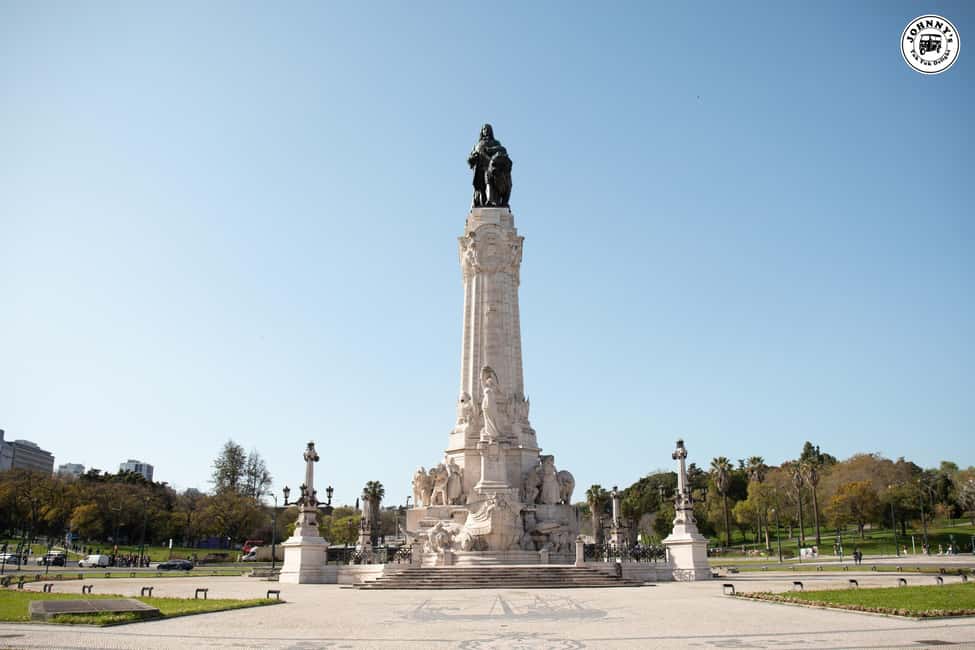
Then you’ll pass the Church of São Vicente de Fora, a 17th-century monastery connected to Portugal’s royal family (members of the royal family were married there). Even if you only spend a short time, the guide’s context helps you read the place correctly—this isn’t just another church stop. It’s a statement of power, tradition, and long-term influence.
Lisbon does this well: it doesn’t separate religion, politics, and daily life into tidy categories. You feel that blend as the tour moves from grand architecture to neighborhood texture.
Feira da Ladra: antiques, vintage finds, and character
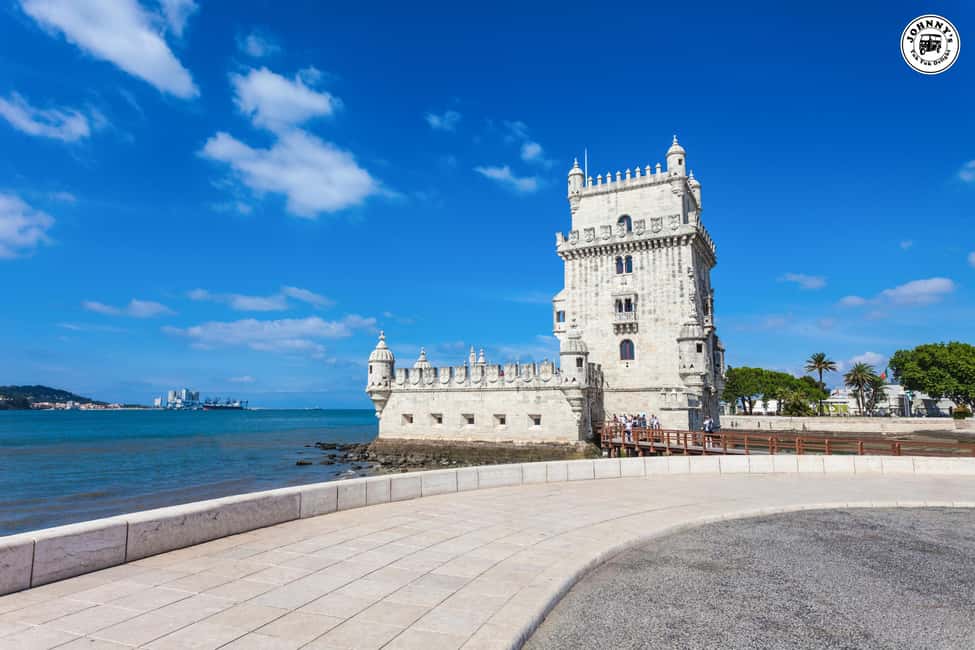
Nearby you’ll pass Feira da Ladra, Lisbon’s famous flea market. Historically it was known as the Thieves’ Market, and the nickname alone tells you the tone: chaotic energy, bargain hunting, and a little bit of underdog charm.
In a tour like this, the benefit isn’t buying. It’s understanding that Lisbon’s culture includes everyday commerce—people trading, collecting, and repurposing. That’s part of why Lisbon gifts and local shopping feel meaningful once you’re in Alfama.
National Pantheon: a big name stop with a quick walk
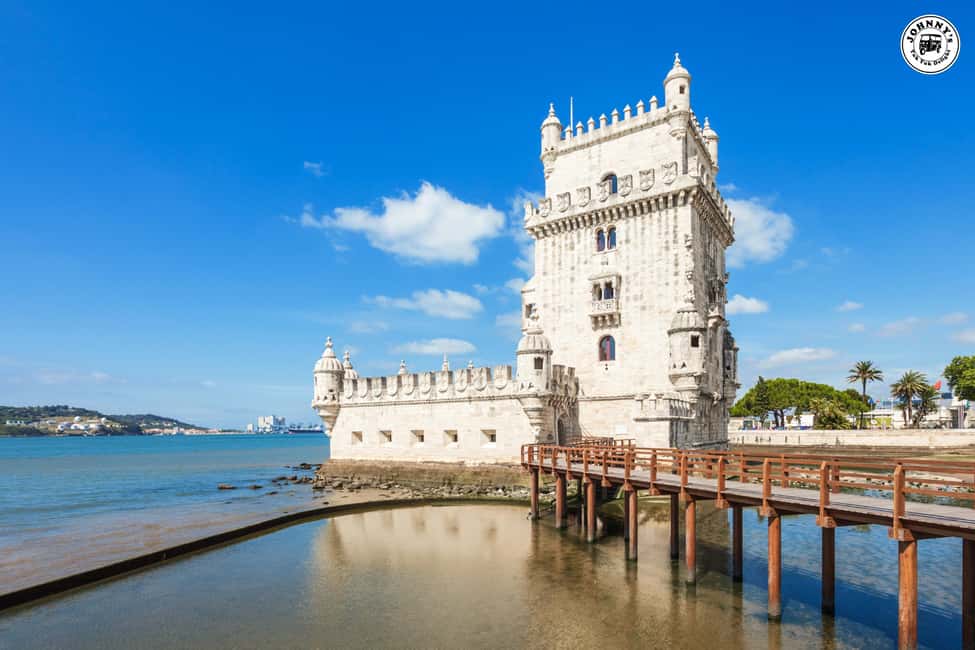
You’ll also see the National Pantheon of Santa Engracia. The tour includes a short photo stop and guided info, with a small walk segment.
This is one of those “big Portugal” locations that makes your day feel more than just scenic. You’re not only chasing views; you’re learning how important figures are honored and how Lisbon frames national identity in architecture.
Mercado de Santa Clara and the Fado Museum area: culture you can feel
As you move toward Alfama, the route includes pass-by moments like Mercado de Santa Clara and guided stops connected to the Fado Museum.
Fado isn’t just a genre you listen to in a restaurant. It’s tied to place—stories, family routines, neighborhood gathering spaces, and the emotional tone of old streets. When the guide brings you to the museum area and ties it to what you’ll see in Alfama, you start to understand why fado feels rooted, not staged.
Alfama on foot: the short wander that makes the district click
Finally, you arrive in Alfama and enjoy a short walking tour through its narrow streets. This is where the neighborhood stops being a set of stops and becomes a place.
You’ll notice details like:
- colorful homes with character-driven facades
- street-level texture that feels lived-in
- typical Alfama scenes such as hanging laundry
- small lanes that force slower attention
This is also where you’ll get ideas for local restaurants that offer live fado shows, plus time around the Fado Museum area and nearby gift shops.
If you like buying souvenirs that aren’t mass-made, this is a good moment to look for handmade items. Alfama’s shops tend to feel more personal because the streets are intimate and the shopping is less about a global chain feel.
Who this tour is best for (and who should skip it)
This is ideal if you want:
- a first-time Lisbon introduction that covers key landmarks and viewpoint classics
- a way to see Alfama without turning the day into a full-on hill climb
- a guided route with photo stops planned for you
- an experience that balances history and neighborhood feel
It may not fit if:
- you’re pregnant (not suitable for pregnant women, per the activity rules)
- you expect zero walking. There are short walking portions, including a wander in Alfama and a small walk near the Pantheon area.
Price and value: is $41 per person worth it?
At $41 per person, the value mostly comes from what’s bundled:
- a private tour with a local expert guide
- electric Tuk Tuk/quad transport
- historical commentary throughout
- multiple viewpoint photo stops
- shortcuts and elevator options to reduce wasted climbing
- multilingual support (English and Portuguese)
- pickup from the central meeting point
- skipping the ticket line (where applicable)
Entrance fees, food, and drinks aren’t included, so you may still spend extra if you choose to enter monuments. But for many people, that’s a fair trade: you’re paying for guidance, time efficiency, and getting from viewpoint to viewpoint in a way that feels comfortable.
If your travel style is “see the highlights, then linger on what you love,” this price structure makes sense.
What to do before and after your Tuk Tuk ride
A few practical moves will make your day smoother:
- Wear comfortable shoes. You’ll do short walking segments, even if most travel is by electric Tuk Tuk.
- Bring a light layer. Lisbon viewpoints can feel breezy compared to street level.
- Plan a second stop right after the tour for lunch or a fado show suggestion. The guide’s restaurant recommendations help you turn the day into a longer story, not just a checklist.
If you want the day to keep going, consider using Alfama shopping time to find gifts and small craft items while the neighborhood is still fresh in your mind.
Should you book Johnny’s Tuk Tuk Delight in Alfama?
Yes, book it if you want an efficient, comfortable way to see Lisbon’s oldest district and its best viewpoint photography—especially if you’d rather use electric help than burn your energy on stairs. The combination of Sé Cathedral context, Santa Luzia/Portas do Sol views, and fado-linked stops is a strong “Lisbon essentials” mix.
Skip it only if your priorities are strict deep museum time or if you need a fully no-walking experience. This tour is built for movement, viewpoints, and neighborhood wandering—just with the hill workload handled for you.
FAQ
Where does the tour start?
The meeting point is Av. 24 de Julho 49, Time Out Market Lisboa (the option booked may affect the exact meeting point details).
How long is the tour?
The duration is listed as 1 to 4 hours. You’ll check availability to see specific starting times.
Is food included?
No. Food and drinks are not included.
What does the price include?
It includes a private tour with a local expert guide, electric Tuk Tuk or quad transport, historical commentary, photo stops at viewpoints, and pickup from the central meeting point. It also includes a multilingual guide (English and Portuguese).
Are entrance fees included?
No. Entrance fees to monuments are not included.
Does the tour skip the ticket line?
Yes, the activity includes skipping the ticket line.
Is it a private tour?
Yes, it’s described as a private tour with a local expert guide.
Can I bring a pet?
No. Pets are not allowed.
FAQ
Is the tour free to cancel?
Yes. There is free cancellation up to 24 hours in advance for a full refund.