REVIEW · PORTO
Porto Douro River Cruise With Port Wine – Daytime or Sunset
Book on Viator →Operated by BBDouro · Bookable on Viator
Douro water gives Porto a new angle. This 2-hour sail from the Douro Marina turns the river into your front-row seat, with views of bridges, churches, and the wine trade that made this place famous. Daytime or sunset runs both include a glass of port, so you get a little taste of Portugal alongside the scenery.
I especially like the port wine + boating combo because it makes the trip feel like more than just transport or photos. I also like the way the crew shares local details—people have mentioned captains and guides like Fernando and Miguel as friendly and quick to answer questions, which helps the sights make sense fast.
One possible drawback: sunset depends on the sky. If it’s overcast, you still get a great cruise, but the golden moment can be muted, and on some sailings the boat may run mostly by motor even though it’s a sailboat.
In This Review
- Key things that make this Douro cruise worth your time
- Porto and Gaia from the water: what the ride feels like
- Where the tour starts: Douro Marina and Afurada’s river edge
- Wine caves, churches, and the river’s famous cargo: what you spot while sailing
- The bridges segment: Dom Luís I and Arrábida’s dramatic engineering
- Gaia quay time: Port wine cellars, Rabelo history, and the waterfront vibe
- Porto’s “old core” from the river: Ribeira, Morro, and Serra do Pilar
- Passeio Alegre and the meeting of waters: when Porto ends and the Atlantic starts
- Daytime vs sunset: what changes when the sky shifts
- What you actually get: included items, missing meals, and what to bring
- Quick practical notes that can save you stress
- Should you book this Douro River Cruise with Port Wine?
Key things that make this Douro cruise worth your time
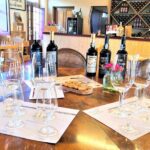
- A glass of port is built in so you’re not trying to find a tasting spot after the boat ride
- The Douro Estuary is a real nature moment with wildlife spotting in a protected area
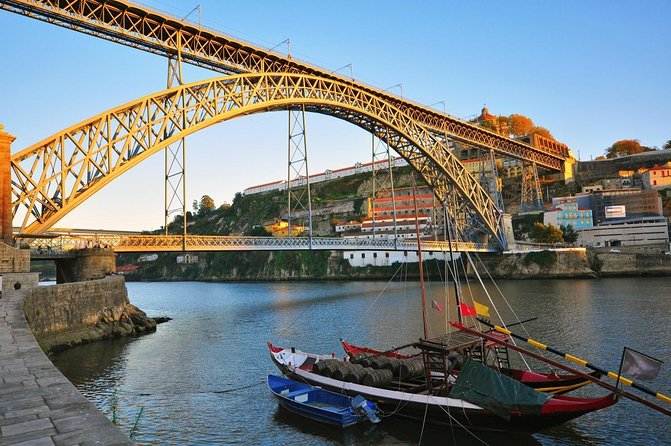
- You pass iconic Porto and Gaia landmarks including Dom Luís I Bridge and the Clérigos Tower
- Small-group energy shows up in practice (maximum group size is 58, and many trips feel intimate)
- Crew interaction can be a highlight—some guests have even gotten a chance to pilot the boat briefly
Porto and Gaia from the water: what the ride feels like
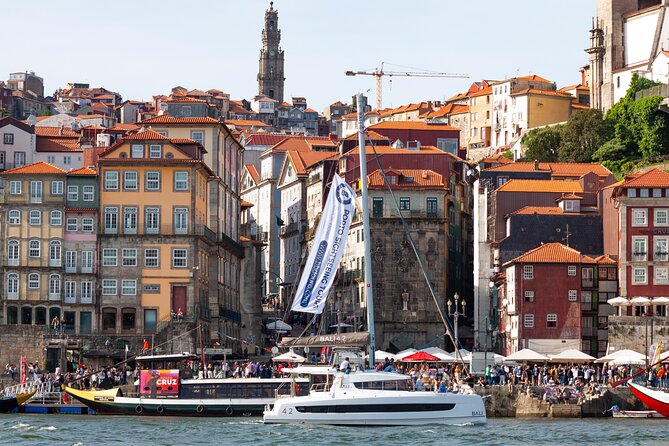
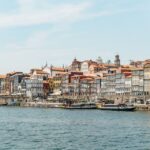
This experience is all about using the river as your guide. Instead of spending your whole time climbing Porto’s steep streets, you get to sit down and watch the city slide by from a moving vantage point. The route is built around two big themes: the wine story and the bridge-and-church skyline that defines Porto and Vila Nova de Gaia.
Price-wise, the number looks approachable for what you get: a roughly 2-hour guided boat tour plus Wi‑Fi and a glass of port wine. Food isn’t included, but you’re also not paying for a full meal—this is more like a highly scenic “you should do this once” outing than a dinner experience.
If you’re sensitive to motion, this is worth keeping in mind. Even on a sailboat, some trips run quietly by motor (reported as peaceful), and the boat size can vary. One guest felt the boat was smaller than expected, so if you were hoping for a large catamaran vibe, expect something more modest.
You can also read our reviews of more boat tours in Porto

Where the tour starts: Douro Marina and Afurada’s river edge
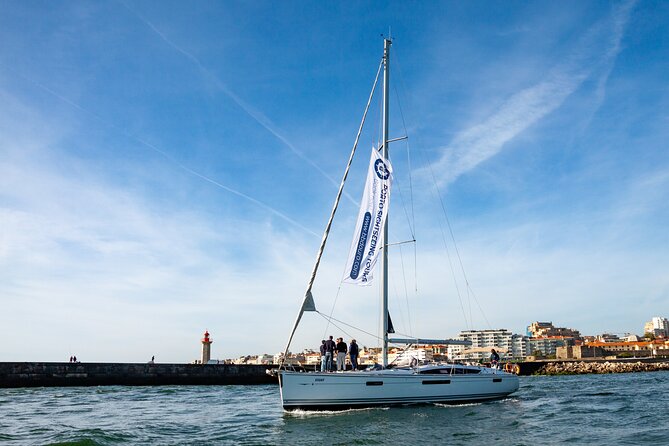
You meet at Marina da Afurada in Vila Nova de Gaia. It’s a practical starting point because it’s set up for boats and water activities, not a random curb with nowhere to wait. From here, you begin building context for what you’ll see next—this isn’t just “pretty views,” it’s the working shoreline.
A good early stop theme is Afurada and the river’s working life. You’ll see the Centro Interpretativo do Patrimonio da Afurada, tied to the area’s fishing past. That matters because the Douro isn’t only postcard Porto and wine cellars. It’s also people making a living on the water.
Then you shift into the big-scale river infrastructure and landmarks. Douro Marina opened to the public in February 2012 and was a major investment, including floating equipment and space for vessels. Even if you don’t care about engineering, it helps you understand why the river corridor has become both a working port and a visitor playground.
Wine caves, churches, and the river’s famous cargo: what you spot while sailing
Once you’re moving, you’ll notice how often wine shows up in the visuals. Port isn’t just a drink here—it’s a centuries-long logistics system, and the river was the highway before roads and rail took over.
From the water, you’re positioned for views tied to the historic wine trade:
- Wine cellars along the shoreline (and the general concentration of wine businesses in Gaia)
- Ouro Street and key religious landmarks in Porto’s older core
- Clerics Church and the kind of tall, landmark architecture Porto is known for
- Rabelo boats, the classic vessels that carried barrels of port wine from the Douro region down to Gaia
The Rabelo boat detail is one of those things that makes the whole cruise click. You’re not just watching boats; you’re seeing the tool that transported barrels when the Douro could be fast and treacherous in narrow stretches and gorges. The last voyage for this transport style is believed to have been in 1964 once rail took over.
A small caution: the boat ride is guided, but it’s still a short outing. Some people like lots of explanation; others are happy with the visuals doing the talking. If you want more storytelling, ask questions. Crews are reported to be responsive.
The bridges segment: Dom Luís I and Arrábida’s dramatic engineering
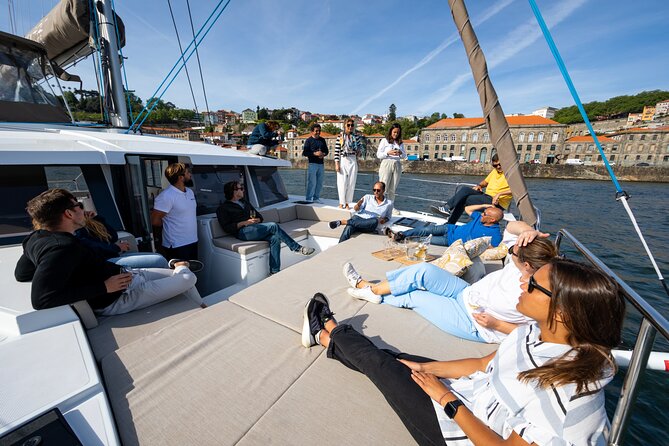
This cruise leans hard into Porto’s bridge identity. You’ll see the river connections that link Porto and Gaia, and it’s a great way to grasp how the city is built on slopes, viewpoints, and river crossings.
Two bridge highlights stand out:
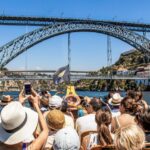
- Dom Luís I Bridge, the main connection between Porto and Vila Nova de Gaia. It’s metal, roughly 395 meters long, and it connects both levels of the city with upper and lower decks. It’s completed in 1888 and is still one of the most emblematic points in Porto.
- Arrábida Bridge, an arch bridge connecting Porto to Gaia that became essential as traffic increased. It was inaugurated in 1963, and at the time it featured lifts to make pedestrian crossing easier. (Those lifts stopped working later, but the design story is part of what you’re being shown.)
Why this matters: bridges aren’t just background here. They explain the city’s geography—why Porto looks like stacked neighborhoods and why viewpoints feel close even when they’re far apart by stairs.
Gaia quay time: Port wine cellars, Rabelo history, and the waterfront vibe
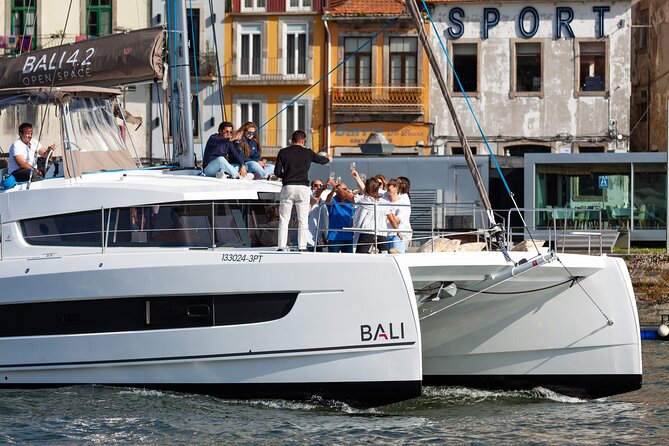
After you’ve soaked in the Porto side, the cruise brings you toward Gaia’s waterfront logic—shipyard history, trading posts, and the modern leisure waterfront you can walk now.
Cais de Gaia is where the port wine tradition becomes visible in a very literal way. For centuries, goods were exported and imported from this quay, and Rabelo boats anchored here so barrels could be unloaded into the cellars of the wine companies. Many of those companies still operate here (about 30 cellars are noted), and guided tours and tastings happen regularly.
Even if you don’t do a cellar tour on this specific outing, you’ll get the “why” behind it:
- the river brought the barrels
- the cellars aged and shaped the final product
- the river-side trading post turned into an enduring wine district
One practical tip: cellars are a big part of the area’s appeal, but food and extra drinks aren’t included on the cruise. If you want to add tasting beyond the included port glass, budget time and cash for that after.
You can also read our reviews of more wine tours in Porto
Porto’s “old core” from the river: Ribeira, Morro, and Serra do Pilar
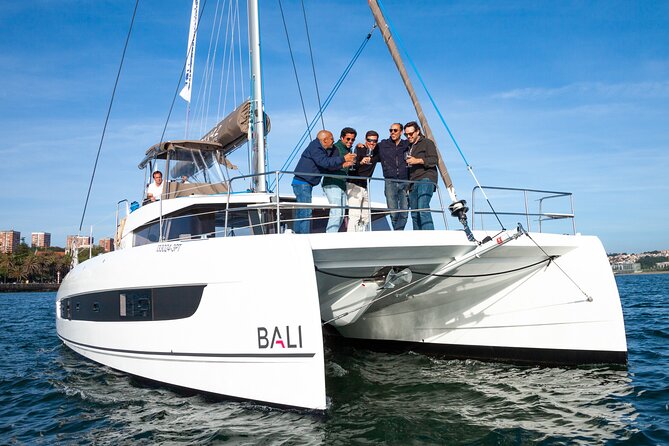
The cruise also threads you past the dramatic historic center zones that define Porto’s postcard look.
Praça da Ribeira is one of the oldest and most typical areas, part of Porto’s UNESCO World Heritage Historical Center. From the river, it’s easier to see why the Ribeira has always been a hub: it’s right where the city meets the water, so commerce and movement naturally concentrated here.
Then you shift to higher ground through viewpoints near the bridges—especially:
- Jardim do Morro, on the slope near the Luís I bridge and Serra do Pilar. It gives you a panoramic angle over Porto and the Douro.
- Miradouro Serra do Pilar, tied to the Serra do Pilar Monastery. This UNESCO-classified site has a circular church plan, a hemispherical vault, a balcony, and a distinctive cloister with Ionic columns.
What I like about these stops is that they help you understand Porto’s view culture. The city feels like it’s built for looking outward—river first, Atlantic second, and rooftops as the connecting layer. Even if you don’t climb stairs immediately, you’ll get the mental map.
Passeio Alegre and the meeting of waters: when Porto ends and the Atlantic starts
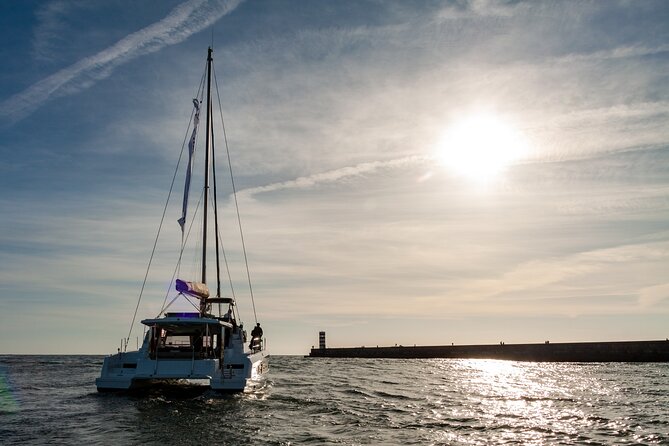
As the route continues, you get one of the neatest geographical contrasts in the area: where the Douro finishes its run and the Atlantic takes over. Passeio Alegre Garden is designed as a late-19th-century green escape, and it’s classified as a public interest property. You can enjoy shade and watch the waters merge.
The garden also has details that help you see why Porto’s outdoor spaces feel curated without being overly formal. There’s mention of a granite fountain associated with Nicolau Nasoni (often called the turtle fountain) and an old bandstand that sometimes hosts concerts.
If you’re the type who likes small, place-specific details, this stop tends to land well. If you only want the biggest “wow” views, you’ll still appreciate it as a calmer payoff after the bridges and quay energy.
Daytime vs sunset: what changes when the sky shifts
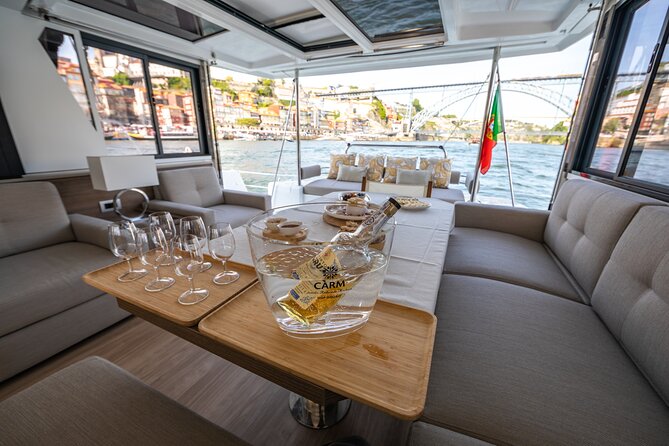
This experience offers both daytime and sunset timing, and that changes the whole feel of Porto and Gaia.
Daytime runs usually give you cleaner visibility for architecture—Dom Luís I Bridge, the Clérigos Tower, and the long lines of the riverfront are easier to pick out. If clouds come and you still want something scenic, daytime still works.
Sunset runs can be the emotional high point. One guest described a stunning sunset from the water, and another noted that blankets were provided in cooler periods. The reality check: overcast skies can steal the direct sunset payoff, though the cruise remains scenic and calm.
Also note what a few guests have observed about sailing dynamics: even when it’s described as a sailboat experience, sails may stay down and it can be mostly motor. That doesn’t automatically make it worse—one review called the motor quiet and odorless—but it’s a difference in expectations.
What you actually get: included items, missing meals, and what to bring
Included:
- Boat tour (about 2 hours)
- Glass of port wine
- Wi‑Fi
- Offered in English
- Mobile ticket
Not included:
- Food and drinks
- Lunch
- Hotel pickup/drop-off
So you’ll want to plan around meals yourself. If you’re going on a late-day sunset, eat beforehand and treat the cruise port glass as the small treat it is.
What to bring (based on what the experience is like):
- A light layer or sweater for after-sunset chill—one review specifically called out it getting chilly once the sun sets.
- If you need it, consider motion comfort. The boat style can vary, and if you’re sensitive, you may prefer a less cramped seating situation (you still won’t be able to choose specific spots since distribution is random).
One more onboard rule that affects packing: for shared tours, the crew won’t allow outside food or drinks brought onboard. So don’t show up with snacks expecting to eat them during the ride.
Quick practical notes that can save you stress
- Check in at Douro Marina at the right pier/gate. One review noted confusion with meeting-point details, and the fix was quick once they found the BBDouro office at the marina. If your arrival is tight, give yourself extra time to locate the check-in point.
- Random seating/placement happens. You can’t request a specific spot, and groups won’t be split.
- Weather matters. The experience is described as requiring good weather, and in poor weather it can be rescheduled or refunded.
Should you book this Douro River Cruise with Port Wine?
Book it if you want a short, high-impact outing that mixes Porto and Gaia from the water plus a built-in wine moment. It’s ideal for first-timers who want orientation fast, and it also works well for returning visitors who want a fresh angle without committing to a full-day wine itinerary.
Skip or reconsider if you’re chasing a guaranteed sunset glow or you’re very picky about boat type. The ride can still be great in clouds, but the sunset payoff is never guaranteed. And if you expected a bigger catamaran style experience, you might find the boat smaller than you pictured.
If you’re flexible and you like guided sightseeing with actual context—wine trade, bridges, river ecology—this cruise is a very solid value use of 2 hours in Porto.