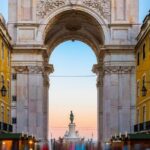
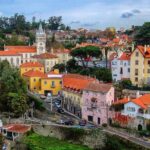
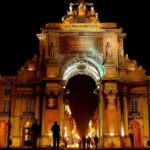
Lisbon tastes different on its hills. This afternoon walk mixes tascas-style eating with neighborhood storytelling, and I love how the guides (from Kika to Gisela) tie each bite to Lisbon’s everyday life. I also love the payoff at Miradouro da Graca, where you stop for photos and a final taste with the city spread out below.
One thing to consider: this is a hill-walk. The tour calls for moderate physical fitness and it depends on good weather, so plan on comfy shoes and don’t count on it if skies look stormy.
In This Review
- Key things to know before you go
- Mouraria and Graça: how to get the local Lisbon feeling fast
- Price and what $150 is really buying you
- Iglesia Paroquial de Sao Cristovao e Sao Lourenco: start with a church bite
- Jardim da Cerca da Graca: snack in the park before the next climb
- Praca Martim Moniz: train-station history with street-level energy
- Miradouro da Graca (Sophia de Mello Breyner Andresen): photos, views, and a final taste
- The guides make the difference: Kika, Gisela, and Laura style storytelling
- What you should expect to eat (and why it’s not just one style)
- Timing, pace, and walking reality for a 2:15 pm start
- Should you book Hidden Flavors of the Hillside: Mouraria & Graça?
- FAQ
- How long is the Hidden Flavors of the Hillside: Mouraria & Graça experience?
- Is the tour offered in English?
- How many people are in the group?
- Do the stops require paid admission?
- What happens if the tour is canceled due to poor weather?
- Can I cancel for a full refund?
Key things to know before you go
- Small group size (max 7) keeps the pace friendly and questions easy.
- English-speaking guide for a smooth story-and-snack flow.
- Four landmark moments: a parish church, Jardim da Cerca da Graca, Praca Martim Moniz, and Miradouro da Graca.
- Free-entry stops for the church, park area, station area, and viewpoint.
- Food and wine style tastings at multiple local spots, including traditional tasca culture and modern touches.
- Hills + walking pace mean you should bring a relaxed, ready-for-stairs attitude.
Mouraria and Graça: how to get the local Lisbon feeling fast
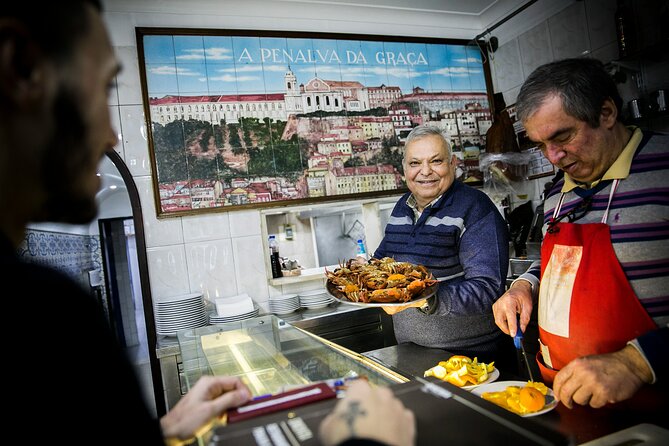
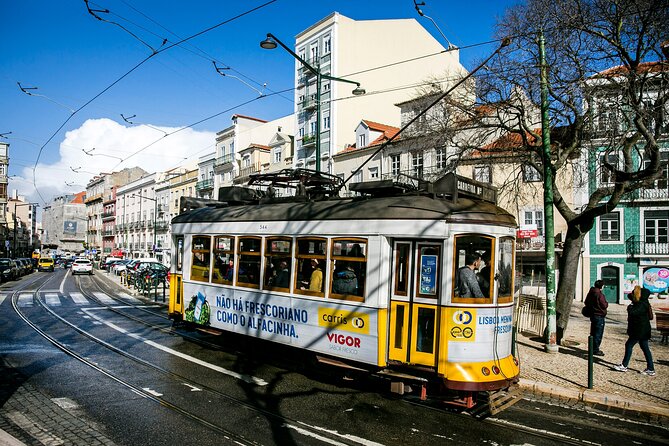
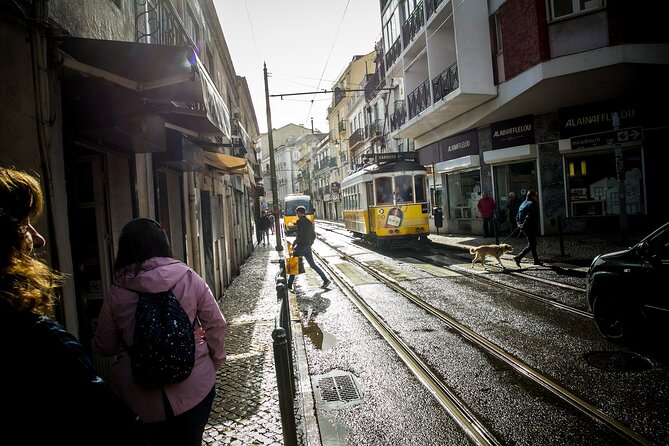
If your Lisbon plan is mostly trams, photo stops, and big-name sights, this kind of food walk gives you something different. It moves at a human scale. You’re in the kind of streets where the route feels like a maze, the kind of place where you’d walk right past a door without realizing you missed the best part.
Mouraria and Graça are seen through a practical lens: you go where people eat, and you learn why those places matter. The experience is built around small stops that each do one job. One pause gives you a first taste and context. Another gives you a break in a park. Another is about transport and neighborhood history. And the last one is a viewpoint moment you’ll remember when you compare Lisbon photos later.
What I like most is the balance. You get food first, but you also get enough story to make the food mean something. Guides like Laura (who shares the area through the lens of growing up there, per what people report) don’t just list facts. They connect the dots between past and present, so you leave understanding how everyday Portuguese life shows up in what you’re eating.
You can also read our reviews of more tours and experiences in Lisbon.

Price and what $150 is really buying you
At $150 per person, this isn’t a grab-and-go snack tour. You’re paying for three things that are hard to reproduce on your own:
First, you’re paying for a guided route on foot in a hilly area, with a tight schedule that keeps you from wasting time figuring things out.
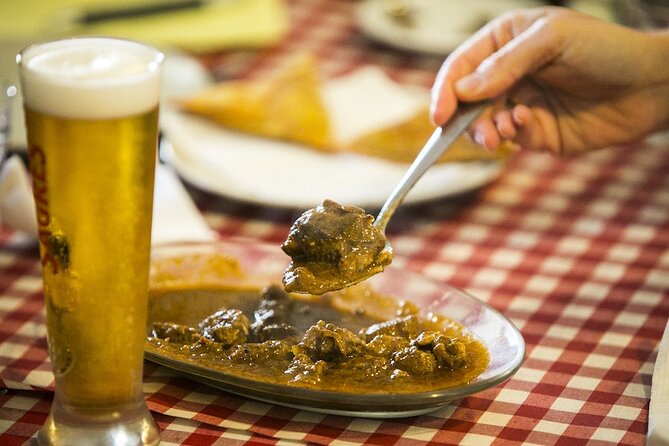
Second, you’re paying for tastings across multiple kinds of places. People describe everything from traditional tascas to a modern tasca, plus a cervejaria stop. They also mention leaving with full bellies, not just a few bites.
Third, you’re paying for storytelling that turns the meal into context. Multiple guides get praised for connecting Portuguese history and neighborhood life to what you taste. That’s the difference between eating in good restaurants and actually learning how the neighborhood food scene works.
You also get a few built-in value signals. The major stops are free to enter (church and the listed landmark stops are ticket-free). And the group is small, up to 7 people, which means you’re not one of dozens shuffling behind a flag.
Iglesia Paroquial de Sao Cristovao e Sao Lourenco: start with a church bite
The first stop is the Igreja Paroquial de Sao Cristovao e Sao Lourenco. You start there for a reason: it’s a calm anchor point before the afternoon turns into stair-stepping, street turning, and eating breaks.
You’ll spend about 45 minutes here, and admission is listed as free. The best part is that the tasting doesn’t feel random. You’re not just handed food and told to move on. The guide uses the setting to frame what you’re about to experience: a Lisbon you can’t fully understand from a brochure.
Practical tip: churches and church-adjacent streets can have uneven ground and narrow sidewalks. If you’re the type who hates “micro-stumbles,” bring shoes with a little grip. This isn’t a marathon, but you are walking on real streets.
Jardim da Cerca da Graca: snack in the park before the next climb
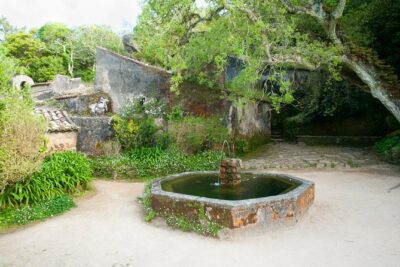
About halfway through, you get a breather at Jardim da Cerca da Graca. It’s a classic Lisbon move: trade the street bustle for a park stop, then feed you while you reset.
Expect roughly 45 minutes here, with admission free. The tour plans this as your “next best bite” moment, so you don’t just get a pretty pause. You also get fuel and a mental reset.
Why this stop matters for you: you’re about to hit a transport-history area and then head toward the viewpoint. A park snack stop helps you keep energy steady, especially if you’re traveling on a short schedule and don’t want the last hour to feel rushed.
If the weather is warm, this is the place to slow down, sip water, and take a breath. If it’s cooler, it’s still a nice switch from the tight alley pacing.
Praca Martim Moniz: train-station history with street-level energy

Next up is Praca Martim Moniz. You’ll spend about an hour in the area, and it’s framed through the history of the station and the neighborhood feel around it.
There’s often a tendency to treat transit hubs as just “getting through.” This stop flips that. The guide brings the station’s story into focus so the place feels more like a living part of Lisbon instead of a backdrop.
You may also grab a bite or two here, since the schedule includes food at the major pauses, not just at the beginning and end. From what people describe, this is where the tour starts to feel more like a true eating route: you’re absorbing the neighborhood through sights, sounds, and the kind of casual food stops Lisbon does well.
Practical tip: stations and plazas can be louder and busier than the church-and-park segments. If you’re sensitive to noise, this is your moment to mentally brace. The tour pace stays structured, but the atmosphere gets louder.



Miradouro da Graca (Sophia de Mello Breyner Andresen): photos, views, and a final taste
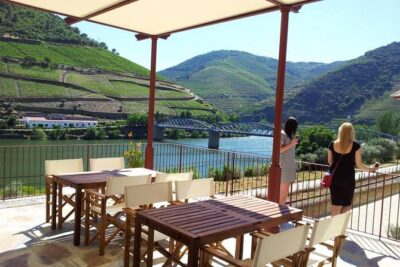
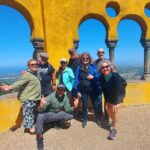
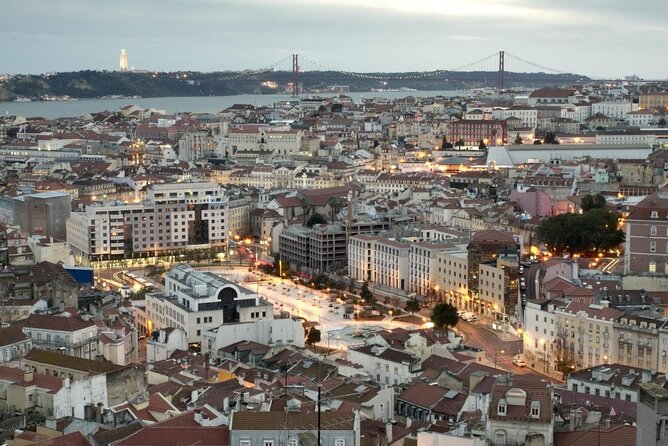
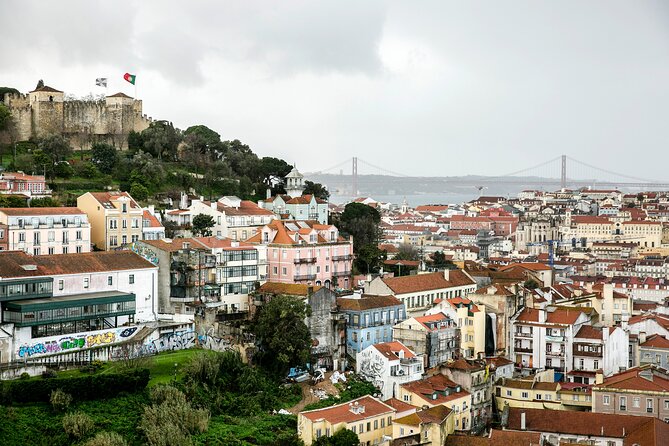
The last stop is Miradouro da Graca, named after Sophia de Mello Breyner Andresen. You spend about 45 minutes here, and the highlight is the scenic viewpoint plus photos.
This is the emotional finish line. You’ve walked, eaten, and listened to stories. Now you take the visual payoff. It’s also where the tour gives you one more “best bite,” so you end with satisfaction instead of just exhaustion.
What you’ll like about this viewpoint time: it’s not thrown in randomly. It fits the tour’s rhythm. After learning about Lisbon through food and neighborhood history, the view turns into perspective. You see the hills you walked and the scale of the streets you threaded earlier.
Photo tip: Lisbon viewpoints can be windy. Bring a strap or keep your camera secure. Also, if you care about photos more than snacks, make sure your guide knows you’d like a few extra minutes at the top. With a group capped at 7, there’s usually more flexibility than you’d get on a massive bus tour.
The guides make the difference: Kika, Gisela, and Laura style storytelling
A lot of food tours are just a list of stops. This one earns the praise for something more human: the way each guide turns the neighborhood into a story you can taste.
People repeatedly mention guides like Kika, Gisela, and Laura for their mix of small details and big history. In plain terms, they explain why a dish or a place feels like it does now, not just what it is. That’s why the afternoon can feel like a conversation with an informed friend rather than a scripted march.
Laura is especially noted for putting Portuguese history into context with a food slant, based on her personal connection to the area. Gisela gets described as enthusiastic and a great storyteller through Lisbon’s labyrinthine streets. Kika is praised for preparation and pacing, plus a warm, attentive vibe.
If you’re choosing this tour because you want the “why,” not just the “what,” this guide-led storytelling is the core value.
What you should expect to eat (and why it’s not just one style)
The tour is built around tascas and multiple types of local eateries. Based on the way people describe the food stops, you can expect variety: traditional comfort-food style tastings, plus modern touches, and a cervejaria-style stop. Some accounts also mention food and wine across the day, with enough volume that it can feel like you get the equivalent of a long lunch into evening snacks.
This variety matters because Lisbon’s eating culture isn’t one thing. The city’s food identity shifts by street, neighborhood habits, and even the kind of restaurant you walk into. A tour like this gives you a guided “map” of that variety without forcing you to guess which place is worth your time.
Also, there’s a practical plus: owners and hosts can accommodate some food restrictions, as long as you’re in the group and your needs are handled by the stops.
Timing, pace, and walking reality for a 2:15 pm start
This tour starts at 2:15 pm from Largo do Correio MorR. de São Mamede, 1100-171 Lisboa, Portugal, and ends in Graça. It runs about 5 hours, though some groups report closer to 6 depending on the flow of the afternoon.
That timing is smart if your mornings are already packed. It also helps you hit the viewpoint at the right point in the day for photos, assuming weather is cooperative.
Pace-wise, it’s a hillside walk and the fitness level is described as moderate. That doesn’t mean it’s hardcore. It does mean you should treat it like a guided “afternoon of walking” rather than a casual stroll. Plan for stairs, uphill stretches, and uneven sidewalks.
If you tend to get tired on hills, still go—but go with realistic energy. Bring water and a light layer, especially if the weather turns.
Should you book Hidden Flavors of the Hillside: Mouraria & Graça?
Book it if:
- You want Lisbon food culture through real neighborhood streets, not only major monuments.
- You like your guide explaining the context behind what you eat, like Kika, Gisela, or Laura style storytelling.
- You want a small group experience with multiple tastings and enough food to feel like you ate well.
Skip it (or rethink it) if:
- You don’t handle hilly walking well, since the route is built around hillside neighborhoods.
- You’re traveling during a period where weather is unreliable, since the experience requires good conditions.
If you’re the kind of traveler who wants the city’s flavor story in one afternoon, this is a strong pick. It’s also a good early-in-your-trip move, because once you understand where locals actually eat, the rest of Lisbon gets easier to navigate.
FAQ
How long is the Hidden Flavors of the Hillside: Mouraria & Graça experience?
It lasts about 5 hours.
Is the tour offered in English?
Yes. The tour is offered in English.
How many people are in the group?
The tour has a maximum group size of 7 travelers.
Do the stops require paid admission?
Admission tickets are listed as free for the church, park, station area, and viewpoint stops.
What happens if the tour is canceled due to poor weather?
If it’s canceled for poor weather, you’ll be offered a different date or a full refund.
Can I cancel for a full refund?
Yes, free cancellation is available. You must cancel at least 24 hours before the experience’s start time for a full refund.