REVIEW · WOW PORTO
Porto: Cork Museum: Immersive and Perfect for Families
Book on GetYourGuide →Operated by The World of Wine (WOW) · Bookable on GetYourGuide
Cork teaches you smarter than you think. You’ll get hands-on learning at Planet Cork, with sensory activities that make the science stick for kids and adults. I also like how it links cork to big real-world uses, from bottles to high-tech materials, while keeping it easy to follow.
You’ll come away with clear ideas about cork forests and why Portugal became the top global producer, plus the eco story behind cork oak.
One watch-out: if you’re counting on the take-home cork-stopper stamping machine, plan for the chance it’s out of service. And if the audio guide doesn’t start right away, be ready to ask staff for help (it may not be obvious at first).
In This Review
- Quick hits worth planning around
- First Impressions at Planet Cork in Porto
- Your 90-Minute Game Plan (And Why It Works)
- Interactive Exhibitions and Multimedia: How the Story Is Told
- Sensory Activities: Touch and Smell Raw Cork
- Cork Oak Forests: Wildlife, Microorganisms, and Carbon-Negative Claims
- From Harvest to Products: Bottles, Cars, and Space Tech
- The Personalized Cork Stopper Moment (And What If It’s Down)
- Price and Value: What $23 Buys You in Real Time
- Practical Tips for a Smoother Visit
- Who This Experience Fits Best
- Should You Book Planet Cork?
Quick hits worth planning around
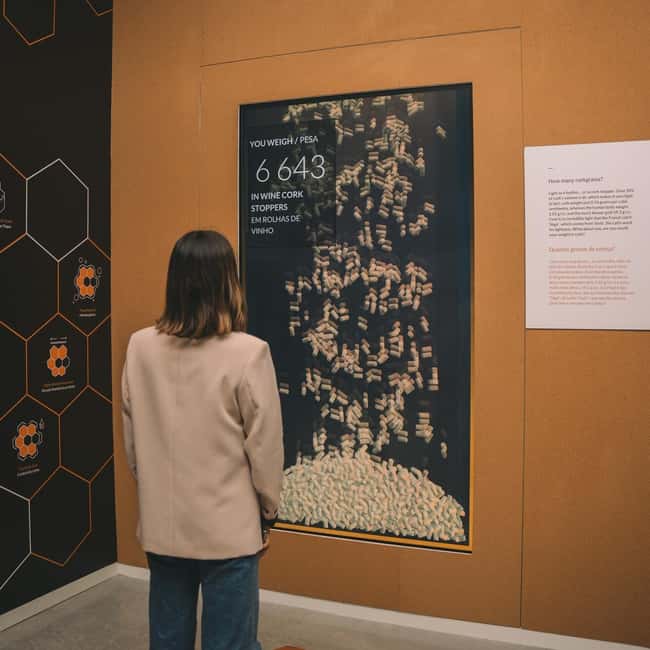
- Sensory stations: touch and smell raw cork as part of the exhibition
- Cork oak eco story: how cork forests support wildlife and even microorganisms
- Real-world products: from bottle stoppers to automotive and aerospace uses
- Portugal’s production scale: Portugal accounts for about half of global cork production
- Take-home souvenir: a personalized cork stopper (when the machine is working)
First Impressions at Planet Cork in Porto
Planet Cork is the kind of museum that doesn’t feel like homework. From the start, it’s built for movement and curiosity, so you’re not stuck staring at glass cases for long stretches. The setting is family-friendly without dumbing anything down, and the flow makes it easy to handle mixed ages in one group.
If you like practical science, this works. Cork is explained as a material with real engineering value, not just a romantic souvenir. You’ll also learn it’s tied to forests and farming practices, which is what makes the story bigger than a single product.
It’s also run by The World of Wine (WOW), and you can feel that approach in the presentation: lots of multimedia, clear messaging, and a focus on making the experience memorable. At about 90 minutes, it fits well between other Porto sights without burning your whole day.
Your 90-Minute Game Plan (And Why It Works)
Plan on about 1 hour 30 minutes total. That time is enough to cover the main exhibition areas, do the sensory activities, and finish with the personalized cork-stopper moment if it’s available.
Here’s how I’d structure your visit so it stays fun, not rushed:
First, show your ticket directly at Planet Cork. Then you move through the interactive exhibition spaces with multimedia displays that explain cork’s properties and how it becomes products. Midway through, you hit the sensory parts, where you can physically experience what makes cork different.
The pacing matters. Cork is a material with lots of uses, but the museum keeps it organized so you’re not overloaded. You leave with a mental map: tree → forest value → harvesting → processing → products → global impact.
If you’re visiting with kids, this timing is a win. They can get hands-on, ask questions, and still have enough time for the take-home step at the end.
Interactive Exhibitions and Multimedia: How the Story Is Told
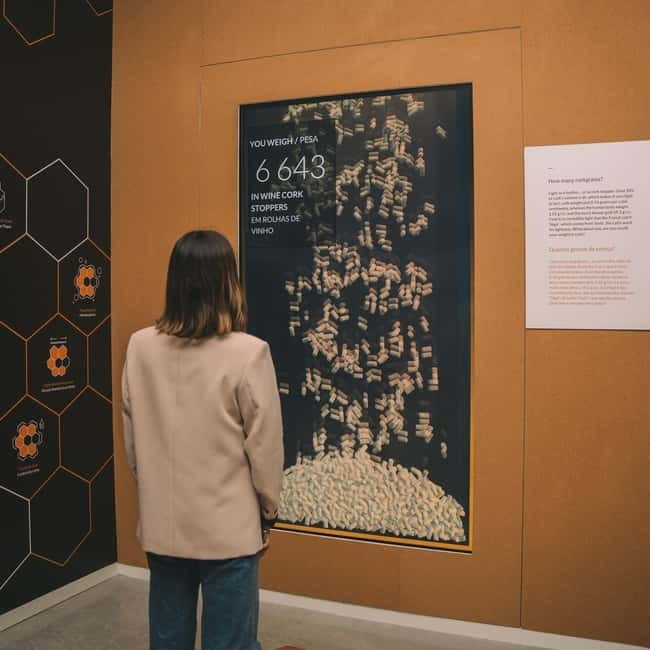
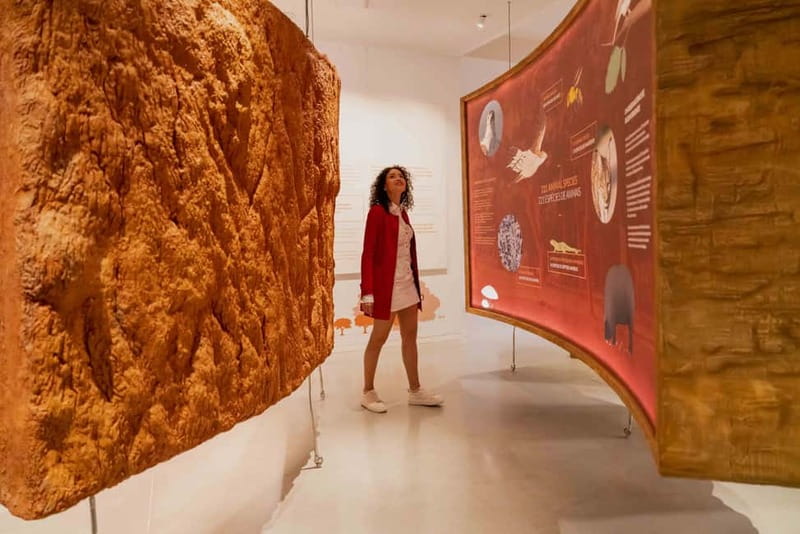
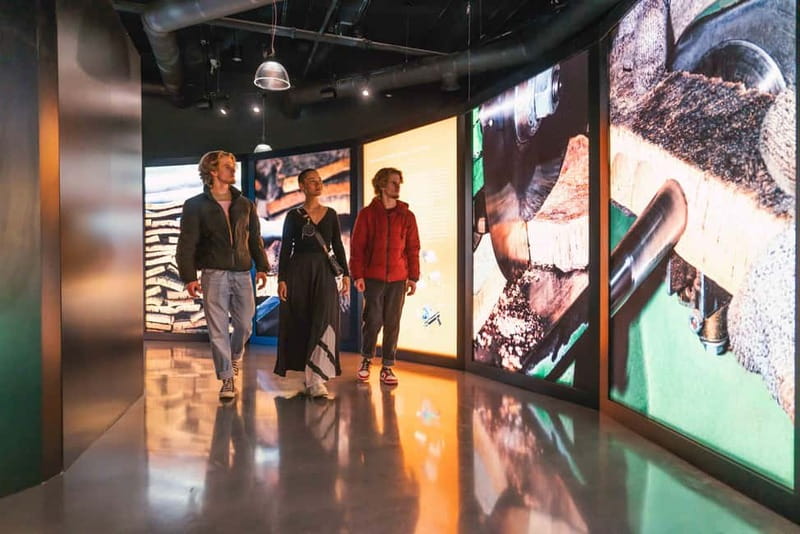
The museum experience is organized around interactive exhibitions and multimedia displays. That means you’re not limited to reading panels. Instead, you’ll see information explained in different formats so different learning styles get something useful.
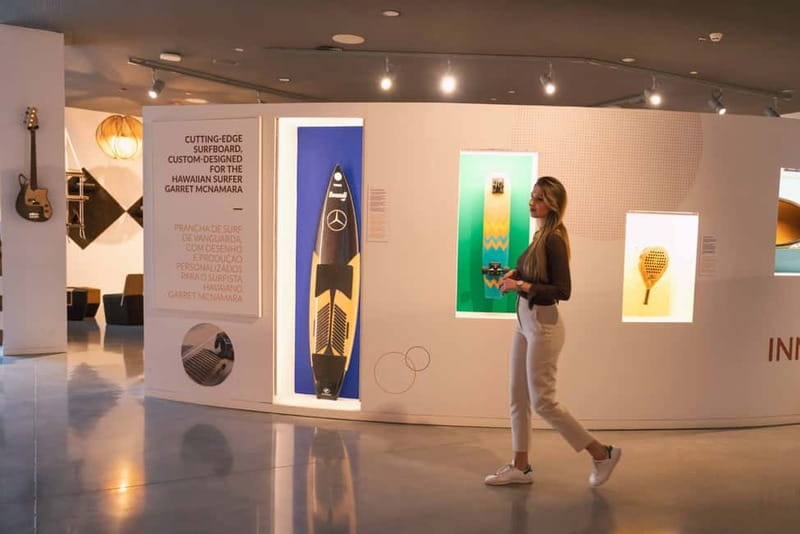
Expect to learn cork’s genius uses. The museum connects cork to familiar items like bottles, then expands into less obvious applications such as automotive engineering, cutting-edge architecture, and even aerospace. That range is part of the value here: you start thinking of cork as a high-performance natural material, not only as a stopper.
You also learn how Portugal became a leader. The figures given at the museum are eye-opening: Portugal produces about half of global cork, and the focus on managing large areas of forest matters more than short-term harvesting.
One practical note: the exhibition is designed for a self-guided visit, and an audio guide appears to be part of the experience. Based on past issues, don’t panic if yours doesn’t start instantly. If you need help, ask quickly rather than waiting through it.
Sensory Activities: Touch and Smell Raw Cork
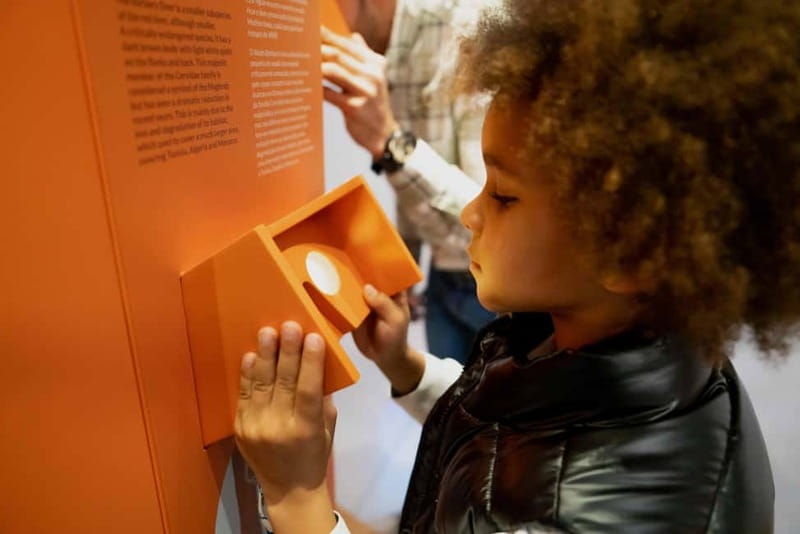
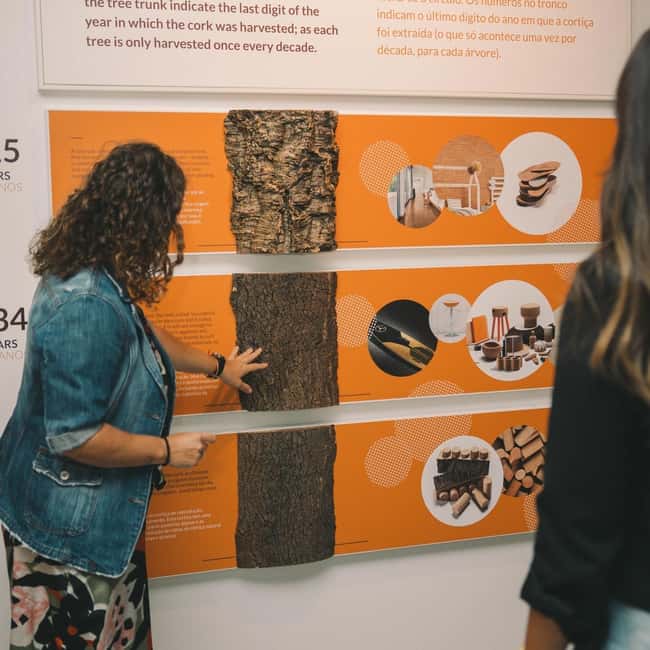
This is the part I’d highlight for anyone traveling with kids or anyone who learns best by doing. The ticket includes sensory activities where you can touch and smell raw cork.
Why it matters: cork is all about structure—tiny cells and air pockets that help it behave like a natural insulator and give it its distinctive resilience. When you can physically engage with the material, the explanations make more sense.
Even as an adult, you’ll probably notice differences that you’d never get from a photo. Smelling raw cork and handling it turns the topic from abstract to real, and it makes later product examples easier to understand. Bottles make sense. Insulation makes sense. Why cork can be used in demanding settings starts to click.
If you’re planning a short family day, this sensory block is a smart use of time. It’s active, it breaks up the reading, and it gives everyone a shared experience to talk about on the walk back out.
Cork Oak Forests: Wildlife, Microorganisms, and Carbon-Negative Claims
One of the museum’s strongest threads is the link between cork production and living ecosystems. You’ll learn how cork oak forests help sustain biodiversity, including wildlife, insects, and microorganisms.
That’s not just a feel-good story. The museum frames cork forests as eco-support systems, with living soil and active ecosystems doing work that goes far beyond producing cork. You also get the idea that cork harvesting can be part of a management system rather than a forest-destruction cycle.
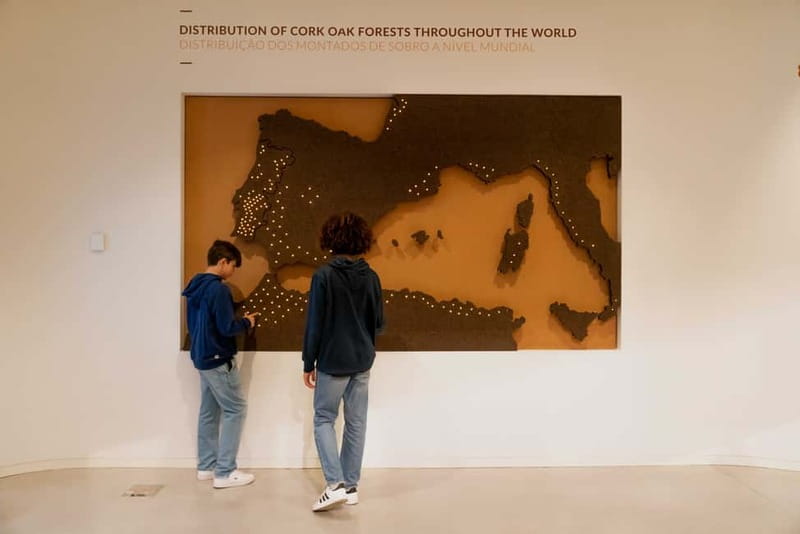
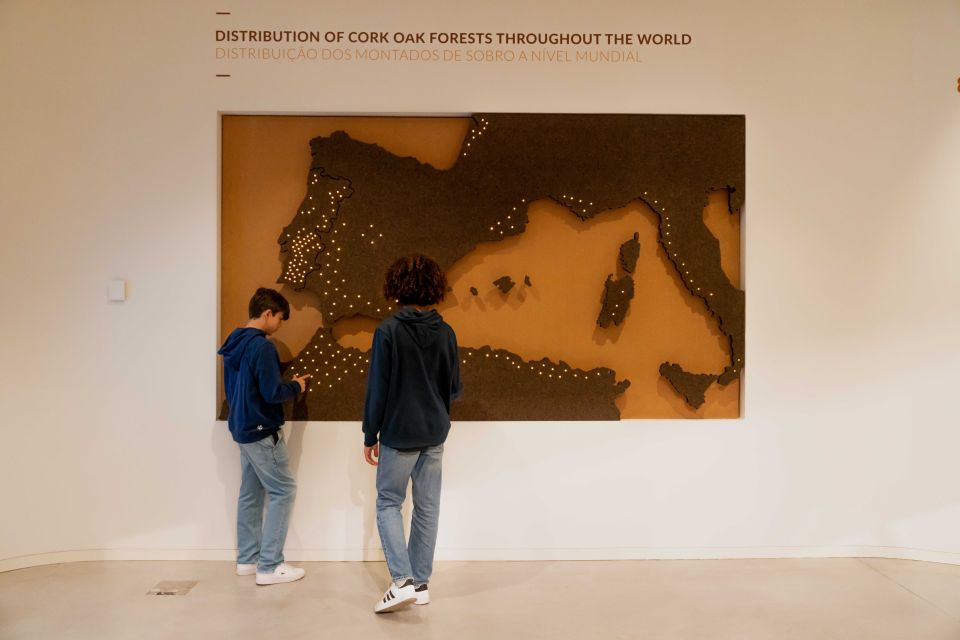
Another big takeaway: the museum presents cork production as a carbon-negative industry. You’re also shown the cork oak tree and where cork thrives around the globe. That helps you connect what you see in Portugal to the wider world, instead of treating it as a local quirk.
Worth knowing: this is a museum presentation, so you should treat the eco claims as what the exhibit states. The value for you is the framework it gives—how the forest connects to material benefits and why this industry is treated differently than many extractive sectors.
From Harvest to Products: Bottles, Cars, and Space Tech
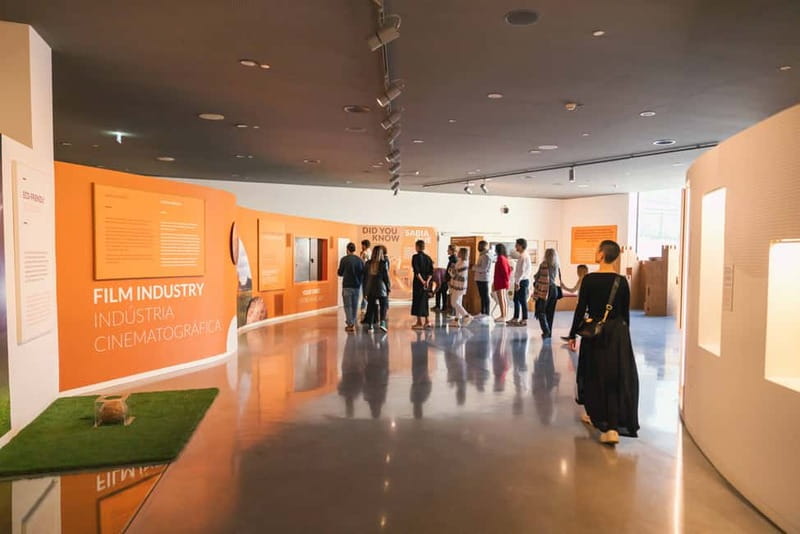
After the eco side, the museum shifts into how cork production actually works. You’ll see how cork is nurtured and harvested, then how it’s transformed into a range of products.
What I like about this section is the practical chain-of-custody feeling. You get the sense that cork doesn’t just appear. It’s harvested from a real process, then processed into something designed for different needs.
The exhibition links cork to:
- bottle stoppers (the obvious anchor)
- automotive engineering (where flexibility and insulation can matter)
- aerospace use (where performance under tough conditions matters)
- cutting-edge architecture (where natural materials can play a role)
This is where the museum earns its keep. It turns cork from a souvenir into a material you can reason about. You start asking better questions while you’re in Porto and elsewhere in Portugal, like: what makes cork work in insulation, sound control, or sealing?
If you’re a traveler who likes “why” more than “what,” this part delivers.
The Personalized Cork Stopper Moment (And What If It’s Down)
At the end of your visit, you get a chance to take home a cork stopper personalized to celebrate the moment. That’s a great family-friendly souvenir because it’s interactive and personal.
However, here’s the honest consideration from real-world experience: the cork-stopper personalization machine can be broken. If you’re traveling with kids who are excited about stamping their own, I’d treat it as a bonus, not a guarantee.
What you can do:
- Give yourself full time for the end of the visit so you’re not rushing when you reach the machine area.
- If it’s not working when you get there, don’t assume the museum experience is ruined. You still get the sensory activities and the education that come before the souvenir step.
Either way, the personalized stopper is a memorable way to close a tour about a material that’s all about structure and performance.
Price and Value: What $23 Buys You in Real Time
The price is listed at $23 per person for about 90 minutes. That’s not just entry into a building—it’s entry into a science-and-material experience with hands-on elements.
For value, focus on what’s included:
- Planet Cork Museum entry ticket
- access to interactive exhibitions and multimedia displays
- sensory activities (touch, smell, explore raw cork)
If you compare that to typical museums that rely mostly on reading, the sensory component makes a difference. You’re paying for active learning time, plus the end-of-visit souvenir opportunity.
Is it worth it for everyone? If you hate hands-on experiences and prefer only passive sightseeing, you might find it too active. But if you like interactive exhibits, family days that don’t feel childish, or materials science explained in plain language, this is a solid use of money.
Practical Tips for a Smoother Visit
A few details help you get the most from your time:
First, timing. Planet Cork is open daily from 10:00 AM until 07:00 PM, with the last entrance at 07:00 PM. Opening hours on bank holidays may vary, so check the official site if you’re visiting near a holiday.
Second, your ticket use. Your ticket works on the selected date during museum opening hours, and you can use it any time during those hours. That flexibility is useful if you’re juggling Porto’s walking distances and meal plans.
Third, plan for audio guide quirks. If your audio guide doesn’t launch right away, don’t just keep wandering. Pause and ask staff for a quick fix so you don’t miss the extra explanations.
Finally, bring a simple mindset: cork is a material story. The more you pay attention to the tree-to-product chain, the more the museum clicks.
Who This Experience Fits Best
This museum fits especially well if you travel with:
- families with kids who need hands-on activities
- science-curious travelers who like real material explanations
- travelers who want an eco story tied to actual production systems
- people who enjoy interactive, multimedia learning over long gallery-style rooms
It’s also a good option for mixed-age groups, because not everyone has to be equally interested in the high-tech applications. The sensory stations give everyone something immediate, then the rest of the exhibition offers depth for whoever wants it.
If you’re only in Porto for a very tight schedule and want a quick museum, this is a manageable block of time. If your idea of fun is only outdoor viewpoints, you may prefer other Porto stops.
Should You Book Planet Cork?
I think you should book Planet Cork if you want a family-friendly museum that teaches without feeling like a classroom. The biggest reasons are the sensory touch-and-smell experience and the way the museum connects cork oak forests to global production and real-world uses like bottles, cars, and aerospace.
Book it with confidence if you’re okay treating the personalized cork-stopper machine as a bonus. If you’re visiting specifically for that souvenir step and you’d be disappointed if it’s down, aim to arrive earlier in the day so you still have options.
If you want a straightforward plan that fits into a Porto itinerary and leaves you with a take-home memory plus real knowledge, this one earns its place.