REVIEW · FUNCHAL
Funchal: Guided Walking Tour with Tastings
Book on GetYourGuide →Operated by Madeiran Heritage · Bookable on GetYourGuide
A sweet factory and a City Hall secret in one walk? This 3-hour Funchal tasting tour strings together food, faith, and Age of Discovery stories across the city. What I like most is the focus on Madeira flavors you actually try, and the way the guide ties them to real places like Rua de Santa Maria and the Cathedral. One watch-out: you’re moving on foot the whole time, so wear comfortable shoes and expect a brisk pace.
The format is small and friendly, capped at 8 people, with an English-speaking guide. You’ll sample multiple things rather than get one big meal, which keeps it fun but means you might want a proper dinner plan later. The good news is that the tastings are spread out enough that it still feels like a full experience.
In This Review
- Key things I’d plan around
- Starting at the Colégio dos Jesuítas: where your walk really begins
- Funchal City Hall stop: the 15th-century urban puzzle
- The 19th-century sweet factory: bolo de mel and biscuits you’ll remember
- Farmers’ Market and tropical fruit: Estado Novo architecture plus real flavor
- Rua de Santa Maria and the Admiral’s Garden: narrow lanes with big meaning
- Columbus at Colombo Square: the sugarcane connection
- Poncha and dentinho: the traditional grocery-tavern break
- Legislative Assembly and Funchal Cathedral: faith as power
- Chocolate, coffee, and the final Madeira wine ritual at the Jesuits’ College
- How the 3 hours adds up: price and value
- Who should book this tasting tour (and who might not)
- Should you book Madeiran Heritage’s Funchal walking tasting tour?
- FAQ
- How long is the guided walking tour?
- How many people are in each group?
- What language is the tour guide?
- What tastings are included during the walk?
- Is this tour a full meal?
- Where do I meet the group?
- Is the tour suitable for children?
- Is wheelchair access available?
- What isn’t included in the price?
- What’s the cancellation policy?
Key things I’d plan around
- Working 19th-century sweet factory stop, including bolo de mel and regional biscuits
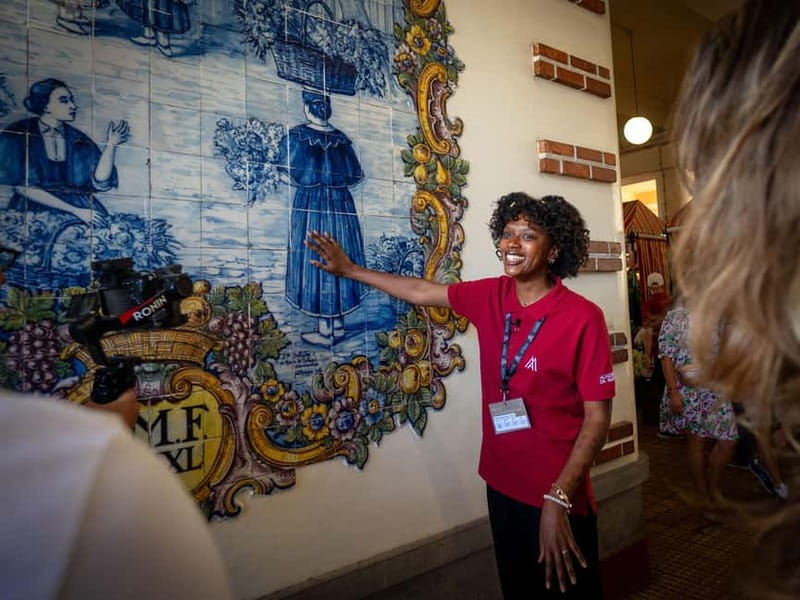
- Small group size (max 8) for easier questions and smoother timing
- Poncha + dentinho at a traditional tavern-style stop
- Madeira wine and cake finish at the Jesuits’ College of Funchal
- Old town lanes plus fortress ruins and the Admiral’s Garden for scenery and context
- Age of Discovery and Columbus connections, tied directly to what you’re tasting
Starting at the Colégio dos Jesuítas: where your walk really begins
Your tour starts at the Jesuits’ College of Funchal, at the University of Madeira rectory area, right beside D’Oliveiras Madeira Wine on Rua dos Ferreiros. The meeting point isn’t inside the church—stand by the glass doors near the University of Madeira signage, and arrive about 10 minutes early so you don’t slow the group down.
This first location matters because it sets the tone: you’re not just wandering streets. You’re starting with a site tied to education and interpretation, and the walk gradually pulls you toward Funchal’s bigger story—religion, trade, and the island’s economy—all without needing museum tickets or quiet time.
You can also read our reviews of more walking tours in Funchal

Funchal City Hall stop: the 15th-century urban puzzle
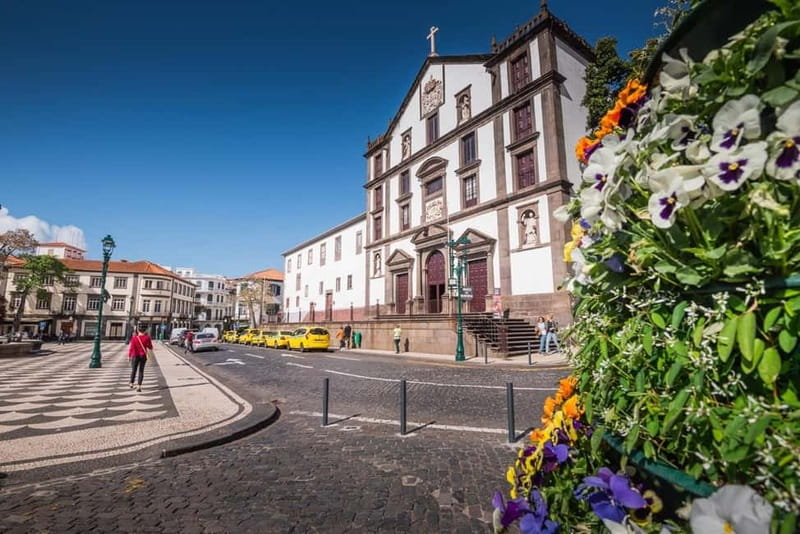
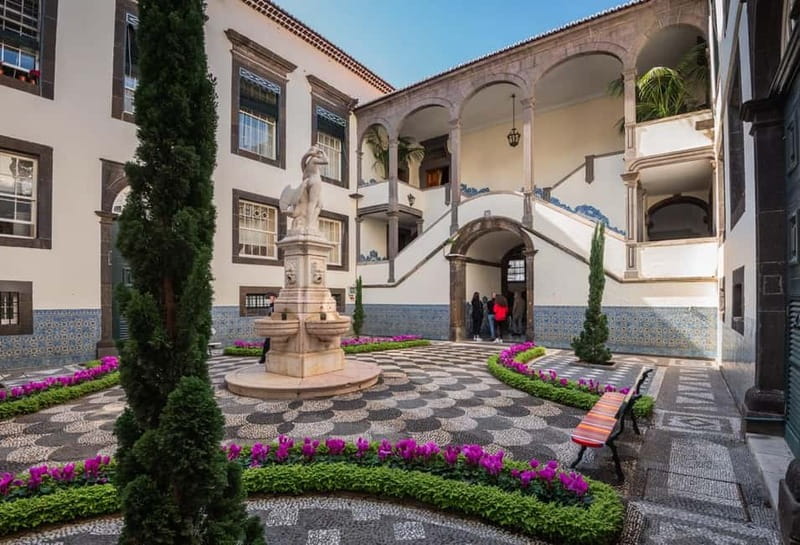
After a quick photo moment at Funchal City Hall, you get a small taste of how the city took shape from the 15th century onward. This stop is a good example of why the tour works: it grounds the walk in how Funchal formed and why the center mattered for later centuries.
If you like “why is this here?” questions, this part will click. You get context before you hit the older streets, so later landmarks won’t feel like random stops.
The 19th-century sweet factory: bolo de mel and biscuits you’ll remember
Next comes the big food anchor: the Fábrica de Santo António, a 19th-century sweet factory still operating in its original location. This is where you sample traditional bolo de mel and regional biscuits made with time-honored recipes.
The practical payoff: you’ll taste the difference between Madeira sweets that feel simple and the ones that actually carry a long production tradition. And since this is a working factory, you’re seeing a living craft rather than a staged demo.
If you have a sweet tooth, this stop is the one you’ll talk about later. If you don’t, it still helps you understand why Madeira’s trade links and agriculture show up in food. Sugar, after all, didn’t become important by accident.
Farmers’ Market and tropical fruit: Estado Novo architecture plus real flavor
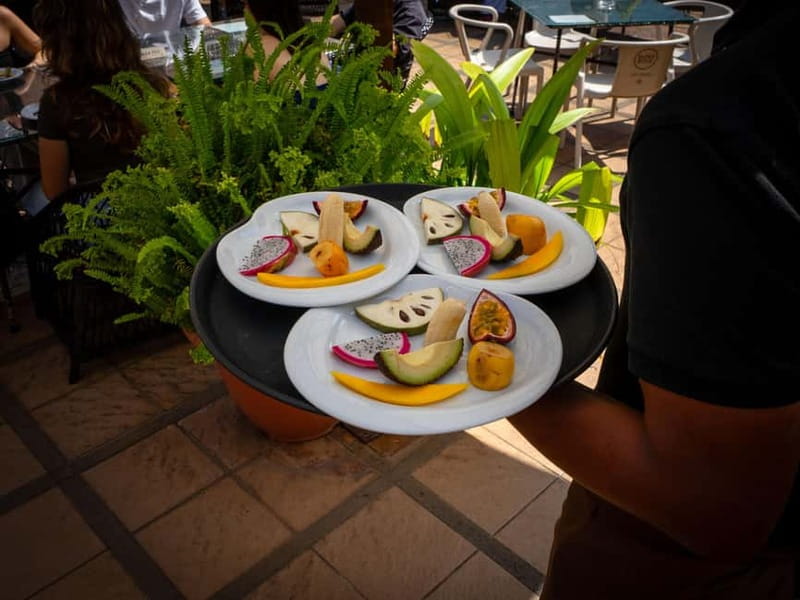
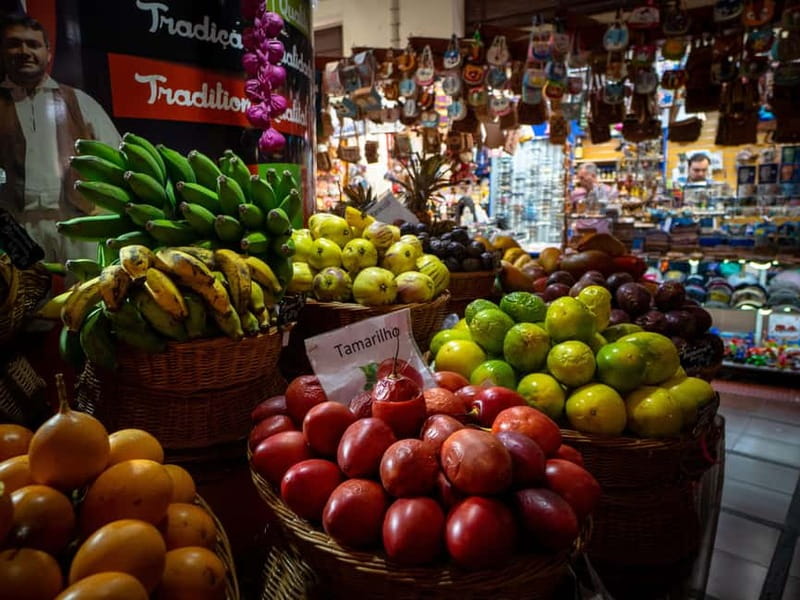
Then you move through the city toward the Farmers’ Market, where you not only taste tropical fruits but also learn about the architecture linked to the Estado Novo period. The fruit tastings are short, but they’re multiple varieties, so you get variety without getting stuck tasting slowly for an hour.
This is a smart pacing choice. You’re walking, sampling, learning, and then walking again—so your brain stays engaged and your stomach doesn’t get overloaded.
You’ll also hear how Madeira became a strategic stop for ships and commodities moving between Europe, Africa, and the Americas. The guide ties that “in-between geography” to why different flavors and products ended up mattering on the island.
Rua de Santa Maria and the Admiral’s Garden: narrow lanes with big meaning
Crossing into the old town brings you to narrow medieval lanes around Rua de Santa Maria, plus the Admiral’s Garden and ruins of a once-important fortress. These are the kinds of places where the street shape tells a story: tight turns, old walls, and that distinct feel of older Funchal.
The takeaway isn’t just visual. The guide uses these spaces to connect Madeira’s development to faith and to the island’s position in longer global routes. Even if you’ve seen old streets before, the way this tour explains their role makes it easier to remember what you’re looking at.
This part is also where you’ll appreciate the small group. With fewer people, you move more naturally through narrow areas and you can hear the guide without constantly fighting for position.
You can also read our reviews of more guided tours in Funchal



Columbus at Colombo Square: the sugarcane connection
At Colombo Square, you get a story that most people don’t expect: Columbus’s time in Madeira and how it connects to the island’s sugarcane economy. It’s the kind of detail that changes your mental map of the Age of Discovery.
Instead of hearing only generic “exploration happened” lines, you’re shown a specific link between a famous name and a local resource. That makes the history feel less like a lecture and more like a cause-and-effect story.
If you’re the type who likes history, this stop rewards you. If you’re not, it still gives you a clear reason to care about the earlier tastings and the Madeira economy topics the guide brought up.
Poncha and dentinho: the traditional grocery-tavern break
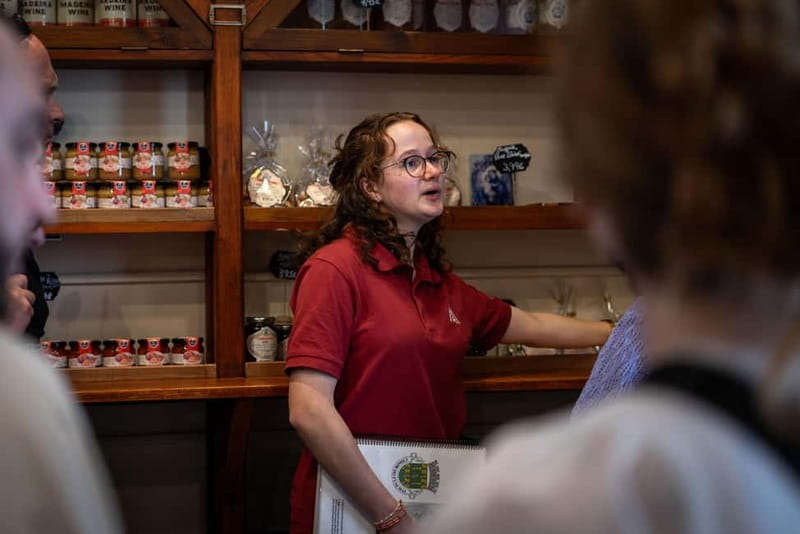
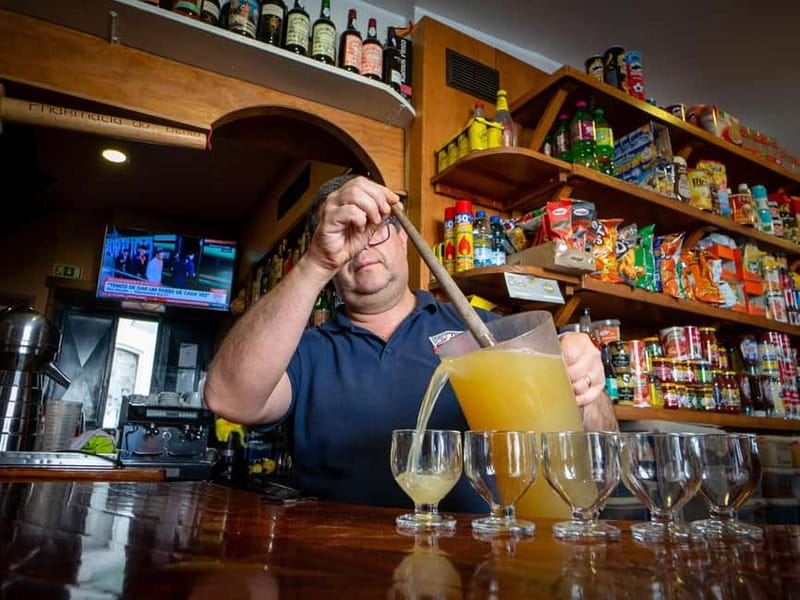
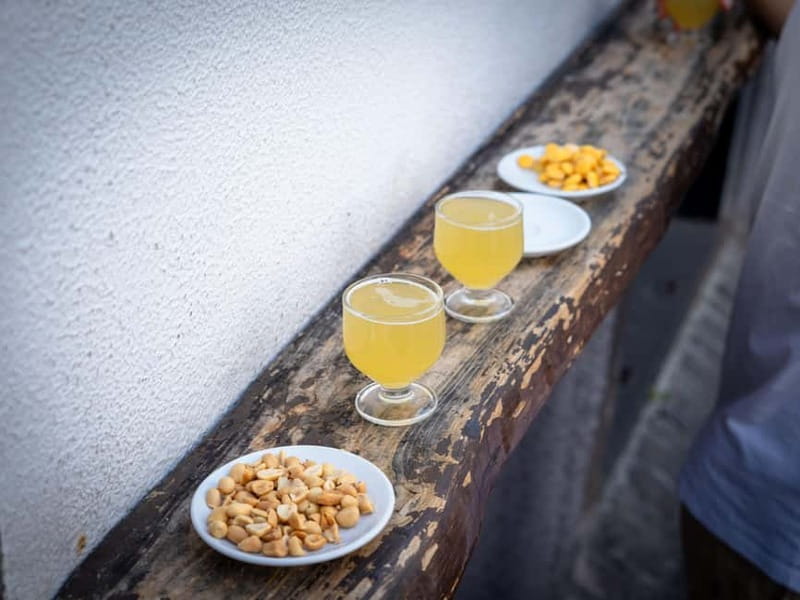
Next you get a relaxing pause at a traditional grocery-tavern-style stop. Each participant enjoys a glass of poncha, the sugarcane spirit associated with Madeiran conviviality, paired with a local savory snack called dentinho.
This is a great moment to slow your walk pace without losing momentum. It breaks up the sweets-and-biscuits cycle and brings something savory and boozy into the mix.
Practical tip: poncha is the one thing on the list that can sneak up on you socially. Go easy, enjoy it, then keep moving with the group.
Legislative Assembly and Funchal Cathedral: faith as power
Passing major landmarks keeps the tour moving while still covering big themes. You’ll see the Regional Legislative Assembly and then reach the Cathedral of Funchal for a guided look.
The Cathedral stop has a specific historical punch: it was once the seat of the largest Catholic diocese in the world. That detail helps you understand why religious institutions played a central role in the archipelago’s story, not just in churches but in the wider social and political life.
If you’re interested in how power works—who controlled records, education, and outreach—this is where it comes into focus.
Chocolate, coffee, and the final Madeira wine ritual at the Jesuits’ College
After the Cathedral, you’ll head to a boutique chocolate shop for a tasting of four handmade bonbons paired with coffee or cappuccino. It’s a clean transition: you finish one set of history and head into a more sensory, lighter moment.
Then you return to the Jesuits’ College of Funchal for the last tasting: a selection of Madeira Wine varieties served with traditional Madeiran cake. The whole tour closes this way on purpose. You end where you started, and the flavors—sweet, fortified wine, and cake—tie together the island’s themes of trade, resilience, and identity.
This is also the moment to ask your guide where to go next. With the tastings fresh in your mind, suggestions land better and feel more personal.
How the 3 hours adds up: price and value
At $57 per person for a 3-hour small-group walk, the value comes from three things happening at once:
- You’re paying for more than sightseeing. You get multiple tastings across sweets, fruit, poncha, chocolate, and Madeira wine.
- You get access to places you’re less likely to find on your own in a single route—like the working sweet factory and the City Hall interior story connection.
- You’re supporting a not-for-profit program tied to the University of Madeira Students’ Union, with proceeds supporting educational outreach in local schools and social assistance to university students.
This isn’t a full meal tour. It’s a cultural walk where samples do the work. The best way to plan is to treat it like your “food and story slot” for the day, then eat a proper lunch earlier or dinner afterward depending on your schedule.
Is it pricey? It’s middle-of-the-road for an organized, English-guided, small-group experience with that many stops and drinks. The tastings help justify the price because you’re not just looking—you’re tasting at several points.
Who should book this tasting tour (and who might not)
This is a strong fit for you if you want:
- A guided way to understand why Funchal looks the way it does
- A food-first approach that still covers key sights like the Cathedral and old lanes
- A manageable walking plan with multiple short stops rather than one long grind
- English interpretation and a small group format (max 8)
It might not be your best match if:
- You dislike walking for 3 hours straight, even at a gentle pace
- You’re expecting a full lunch or dinner instead of samples
- You’re traveling with lots of luggage, since luggage or large bags aren’t allowed
Also note: it’s not suitable for children under 18, so it’s clearly aimed at adults who want a cultural and culinary focus.
Should you book Madeiran Heritage’s Funchal walking tasting tour?
If you like your vacations with both flavor and context, I’d book it. This tour gives you a smart mix: a working sweet factory, a market tasting, poncha with a savory bite, and a wine-and-cake finish, all wrapped in the story of Madeira’s trade routes and religious influence.
For first-time visitors, it’s a shortcut to understanding Funchal without getting lost. For repeat visitors, it still works because it connects landmarks and food in a way that makes the city feel new again.
If you’re only in town for a short time and you want a day plan that covers both “what to see” and “what to taste,” this is a practical pick.
FAQ
How long is the guided walking tour?
It lasts 3 hours.
How many people are in each group?
The tour is a small group limited to 8 participants.
What language is the tour guide?
The tour is conducted in English.
What tastings are included during the walk?
You’ll taste traditional bolo de mel and regional biscuits, tropical fruit, poncha with a local savoury snack called dentinho, four handmade bonbons with coffee or cappuccino, and a selection of Madeira Wine varieties with traditional Madeiran cake.
Is this tour a full meal?
No. It’s a cultural experience with multiple samples and drinks, but it’s not meant to replace a full lunch or dinner.
Where do I meet the group?
Meet at the Jesuits’ College of Funchal, University of Madeira, next to D’Oliveiras Madeira Wine on Rua dos Ferreiros. The meeting point is at the University entrance by the glass doors, not inside or outside the church.
Is the tour suitable for children?
No. It’s not suitable for children under 18.
Is wheelchair access available?
Yes, the tour is wheelchair accessible.
What isn’t included in the price?
Transportation to the starting point and any personal expenses are not included. Additional food and drinks beyond what’s mentioned aren’t included.
What’s the cancellation policy?
Free cancellation is available up to 24 hours in advance for a full refund.