REVIEW · VILA FRANCA DO CAMPO
São Miguel, Azores: Whale and Dolphin Watching Tour
Book on GetYourGuide →Operated by OceanEye Azores · Bookable on GetYourGuide
The Atlantic delivers real animal encounters. This São Miguel whale and dolphin watching tour is built around finding whales and dolphins in their own world, then ending with a scenic detour around Ilhéu de Vila Franca do Campo. It’s guided, it’s active, and it’s one of the more straightforward ways to experience why the Azores are famous for marine life.
What I like most is the chance to see sperm whales and dolphins depending on the season. I also like the feel of a more personal boat outing, with captains and guides focused on getting everyone a great view (and sometimes even time in the water when conditions allow). One drawback: this is still open-ocean time. If you’re sensitive to motion or you have back issues, you’ll want to think hard before booking.
In This Review
- Key things to know before you go
- Why São Miguel is such a strong whale-watching base
- The 3.5-hour rhythm: what the time at sea is really like
- Catamaran vs RIB: pick the boat that matches your stomach
- What you can realistically see: sperm whales, dolphin pods, and seasonality
- When swimming with dolphins happens (and when it might not)
- The Vila Franca do Campo islet loop: a volcanic crater worth the time
- Marine-life etiquette: what to do (and what not to do)
- What to pack for a São Miguel sea day
- Price and value: is $69 a good deal?
- Who should book this tour (and who should skip it)
- Meeting point quick sanity check
- Should you book this São Miguel whale and dolphin watching tour?
- FAQ
- How long is the São Miguel whale and dolphin watching tour?
- Do I choose between a catamaran and a RIB boat?
- Are food and drinks included?
- What should I bring?
- Is touching marine life allowed?
- What happens if weather cancels the trip?
Key things to know before you go
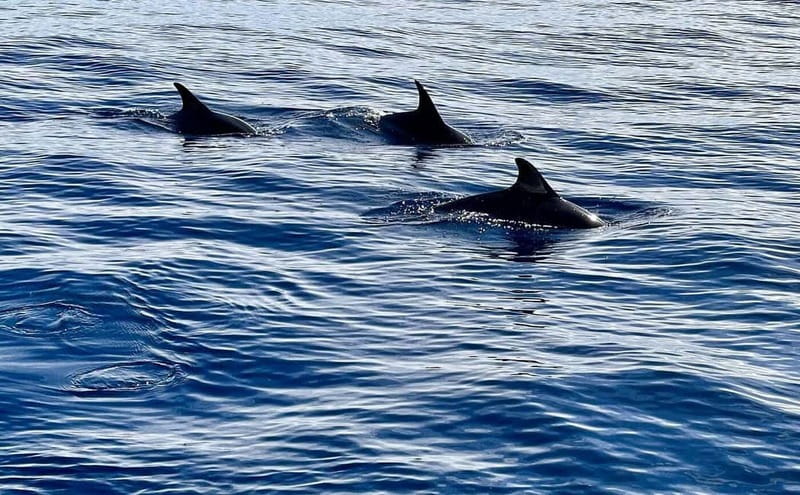
- Choose your boat for your comfort level: RIB for speed and closer animal-viewing chances; catamaran for stability and a calmer ride.
- Sperm whales and dolphins are realistic targets: The tour operates in a region where multiple species pass through year-round.
- You may get more than just watching: Some departures can include time swimming, if the captain approves based on conditions.
- A nature-reserve crater is the payoff stop: On the way back you sail around the protected Ilhéu de Vila Franca do Campo.
- You’ll have a plan, but the ocean decides the pace: Weather can cause rescheduling, and whale timing can vary.
Why São Miguel is such a strong whale-watching base
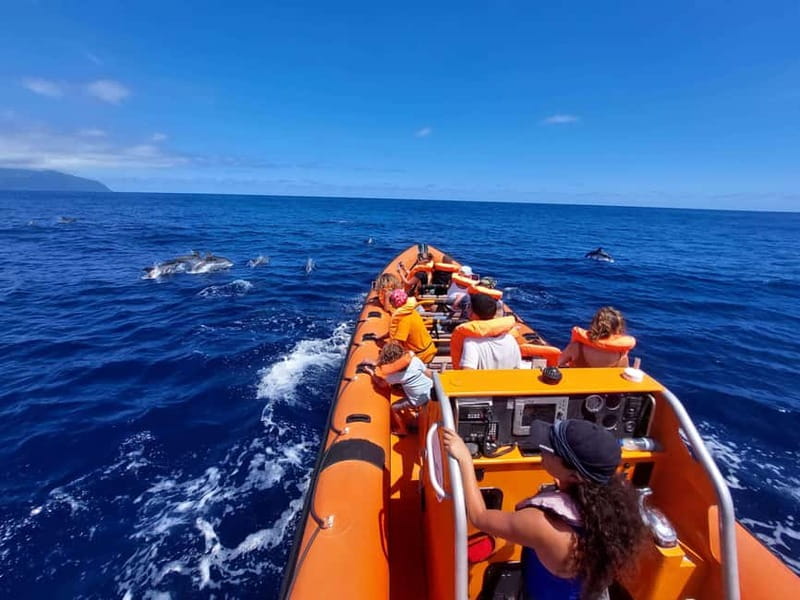
The Azores sit in the middle of major Atlantic routes, which is why so many whales and dolphins show up here. More than 25 species of whales and dolphins pass through the islands during the year. And four species can be seen year-round: sperm whales, bottlenose dolphins, Risso’s dolphins, and common dolphins.
That matters because it’s not a “wait and hope forever” activity. You still can have an off day, but you’re not traveling blind. You’re going to a place where marine life is part of the local rhythm, and your guide can help you read what you’re seeing in the water.
You can also read our reviews of more tours and experiences in Vila Franca Do Campo.
The 3.5-hour rhythm: what the time at sea is really like
Plan on about 3.5 hours total out on the ocean. Before you cast off, you’ll get a short briefing (show up about 15 minutes early). Then it’s straightforward: you head out to search, you watch and learn along the way, and you return with that crater-island loop that gives you a final set of photo-worthy views.
This tour is also built for active viewing. You’re not stuck staring at your feet. Lifevests are provided, and the crew works to position the boat so you get a decent chance at spotting blows, movement patterns, and pods. In other words: your best job is to stay alert, keep your eyes up, and listen when the guide calls out what to look for.
Catamaran vs RIB: pick the boat that matches your stomach
This is the big decision point. You can choose between a catamaran and a RIB (zodiac-style) boat, and the choice affects your whole experience.
RIB boat (high speed, closer viewing potential):
A RIB is fast and can get you near where animals are moving. That often feels more exciting because the boat reacts quickly to sightings. If you want energy and a more hands-on feel, this is the option to consider.
Catamaran (more stable, easier on the body):
If you prefer comfort, the catamaran is the calmer choice. It also has a bathroom on board, which is a real quality-of-life upgrade on a few-hour outing.
A practical note: when booking, if only the RIB option shows, it’s because the catamaran isn’t available. So if stability is your priority, check dates carefully.
What you can realistically see: sperm whales, dolphin pods, and seasonality
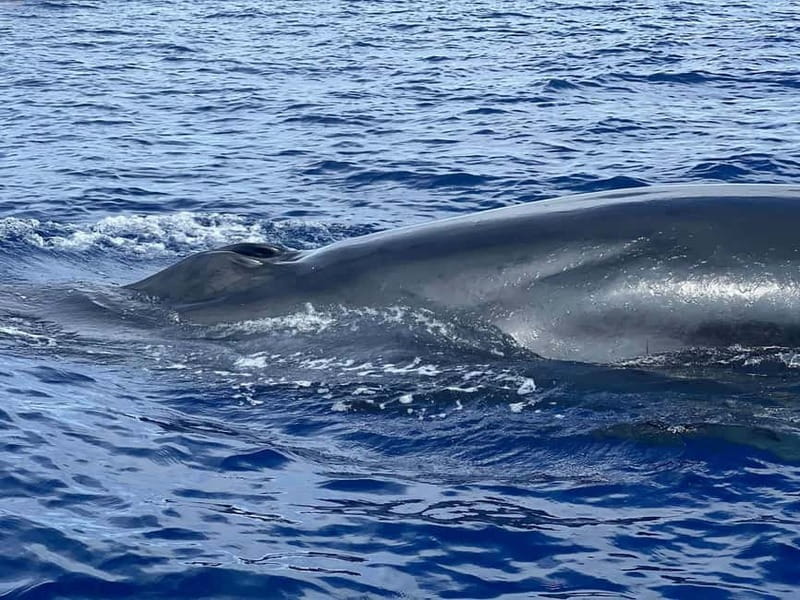
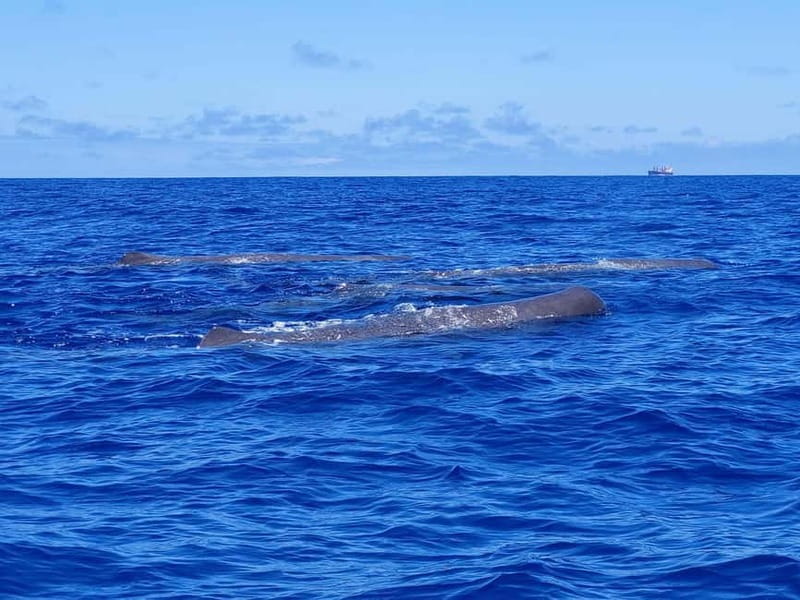
The most consistent “star” animals here are sperm whales and dolphins. Year-round, you have realistic odds with species like sperm whales plus bottlenose, Risso’s, and common dolphins. Depending on the season, you may also spot larger whales such as blue whales or other dolphin species playing near the boat.
Two things to keep your expectations on track:
- Animal sightings aren’t scheduled like a museum stop. The ocean makes the rules, so timing can vary.
- You’ll often get the best experience when you’re flexible about where the boat goes next. If the captain needs to search farther, you may need a bit of patience before things pop.
From the experience side, the most memorable moments tend to come when dolphins are actively feeding or moving in groups. When pods are visible, it can feel like the boat becomes part of the action—especially with dolphins swimming alongside and across the bow.
When swimming with dolphins happens (and when it might not)
Here’s the part that can turn a whale watch into a life memory: sometimes the captain may invite you into the water. Some departures include swimming with dolphins, and the crew provides clear instructions so people aren’t crowding animals or trying to force an interaction.
Important reality check: this isn’t described as a guaranteed, always-on feature. Conditions, safety, and the captain’s judgment matter. If swimming is a must for you, ask about how they decide on it, and be ready for the possibility that you’ll only observe from the boat.
Also, if you go in the water, you’ll want to be comfortable with open water and follow every safety instruction immediately. The lifevest is there to support you, but your calm, focused behavior is what keeps it fun.

The Vila Franca do Campo islet loop: a volcanic crater worth the time
On the return trip, you don’t just point the boat back to the marina and call it done. You’ll sail around Ilhéu de Vila Franca do Campo, an ancient volcanic crater that’s now protected as a nature reserve.
Why this is more than a quick detour: the islet has striking rock formations, and the boat’s angle can make those formations look dramatic. It’s a nice change of pace after watching whales and dolphins, and it’s great for photos—especially if you like seeing how the Azores’ volcano story connects to the sea.
Think of it as the tour’s “final postcard” moment. You’re still on the water, but now you’re also getting that sense of place: crater, coastline, and Atlantic air.
Marine-life etiquette: what to do (and what not to do)
The rules are simple, and they protect both wildlife and your experience. You’ll be asked not to touch marine life or touch plants. Smoking is also not allowed.
The best mindset is “watch, don’t interfere.” Keep your hands to yourself. Use your phone or camera carefully. And when the guide calls out animal behavior, treat it like a quick briefing: listen first, then look.
This kind of etiquette also tends to improve what you see. When the crew manages the boat position and you avoid sudden movements, animals are more likely to keep doing their thing.
What to pack for a São Miguel sea day
This tour gives you a lifevest, but you’re responsible for the rest. I’d treat this like a proper ocean outing, not a calm lake cruise.
Bring:
- Sunglasses and a hat (salt wind can be sneaky)
- Sunscreen (yes, even on cloudy-looking days)
- Water and comfortable clothes
- A change of clothes (smart for spray or any water-time possibility)
- Motion sickness prevention if you’re prone to it
Wear comfortable gear. The boat is moving, and you’ll want shoes or clothes that don’t make you fumble around during sightings.
Price and value: is $69 a good deal?
At about $69 per person for a 3.5-hour whale and dolphin watching tour, the value is mostly about probability and the quality of the experience. In the Azores, whale watching isn’t rare because of luck alone—it’s supported by geography and seasonal patterns. That’s why this price can feel fair: you’re paying for guided searching in a strong zone, plus marine-life education.
You also get some practical extras included:
- Lifevests
- An experienced guide
- Bathroom access on the catamaran
- A free change room available at their facilities
- A sightseeing warranty policy (you’re buying peace of mind, even if you can’t control the weather)
Food and drinks are not included. That’s the one place you’ll likely feel the cost: pack your own water and plan on bringing snacks if you get hungry. Since the tour lasts a few hours, a small personal snack strategy keeps you from spending extra later.
Who should book this tour (and who should skip it)
This tour fits best if you:
- Want a classic São Miguel whale watching experience without overcomplicated planning
- Feel comfortable being out on open water for a few hours
- Enjoy guided interpretation of marine life and the local ecosystem
It may not be for you if you’re:
- Pregnant
- Dealing with back problems
- Prone to seasickness
- Hoping for a fully calm, zero-motion ride (even the catamaran moves)
If you’re on the fence because of motion, choose the catamaran and use motion-sickness prevention. And be honest with yourself about your tolerance. On whale days, the boat can change direction quickly when sightings happen.
Meeting point quick sanity check
You’ll meet at a kiosk in the Marina, opposite the bar. The team is identified through their branded store locations (including Oceaneye Azores and related brands), and staff will verify your reservation there.
One small tip: ignore anyone pretending to be staff. If you don’t see your operator’s branding, keep walking until you find the correct storefront.
Should you book this São Miguel whale and dolphin watching tour?
If you want a solid shot at whales and dolphins in the Azores, this is an easy “yes” for most people. The main reasons: you’re in a proven whale region, you get real guidance, and you also get a meaningful nature reserve stop at Ilhéu de Vila Franca do Campo on the way back.
I’d only hesitate if you’re highly seasick-prone, have medical limitations related to boat movement, or you need guaranteed animal encounters. The ocean can always be unpredictable, but the crew’s job is to search intelligently and maximize your chances.
If you book, pick your boat based on your comfort, pack for sun and spray, and show up ready to watch closely. When the dolphins show up or a whale surfaces, the whole day clicks into place fast.
FAQ
How long is the São Miguel whale and dolphin watching tour?
The tour lasts 3.5 hours.
Do I choose between a catamaran and a RIB boat?
Yes. You can choose between a catamaran or a RIB boat when booking. If only the RIB option appears, it’s because the catamaran isn’t available.
Are food and drinks included?
No. Food and drinks are not included.
What should I bring?
Bring sunglasses, a hat, change of clothes, sunscreen, water, comfortable clothes, and motion sickness prevention if you need it.
Is touching marine life allowed?
No. You’re not allowed to touch marine life (or touch plants).
What happens if weather cancels the trip?
Trips are subject to cancellation due to weather conditions. If it can’t take place, the operator will reschedule it or refund you.