REVIEW · FUNCHAL
PR1 Sunrise Pico do Arieiro Self-Guided Hiking Transfer
Book on Viator →Operated by Do It Madeira · Bookable on Viator
A 5:30 am start sounds wild, until you see the peaks. This sunrise hike transfer whisks you from Funchal up to Pico do Arieiro, then hands you a self-guided plan so you can walk at your own pace.
I especially like the small shared van feel (transfer capped at eight), and the fact that you skip transport wrangling and just show up.
You also get solid pre-hike support: the day before, you should receive your exact pickup time and a weather forecast. One drawback to weigh: the mountain can be brutally cold, windy, or foggy, and parts of the trails can be closed, which may change the route you end up hiking.
In This Review
- Key Points to Know Before You Go
- How the Sunrise Transfer Works From Funchal
- The Drive Up at 5:30 am: Why It’s Worth It
- Pico do Arieiro: The Self-Guided Start (and the Real Weather Test)
- PR1 at Sunrise: Stairway to Heaven and the Post-Closure Reality
- When You Don’t Get PR1: The PR3 Alternative Plan
- Timing: How the 8 Hours Usually Feels on the Mountain
- The Group Size and Why It Feels Less Stressful
- Drivers and Communication: The Human Touch in the Details
- What to Pack (So the Mountain Doesn’t Win)
- Value for the Price: Why $39.92 Can Make Sense
- The Main Drawback: Weather and Route Changes Are Part of the Deal
- Should You Book This Sunrise Pico do Arieiro Transfer?
- FAQ
- What time does the pickup start?
- Where do pickups and drop-offs happen?
- Is the hike guided by a person?
- What languages are offered?
- How long is the experience?
- How big is the group?
- How long is the transfer from Funchal to Pico do Arieiro?
- Do you get the weather forecast and pickup time before the hike?
- What should I do if the trail is closed?
- Is there a cancellation window?
Key Points to Know Before You Go
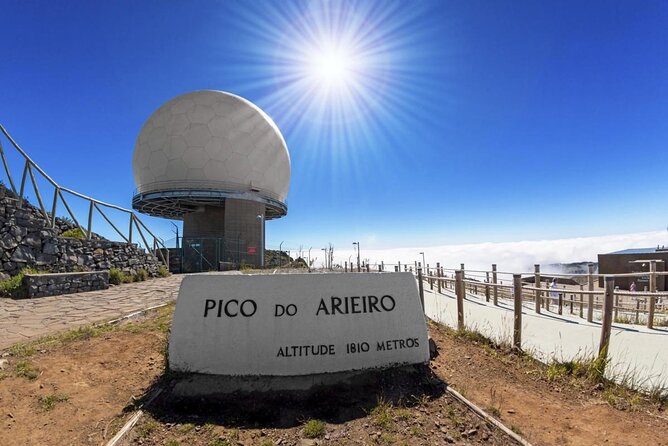
- Early pickup in Funchal or Caniço: starting around 5:30 am with door-to-door service in those areas
- Self-guided hiking: you get maps and instructions, then you’re free to set your pace
- Small-group transfer: capped at eight passengers for the ride, helping you avoid the big-bus crush
- Trail closures and reroutes can happen: you might hike PR3 instead if PR1 connections aren’t available
- Cold mountain start is real: bring layers, and expect wet feet if weather turns
How the Sunrise Transfer Works From Funchal
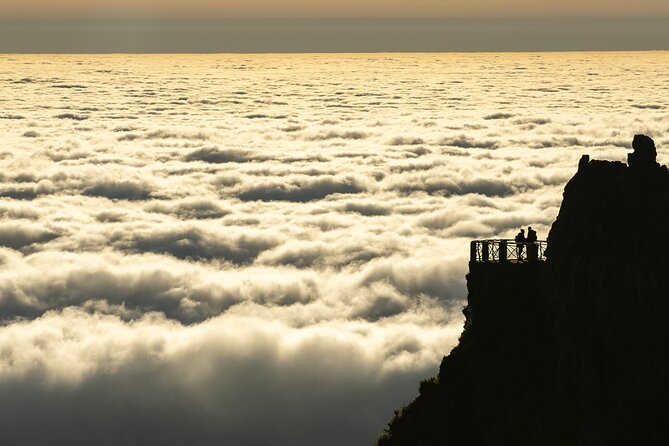
Madeira’s mountain mornings reward the early hours. This experience is built around that simple idea: get you to Pico do Arieiro in time for sunrise, then let you hike without babysitting. You’ll do it as a self-guided hike, but with a very organized handoff.
You start with a roundtrip transfer. You get picked up at your accommodation in Funchal or Caniço only. The drive into the hills takes about 1.5 hours each way when pick-ups and drop-offs are included, so you’re not just getting a quick taxi ride. The day before, you should get your pickup time and a weather forecast, which matters because visibility and wind decide how enjoyable the hike will be.
One more practical note: the service runs in English and Portuguese only, and the communication has a real-world feel. People report WhatsApp messages with clear details, and there can even be a text check-in while you’re on the trail. That’s the kind of reassurance you want when you’re out before sunrise and the trail is not exactly an urban sidewalk.
You can also read our reviews of more guided tours in Funchal
The Drive Up at 5:30 am: Why It’s Worth It
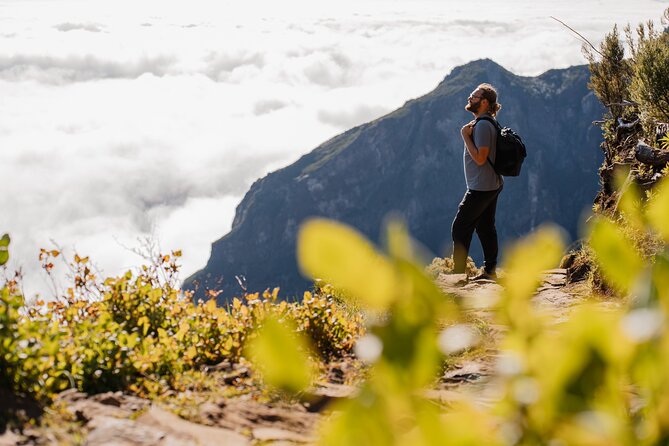
Most Madeira hikes are either too crowded or too complicated to coordinate on your own. Here, the transfer solves a big chunk of the problem. The vehicle limit is eight passengers, so you don’t feel packed in like a herd. And because it’s capped, you should get a more human timeline: less waiting, fewer delays, and fewer strangers asking where the bathroom is.
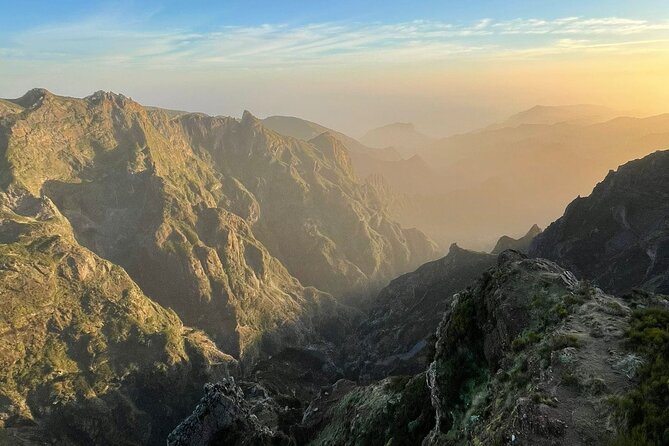
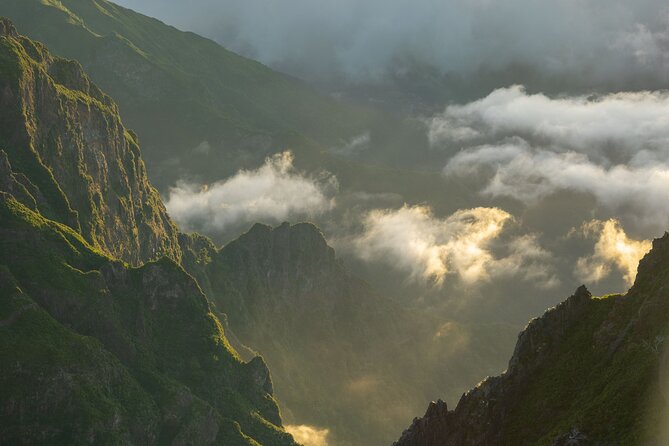
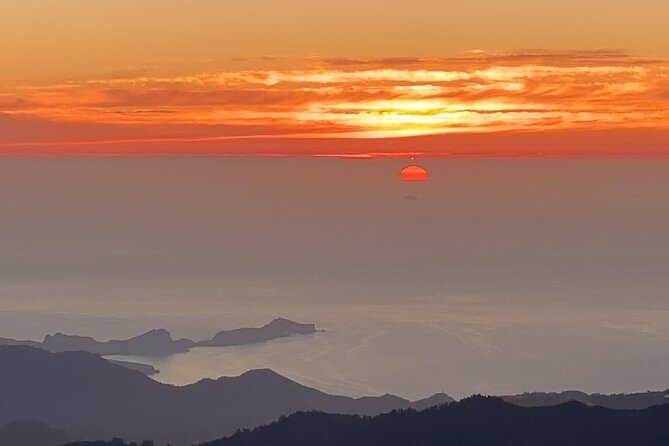
Starting around 5:30 am is no joke. But there’s a reason: you’re trying to catch light over the peaks while the rest of the island is still asleep. In one real-world run, the group reached the top around 6:15 am, with sunrise around 7:35 am. Your exact timing changes by season and weather, but the point stays the same: this plan is about being in position early enough to actually see the sunrise, not just hear about it later.
If you’re even mildly prone to motion sickness, don’t ignore the mountain-road factor. People mention lots of twists and turns on the drive. It’s not a safety issue, just a comfort issue. A simple fix is water, fresh air when you can, and avoiding heavy food right before pickup.
Pico do Arieiro: The Self-Guided Start (and the Real Weather Test)
Once you’re dropped at the entrance for Pico do Arieiro, you begin the hike on your own. You’re not walking blind. The process includes maps/instructions, and hikers report being well set up so they can find their way.
Here’s what you should plan for emotionally: the summit zone can swing from calm to chaos. Multiple experiences included wind, rain, and fog, and it can get bitterly cold early in the morning. If you come in athletic clothes meant for daytime, you may regret it. Pack like you’re going to a cold, wet rooftop, not like you’re going on a pleasant morning walk.
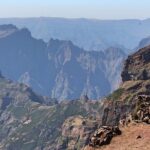
Visibility is the big variable. When the clouds lift, the views are the payoff. When the fog rolls in, the same cliffs can feel like a white wall. And that’s where the self-guided nature helps: you can slow down, wait for breaks in the weather, and change your timing without feeling rushed by a group.
PR1 at Sunrise: Stairway to Heaven and the Post-Closure Reality
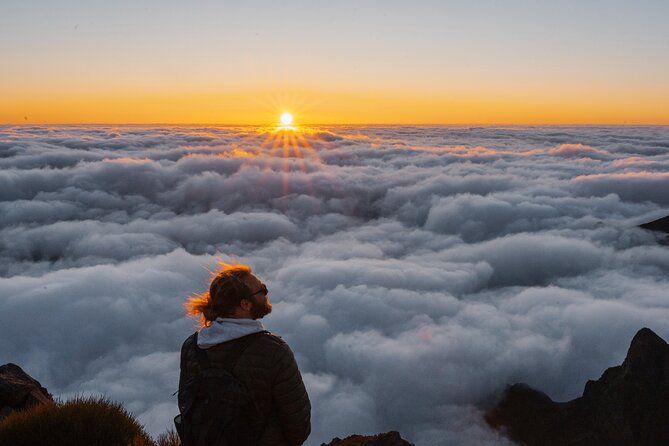
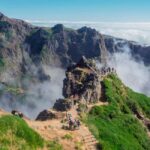
The headline part people chase is PR1, including the famous stairway section often described as the Stairway to Heaven. This is the stretch where your legs feel it and your brain remembers it. Some hikers say it’s spectacular even in bad conditions, and others flag that the heights can trigger fear if you’re sensitive to exposure.
But there’s a key consideration. There are reports that parts of PR1 have been affected by closures, including a situation where the continuation toward PR2 is blocked, with a return required by a gate. In plain terms: you might not get the full version shown in older photos.
Another detail worth knowing: one hiker warned about streams you have to cross during PR1. That’s not a reason to skip the hike. It’s a reason to wear footwear that can handle wet rock and don’t rely on sneakers that hate puddles.
If your plan is sunrise-focused, treat PR1 as the core act, but accept you may need to adjust based on what’s actually open when you’re there. The mountain doesn’t care about your itinerary.
When You Don’t Get PR1: The PR3 Alternative Plan
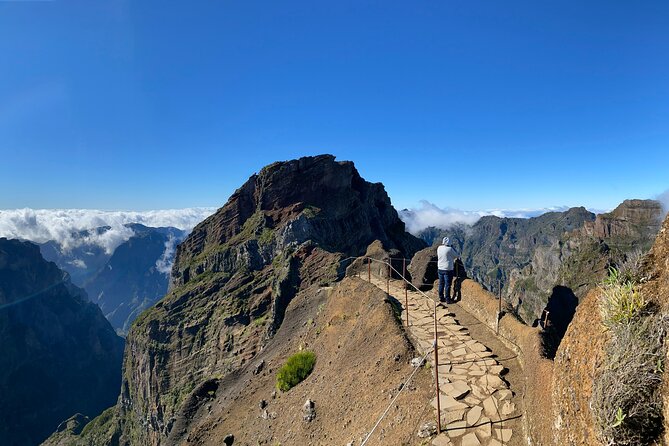
Even with the best intentions, trail availability can change due to closures or conditions. Some hikes ended up redirecting to PR3 when a connection toward Pico Ruivo wasn’t available. That reroute can be a plus, even when you lose a planned highlight.
PR3 is often described as a long downhill run once you’re set, with plenty of natural scenery and good moments when the cloud clears. One review framed it as a great chance to enjoy nature step by step, and another noted the footing can be muddy or slippery depending on weather.
If you worry about knees, take that seriously. Downhill on steep or dusty paths can be rough. Trekking poles help some people, and you may even receive an advance suggestion to bring them. If you plan to use poles, make sure you can store them easily and that you’re comfortable deploying them on uneven ground.
A few more Funchal tours and experiences worth a look

Timing: How the 8 Hours Usually Feels on the Mountain
The overall experience duration is about 8 hours (approx.). That includes the transfer time and your hiking window. Because you control the pace, the hike length can feel different for everyone, but many people describe it in the 3–4 hour range for the main hiking block.
A common structure you can expect is:
- Arrive early and start your hike at the drop-off entrance
- Spend time on the PR1 highlight area (if open) for sunrise positioning
- Continue down via your available route (often PR3 if rerouted)
- Finish at a spot with a café/restaurant option before you’re picked up again
The “end stop” matters more than you think. After cold air, wind, and exertion, you want something warm, food, and a place to reset. Multiple hikers mention the café at the end as a standout: comfy to rest, great food, and a welcome stop before the ride back.
The Group Size and Why It Feels Less Stressful
The experience has a max of 16 travelers, but the transfer vehicle itself is smaller, capped at eight. That split matters. It means you get logistics without turning your day into a slow-moving lineup.
Also, you’re not dealing with a full coach where everyone has different hiking goals. When you self-guide, your day becomes your own. Some people move quickly, others pause to photograph or wait out fog. Having a smaller transfer helps prevent the “everyone marches at the same time” vibe.
And if you’re traveling alone, this structure can be a relief. You can meet other walkers at the pickup/drop-off rhythm without losing your independence on the trail.
Drivers and Communication: The Human Touch in the Details
This is a practical trip, but it’s still driven by people. You might ride with guides/drivers like Pedro, Filipe, Nuno, Enrique (Henry), Fernando, or Christiano. The important part isn’t the name. It’s the pattern: clear instructions, friendly advice, and small local tips.
One theme in good experiences is how the driver helps you get your bearings quickly. People report being shown maps and given what they need to feel prepared right away. Another theme is “extra” planning: suggestions about clothing and gear, plus recommendations for what to do on the island (reported by at least one group as part of the broader conversation).
At altitude, small advice can matter a lot. If someone suggests trekking poles, or reminds you it can be freezing up there, that’s not trivia. It’s the difference between finishing happy and finishing stiff.
What to Pack (So the Mountain Doesn’t Win)
If you want the sunrise, you need to survive the cold start. Based on the experiences shared, here’s what you should treat as non-negotiable:
- Layers: wind can make early temps feel much colder
- Rain protection: fog and drizzle are not rare
- Good footwear: the trail can be muddy/slippery, and you may cross streams
- A small snack and drink: sunrise wait time is real
- Optional trekking poles: especially helpful for downhill stretches on PR3
If you’re the type who thinks trainers will be fine because you hike at home, that can work in dry conditions. But at least one group got hit with rain, fog, and cold, and they weren’t prepared enough. Don’t be that story.
Value for the Price: Why $39.92 Can Make Sense
At $39.92 per person, this is not a bargain because it’s “cheap.” It’s priced like a focused service: you’re paying for a reliable early transfer, door-to-door pickup (in Funchal and Caniço), and a setup that avoids you piecing together multiple parts of the day.
Think about the cost and effort of doing it on your own:
- getting to Pico do Arieiro early enough for sunrise
- managing timing so you’re not stranded
- finding the pickup point after your hike
This experience bundles those friction points. And the small transfer size is part of the value. It’s not a massive bus experience. You’re getting a calmer, more controlled start to a tough mountain day.
So, is it worth it? If you want sunrise and you don’t want to wrestle with logistics, yes. If you’re a confident DIY hiker who already has transport nailed, you might not “need” this. But for most visitors, the convenience is the point.
The Main Drawback: Weather and Route Changes Are Part of the Deal
The biggest consideration isn’t the hike difficulty. It’s the uncertainty of mountain conditions and trail availability.
You can get lucky with clear skies and spectacular sunrise. You can also get fog and wind that limit visibility and make steep sections feel intense. Some people say they skipped parts of PR1 when conditions were too rough and used extra time on alternative sections. Others mention they were redirected when sections were closed, even if they had been planning for the original route.
The smart move is to treat the route as flexible:
- Plan to hike something that day, even if it’s not the exact photo version
- Bring gear for cold and wet
- Accept that you’re on Madeira’s mountain weather schedule, not a calendar schedule
Should You Book This Sunrise Pico do Arieiro Transfer?
I’d book it if you fit one of these:
- You want sunrise on Madeira’s peaks without doing the transport math
- You like small-group logistics and hate crowded tours
- You’re comfortable with a self-guided hike where the route might adjust
- You can handle cold starts and you’re willing to dress for wind and rain
I’d think twice if:
- You get miserable in bad weather and hate changes to your plan
- You’re not comfortable with exposure on steep sections
- You’re expecting a guaranteed, always-open trail that matches every older photo
If you go in prepared and flexible, this can turn into a standout Madeira morning: a calm transfer up, a self-paced hike, and that first crack of light over the peaks when conditions allow.
FAQ
What time does the pickup start?
Pickup starts at 5:30 am for the sunrise hike.
Where do pickups and drop-offs happen?
Pick-up and drop-off are only offered in the Funchal and Caniço areas. The exact address needs to be accepted by the organizer.
Is the hike guided by a person?
It’s self-guided. You’re dropped at the trail entrance to hike on your own using the provided instructions and maps.
What languages are offered?
The service is available in English and Portuguese only.
How long is the experience?
The duration is about 8 hours (approx.) including transfers.
How big is the group?
There is a maximum of 16 travelers for the experience, and the transfer itself is capped at eight passengers.
How long is the transfer from Funchal to Pico do Arieiro?
The city-to-pickup drive averages about 1.5 hours including pick-ups.
Do you get the weather forecast and pickup time before the hike?
Yes. The day before, you should receive your exact pickup time and a weather forecast.
What should I do if the trail is closed?
The plan can change depending on closures and conditions. You may be redirected to another route such as PR3, and some hikers report receiving a heads-up in advance.
Is there a cancellation window?
There is free cancellation if you cancel up to 24 hours in advance of the start time for a full refund.