REVIEW · MADEIRA
Funchal: Advanced Scuba Diving Afonso Cerqueira Wreck
Book on GetYourGuide →Operated by Azul Diving Madeira - Blue Safari Madeira · Bookable on GetYourGuide
A 85-meter wreck feels like a city underwater. This Funchal outing pairs a protected reef with guided access to the Afonso Cerqueira’s engine room and cafeteria, so you’re not just watching fish. I especially like the mix of action and control: a structured skills-focused wreck session for certified people, plus enough time to look slowly at the hull. One thing to consider: since it’s capped at 30 meters and aimed at certified divers with recent logs, it’s not a casual first-timer activity.
What makes this worthwhile is that you don’t just reach the wreck—you get there with the right setup, then explore parts that actually make sense: captain’s deck, engine area, and shipboard spaces that turned into habitat. I also like that the staff at Azul/Blue Safari Madeira are praised as exceptionally helpful and considerate, with guides including Oreo, Vladimir Ged, and Jack. The only real drawback is practical: the schedule can feel a bit short once you’re down at depth, so you’ll want good buoyancy control to make every minute count.
In This Review
- Key highlights you’ll feel fast
- Afonso Cerqueira (85 meters) and why it’s special
- Meeting at Azul/Blue Safari Madeira and getting ready with your gear
- Cabo Girão area cruise: time on the water before the wreck
- Inside the ship: engine room, cafeteria, and captain’s deck
- Marine life on a protected reef: what to look for
- Training value: turning a wreck session into a real log entry
- Staff and guidance: why the team matters here
- Price and value: where the $64 really lands
- Practical tips that make this wreck session smoother
- Who should book this, and who should pass
- Should you book the Afonso Cerqueira wreck session off Funchal?
- FAQ
- What’s the price for this Afonso Cerqueira wreck scuba session?
- How long is the experience?
- What depth can I reach?
- Is equipment included in the price?
- What fees should I expect besides the $64?
- What’s included in the package?
- What do I need to bring?
- Who can join?
- Is alcohol allowed?
Key highlights you’ll feel fast
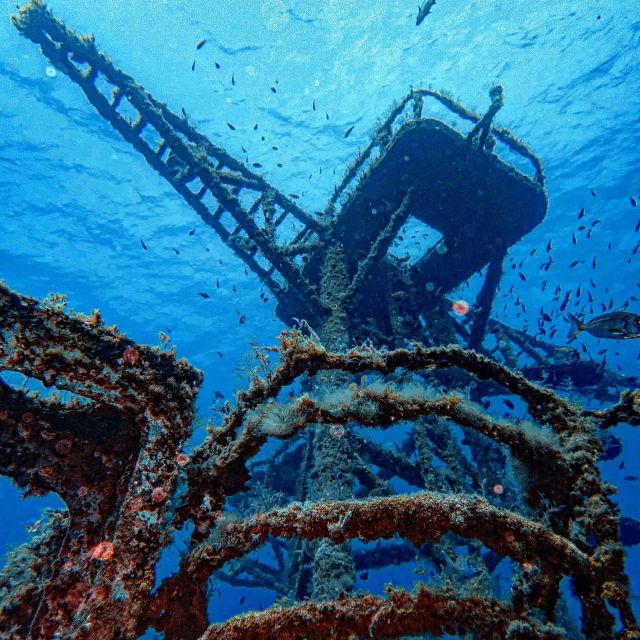
- 85-meter Afonso Cerqueira wreck turned into an artificial reef and underwater national park site
- Max depth 30 meters, making it ideal for logged, certified scuba work
- Ship interior access including engine room, cafeteria, and captain’s deck
- Protected reef marine life around hull structures and sea-floor features
- English instruction plus an instructor-led group format for confidence underwater
- Smooth operation praised by divers for helpful, considerate guidance from the team
Afonso Cerqueira (85 meters) and why it’s special
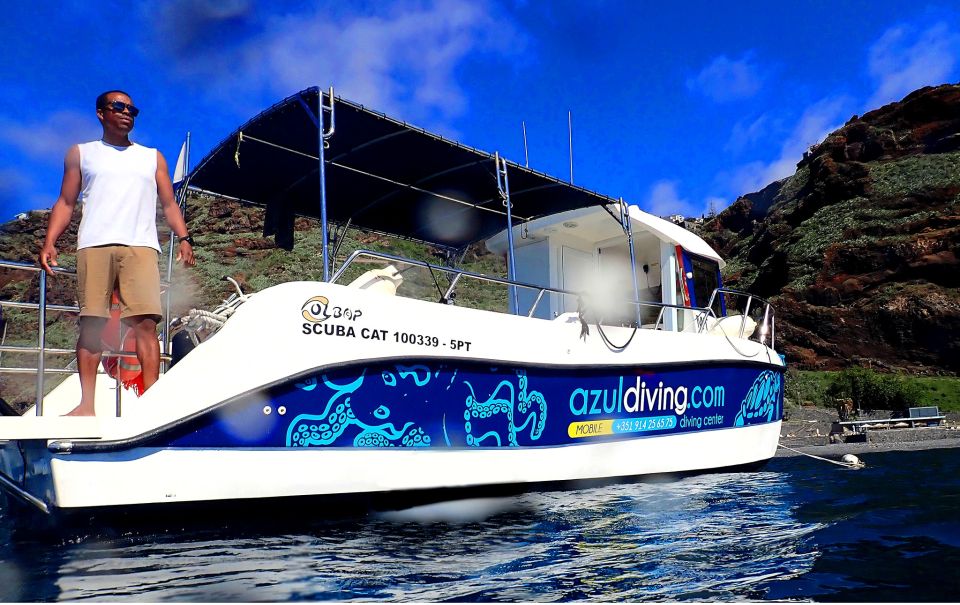
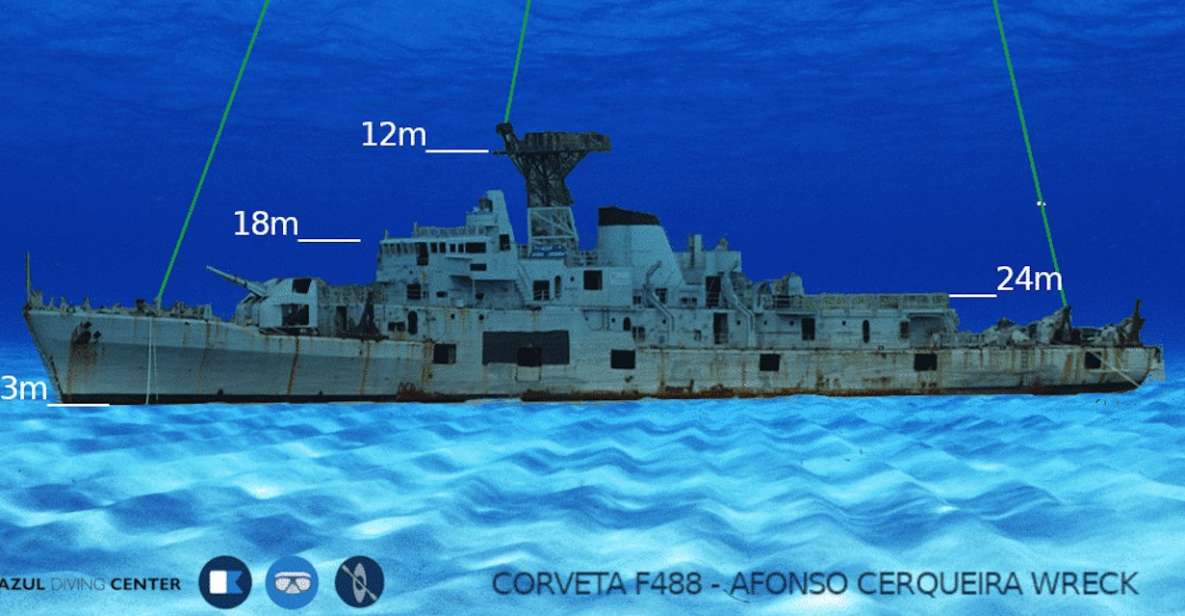
The Afonso Cerqueira wreck sits off Madeira and has been deliberately repurposed as an underwater habitat. That matters because it shifts the whole experience from a one-time sightseeing stop into an ecosystem you’re entering with rules. You’re still there to see the ship, but you’re also there to see what life has built around it over time.
And the size is the hook. An 85-meter hull gives you real geometry underwater. You’re not peeking around a corner—you’re moving along a long structure where you can often spot different zones (open water outside the wreck, shadowed interior spaces, and areas where current brings food). That layout makes it easier to stay oriented even when the light changes.
Also, this is a protected reef and an underwater national park site. In practical terms, that usually means you’ll be guided through it with respect for the site, and you’re less likely to feel like you’re in a free-for-all. You get the best of both worlds: historic structure and living habitat, without the vibe of a chaotic “spot-check” stop.
You can also read our reviews of more scuba diving tours in Madeira
Meeting at Azul/Blue Safari Madeira and getting ready with your gear
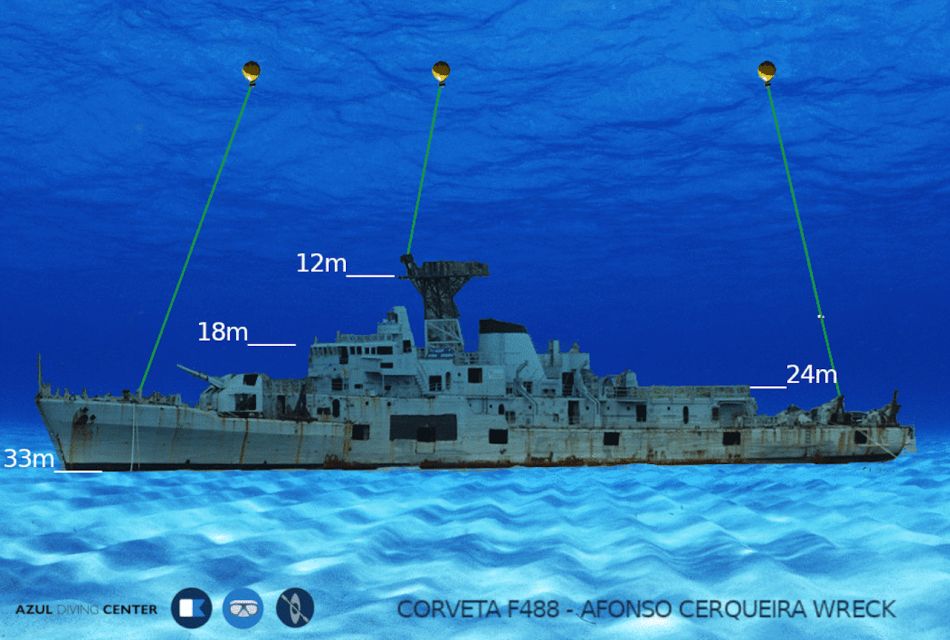
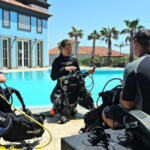
You’ll start at the shop base in Funchal with the team at Azul (Blue Safari Madeira). From there, the day is built around one straightforward goal: get you and your equipment to the wreck safely, then support you in the water with an instructor and a small group approach.
Here’s what’s included, and why it matters for your comfort:
- Boat ride to the site
- Air tank (12 or 15 liter) at 200 bars
- Weight system
- Insurance
Not included:
- Scuba equipment rental (you can rent at the shop)
- National park fees (3 euros)
- Food and drink
- Hotel pickup
This setup is a good value for two reasons. First, you don’t have to worry about arranging multiple vendors for basics like weights and tank pressure. Second, having the boat ride and air sorted removes time pressure, which helps if you’re traveling and don’t want to play equipment logistics roulette.
If you need gear rental, plan for it before you head out. Equipment timing is often the hidden variable that can shrink your actual underwater time. Also, bring your certification card. The entry requirements are clear, and they’re enforced.
Cabo Girão area cruise: time on the water before the wreck
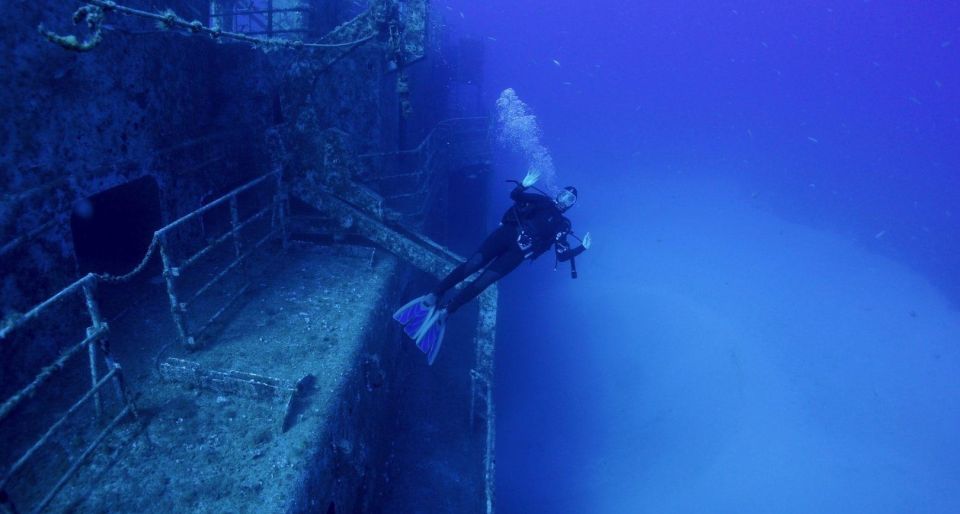
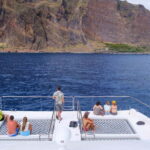
Before you’re on the ship structure, you’ll cruise out from the coast of Madeira. The point of this travel segment is not just transportation; it’s part of the experience. You’ll feel the ocean breeze, watch the coastline fall away, and get your body into the rhythm of being out on the water.
This also gives you a little buffer mentally. You arrive at the site calmer, with a chance to check your gear and review what you’ll do underwater. If you’re working on buoyancy and trim, that “on the way” time helps you get everything feeling consistent before you descend.
One practical note: because the schedule is short (the outing is listed at 2 hours), you’ll want to be ready promptly at the start. Show up with a clear plan for rentals, bathroom breaks, and what you’ll carry. Food and drink aren’t included, so I’d rather you bring water and a small snack than rely on buying something close by.
Inside the ship: engine room, cafeteria, and captain’s deck
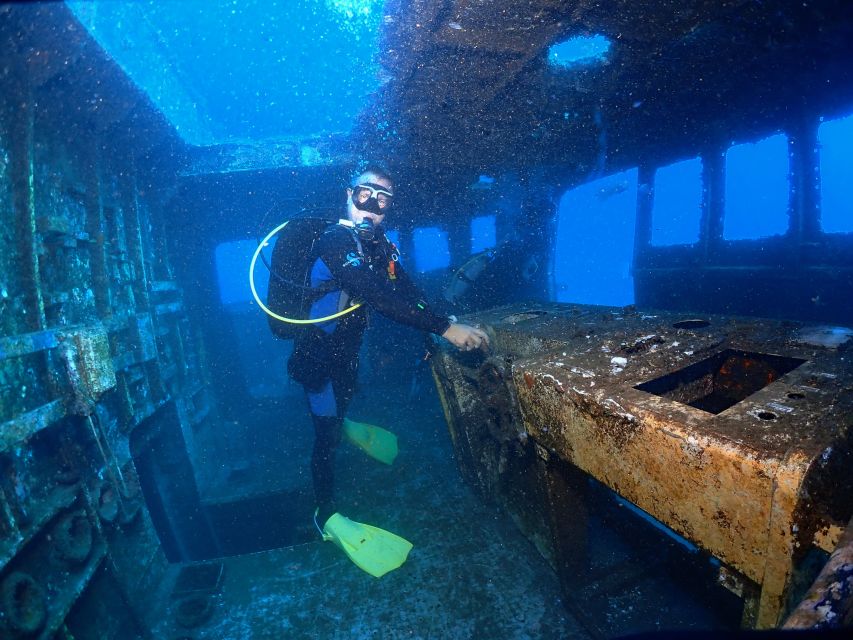
This is the part you’ll remember later. Instead of treating the wreck as a distant structure, you go inside and around key areas.
Based on the way the experience is described, you should expect time to move through and observe:
- Engine room spaces
- Cafeteria areas
- Captain’s deck
Those locations aren’t random. They’re the parts of the ship that tend to create strong “visual anchors” underwater: openings, larger compartments, and structural sections where marine life gathers. In many wreck sites, the outside hull is interesting—but the interior is where you start to feel the scale and story of the vessel.
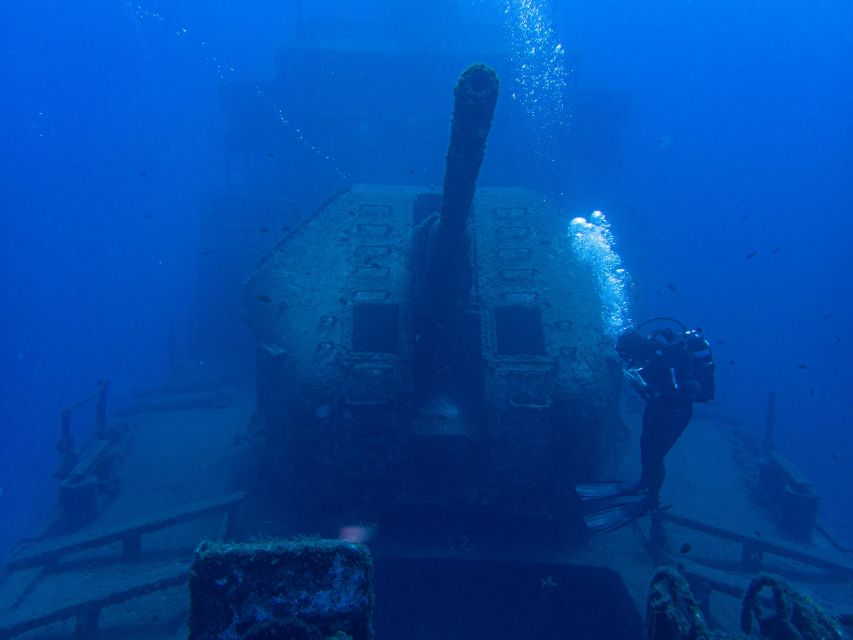
There’s also a skills angle here. Since this is for certified people, the guiding focus is usually on control and safe movement through tighter spaces. That means you’ll benefit most if you can manage your buoyancy and avoid stirring up silt. Clean technique not only protects the environment, it also makes the wreck easier to see.
If you’re prone to rushing when you get excited, this might be the moment where you’ll want to slow yourself down. The wreck is large enough that you can lose time by going fast. Moving at a steady pace is how you squeeze more value out of limited bottom time.
Marine life on a protected reef: what to look for
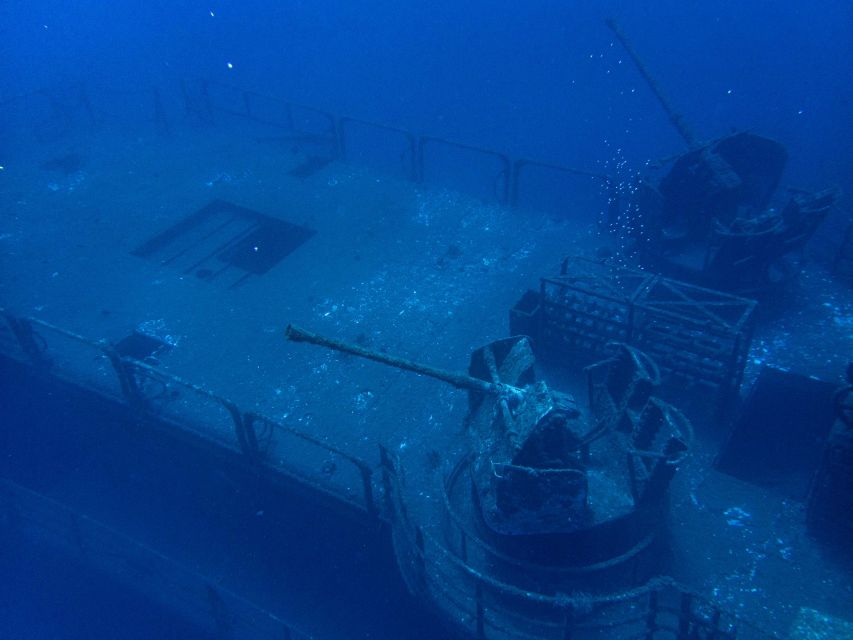
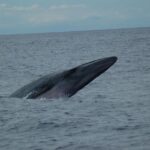
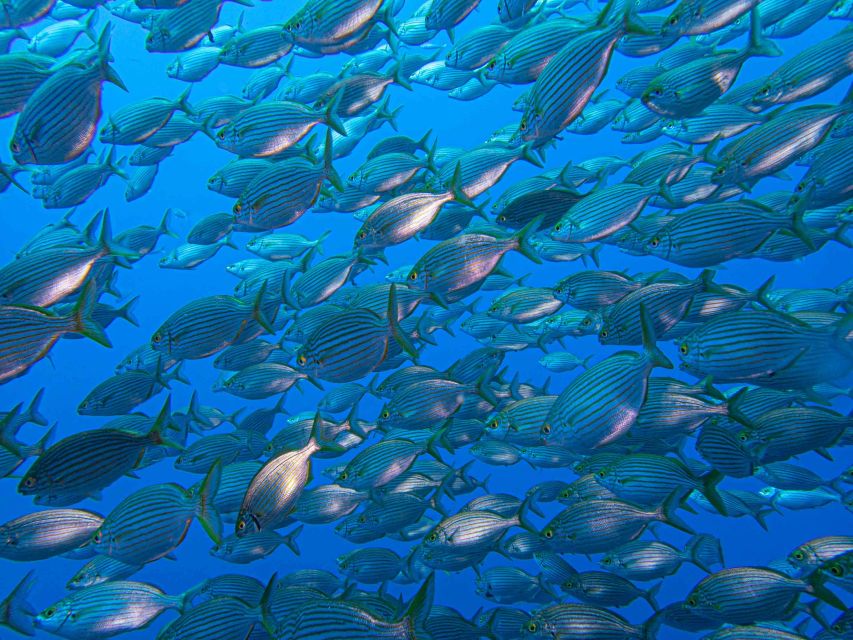
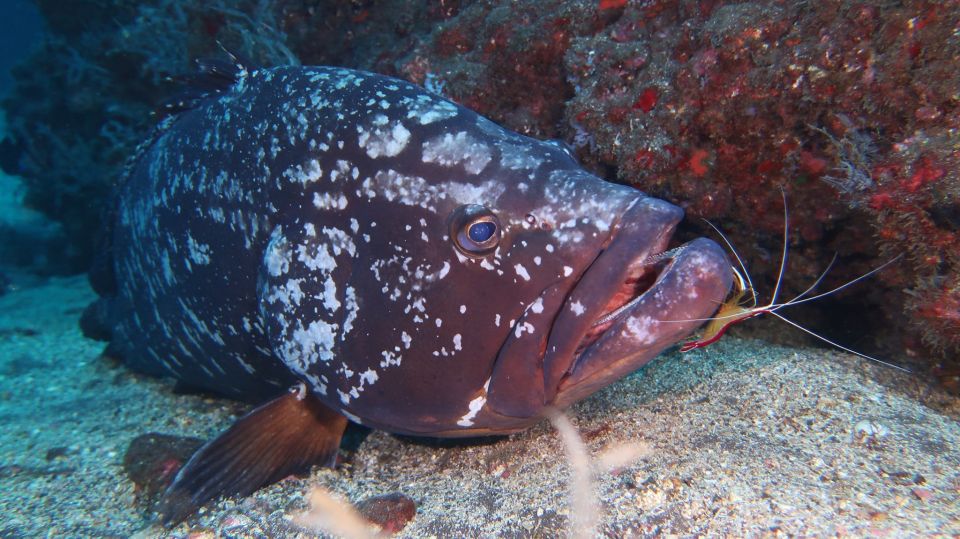
A shipwreck turned artificial reef is basically a moving set of surfaces: hard material, nooks, and edges. Those features help life attach, shelter, and feed. You’ll likely see an assortment of marine life using the wreck area as habitat, especially around structural zones where water flow delivers food.
What I like about this kind of site is that it rewards observation. Even if you don’t count species, you can still read the wreck:
- Look at how different sections attract life
- Notice where creatures seem to “hold station”
- Watch how fish react when you pass interior openings
Because it’s a protected reef and underwater national park site, the vibe should be less about speed and more about respect. That’s good for both the ecosystem and your own viewing. The slower you move, the more you notice.
And here’s a small practical thought: when you go into interior spaces, visibility can change due to light and currents. If you’re comfortable with that uncertainty, you’ll enjoy it more. If you’re uncomfortable in low-light areas, you’ll still get value, but you may want to focus on the clearer sections and follow your guide’s cues.

Training value: turning a wreck session into a real log entry
This outing is labeled as advanced-level scuba, but it’s not for brand-new certification. It has specific requirements, including:
- A minimum of 6 logged dives
- Diving during the last 12 months
- Minimum certification level: Open Water diver (or equivalent)
- Ability to use your certification to go down to a maximum of 30 meters where the wreck is found
Why this matters for you: wreck sites are more demanding than open water. The structure adds navigation complexity, and “where to go next” is less obvious. Also, moving near walls and openings calls for good buoyancy.
If you want to add a wreck-themed experience to your record, this is the kind of place that makes the entry meaningful. You’re not just “down there.” You’re navigating around a long wreck, staying controlled, and practicing how to observe and move within a complex underwater environment.
You’ll also feel the benefit later when you do other underwater sites. Skills you practice on a wreck—staying horizontal, controlling your distance from structure, and managing your breathing rhythm—carry over.
Staff and guidance: why the team matters here
A wreck session can go two ways: smooth, or stressful. The difference is often the instructors and the way they manage the group.
The staff here is repeatedly praised as extremely helpful and considerate, and that tracks with what you want on a site like this. A good guide doesn’t just point; they help you plan your movement, manage air, and keep you aware of time so you don’t feel rushed at the end.
In the team, you’ll hear guide names like Oreo, Vladimir Ged, and Jack. That’s useful for you because it means the operation has a recognizable, established crew rather than rotating random instructors. In a short session, continuity helps.
One detail worth taking seriously from feedback: on at least one occasion, the actual underwater time was about 10 minutes shorter than expected, and the same person mentioned a wish for a little more air time. That doesn’t mean it will happen to you, but it does explain why I’m saying this is all about efficiency once you’re underwater. If you’re a careful planner, you’ll do great.
Price and value: where the $64 really lands
At $64 per person, this is priced in the “reasonable day activity” zone for a wreck-focused scuba outing. The key question is: what do you get for that money?
You get a lot of the expensive parts bundled:
- Boat ride
- Tank at 200 bars (12/15 liter)
- Weight system
- Insurance
You also get English-speaking instruction. That matters more than people think, especially underwater where clear communication reduces mistakes.
You do need to budget a few extras:
- Scuba equipment rental (if you don’t bring your own)
- National park fee: 3 euros
- Food and drink (not included)
So is it value? For me, yes—if you show up prepared. If you need rentals and you’re hungry, the total can creep up. But even then, this still tends to be good value because the transport and core dive hardware are included.
One more money-smart tip: if you plan to rent equipment, ask the shop what they have and what sizing options you’ll need before the day. It’s not listed here, but it’s a smart way to avoid the classic “last-minute fit” scramble that can cost you time.
Practical tips that make this wreck session smoother
This is a structured experience for certified people, and the “small prep” steps pay off fast.
Bring and be ready:
- Your scuba certification card
- A clear plan for rentals if you need equipment
- A calm attitude about time limits underwater
Know what’s not allowed:
- Alcohol and drugs
Also, be honest about your recent training. The minimum requirement includes having been diving in the last 12 months and having at least 6 logged dives. If you don’t meet that, the safest move is to take a refresher course first, not to hope they’ll make exceptions.
In the water, your goal is simple: move clean, stay aware, and listen. Wreck interiors reward controlled movement because they’re easy to bump into accidentally, and silt can ruin visibility quickly. If you’re a strong buoyancy person, you’ll have a better time—because you’ll spend less energy compensating and more energy actually looking at the structure and marine life.
Who should book this, and who should pass
This wreck session is a strong match for:
- Certified scuba people who want a wreck entry to their log
- Divers who enjoy structured guidance and time-management
- People comfortable going to up to 30 meters and navigating a complex underwater environment
It’s not a match for:
- People without scuba certification
- People who don’t have recent experience (the last 12 months requirement matters)
If you’re traveling to Madeira for scenery first and ocean time second, you might prefer a more relaxed activity. But if you came for underwater structure, habitat, and a guided ship interior experience, this is exactly the right type of stop.
Also, if English instruction is important for you, this is set up for it. That reduces uncertainty, which is a big deal when you’re dealing with depth and a long wreck.
Should you book the Afonso Cerqueira wreck session off Funchal?
I’d book it if you’re already qualified for the 30-meter range and you want a wreck site with both structure and habitat value. The included tank, weights, and boat ride make the $64 feel fair, and the guidance reputation—credited to instructors like Oreo, Vladimir Ged, and Jack—helps justify choosing this specific operator.
I’d pause before booking if you’re short on recent logged practice or you’re new to wreck environments. Requirements are strict for a reason: ship interiors are not where you learn under pressure.
If you’re on the fence, do this small check:
- Are you comfortable moving through tight, structured spaces without controlling your depth and buoyancy?
- Are you planning to bring or rent equipment smoothly so you lose zero time at the start?
- Do you want a short, high-value underwater window rather than a long, relaxed day?
If you answered yes to those, this wreck session is a great use of your Madeira time.
FAQ
What’s the price for this Afonso Cerqueira wreck scuba session?
It’s $64 per person.
How long is the experience?
The duration is listed as 2 hours, and starting times depend on availability.
What depth can I reach?
You can go to a maximum of 30 meters, where the wreck is located.
Is equipment included in the price?
No. Diving equipment is not included, but you can rent it directly at the shop.
What fees should I expect besides the $64?
National park fees are 3 euros.
What’s included in the package?
The package includes the boat ride to the dive site, an air tank (12/15 liter at 200 bars), a weight system, and insurance.
What do I need to bring?
You need to bring your scuba certification.
Who can join?
It’s only for certified scuba people with a minimum of 6 dives logged and who have been diving during the last 12 months. The minimum level required is Open Water diver or equivalent.
Is alcohol allowed?
No. Alcohol and drugs are not allowed.