REVIEW · PORTO
Eat your way through Porto!
Book on GetYourGuide →Operated by AtWill · Bookable on GetYourGuide
Porto tastes better when you walk with a local. This 3.5-hour food tour pairs real neighborhood stops with quick history lessons behind northern Portuguese favorites.
What I like most is the mix: you get 9 tastings and 5 drinks without spending hours hunting for menus. I also appreciate the route starting near the Clérigos Tower and ending at Mengos, which helps you connect the food with the city center streets.
One thing to consider: the menu is built around classic meat-and-fish Portuguese comfort food, so it’s not a great fit for vegans or vegetarians (they may try to accommodate, but don’t count on a fully plant-based plan).
In This Review
- Key highlights worth planning around
- Torre dos Clérigos to Mengos: Porto’s food route in plain English
- How the tasting works: 9 snacks, 5 drinks, and a pace that makes sense
- Stop by stop: what each moment feels like
- Café start near Clérigos Tower: wine and a first hit of local flavor
- Local restaurant number two: deeper plates and wine with context
- Beer stop: when the city goes casual and you taste at bar speed
- Food market visit + restaurant tasting: see ingredients before you eat them
- Final café and coffee: wrap up with a calmer stop
- What you’ll likely taste in Porto’s northern tradition
- Price and value check: what $75 buys you in real life
- What makes the guide part matter (and why names come up)
- Where you might hit a snag: dietary needs and meat-and-fish focus
- Practical tips so you enjoy it more (and avoid the common mistakes)
- Who this Porto tour suits best
- Should you book Eat your way through Porto?
- FAQ
- How long is the Porto food tour?
- What’s included in the tour price?
- Where does the tour start?
- How many people are in the group?
- What food and drinks can I expect?
- Is it suitable for vegetarians or vegans?
- Is there an age limit?
- Is the tour family friendly?
- Where does the tour finish?
Key highlights worth planning around
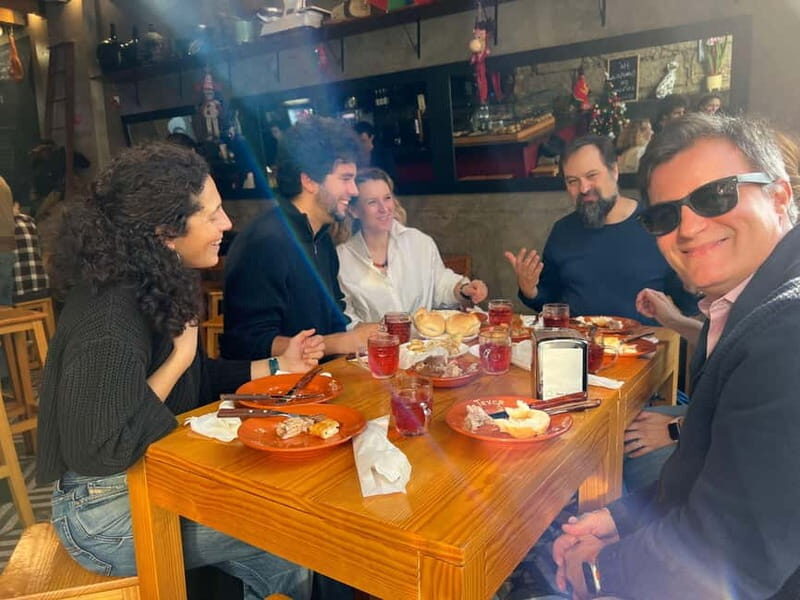
- Clérigos Tower start: you begin in the Porto historic core, then get pushed into local rhythm fast.
- 9 snacks in 3.5 hours: this isn’t a slow dinner; it’s a steady parade of tastes.
- 5 drinks with tastings: you’ll try vino verde, plus beer and coffee.
- Food history with each stop: you learn why dishes exist, not just what to order.
- Market stop for ingredients: you see the supply chain side of Portuguese eating.
- Small group up to 10: more conversation, less crowd noise, better pacing.
Torre dos Clérigos to Mengos: Porto’s food route in plain English
If you want Porto in one afternoon, this tour is built for that. You start at the Torre dos Clérigos staircase, in front of the Cordoaria Garden, and you’ll end at Mengos, a solid finishing point for continuing your day on foot.
The best part is that you’re not just collecting dishes. You’re walking through central Porto with a guide who connects what you eat to where you are, what the ingredient tradition is, and why northern Portuguese cuisine leans the way it does.
This is a walking tour, so you’ll want comfortable shoes and weather-appropriate clothes. It’s also a small group limited to 10, which makes questions easy and helps the guide keep things moving without rushing you.
A few more Porto tours and experiences worth a look


How the tasting works: 9 snacks, 5 drinks, and a pace that makes sense
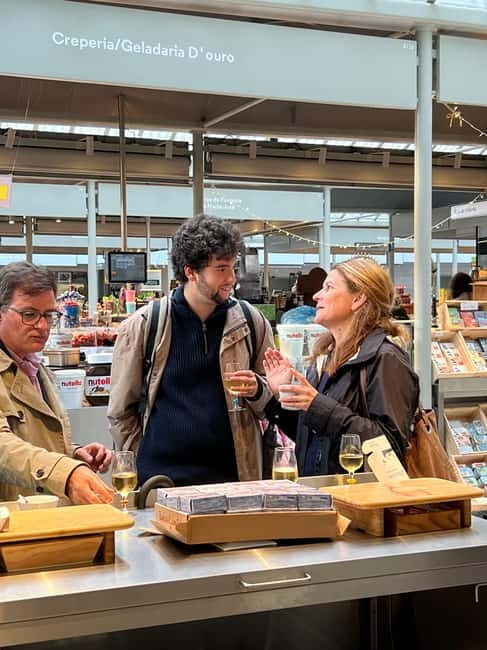
At a glance, you’re getting a lot for the time: nine food tastings and five drinks. That matters because food tours often turn into either snack-light photo stops or full restaurant meals that run late. This one is structured so you keep eating, learning, and walking at a reasonable tempo.
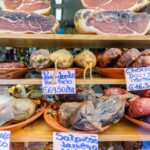
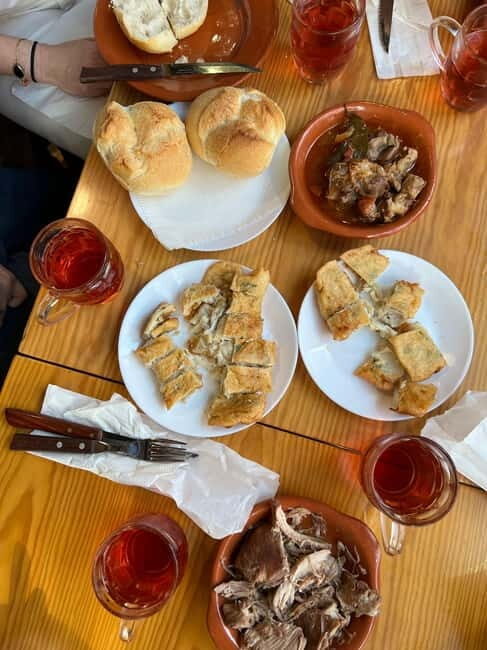
You can also expect variety. The typical lineup includes classics like caldo verde (green broth), bifanas (pork sandwiches), sardines and cod, and alheira (a traditional sausage). Dessert usually includes a Portuguese pastry.
On the drink side, the tour is heavy on local choices: vino verde, beer from Portugal, and coffee. Since it includes alcohol tastings, the minimum drinking age is 18.
Stop by stop: what each moment feels like
Café start near Clérigos Tower: wine and a first hit of local flavor
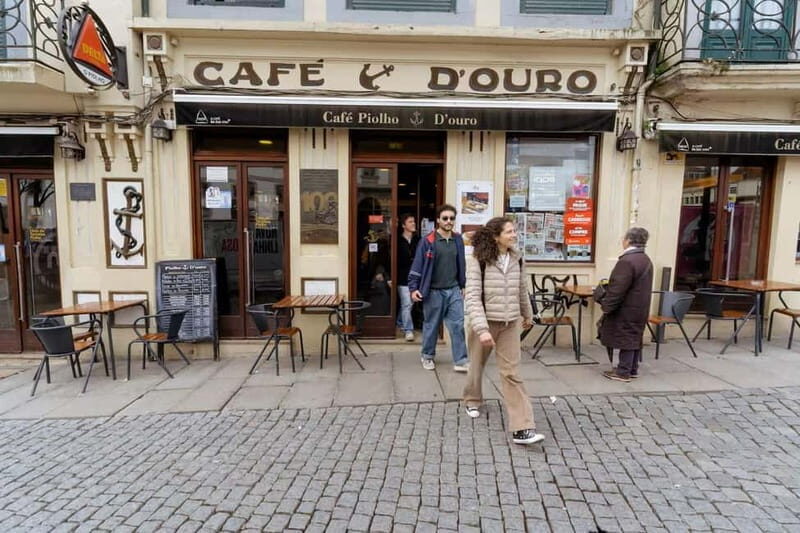
Your morning (or afternoon) kicks off right where the city’s story gets big: near the Clérigos Tower. The vibe here is simple and practical—first tastings, first explanations, and enough context to make the next stops click.
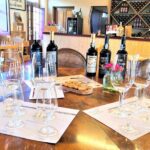
You’ll spend about 30 minutes at a local café with wine and food tastings. This first stop is important because the guide can calibrate the group’s pace and explain the dish logic: what you’re tasting, what ingredients matter, and how Portuguese meals differ from the typical tourist restaurant order.
Local restaurant number two: deeper plates and wine with context
Next you move to a local restaurant for about 45 minutes. Expect more wine and regional food tastings here, and a slightly fuller feel than the café stop.
This is where you start to understand the north-south personality of Portuguese cuisine. Northern dishes often lean on hearty flavors and ingredients that travel well and stretch through seasons. You’re not just eating; you’re learning how the same ingredient can show up in different forms—broth, sandwich, seafood plate, or sausage-style preparation.



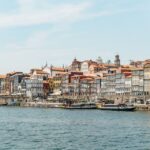
Beer stop: when the city goes casual and you taste at bar speed
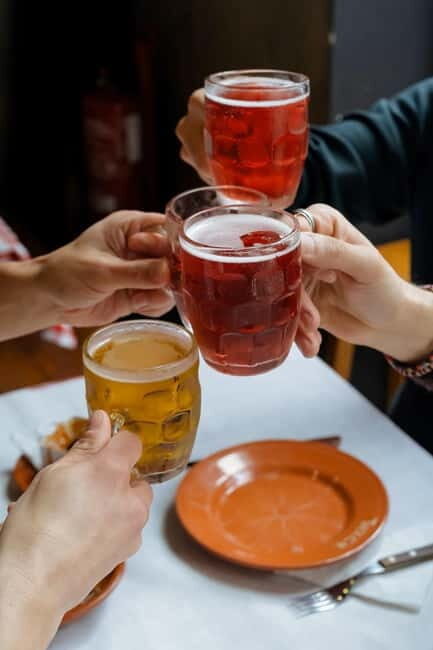
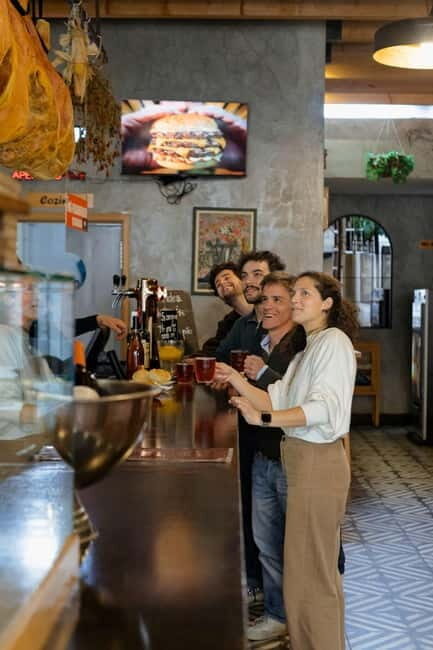
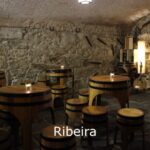
After a couple of wine-forward stops, the tour shifts gears at another local restaurant for about 30 minutes. Here the tastings emphasize beer and local snacks.
This part is great if you like the less-formal Portuguese bar culture. You’ll get a sense of how people actually eat between errands or after work—grab a snack, sip a drink, keep moving, and chat with whoever’s next to you.
Food market visit + restaurant tasting: see ingredients before you eat them
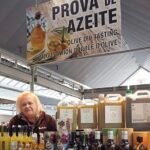
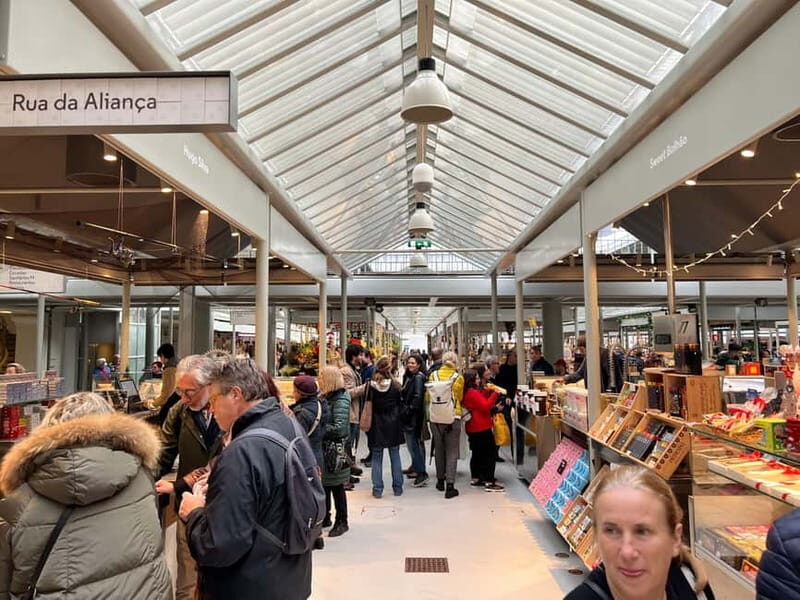
One of the most useful segments is the food market visit, paired with food tasting at a local restaurant for about 45 minutes. A market stop changes the whole food tour feel because it turns ingredients into names and places.
Instead of only learning what something tastes like, you learn what it’s made from and why it’s common. For Porto, this matters: the city’s cuisine is shaped by access to seafood, seasonal produce, and traditional ways of preparing comfort food.
A quick note: the exact snacks can change depending on restaurant availability, so you should expect a consistent style even if the specific plate order differs.
Final café and coffee: wrap up with a calmer stop
You’ll end with a 30-minute local café segment that includes coffee and local snacks. This is a smart way to finish because coffee in Portugal often marks the end of a social food moment—not a rushed sugar hit.
You’ll also have enough time to digest what you learned. By now the guide has set you up with the mental map of Porto’s food basics, so you can decide what to seek out on your own afterward.
What you’ll likely taste in Porto’s northern tradition
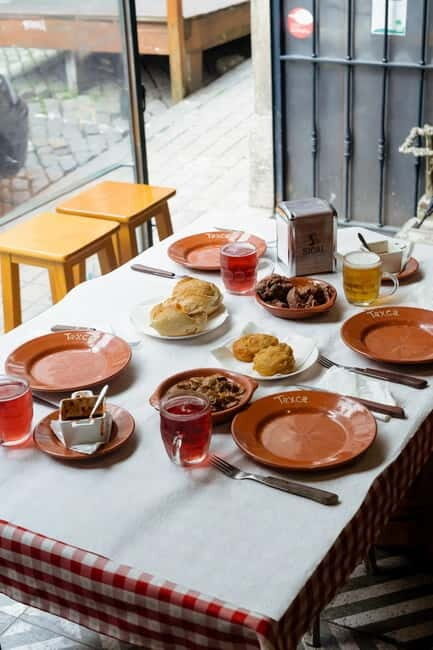
The tour’s typical snack rotation includes several crowd favorites that also explain the region well. You might see:
- caldo verde: green broth that’s both humble and iconic
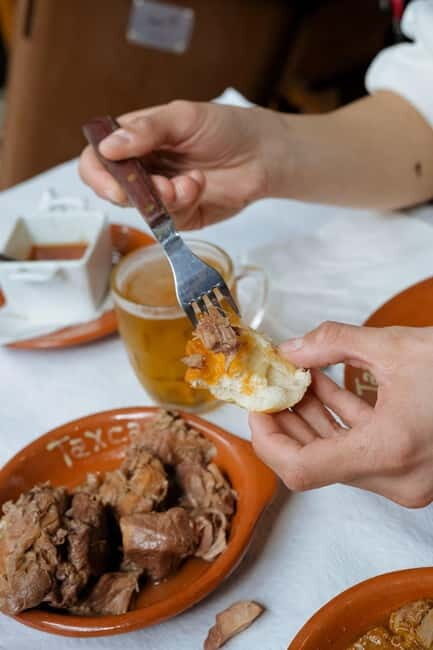
- bifanas: pork sandwiches that show up across Portuguese menus
- sardines and cod: seafood staples with strong regional identity
- alheira: a traditional sausage worth trying if you want the north’s personality in one bite
- Portuguese pastry for dessert
Because snacks may change, you shouldn’t expect a strict checklist every time. But you can expect the tour to stay loyal to northern Portuguese comfort-food logic: practical ingredients, classic preparations, and flavors that make sense together.
Price and value check: what $75 buys you in real life
Let’s talk money. At $75 per person for 3.5 hours, you’re paying for three things at once:
- Nine food tastings across multiple local spots
- Five drinks including wine/beer tastings
- A guide who helps you understand what you’re eating and where to find similar dishes later
The real value isn’t just quantity. It’s the decision-making help. Porto has plenty of places to eat, but sorting out what’s authentic, what’s touristy, and what’s actually worth your time is hard when you’re only in town briefly. This tour compresses that research into a single afternoon.
Also, the small group size helps you get more from each stop. You’re not stuck in a crowd line where questions die halfway through.
What makes the guide part matter (and why names come up)
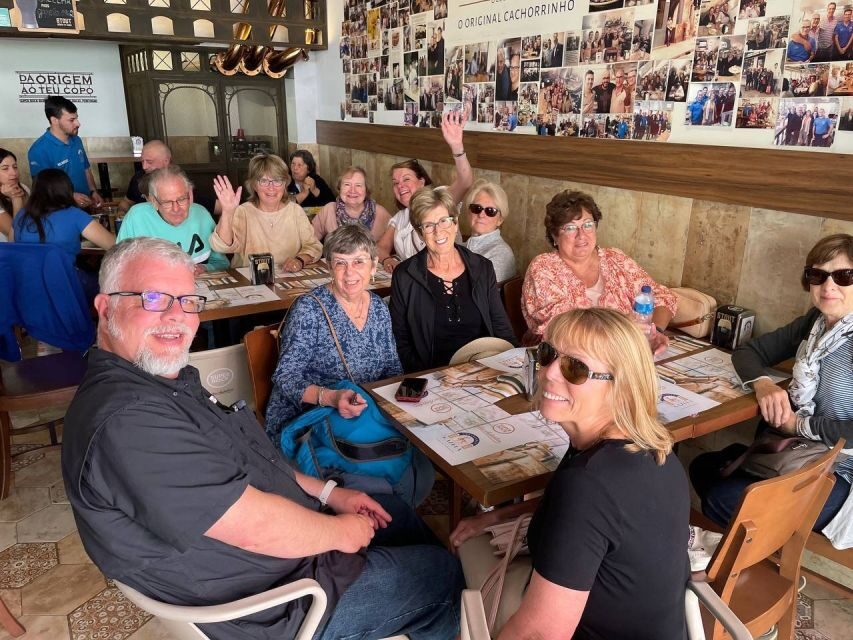
Food tours rise or fall on the guide. In this case, names like João and Carlota show up often as excellent hosts, with styles that are friendly, down-to-earth, and focused on explaining Porto through food.
You’ll likely notice a few things that make the tour feel more personal:
- The explanations connect ingredients to local life, not just facts on a page.
- The pacing stays relaxed enough that you can ask questions without feeling dragged.
- The guide can share extra Porto tips for the rest of your stay, which is useful when you’re trying to choose where to go next.
There’s also a theme from previous groups that the guide can be accommodating with timing at the local level. If you want an extra minute to smell the market ingredients or finish a bite slowly, it’s worth asking.
Where you might hit a snag: dietary needs and meat-and-fish focus
This one is the big caution. The tour is not suitable for vegans or vegetarians. That doesn’t mean dietary accommodations are impossible—there’s mention of alternative snacks for at least one vegetarian—but the structure is still built on classic Portuguese dishes that often include meat or fish.
If you eat off a strict plan, don’t assume the fix is automatic. Tell the provider about your needs ahead of time. If your requirement is very specific, ask what alternatives they typically offer at each stop.
It’s also a drinking-focused experience, so alcohol tastings mean you’ll need to be 18+.
Practical tips so you enjoy it more (and avoid the common mistakes)
A food tour is happiest when you show up ready. Here’s how to set yourself up:
- Eat light before you go, but don’t arrive empty. With nine tastings, you want comfort, not a stomach revolt.
- Wear comfortable walking shoes. You’ll cover enough ground that blisters would ruin the next day.
- Bring a small bag for any extras like napkins or water.
- Ask for recommendations near the end. The guide often has practical ideas for the rest of your Porto itinerary.
Also, expect that some stops may feel more lively or more local-bar style than a polished restaurant. That’s a feature here, not a flaw.
Who this Porto tour suits best
This works best if you:
- want a short, high-impact Porto experience without spending the day researching
- enjoy Portuguese classics like seafood, pork, and warming broths
- like learning through food history and not just sightseeing facts
- appreciate a small group atmosphere
It’s a less ideal fit if you:
- need a fully vegan or vegetarian menu
- don’t want any alcohol (the tastings include wine/beer, though coffee appears at the end)
Should you book Eat your way through Porto?
I’d book it if you want a smart way to taste northern Portuguese cuisine while getting your bearings in central Porto. Starting at Clérigos Tower and walking toward places like Mengos gives you a path that feels like the city rather than a checklist.
But I’d skip or reconsider if your diet is vegan/vegetarian by necessity, or if you’re sensitive to alcohol tastings. In that case, message the operator first and confirm what’s actually possible at each stop.
If you’re flexible, hungry, and curious, this tour is one of the best ways to learn Porto through the flavors that locals keep ordering.
FAQ
How long is the Porto food tour?
It lasts about 3.5 hours.
What’s included in the tour price?
You get 9 food tastings and 5 drinks, including wine and beer tastings. Food and drinks are not specified beyond typical options.
Where does the tour start?
The meeting point is Torre dos Clérigos (Clérigos Tower), at the staircase in front of Cordoaria Garden.
How many people are in the group?
It’s a small group limited to 10 participants.
What food and drinks can I expect?
Typical snacks include caldo verde, bifanas, sardines, cod, alheira, and a Portuguese pastry for dessert. Drinks typically include vino verde, local beer, and coffee.
Is it suitable for vegetarians or vegans?
It’s listed as not suitable for vegans or vegetarians. The provider says they try to accommodate dietary restrictions, but it’s still centered on classic dishes.
Is there an age limit?
Yes. The minimum drinking age is 18.
Is the tour family friendly?
It’s described as family friendly.
Where does the tour finish?
The tour finishes at Mengos.