REVIEW · PORTO
City Walking Tour & Port Wine Cellar
Book on Viator →Operated by CD Porto Tours · Bookable on Viator
Porto starts with a wow-factor, then turns into wine talk. This small-group walk pairs São Bento’s hand-painted azulejos with street-level history, and it ends in a real Port wine producer cellar in Vila Nova de Gaia. Guides such as Nuno, David, and João bring the stories to life with energy and clear English.
My favorite part is how the route links architecture and power in Portugal—church, city life, and the long shadow of trade—then makes Port feel understandable instead of mysterious. The main downside to plan for: you don’t sip your way through the walk. The Port tasting happens at the end, so bring patience (and water) for the intro.
In This Review
- Key highlights at a glance
- Walking Porto the way you wish every city started
- The start at São Bento’s azulejos: history you can read
- Catedral do Porto and religion in Portugal, plus miradouros
- Porto’s older streets: invasions, then the Discoveries
- Crossing into Vila Nova de Gaia: where wine ages
- The best Porto perspective stop
- Cais de Gaia and the cellar visit: the part that makes Port real
- How much walking is this, really?
- Small group energy: why the guide matters
- Porto-Port-to-Gaia value: is $42.33 worth it?
- Who should book this (and who should skip it)
- Quick checklist before you go
- Should you book the City Walking Tour & Port Wine Cellar?
- FAQ
- How long is the Porto City Walking Tour & Port Wine Cellar?
- How much does the tour cost?
- What’s included in the Port wine part?
- Is hotel pickup or drop-off included?
- Where does the tour start and end?
- What language is the tour offered in?
- How big is the group?
- Is the tour suitable for people who don’t walk much?
- Are animals allowed?
- What is the cancellation policy?
- Where can I find the ticket details?
Key highlights at a glance
- São Bento’s azulejos: a quick history primer packed into hand-painted tiles
- Personal small-group pace (max 12): easier questions, easier photos
- Porto-to-Gaia crossing: you walk into the story of how wine ages south of the river
- Catedral area viewpoints and miradouros: short stops with big view payoff
- Three-Port tasting lesson: you taste multiple styles and learn what you’re actually noticing
- Local restaurant guidance: your guide often shares where to eat after the walk
Walking Porto the way you wish every city started
Porto is one of those places where your first hour can make or break the trip. This tour is designed for the “I’ve just arrived, tell me what matters” stage. You start in the center of Porto, then move upward and onward through neighborhoods where the city’s shape still explains its history.
The best thing is the combo format. Instead of only chasing landmarks, you get the why behind them. Porto’s buildings and street views tie into trade, religion, and the big waves of Portuguese exploration. Then you finish with a hands-on Port experience in Gaia, where the wine story is still physical: stone cellars, producers, and the simple pleasure of comparing styles.
This is also a small group tour. With a max of 12 people, the guide can keep the pace moving without turning it into a lecture you can’t ask questions about.
You can also read our reviews of more walking tours in Porto
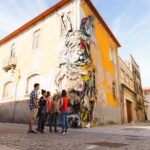

The start at São Bento’s azulejos: history you can read
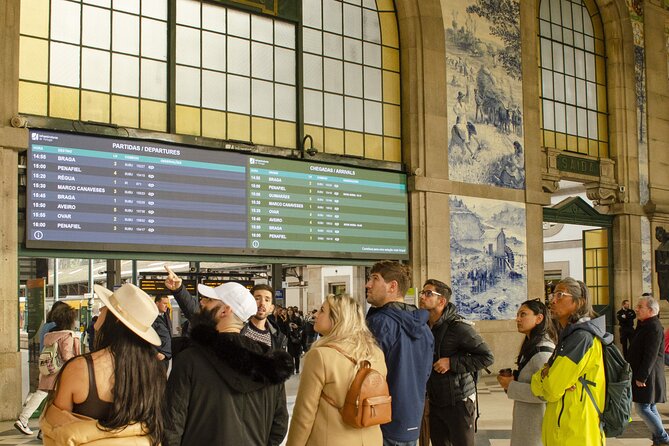
Your tour kicks off near Praça da Liberdade and heads toward the train-station area where Porto shows off one of the most famous tile stories in the country. One stop focuses on one of the prettiest stations in the world, with a summary of Portuguese history shown across over twenty thousand hand-painted azulejos.
Here’s why this works on a walking tour: the tiles are not just decoration. They’re a shortcut to Portuguese identity—events, themes, and changing eras—all in a style that makes you slow down without anyone forcing it. If you’ve ever tried to “self-guide” at São Bento and felt like you missed half the meaning, this is the fix: you get context while you look.
Practical tip: plan to stand close and look up. The details are the point, and the guide’s explanation helps you connect the visuals to real historical moments.
Catedral do Porto and religion in Portugal, plus miradouros
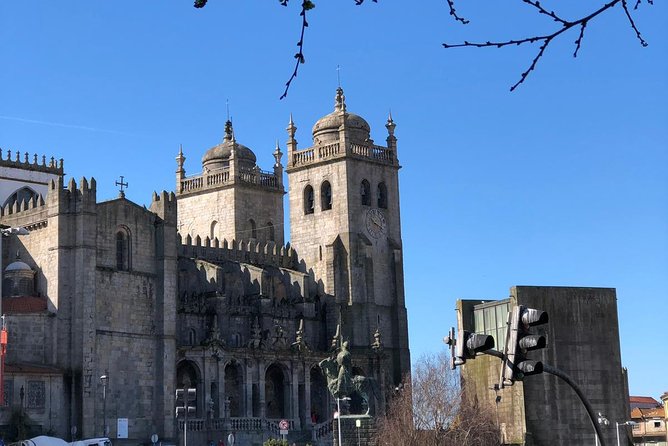
Next up is the religious heart area, with a pass by the Catedral do Porto and the bishop’s house for a quick explanation of religion’s role in Portugal. This stop is short, but it matters. Porto’s history isn’t only about ports and trade. It’s also about the institutions that shaped daily life, power, and how communities organized.
You also get viewpoint time. The route includes brief stops at miradouros—those lookouts that give you a “now I get it” angle of the city. Porto is built for looking down and looking across, and the guide helps you find angles that are worth the effort.
If it’s rainy, this part still holds up because you’re mostly outside near covered or central areas and then you move on. A few guides in recent outings were praised for keeping the mood up even when the weather didn’t cooperate.
Porto’s older streets: invasions, then the Discoveries
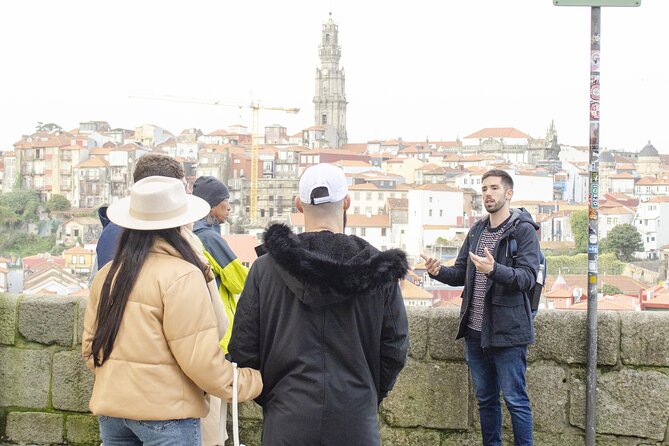
After the cathedral area, the walk moves into the older side of the city. This is where you get the kind of historical threads that make you connect different periods instead of treating them like separate chapters.
In the older neighborhood stop, your guide talks about Muslim invasions and then pivots to the Portuguese Discoveries. That contrast is the value: you see how Portugal’s story wasn’t linear. People arrived, beliefs shifted, and later the country pushed outward toward global trade and exploration.
A nice bonus here is the “street-level” pacing. You’re not parked at a museum for long. You’re walking through the areas where the stories occurred—or at least where the city’s layers still show. One reviewer also praised guides for explaining the struggles between church and king, which helps you understand why so much of Porto feels formal and ceremonial, even when you’re standing in regular neighborhoods.
Crossing into Vila Nova de Gaia: where wine ages
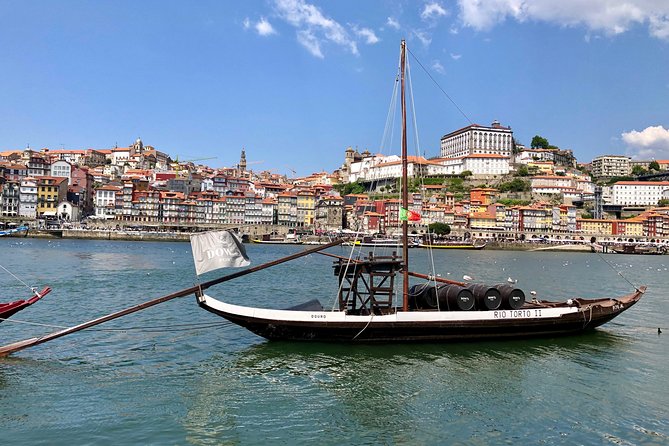
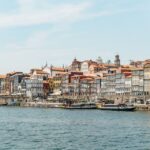
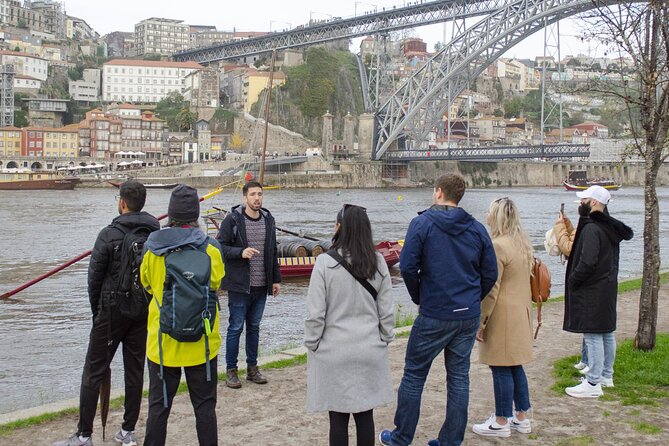
Then comes the big physical and symbolic shift: the tour crosses the lower part of the Ponte to the south bank—Vila Nova de Gaia—where Port wine is aged.
This part is important because it turns Port from an abstract drink into a process you can picture. The city on the north side is where many visitors start. Gaia is where the wine tradition becomes storage, aging, and craft. Even if you’ve had Port before, this setup helps you understand why the geography matters.
Expect lots of visual payoff on the walk as you switch banks. And yes, plan for some steps. Multiple accounts mention stairs in the route and a fair amount of downhill movement, so good shoes matter.
You can also read our reviews of more city tours in Porto




The best Porto perspective stop
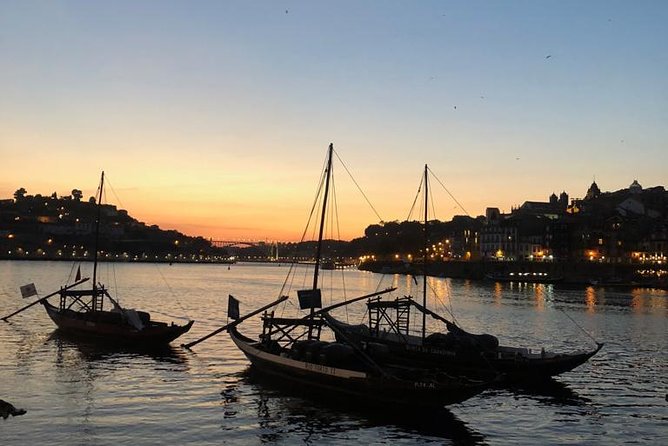
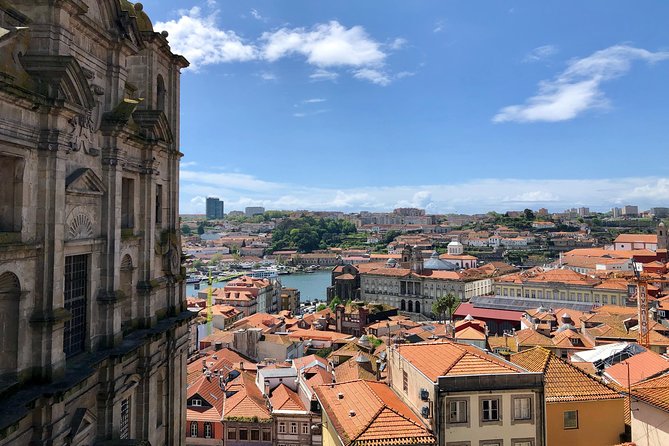
Halfway-ish through the walk, you’ll get a chance to admire one of the best perspectives of Porto from the route. This is the kind of stop that makes sense after the history talk. First you learn what to look for; then you look.
Porto photos often fail because people pick the wrong angle. On this walk, the guide tends to point you toward views that show the river curve, the density of the buildings, and the way neighborhoods stack. Even if you’re not trying to take “Instagram perfect” pictures, you’ll still get a sense of scale that helps the rest of the city click.
Cais de Gaia and the cellar visit: the part that makes Port real
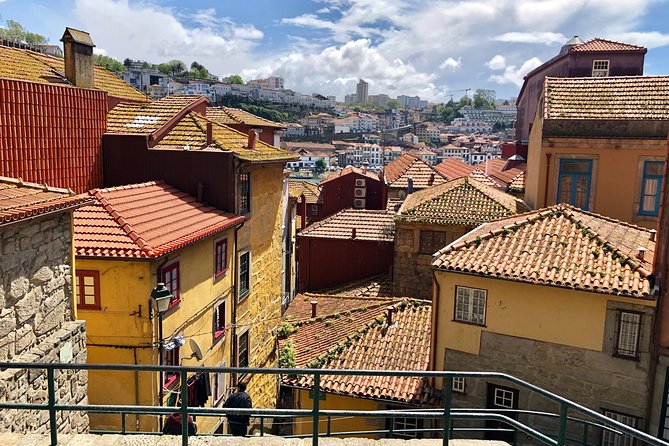
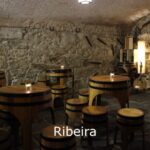
This is where the tasting lives. The visit is at Cais de Gaia with a Port wine producers stop, lasting about 1 hour 30 minutes for the cellar time (and yes, it’s the core of the Port portion).
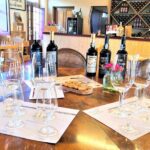
You visit a traditional cellar and learn how producers craft Port and what makes different bottles different. Then you taste three Port wines. This structure is great for first-timers because it prevents the most common Port tasting problem: you might know there are styles, but you don’t know what your tongue is supposed to notice.
Based on guide feedback, the best tastings here include coaching—what to smell, what to compare, and how to connect flavor to production choices. That makes the tasting more fun and more educational without turning it into a classroom.
Practical tasting note: Port can lean sweet, especially for people used to drier wines. If sweetness isn’t your thing, you’ll still get something out of this, but go in aware that these are Port styles, not crisp table wines.
How much walking is this, really?
The tour is built around a proper city walk—enough that it’s not a “stroll and sip” experience. One account highlighted a route around 3 km plus lots of stairs. The general guidance is moderate physical fitness, and you should expect uphill and downhill depending on your exact pace and where you stop for photos.
So if your goal is low-effort sightseeing, this isn’t the one. If your goal is to learn Porto while moving through real neighborhoods, it’s a strong match.
Good shoes matter more than you think. You’ll spend time standing at views and moving between points, and rainy days can make the surface slick.
Small group energy: why the guide matters
With up to 12 travelers, the guide can keep things personal. That’s not just comfort—it’s also how you get better information.
In recent tours, Nuno and David (and in some runs, João) were praised for:
- very clear, high-standard English
- answering questions without rushing you
- great energy, even in rain
- helping guests find the best view spots and photo angles
- offering restaurant recommendations at the end
That last part is underrated value. Porto has plenty of tourist traps. When your guide can suggest traditional food options nearby, it helps you turn the tour into a full first-day win.
Also: some feedback pointed out that pacing can vary. One person wanted shorter stops at “okay” spots and more time where the big highlights come sooner. Translation for you: arrive ready to walk, but don’t assume every minute will feel equally exciting. The sweet spot is the station context early and the cellar tasting later.
Porto-Port-to-Gaia value: is $42.33 worth it?
At $42.33 per person for about 3 hours, you’re paying for three things working together:
1) a guided introduction to Porto’s history and architecture in a short format
2) a guided transition into Gaia’s Port world
3) a guided tasting of three Port wines, plus time in a producer cellar
If you compare it to doing the walk on your own and then paying for a Port tasting separately, you’re basically consolidating your planning into one route with a real explanation along the way.
This tour also aims to avoid the common “tour math” problem. Some city tours charge for narration but deliver only a quick look at sites. Here, the tasting is part of the core plan, so you leave with both context and a payoff you can taste and compare.
Who should book this (and who should skip it)
This tour fits best if you:
- want a first-day Porto orientation that mixes streets and stories
- like wine, but also want the why behind what you’re tasting
- prefer a small-group guide with room for questions
- enjoy stepping into viewpoints, not just reading plaques
Skip it if you want:
- a mostly “sit and relax” schedule
- wine tastings spread across the whole walk (this one is mainly at the end)
- minimal walking and minimal stairs
Quick checklist before you go
Bring:
- comfortable shoes (steps are part of the plan)
- a light layer if it’s cool or rainy
- cash/cards if you want to buy any Port after tasting (the tasting itself is included)
Expect:
- a guided walk through major historical zones and viewpoints
- a finish at a Port producer cellar with three tastings
Should you book the City Walking Tour & Port Wine Cellar?
If you’re balancing time in Porto and want one activity that gives you both bearings and a Port lesson, this is a solid pick. The standouts are the São Bento azulejos history start, the focus on Porto-to-Gaia context, and the structured three-wine tasting led by a guide who actually helps you understand what you’re tasting.
Book it if you’re okay with walking and you’re fine saving the wine for later. I’d pass if you’re hoping for constant sipping throughout the city walk or if you want something gentler on stairs.
FAQ
How long is the Porto City Walking Tour & Port Wine Cellar?
It runs about 3 hours (approximately).
How much does the tour cost?
The price is $42.33 per person.
What’s included in the Port wine part?
You’ll get a tasting of 3 Port wines and a visit to Port wine producers, guided by a local guide.
Is hotel pickup or drop-off included?
No, hotel pickup and drop-off are not included.
Where does the tour start and end?
It starts at McDonald’s – ImperialPraça da Liberdade 126, 4000-322 Porto, Portugal, and ends at Largo Joaquim Magalhães, 4400-174 Vila Nova de Gaia, Portugal.
What language is the tour offered in?
The tour is offered in English.
How big is the group?
The tour has a maximum of 12 travelers.
Is the tour suitable for people who don’t walk much?
It’s best for travelers with moderate physical fitness, since it involves walking.
Are animals allowed?
No, animals (including service animals) are not allowed.
What is the cancellation policy?
Free cancellation is available if you cancel at least 24 hours in advance for a full refund.
Where can I find the ticket details?
You’ll receive a mobile ticket, and confirmation is received at booking time unless you book within 12 hours of travel.