REVIEW · FARO
Birdwatching in Ria Formosa – Eco Boat Tour from Faro
Book on Viator →Operated by Lands - Turismo na Natureza · Bookable on Viator
Quiet engines, loud birds. This solar-powered Ria Formosa birdwatching eco-boat tour from Faro glides through lagoon and marsh habitat with wildlife-first rules. I love the quiet ride (the boat’s purpose-built to keep disturbance low) and the fact they hand you binoculars and life vests so you can focus on spotting. One thing to consider: bird numbers change a lot by season and conditions, and in some cases you may not see as many as you hoped.
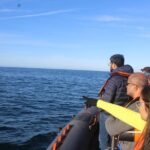
You’ll follow a licensed guide who helps you read the habitat, not just the check-list. In the small group setting (up to 14 people), it’s easier to pause, scan, and get close enough for real viewing without turning the marsh into a spectacle.
Plan for a little flexibility in expectations. High tide can shift what’s actively feeding (so waders may be harder), and on some days the route can feel a bit tight around built areas near the airport—still pretty, but not always postcard-isolation.
In This Review
- Key things I’d plan around
- Faro check-in and the solar-quiet start
- Gliding through the lagoon and marshes (where the birds actually work)
- Shellfish farms and oyster beds: the bird economy lesson
- Back toward Faro: the payoff view and final scans
- Who this tour fits best (and when to book)
- Value and price: what $48.27 buys you
- Practical tips so you don’t miss the good stuff
- Should you book this Ria Formosa birdwatching eco boat tour?
- FAQ
- How long is the eco boat tour in Ria Formosa?
- What’s included with the ticket?
- What’s the group size?
- Is hotel pickup included?
- What language is the tour offered in?
- Where do I meet the boat in Faro?
- Can I get off the boat before returning to the main meeting point?
- Is the tour good for solo travelers?
- What happens if the weather is poor?
- Is free cancellation available?
Key things I’d plan around
- Solar-powered, low-noise boating: smoother, quieter movement that helps birds keep behaving naturally.
- Binoculars + life vests provided: you’re set up for viewing from the start, not scrambling for gear.
- A biology-trained style of guiding: you’ll learn what you’re seeing and why the marshes matter.
- Wildlife-first pacing: you don’t power through; you slow down, scan, and learn.
- What you see depends on timing: seasons and tide can change the bird mix fast.
Faro check-in and the solar-quiet start
Your experience begins in Faro, with the meeting point at R. Cmte. Francisco Manuel 41, 8000-138 Faro (near the marina area). I recommend getting there at least 10 minutes early so check-in doesn’t cut into the best part: the first wildlife scan.
This tour runs as a small group—up to 14—so it feels more like shared birding than a big bus excursion. You’ll also get a mobile ticket, and the day’s commentary happens live on board in English (and it may run with multi-lingual guidance depending on operations).
Then comes the big practical win: the boat is solar-powered and designed to be smooth and quiet. That matters because birds notice vibration and noise. Less engine clatter means more chances of seeing birds doing bird things—feeding, standing, preening, and flying low enough to be worth your time with binoculars.
Tip I’d copy: bring a camera with a long lens if you’ve got one. People mention big-scope photos pay off, and cloudy or rainy conditions can mean darker images—so a capable zoom helps.
You can also read our reviews of more boat tours in Faro
Gliding through the lagoon and marshes (where the birds actually work)
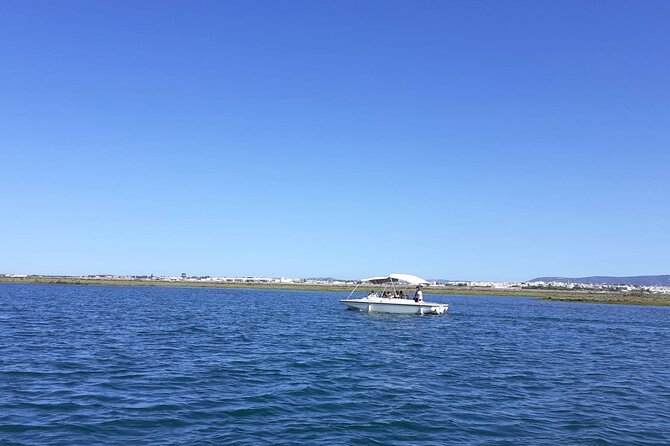
Once you’re underway, you head into the lagoon and marshes of the Ria Formosa Natural Park. This is the core “why” of the tour: the waterways let you look at birds from a distance that still feels close, without stepping into sensitive habitat.
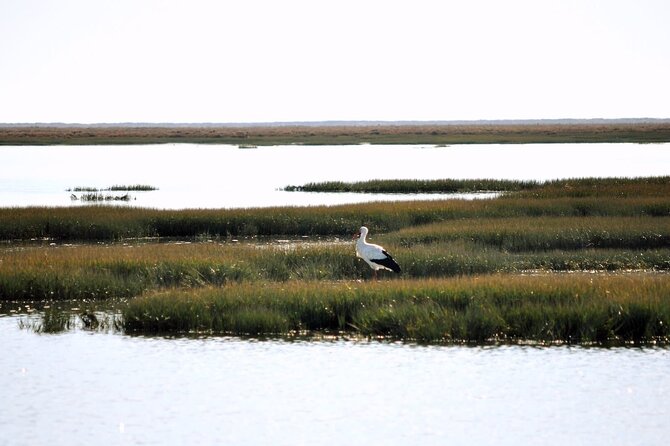
Expect slow movement through canals and marshy zones where birds are often feeding or resting. Some of the common species you might see include white stork, little egret, and spoonbill. The guide will help you spot and interpret behavior—where birds stand, how they hunt, and how different birds use the same wetland in different ways.
What I like most for practical birding is that you’re not just chasing birds. The guide’s job is to teach you what to watch for, which makes your next stop easier. If you don’t know your egrets from your herons yet, you’ll still leave with better pattern recognition.
And yes, the boat’s quiet. Multiple people call out that the ride is peaceful, which is exactly what you want when you’re trying to hear the calls and notice movement along the banks.
One honest consideration: season matters. In months like June, sightings can be lighter, and that’s not a tour problem—it’s how migration and breeding cycles land. Also, high tide can make some waders less visible because mudflat feeding spots aren’t as exposed. You might still get raptors and other birds, but your “wader moment” may not happen.
Shellfish farms and oyster beds: the bird economy lesson
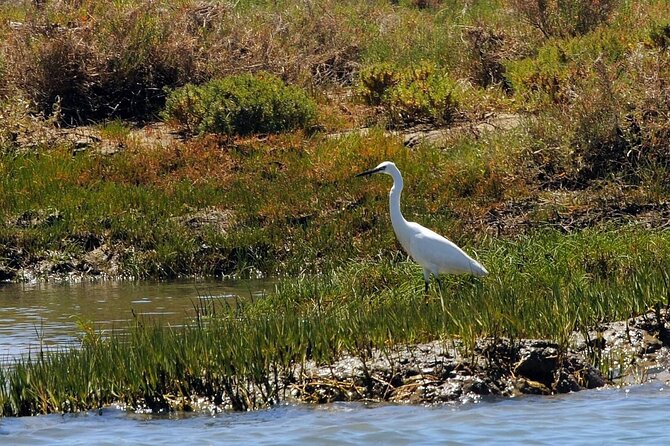
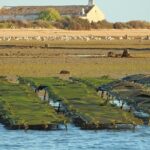
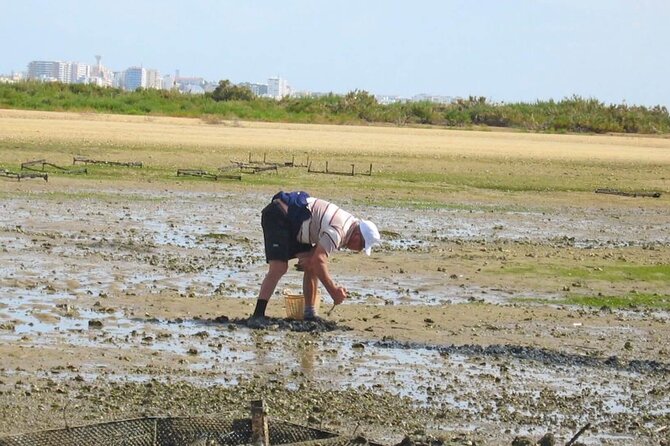
As the route continues toward island-side areas, you may pass near shellfish farms and oyster beds. This is a neat angle that many bird tours skip. Here, your guide connects wildlife viewing with local livelihoods—how the same water that supports farming also draws birds.
Practically, this also affects what you see. When food sources are active, birds show up. You may spot species that move in and out of feeding areas, and you’ll often see more activity when the guide slows the boat and lets the habitat “do its thing.”
This is also where your “learn while you look” advantage really kicks in. The commentary isn’t just names. It helps you understand why a certain bank, canal mouth, or farm edge holds birds at that moment.
If you’re into bird photography, this is a key section. People specifically recommend bringing a camera with enough reach because birds may be close to the waterline but still need distance for sharp framing.
Back toward Faro: the payoff view and final scans
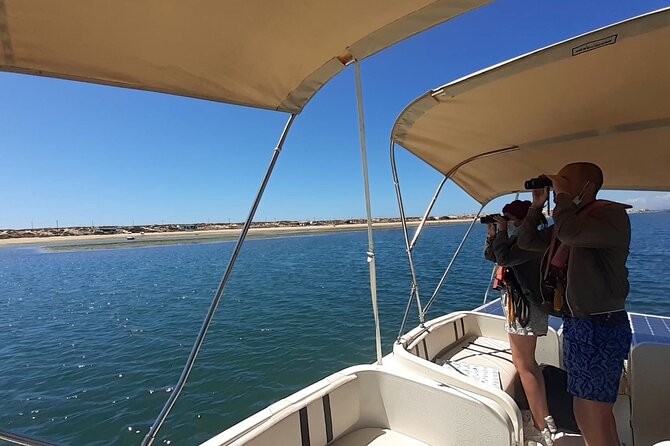
On the way back, the boat keeps things calm again, with a quiet glide as you re-enter Faro’s waters. This is often when you get the bonus effect of patience: birds that weren’t as visible earlier may show movement in the return leg, and you’ll have time to do a last binocular sweep without rushing.
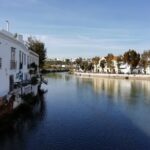
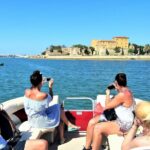
You’ll also get stunning views of old town Faro from the water. From a travel standpoint, it’s a smart way to see the city as a waterfront place, not just a street grid. The route also ends back at the same meeting point, keeping logistics simple.
One small flexibility point: you can choose to disembark at a stop on the way back, but you need to ask your guide in advance. If you’re pairing this with another outing, that option can save you a bit of backtracking.
Who this tour fits best (and when to book)
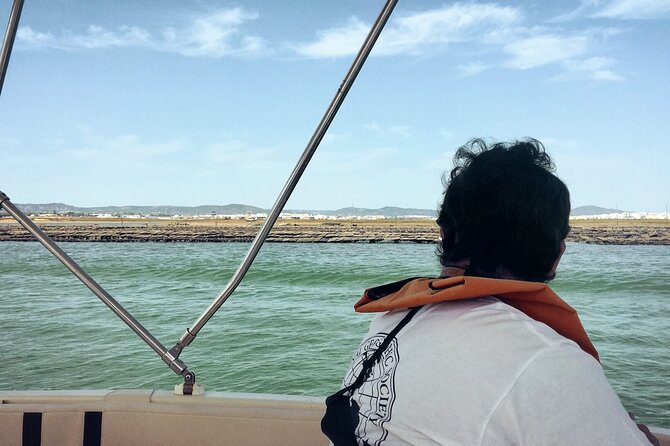
This is a great choice if you want birdwatching without drama: no trekking gear, no intense walking, and no frantic sprinting through wetlands. It suits solo travelers too—meeting the group and getting set up is straightforward, and the small size keeps the experience comfortable.
You’ll also enjoy it if you’re a mixed group: even if you don’t live for bird IDs, the habitat storytelling and the quiet boat vibe tend to keep things interesting. A solar-powered, low-noise ride makes the whole outing feel gentler than many standard boat trips.
Timing is the big variable. Based on the evidence from recent experiences:
- Off-season can feel better for comfort and viewing because there may be less marina noise and fewer crowds, meaning you hear the wetland sounds more clearly.
- Peak bird periods are where you can rack up the most impressive species counts, including rare or seasonal birds.
- If you’re chasing flamingos, people recommend looking at September/October for salt season sightings.
But don’t treat any bird list as guaranteed. The best mindset is “I’ll be ready for surprises.” On cloudy days or when conditions shift, you can still spot standout species, just not the exact mix you planned for.


Value and price: what $48.27 buys you
At around $48.27 per person, the price lands in the fair-to-good range for what you’re getting in Faro. You’re paying for:
- a 2 to 2.5 hour outing in a protected park area
- a licensed local guide with wildlife focus
- binoculars and life vests provided
- a small-group format (max 14)
- live interpretation in English
- and that rare thing: a solar-powered, quiet boat experience aimed at low disturbance
You don’t get hotel pickup or food, so you’ll likely want to plan a light snack or drink before you go. Still, for the combination of guided wildlife spotting plus the quiet boat, it feels like money well spent—especially compared with tours where you sit in noise and see more water than life.
Practical tips so you don’t miss the good stuff
A few small things can make a big difference:
- Bring binoculars if you have them—but don’t worry if you don’t. The provided binoculars cover most needs for boat-based birding.
- Add a long lens if you want photos. People specifically recommend a “big glass” approach.
- Dress for wind and damp. Some trips are windy, and cloudy/rain forecast doesn’t automatically mean bad birding—just pack smart.
- Manage expectations with tides and season. If you’re hoping for waders, know that tide exposure changes what’s feeding and visible.
- Slow down mentally. The best sightings often come when the boat pauses and the guide points out movement you’d otherwise miss.
Should you book this Ria Formosa birdwatching eco boat tour?
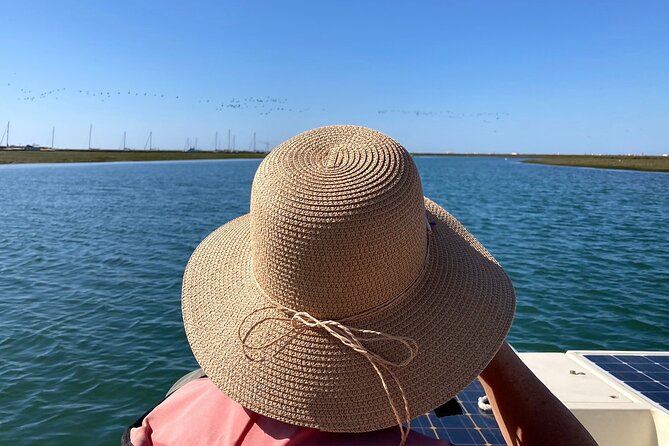
If you want a quiet, wildlife-first boat trip from Faro and you like birdwatching (even casually), I think this is an easy yes. The solar-powered boat, small group size, and included binoculars/life vests make it an efficient way to see Ria Formosa without fuss.
I’d hesitate only if you’re going in a low-sighting season and you’re the type who needs a specific species on demand. In that case, plan it more as a nature experience than a guaranteed bird safari. If you’re flexible, patient, and ready for surprises, you’ll likely have a memorable couple of hours on the water.
FAQ
How long is the eco boat tour in Ria Formosa?
It’s listed as about 2 hours and described as a 2.5-hour tour in the experience details.
What’s included with the ticket?
You get the eco-boat tour, binoculars, life vests, a local guide, and live commentary on board.
What’s the group size?
The tour has a maximum of 14 people per booking.
Is hotel pickup included?
No. Hotel pickup and drop-off are not included.
What language is the tour offered in?
The tour is offered in English. It may be operated by a multi-lingual guide.
Where do I meet the boat in Faro?
Meet at R. Cmte. Francisco Manuel 41, 8000-138 Faro, Portugal.
Can I get off the boat before returning to the main meeting point?
You can choose to disembark on the way back, but you need to ask your guide in advance.
Is the tour good for solo travelers?
It’s described as easy to participate in, and it’s suitable for most travelers. Solo travelers should just make sure they arrive at the meeting point on time.
What happens if the weather is poor?
The experience requires good weather. If it’s canceled due to poor weather, you’ll be offered a different date or a full refund.
Is free cancellation available?
Yes. You can cancel up to 24 hours in advance for a full refund.