REVIEW · LISBON
Arrabida Wine Tour – Lisbon: Wineries-Tastings-Tile Factory
Book on GetYourGuide →Operated by Lisbon Riders - travel like a local · Bookable on GetYourGuide
Seven wines and views in one long day.
I like that this is a small group (up to 8) with an English-speaking guide, so the day feels personal instead of rushed. I also love the mix of art, nature, and wine: Azulejos de Azeitao tiles, the Arrábida UNESCO park, then two different family wineries. One thing to keep in mind: it’s a 9-hour outing with several short stops, so if you want lots of time at only one place (like more beach time), you’ll need to manage expectations.
You’ll start in Lisbon, cross the 25 de Abril Bridge, tour tile and wine-making stops, and end with the Cristo Rei viewpoint—so you get a full arc of southern Lisbon and the Atlantic coast. The only real drawback I’d flag is pacing: you get free time in Sesimbra, but your best moments will depend on how quickly you eat and how long you want to linger at the viewpoints and beaches.
In This Review
- Key points worth getting excited about
- Leaving central Lisbon at a walkable meeting point
- The 25 de Abril Bridge stop and the Lisbon-to-coast vibe shift
- Azulejos de Azeitao: tiles that mix Europe, Islamic, and Chinese influence
- Arrábida UNESCO Park: Mediterranean plants and cliffside pull-offs
- Catralvos: a family winery with views, cheese, pastries, and real process
- Jose Maria da Fonseca: history-heavy cellars and tasting two older wines
- Sesimbra free time: seafood town energy, beaches, and a fortress option
- Cristo Rei viewpoint: why the statue makes a great final stop
- Price and pacing: does $94 feel like value?
- What kind of traveler should pick this day trip?
- The guide factor: small details that make the day run smoother
- Should you book Arrábida Wine Tour from Lisbon with wineries, tastings, and tiles?
- FAQ
- How many people are on the tour?
- How long is the experience?
- Is the tour in English?
- What wine tastings are included?
- Is hotel pickup included?
- Where is the meeting point?
- What should I bring?
- Is the tour wheelchair-friendly?
Key points worth getting excited about
- Up to 8 people in the van: easier conversation, better photo stops, and less waiting around.
- Azulejos de Azeitao: see traditional tile-making and antique patterns influenced by European, Islamic, and Chinese styles.
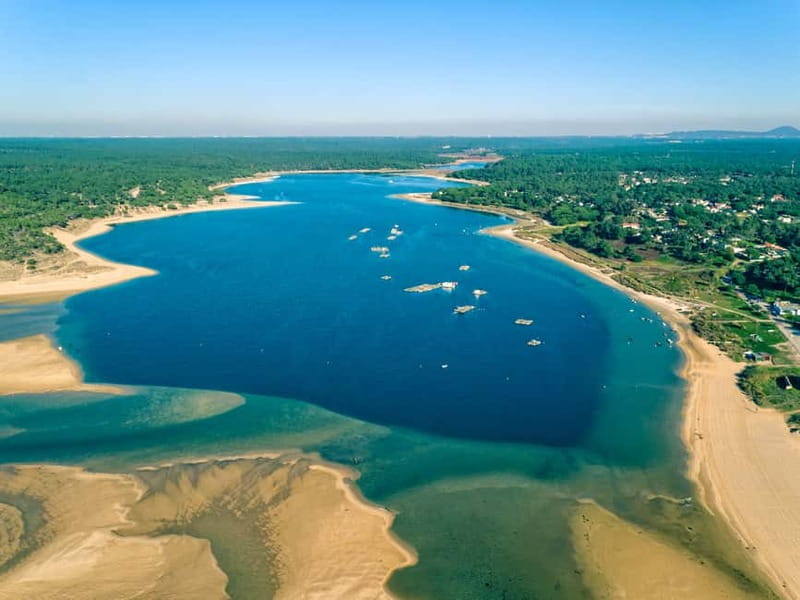
- Arrábida UNESCO Park: a quick taste of Mediterranean plants like lavender, thyme, chamomile, and pistachio.
- Two family wineries, seven wine tastings: you’re not just sipping; you’ll get the full vine-to-glass story.
- Sesimbra free time with real choice: lunch or snack, then beaches and a fortress option.
- Cristo Rei at the end: one last big viewpoint before the ride back north.
Leaving central Lisbon at a walkable meeting point
This tour starts at Avenida da Liberdade 9, right in front of the American Vintage store, and it’s about a 1-minute walk from Restauradores metro (blue line). That’s a sweet setup if you’re staying anywhere near Baixa/Chiado or you like the idea of walking to your pickup instead of waiting at a hotel lobby.
Because there’s no hotel pickup, I’d plan your morning around getting there comfortably. The day runs about 9 hours, and there’s drive time both ways, so even if you don’t do anything fancy before you leave, you’ll still need a solid breakfast and water.
The transportation is in an air-conditioned vehicle, and the group size stays capped at 8. In practice, that usually means fewer stops delayed by people getting in and out, and more time actually spent at the places you came for.
You can also read our reviews of more wine tours in Lisbon



The 25 de Abril Bridge stop and the Lisbon-to-coast vibe shift
Early on, you cross the 25 de Abril Bridge. Even if you’ve seen photos, it’s the kind of structure that makes everyone instinctively look out the window and point. The tour also frames the bridge with context tied to Portugal’s modern history—named for the April 25 revolution that helped end the Salazar dictatorship.
There’s also a good rhythm to doing this early: it signals that the day is about the south, not just a quick “near Lisbon” drive. Later, you’ll pass the bridge again as you head back, which makes the day feel like one continuous loop instead of separate errands.
Azulejos de Azeitao: tiles that mix Europe, Islamic, and Chinese influence
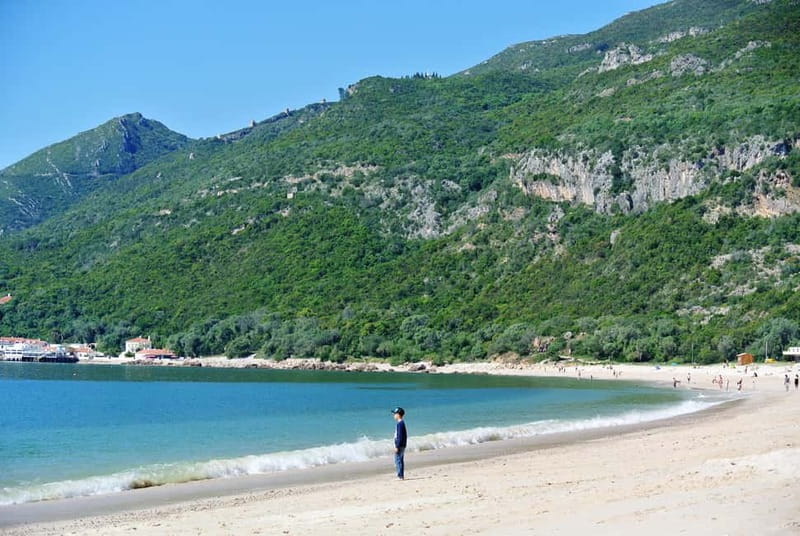
One of the best stops on this tour is the tile workshop at Azulejos de Azeitao. This isn’t a generic souvenir stop where you glance at a wall and move on. You get to explore the craft process and the style history behind the tiles.
What I like here is the way the designs reflect layers of influence. The workshop recreates antique patterns with European styles, plus elements linked to Islamic and Chinese cultures. You’ll see flat hand-painted tiles and relief tiles with different color glazes, including inspiration connected to 16th-century Hispano-Moorish tile traditions.
If you love design, ceramics, or just want to understand why Portuguese streets look the way they do, this is a strong early anchor for the day. It also helps make the rest of the tour feel more grounded in place—Portugal isn’t only wine and views; it’s also the visuals that show up everywhere.
Arrábida UNESCO Park: Mediterranean plants and cliffside pull-offs
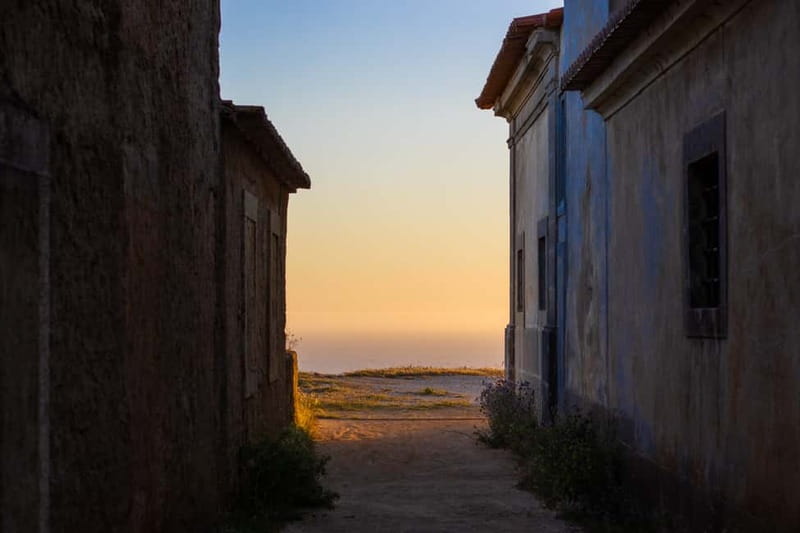
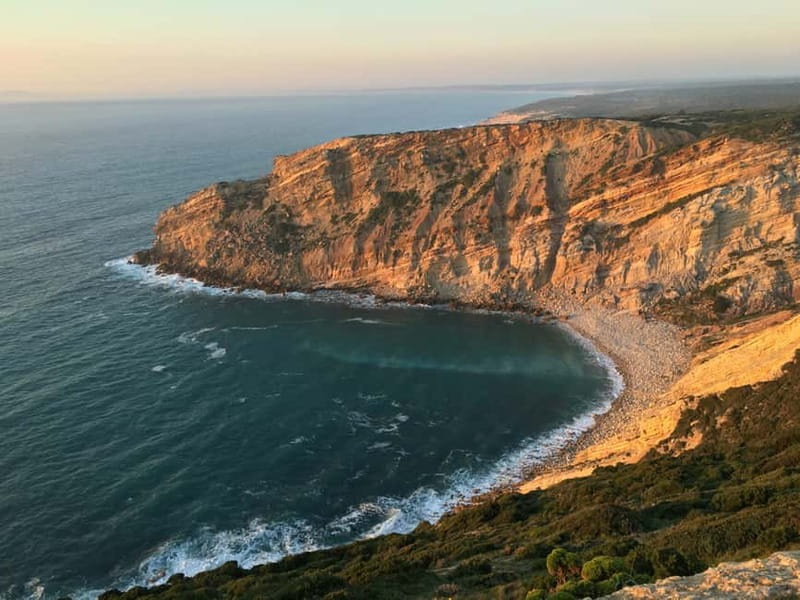
Next you head toward the Arrábida Natural Park, part of the UNESCO-protected area. The key idea isn’t just “pretty coastline.” You’re in a protected zone with Mediterranean plants—the tour highlights things like olives, pistachios, strawberries, lavender, thyme, and chamomile.
From a practical standpoint, this matters because it explains what you’re looking at. Instead of “green stuff everywhere,” you learn what grows here and why the park is worth protecting. You also get that classic Arrábida rhythm: short drives along the coast, then quick viewpoint stops for the sea and cliffs.
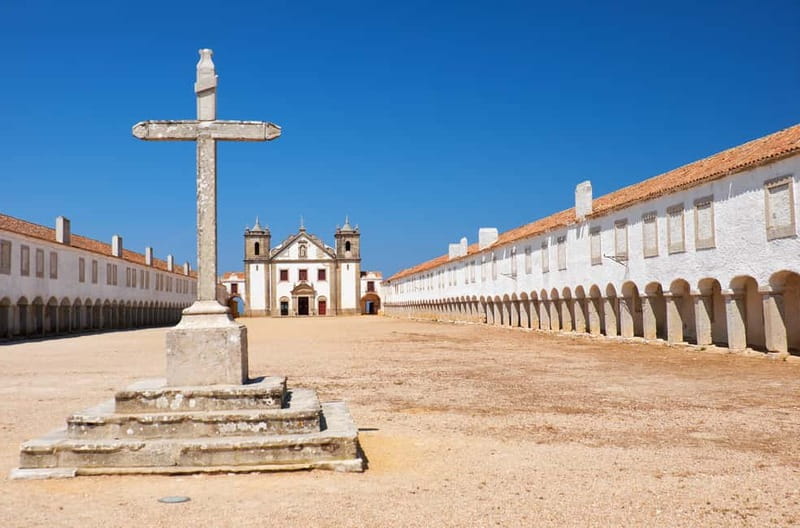
There’s also a brief pass by the Convent of Our Lady of Arrábida. Even when it’s only a short stop, it adds meaning because it connects religion and regional identity to the same dramatic coastline.
One planning note: nature stops can be weather-sensitive. If it’s windy or cooler than expected, you’ll appreciate bringing a light jacket, which the tour specifically recommends.
Catralvos: a family winery with views, cheese, pastries, and real process
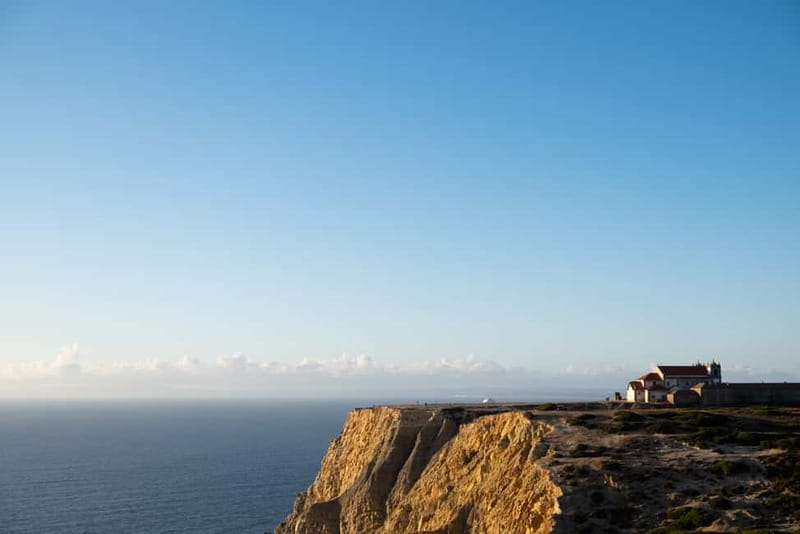
Now we switch gears from scenery to wine. At Quinta de Catralvos, a family-run farm, you get a guided tour of the vines and cellar process, plus a tasting.
This is where I’d expect the day to click for wine lovers. You’ll taste five wines here, and you’ll also get appetizers—including local cheese and pastries (torta de Azeitao and queijo de Azeitao are part of the included experience). The tasting format is guided, so it’s not just “here are the glasses, good luck.”
What makes Catralvos feel special is the setting: you’re tasting with views over the vineyards, so the “why” behind the wine is easier to picture. You also get a sense of how production works—from vine through to the glass—rather than focusing only on flavor notes.
If you plan to buy bottles, this is often the moment to do it. The tasting gives you a reason to remember what you liked when you’re shopping later.






Jose Maria da Fonseca: history-heavy cellars and tasting two older wines
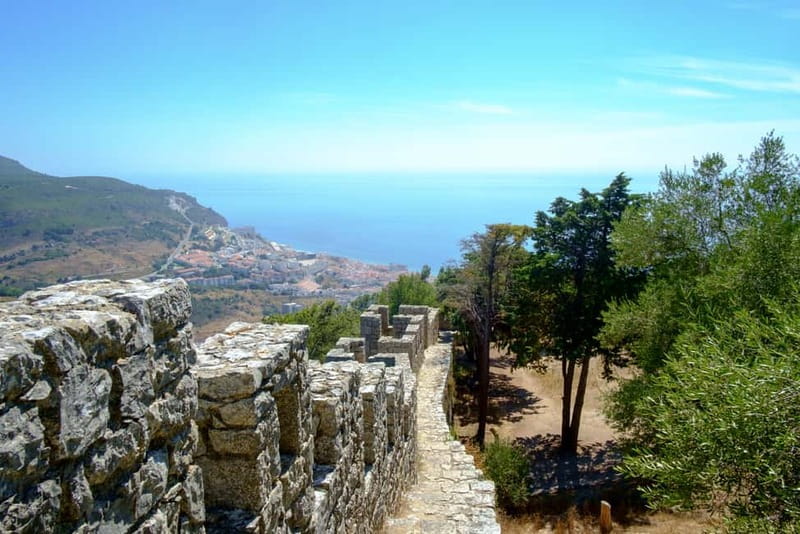
Your second winery visit is José Maria da Fonseca—another family-owned operation. This one leans hard into longevity: it’s been operating since 1834, founded by six generations of the same family.
The guided visit starts in the owner’s house and then continues through the ancient wine cellars. You’ll learn how the place fits into the broader wine story of the region, and the tour highlights that some wines you’ll encounter are over 100 years old.
Then comes the tasting moment: you’ll sample two wines here. Put together with the earlier stop, this brings the tour’s included tasting total to 7 wines.
This winery visit also balances the earlier one. Catralvos feels more like a working vineyard day; Fonseca feels more museum-and-cellar focused. If you like comparing styles and pacing between different producers, you’ll probably enjoy how the day sets up those contrasts.
Sesimbra free time: seafood town energy, beaches, and a fortress option
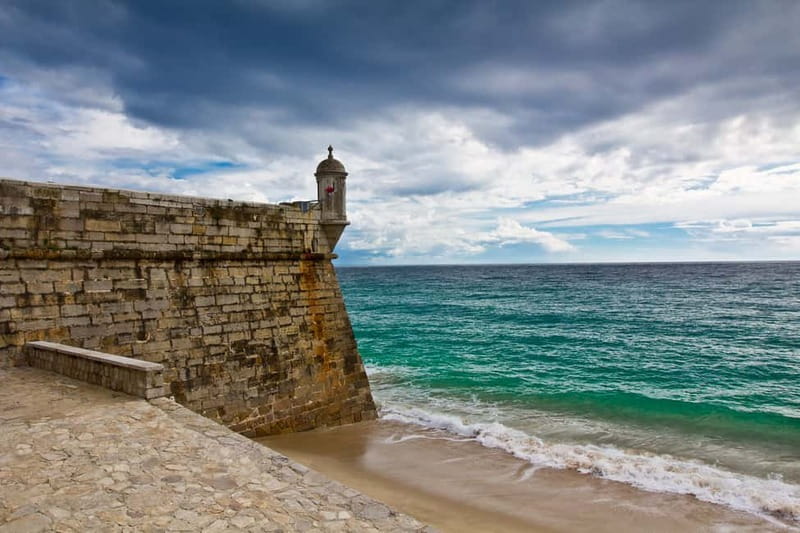
After the wineries, the tour hits Sesimbra, a coastal fishing town set around a bay and framed by cliffs. This is one of the best “reset” points in the itinerary because you get time to breathe, pick what you want, and eat like you’re on vacation—not like you’re rushing through checkpoints.
You have about 1.5 hours in Sesimbra. The plan is flexible: you can choose lunch or a snack. The included stops already cover local cheese and pastries, but Sesimbra is where you decide whether you want a full meal (often seafood-focused) or something lighter.
There are also a few easy options depending on your mood:
- Santiago Fortress (part of Portugal’s coastal defenses and tied to royal retreats)
- California Beach (soft sand and clear water)
- Ouro Beach (another beach stop during the free time)
One thing to watch: with only 1.5 hours, your lunch timing affects how much beach time you’ll realistically get. If you linger too long with dessert and a view, that’s your call—but it can compress the rest.
If you want a calmer alternative to big-city dining, Sesimbra is a smart counterbalance. The town center has narrow streets and a promenade feel, so even if you don’t go down to the water right away, you’ll still get the seaside setting.
Cristo Rei viewpoint: why the statue makes a great final stop
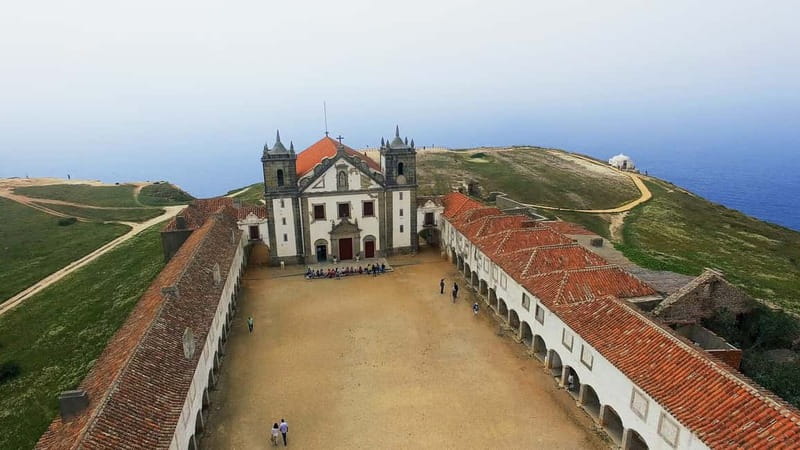
Toward the end, you visit Cristo Rei—the monument inspired by the Brazilian Christ statue. It was built in 1959 and tied to a theme of gratitude for Portugal being spared during World War II.
Why this matters on this specific tour: you finish the day with a viewpoint after you’ve spent hours moving through coastal cliffs and wine country. Up at Cristo Rei, you get an immediate “whole picture” moment over Lisbon and the Tagus River.
The stop includes a guided component and lasts about 30 minutes. That’s usually enough time to see the view, take photos without sprinting, and still be ready for the return drive.
Price and pacing: does $94 feel like value?
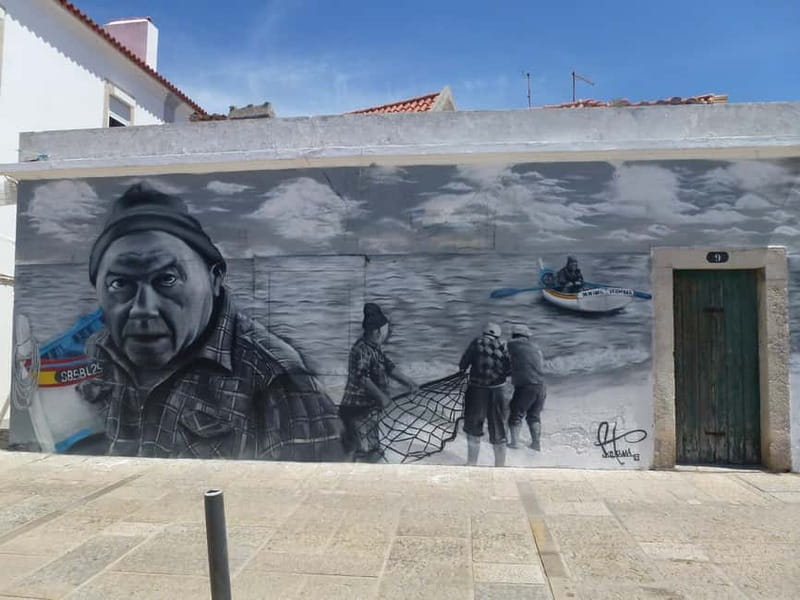
At $94 per person for about 9 hours, the value depends on what you care about most. Here’s why I think it makes sense for many people:
- You get 7 wine tastings across two family wineries. That’s not just a couple of pours; it’s a structured experience that comes with guided context.
- You also get local food included (cheese and pastries tied to the region).
- You’re not only doing wine. The itinerary includes Azulejos de Azeitao (craft + design history), Arrábida UNESCO park scenery, and a full coastal town break in Sesimbra.
So if your ideal day trip is scenery + tastings + a real chance to walk around, this is a strong use of time. If you mostly want only beach time, or you dislike structured tastings, then you might find the schedule a little tight. But for a first-time visitor who wants variety in one day, it’s a good deal.
Pacing is the only real trade-off. This isn’t a slow travel day. It’s a well-paced day tour that hits a lot of quality stops.
What kind of traveler should pick this day trip?
This tour tends to fit best if you:
- want small-group attention (up to 8) and a guide who helps tie stops together
- enjoy wine experiences that include guidance, not just sampling
- like a balanced day: crafts, park views, winery visits, and then a coastal town break
- appreciate learning context, like why the bridge is named for April 25, or how tile designs reflect multiple cultural influences
It may not be the best choice if:
- you need wheelchair accessibility (the tour is listed as not suitable for wheelchair users)
- you want long stays at each destination instead of a “see a lot in a day” approach
- you’re sensitive to driving time and prefer shorter outings
The guide factor: small details that make the day run smoother
One repeat theme in the experience quality is the guide. People often call out how guides like Carolina, Tânia, Catarina, Tânia again, Miguel, Inès, and Maria made the day feel more than a checklist—especially through clear explanations and a friendly group vibe.
Even when you’re bouncing between several stops, a good guide changes the feel of the day. You’ll notice it in how they time viewpoints, explain what you’re looking at in the park and wineries, and share practical tips—especially around Sesimbra where lunch decisions matter.
That’s why this tour works well as a one-day orientation to southern Lisbon: the guide helps connect the dots.
Should you book Arrábida Wine Tour from Lisbon with wineries, tastings, and tiles?
If you want a day trip that’s equal parts Portuguese craft, coastal scenery, and wine tastings—without the chaos of huge tour buses—this is a solid choice. The small-group limit, the two family wineries, and the included 7 wines make it feel like more than a sightseeing run.
I’d book it if your Lisbon time is limited and you want variety that still feels authentic. I’d skip it only if you’re mainly craving long beach hours or you dislike structured tastings.
If you do book, do one simple thing: bring a light jacket and wear comfortable walking shoes for Sesimbra and the viewpoint stops. The day moves, but the payoff is that you’ll come back to Lisbon with both stories and wine.
FAQ
How many people are on the tour?
The tour is limited to a maximum of 8 people.
How long is the experience?
The duration is 9 hours.
Is the tour in English?
Yes. The tour is conducted in English only.
What wine tastings are included?
You’ll taste 7 wines total while visiting 2 family-owned wineries, with cheese and pastries included as part of the tasting experience.
Is hotel pickup included?
No. There is no hotel pickup or drop-off. You meet at the central meeting point and return there.
Where is the meeting point?
Meet at Avenida da Liberdade, number 9, in front of the American Vintage store. It’s about a 1-minute walk from the Restauradores metro station on the blue line.
What should I bring?
Bring at least a light jacket.
Is the tour wheelchair-friendly?
No. It’s not suitable for wheelchair users.