REVIEW · SESIMBRA
Arrábida – Sesimbra: Dolphin Watching
Book on GetYourGuide →Operated by ArrabidaLife · Bookable on GetYourGuide
Dolphins, coastline, and a cleanup job. That mix is what makes this 2-hour boat trip from Sesimbra feel both thrilling and genuinely useful. You’re out on the water looking for wild dolphins in the Arrábida Natural Park area, and you also help collect floating plastic that can harm marine life.
I especially like having a marine ecologist guiding the search, not just a driver reading a script. And I like that you get those coastline views as you go—Arrábida’s cliffs and coves look like postcards, even when you’re busy scanning the water. One thing to consider: dolphin sightings can never be 100% guaranteed, even with a very high success rate.
If you want a short outing with a strong nature angle (wildlife plus action), this is a smart choice. It’s also paced well for most people: long enough to enjoy the boat time, short enough that you won’t feel trapped on a schedule.
In This Review
- Key things to know before you go
- Arrábida to Sesimbra: where the coastline becomes the show
- The marine ecologist guide: what you’re learning changes how you watch
- Plastic collection on the water: small work, real meaning
- Searching for dolphins: what the 98% success rate means (and what it doesn’t)
- The route from the park to the Sado River estuary
- A note on extras like caves
- Boat time, comfort, and what to bring for a smooth outing
- Included goodies: water, insurance, and farinha torrada
- Price and value: why $58 can feel fair for this specific kind of trip
- Who should book this dolphin watching tour from Sesimbra
- My decision rule: should you book this Arrábida-Sesimbra dolphin trip
- FAQ
- How long is the dolphin watching tour?
- Where does the dolphin watching boat depart from?
- What’s included in the price?
- Is it guaranteed that we will see dolphins?
- What conservation activity do we do during the trip?
- What should I bring, and what’s not allowed?
- What languages are the tour guide available in?
Key things to know before you go
- Wild dolphins, not a zoo show: you’ll search for common dolphins and bottlenose dolphins where they live year-round.
- A marine ecologist on board: you learn what you’re seeing and why conservation matters.
- Help collect floating plastic: it’s a practical way to leave the sea in better shape than you found it.
- Big scenery route: you explore the Arrábida Natural Park coastline up toward the Sado River area.
- Sado River estuary is a key habitat: it’s treated as a prime conservation zone for dolphins.
- Bring sun protection and shoes that work on a boat: you’ll be glad you packed them once you’re out there.
Arrábida to Sesimbra: where the coastline becomes the show
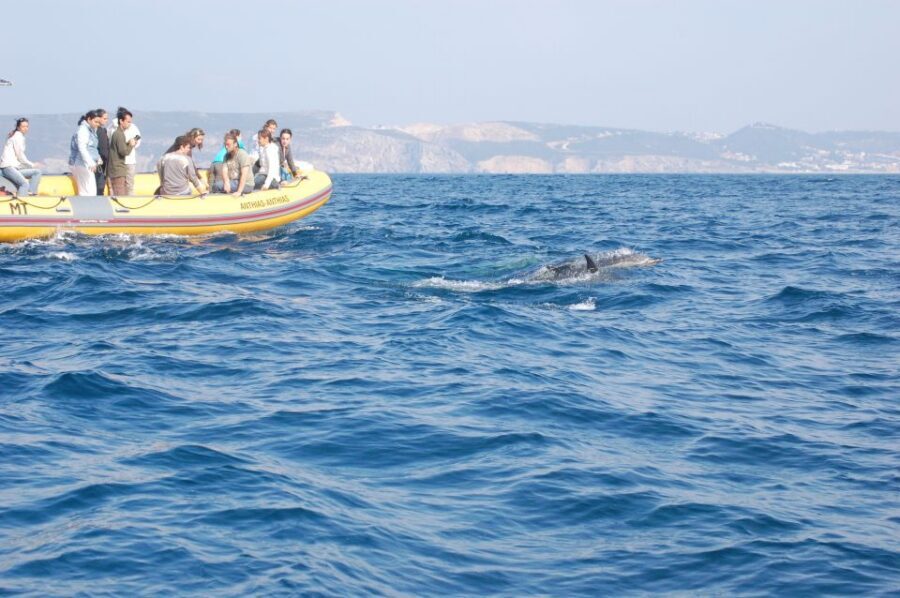
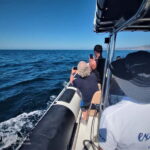
Sesimbra is a great starting point because the sea view hits immediately. Once you head out by boat, the trip stops feeling like a single activity and starts feeling like a moving viewpoint—cliffs, inlets, and that “how is this real?” Atlantic light off the coast. You’re not just staring at the horizon hoping for movement. The guide keeps you oriented to where dolphins are most likely to show up along the Arrábida Natural Park stretch.
This route also matters because dolphins use specific areas, and this trip is built around that logic. You go along the coastline and then out toward the Sado River direction, where the estuary becomes a major focus. That’s a big part of why this experience is more than a luck-based boat ride. You’re following habitat, not just chasing rumors.
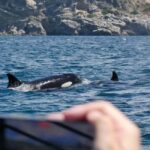
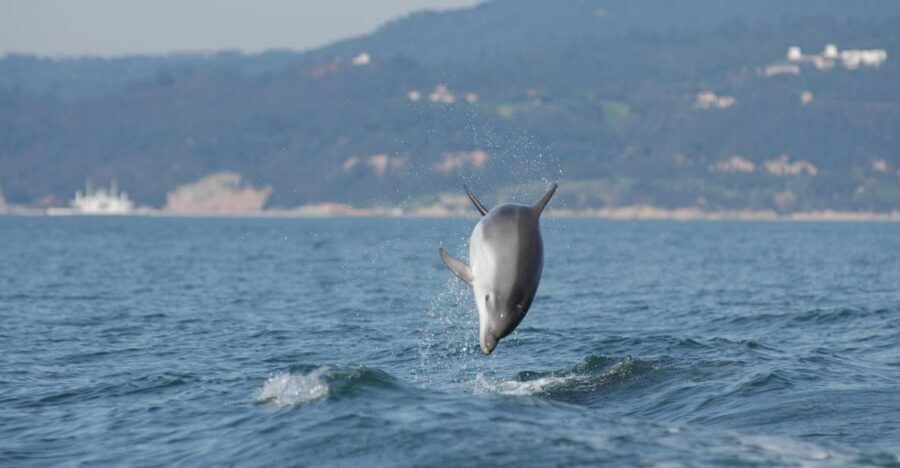
And yes, it’s a real wildlife search. You’ll look for different dolphin species in the wild—commonly common dolphins and bottlenose dolphins—plus other marine life that may appear during the journey.
You can also read our reviews of more dolphin watching tours in Sesimbra
The marine ecologist guide: what you’re learning changes how you watch
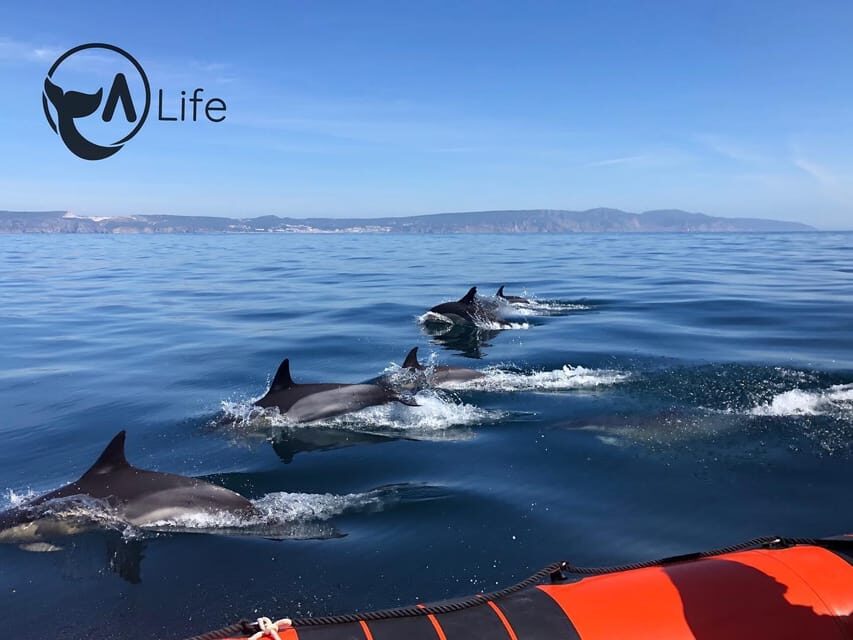
Here’s what I like about doing dolphin watching with a marine ecologist responsible for the activity: your attention stops being random. Instead of scanning in pure panic mode (it happens to everyone), you learn what to look for and why.
You get guided explanations in Portuguese, English, or Spanish, with a live tour guide on board. That’s important because dolphins aren’t just “cute.” They’re part of a living ecosystem. The guide connects the dots between what you see—movement patterns, likely activity zones—and conservation efforts happening in the region.
The conservation angle isn’t tacked on at the end. It shows up in how the route is planned (the Sado River estuary is treated as especially important) and in the plastic-collection activity, which you’ll do as part of the tour rather than as a separate charity moment. It makes the trip feel grounded: you’re not only observing nature, you’re also learning what threatens it.
Plastic collection on the water: small work, real meaning
The most distinctive part of this experience is that environmental action component. You’ll help locate and collect harmful plastic floating in the ocean during the boat outing. It’s not framed as a “feel-good photo op.” It’s presented as a way to reduce threats to marine animals where you’re actually seeing them.
Even if you only collect a small amount, the effect is about more than the handful of items in your hands. You’re bringing attention to a problem that’s easy to ignore from shore. On the boat, the water is right there—so the issue becomes visible, immediate, and a lot harder to dismiss later.
Also, this changes the vibe. Dolphin watching can turn into a pure chase. With this added task, you keep a steadier pace. You watch the water, help clean it, and then return your focus to wildlife. It feels purposeful.
Searching for dolphins: what the 98% success rate means (and what it doesn’t)
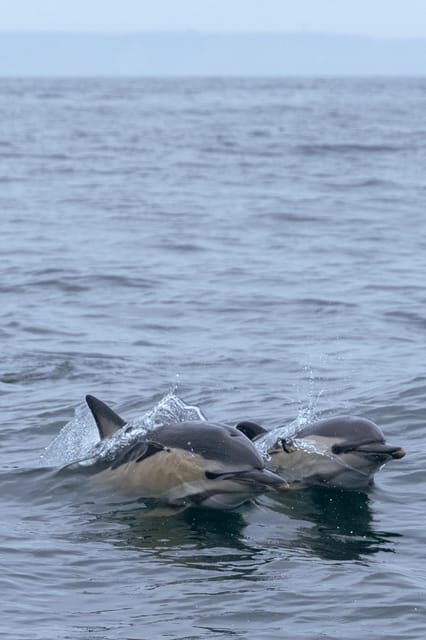
Let’s be honest. Wild animals mean wild outcomes. The tour is upfront that sightings can’t be guaranteed 100% because you’re dealing with nature, not a staged scene.
That said, the local partner has a very high success rate—about 98%—of spotting the dolphin species you came to see. So while you should still keep expectations realistic, you’re not betting on a total long shot.
You’ll typically be searching along the Arrábida Natural Park coastline and in the direction of the Sado River area, where dolphins live all year round. The Sado River estuary is treated as one of the prime importance locations for dolphins conservation, and the trip focuses time around that kind of habitat.
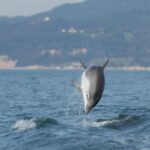
One review highlights that dolphins can get quite close to the boat. Another notes time spent with dolphins was substantial enough to observe a large group. That’s the kind of outcome you hope for—and the kind of reason the ecologist-led approach is worth paying for. When dolphins are active, you’re in the right zone long enough to actually see them behave, not just flash past once.
The route from the park to the Sado River estuary
The tour’s geography is the backbone of the experience. You start by departing from Sesimbra, then go out to explore the Arrábida Natural Park coastline. The route continues up toward the Sado River.
The star of the wildlife focus is the estuary area. Estuaries often act like “meeting points” where marine life has food and shelter. In this case, the trip treats the Sado River estuary as a key conservation point for dolphins, and dolphins live there year-round. That year-round detail is useful for you if you’re planning outside the peak summer vibe. Dolphins aren’t just seasonal visitors here.
You’ll also spend time looking for multiple species, not just one. The goal isn’t only a quick glance of one dolphin. You’re trying to spot both common dolphins and bottlenose dolphins, depending on what surfaces and how the search evolves.
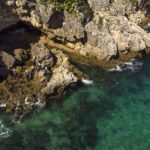
And the coastline itself isn’t background scenery. It’s part of the show. Expect the views of the coastline as you move, and expect that your attention will swing between dolphin spotting and the geography around you.
A note on extras like caves
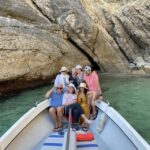
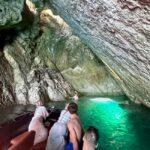
Some departures may include a short detour for a look at nearby caves along the coast. It’s not presented as the main event, but it’s the kind of bonus that can add variety while you’re already out there.
Boat time, comfort, and what to bring for a smooth outing
This is a boat trip, so comfort matters. The tour includes a lifejacket, plus water to keep you going while you watch and wait. You’re out for about 2 hours, which is long enough to feel like you got value, but short enough that most people can handle the boat time without needing an onboard spa.
What you should bring:
- Comfortable shoes (boat decks are not the place for flimsy sandals)
- A hat and sunscreen for sun exposure on the water
- Comfortable clothes that you can move in and that won’t feel irritating if the wind picks up
What you should avoid:
- Touching marine life
- Littering
That last bit matters because the whole trip has an environmental action component. They’re clearly aiming for a respectful interaction style: you observe, you help clean, and you don’t disrupt.
Also, if you’re sensitive to motion, you’ll want to dress smart and be ready for some movement. The tour doesn’t list any special motion details, so plan like you would for any coastal boat outing.
Included goodies: water, insurance, and farinha torrada
You don’t just pay for the dolphins. You pay for the setup that makes the trip actually work.
Included:
- Insurance
- Marine ecologist responsible for the activity
- Lifejacket
- Water
- A taste of the region’s typical cake: farinha torrada
Farinha torrada is a nice touch because it gives you a quick taste of local flavor without turning the tour into a food stop. It’s small, but it feels thoughtful—like you’re getting the region, not just the wildlife.
Not included:
- Food and beverages
So plan accordingly. If you’re hungry, eat beforehand or bring your own snacks if that’s allowed where you’re staying. The tour does provide water, but it doesn’t replace a meal.
Price and value: why $58 can feel fair for this specific kind of trip
At $58 per person for a 2-hour dolphin watching outing, the value depends on what’s included and what kind of experience you want.
Here’s what you’re getting for your money:
- A guided search led by a marine ecologist
- Equipment support (lifejacket) and water
- A conservation action (collecting floating plastic)
- A local flavor (farinha torrada)
- The scenic coastline route and time focused on dolphin habitat like the Sado River estuary
If you compare this to doing something self-directed—like hiring random boat time without an ecologist—the difference is the “how” and “where.” You’re not just on a boat. You’re on a boat with a plan tied to habitat and conservation, plus a guide who helps you interpret what you’re seeing.
The high success rate (around 98%) also boosts perceived value. You’re paying for a structured wildlife experience with strong odds, not a gamble that turns into two hours of staring at empty water.
Who should book this dolphin watching tour from Sesimbra
This trip fits best if you want wildlife plus an action component. It’s not only for people who love dolphins. It also works well for anyone who likes practical nature learning—seeing conservation in action and hearing why certain areas, like the Sado River estuary, matter.
I’d also point it toward:
- Couples and friends who want a short outing with big scenery
- Families who have kids old enough to meet the minimum age (this one isn’t suitable for children under 2)
- Travelers who prefer guided observation over passive sightseeing
Skip it if:
- You need guaranteed dolphin sightings no matter what (wild animals can’t promise that)
- You’re uncomfortable on boats or in windy coastal conditions
My decision rule: should you book this Arrábida-Sesimbra dolphin trip
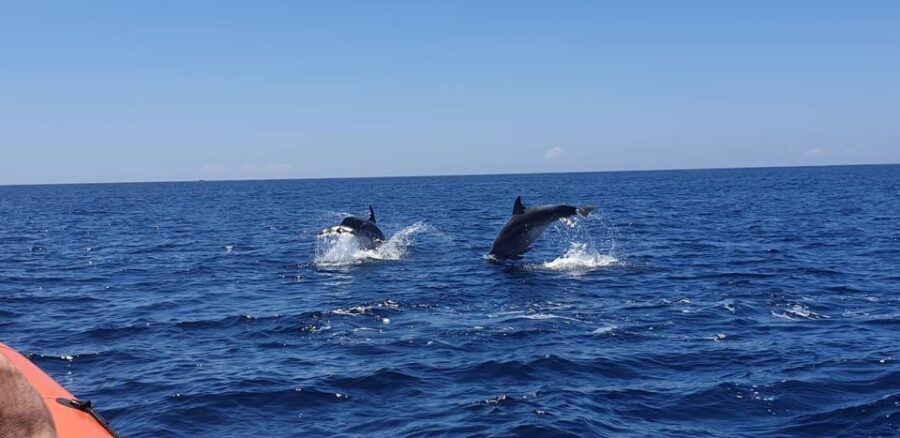
Book it if you like the idea of wild dolphins in their natural habitat plus a conservation task that makes the trip feel purposeful. The mix of ecologist-led guidance, habitat-focused route planning toward the Sado River estuary, and the plastic-collection activity creates a stronger experience than most “see dolphins if you’re lucky” tours.
Don’t book it if you’re going for a guaranteed animal encounter. The trip does the right thing by warning you that sightings can’t be guaranteed, even with a high success rate. That’s not a deal-breaker for most people—it’s just how responsible wildlife tourism works.
If you’re in the Lisbon area and want a memorable two hours that pairs stunning coastline views with real-world environmental action, this is the kind of booking that makes sense.
FAQ
How long is the dolphin watching tour?
The tour lasts about 2 hours.
Where does the dolphin watching boat depart from?
The experience departs by boat from Sesimbra.
What’s included in the price?
The tour includes insurance, a marine ecologist guide, a lifejacket, water, and a taste of the region’s typical cake (farinha torrada).
Is it guaranteed that we will see dolphins?
No. The dolphins are wild, so sightings can’t be guaranteed 100%. The partner reports a very high success rate (about 98%) for spotting the targeted species.
What conservation activity do we do during the trip?
You help locate and collect harmful plastic floating in the ocean.
What should I bring, and what’s not allowed?
Bring comfortable shoes, a hat, sunscreen, and comfortable clothes. Don’t litter, and don’t touch marine life.
What languages are the tour guide available in?
The live guide offers Portuguese, English, and Spanish.