REVIEW · FARO
Tavira Olive Experience Factory Tour and Tasting
Book on Viator →Operated by Olive Factory · Bookable on Viator
A tour about olives can be oddly fascinating. In Tavira, this small factory visit walks you through how olives become table-ready, with a simple, hands-on explanation of the steps, the role of salt, and how it all ties into the big olive picture.
I especially liked two parts: the straightforward walk-through of the olive-preserving process (not a lecture you forget), and the tasting afterward, loaded with local foods like olives, olive oil, honey, cheese, orange marmalade, and wine. One thing to keep in mind: depending on the season, you may not see machines actively running every day.
In This Review
- Key Points Before You Go
- Entering the Olive Factory: A 1 Hour 30 Walk-Through in Tavira
- What You Learn: Olives, Preserving, and the Why Behind the Steps
- The Machines Part: What You Might See (and Why It Can Vary)
- Olive Processing Basics: Pits, Texture, and What Finally Becomes Edible
- About Olive Oil: The Context You’ll Actually Use
- The Tasting: A Full Plate of Algarve Flavors, Not a Token Sip
- Value at $35.09: Why the Price Feels Fair for What You Get
- Logistics That Actually Matter: Getting There and Making It Easy
- Who This Tour Is Best For (and Who Might Skip It)
- Should You Book the Tavira Olive Factory Tour and Tasting?
- FAQ
- What time does the tour start?
- How much does the Tavira Olive Experience Factory Tour cost?
- Is the tour offered in English?
- Will I definitely see the machines processing olives?
- What’s included in the tasting?
- Is there a chance to drink alcohol before the tour?
Key Points Before You Go
- A real, small operation: Expect a family-style setup with a focused lesson and a short, friendly group pace.
- Table-olive processing focus: It’s mostly about olives for eating, with useful context about olive oil along the way.
- Season matters: If it’s not peak picking time (generally September to October), you might see equipment, but not in action.
- A practical tasting: You’ll try multiple local products, not just a tiny sample spoon.
- English tour: Offered in English, and the group stays limited (up to 30 people).
- Plan around 4:00 pm: It’s a late-afternoon slot, and you can arrive early for drinks at the bar (paid separately).
Entering the Olive Factory: A 1 Hour 30 Walk-Through in Tavira
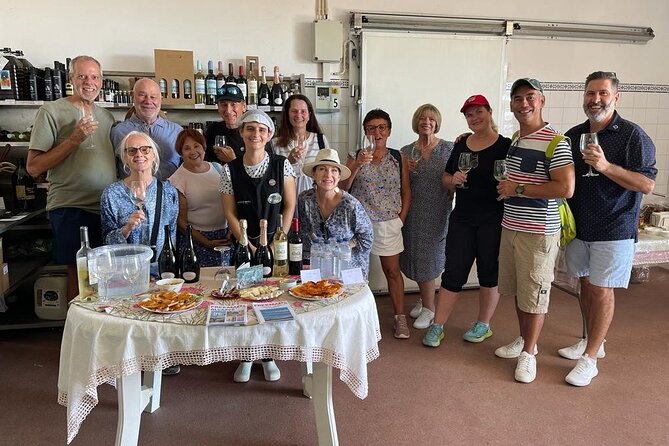
This experience is set up for an easy, low-stress visit. It runs about 1 hour 30 minutes, starting at 4:00 pm, and it’s offered in English with a mobile ticket. The group is capped at 30 people, which helps the guide keep it personal and keep questions moving.
The meeting point is Olive Factory Tavira, Hélder Madeira, Estrada do Arraial Ferreira Neto S/N, 8800-228 Tavira. Plan to arrive a bit early because the host asks you to check in on time, and it’s an area where maps can sometimes be less helpful than you’d like.
I like that the timing fits well into an Algarve day. You get the afternoon to roam, then you have a calm indoor plan that doesn’t require a car rental or a long journey out of town.
You can also read our reviews of more food & drink experiences in Faro

What You Learn: Olives, Preserving, and the Why Behind the Steps
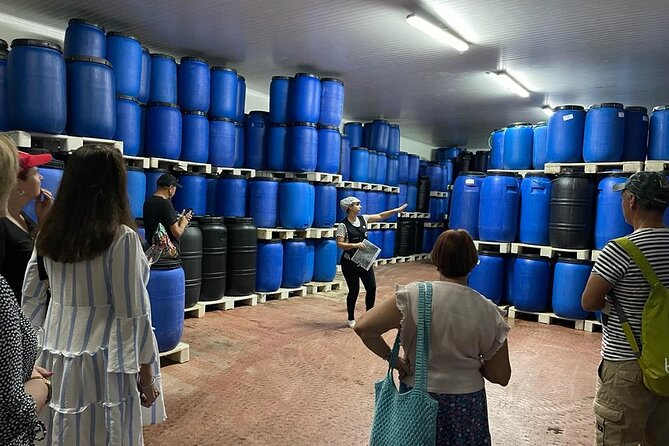
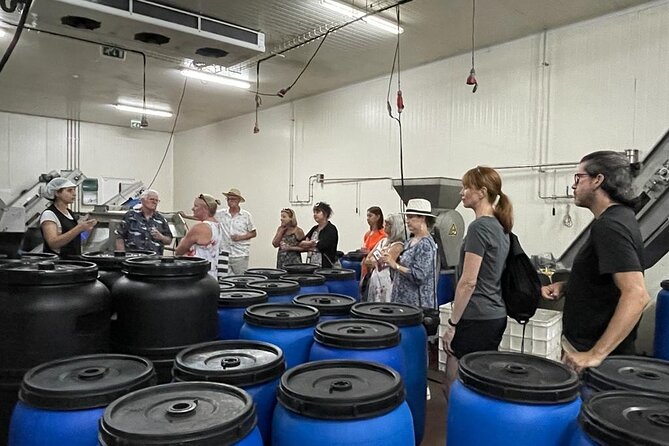
The core of the tour is how olives go from harvested fruit to something you can actually eat. The guide explains the machines used in the process and, more importantly, the logic behind each step. You’ll hear about the preservation process and why things are done in a particular order.
A big theme is salt—why it shows up, what it changes, and how it affects the transformation of olives. That’s the kind of food detail that makes tasting later feel like more than snack time. You start to notice textures and flavors with actual reasons behind them.
Also, pay attention to the way the guide connects flavor to process. This is the difference between a “look at equipment” tour and a tour that teaches you how to read food. You walk away understanding the work involved from olive to plate, including why the pit matters for both texture and eating.
The Machines Part: What You Might See (and Why It Can Vary)
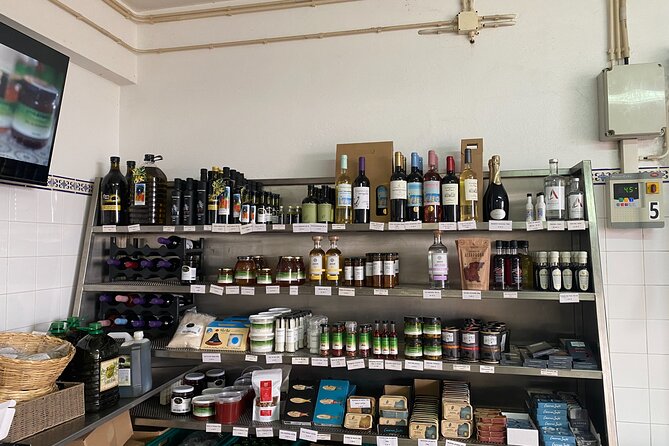
Here’s the realistic part: production does not always run. Olive picking generally happens in September and October, and the factory may not be processing olives every day. That means you could show up and find equipment ready but not actively in use.
That sounds like a drawback, but it doesn’t have to ruin the experience. Even when the line isn’t running, the guide can still show you the machines and explain exactly what happens during peak season. You also get a clearer picture of why table olive work is seasonal and labor-focused, not a nonstop factory treadmill.
If you visit in an off-month, treat the tour as an education and tasting experience first. You might not witness the “production moment,” but you can still understand the full workflow and taste the results.
Olive Processing Basics: Pits, Texture, and What Finally Becomes Edible
One of the most memorable parts is how the tour breaks down olives into understandable concepts. Instead of vague statements, you get the practical “why” behind key steps. The guides talk through details like why the pit is handled the way it is and what it does for the eating experience.
They also connect texture to process. That matters because olives are one of those foods where your expectations can easily be wrong if you’ve only tried the easiest jars from a shop. Here, you learn that good table olives are controlled: timing, treatment, and ingredient choices all shape what you end up tasting.
And don’t worry if the topic sounds technical at first. The tone stays casual and guided step-by-step, so you’re not stuck translating food chemistry in your head. You’re learning to recognize patterns: how salt treatment and handling changes flavor and firmness.
About Olive Oil: The Context You’ll Actually Use
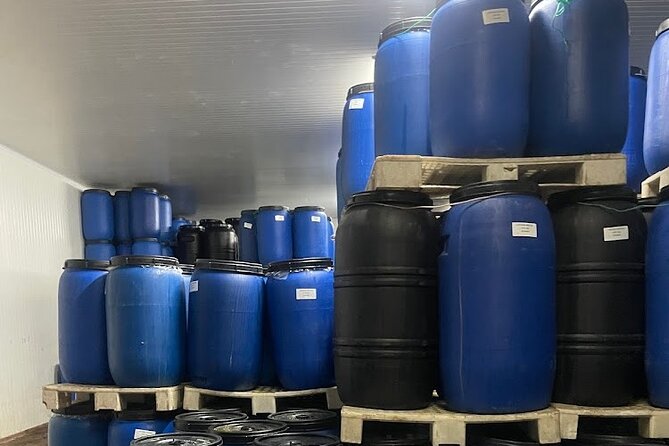
This is not a factory tour focused purely on olive oil production. The emphasis is olives for consumption, but you do get insights into olive oil and how it fits into the broader olive story. You’ll hear enough to place olive oil in the process picture and understand why olives and oil can be related but not identical products.
If you came expecting an olive oil extraction walkthrough, adjust your expectations. What you’ll get instead is a strong foundation in table olive processing, plus helpful context about olive oil and why salt is involved in the path to edible olives.
In practice, that makes you a better shopper. You’ll start noticing labels and production styles with more confidence because you’ve learned how processing changes what’s in the jar.





The Tasting: A Full Plate of Algarve Flavors, Not a Token Sip
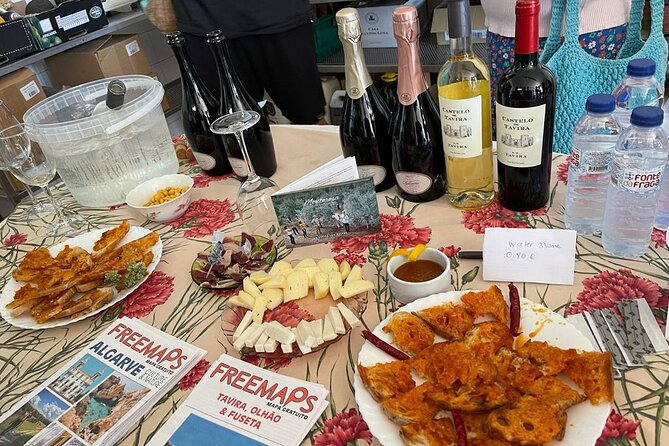
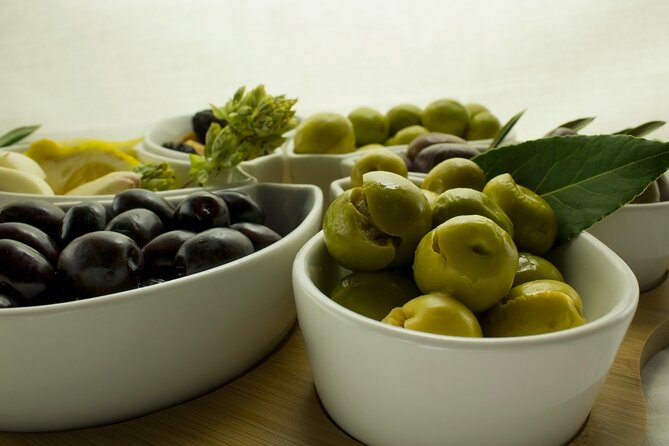
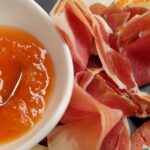
The best part comes after the explanation. You’ll get a small tasting featuring local products, with items like olives, olive oil, honey, cheese, orange marmalade, and wine. The included snacks list also mentions cheese, honey, orange marmalade, and olive oil alongside bread and a special bread sauce.
This is where the tour stops being informative and becomes pleasurable. Bread matters because it gives you a neutral base to taste the olive oil and spreads. Cheese helps you pick up salt and oil notes that can feel subtle in isolation.
And yes, alcohol is part of the tasting. Wine is typically included with the set of samples. If you show up earlier and want extra drinks at the bar, those are charged separately, so don’t assume your payment covers everything you might order.
One more practical note: many people love this stop because it turns a food lesson into an actual meal feeling. Even if you’re not a big cheese person, the variety helps. You’ll find enough flavors to compare without getting overwhelmed.
Value at $35.09: Why the Price Feels Fair for What You Get
At $35.09 per person, this isn’t a budget-free activity, but it also isn’t overpriced for a hands-on factory visit plus a food spread. You’re paying for three things:
- A real walkthrough of a working olive-preserving setup
- A guided explanation in English
- A tasting with multiple local products, including wine
That combination is where the value lives. A lot of tours offer either talk or tasting. Here, tasting is tied to what you just learned, so you get better payoff from every bite.
Also, the group size cap (up to 30) helps protect the value. Smaller groups tend to keep the guide’s attention useful, not scattered.
If you’re doing a rainy-day plan, this is the kind of outing that stays satisfying even without sunshine. It’s inside, it’s focused, and it naturally ends with food.
Logistics That Actually Matter: Getting There and Making It Easy
This is a 4:00 pm start. That timing is great for a late lunch-to-dinner rhythm, especially in Tavira where evenings can feel like the main event. You can arrive up to 1 hour before if you want a drink at the bar first, but remember those drinks are paid separately.
One detail I’d take seriously: don’t trust navigation blindly. The tour team has helped people when Google Maps or Apple Maps fails to point them the right way. Give yourself a cushion. If you’re cutting it close, you’ll feel rushed, and the whole point of the tour is to slow down and enjoy the food lesson.
What to bring is simple. Wear comfortable shoes because you’ll be moving through a small facility. Bring any dietary needs up ahead of time if you have them—some guides can accommodate allergies, but you’ll get the smoothest experience by telling them early.
And if you want souvenirs, plan a small extra budget. The experience notes that souvenirs are not included, and a typical range is mentioned (up to 15–20€). You’ll likely want to buy something you taste, especially olive oil or specialty jars.
Who This Tour Is Best For (and Who Might Skip It)
This is a great fit if you want a calm, food-centered stop that teaches you how olives are preserved and prepared. You’ll enjoy it if you like flavors you can explain, and if you enjoy learning-by-watching rather than learning-by-reading.
It’s also a smart choice for families, couples, and solo travelers because the pace is light and the tasting lands at the end. If you’re the type who loves small producers and real processes (not just views and photos), this hits.
I’d be a little cautious if your main goal is olive oil extraction. This is primarily an olive processing experience, with olive oil discussed for context and sampling, not as the main show.
Should You Book the Tavira Olive Factory Tour and Tasting?
Yes—if you like real food processes and you want a short, satisfying activity that ends with a solid tasting. The price makes sense because you’re getting both education and multiple local products in one sitting.
I’d book especially confidently if you’re visiting outside the peak harvest window and still want to understand how table olives get made. Even when machines aren’t running, the guide explains the full workflow, and the tasting brings it all to life.
If you want a guaranteed active production line, you can’t promise that. But you can promise you’ll leave with a better grasp of salt, preserving, pits, and why olives taste the way they do, plus plenty of Algarve flavors to take home in your memory (and maybe in a bag).
FAQ
What time does the tour start?
It starts at 4:00 pm and lasts about 1 hour 30 minutes (approx.).
How much does the Tavira Olive Experience Factory Tour cost?
The price is $35.09 per person.
Is the tour offered in English?
Yes, it is offered in English.
Will I definitely see the machines processing olives?
Not always. Production depends on the olive-picking season (generally September and October) and doesn’t happen every day, so you may not see machines operating on the day you go.
What’s included in the tasting?
The included tasting/snacks list includes snacks, wine, special bread sauce, cheese, honey, orange marmalade, and olive oil.
Is there a chance to drink alcohol before the tour?
You can arrive up to 1 hour before and enjoy drinks at the bar, but those drinks are charged separately.