REVIEW · PORTO
Porto: Port Wine Tour with 7 Port Tastings
Book on GetYourGuide →Operated by Porto Walkers · Bookable on GetYourGuide
Seven ports in four hours. That sounds dangerous.
This is the kind of Porto experience that teaches while you sip, with 7 tastings across different producers and three cellar stops packed into a simple, walkable route from Porto to Vila Nova de Gaia. I especially like the interactive way you learn to spot differences between port wine styles, not just taste and move on. The main thing to consider is the walking: you’ll cover a small distance, and surfaces can be uneven, so it’s not a good match if mobility is a concern.
You also get a real sense of place. You start on the Porto side of the Douro River near the Luís I Bridge, get history as you walk, and then step into professional tasting rooms where guides like Alex, Kevin, Laura, Francisco, and Cyril show up with real energy (and yes, shelter helps when rain shows up). If you want a port crash course with variety, this format is hard to beat.
In This Review
- Key highlights I’d circle first
- From Luís I Bridge to Gaia: why this tour starts on the Porto side
- Finding the group and pacing the walk (so you don’t feel rushed)
- Stop 1 in Gaia: the museum and cellar visit that makes port click
- Tastings 1 and 2: learning the differences by comparing styles
- Stop 2 at a smaller producer: when the tour gets more personal
- Stop 3: finishing with three pours and a wider range of styles
- How to drink port better after 7 tastings (not just more tasting)
- Guides, group energy, and what makes it feel interactive
- Price and value: what $54 buys in Porto and Gaia
- Who should book, and who should think twice
- Should you book the Porto Walkers 7-port tour?
- FAQ
- How long is the Porto port wine tour?
- What does the $54 price include?
- How many different port wines will I taste?
- Do I get food during the tour?
- Where exactly is the meeting point?
- What if I end up on the top level of the bridge?
- Is the tour suitable for kids?
- Is it wheelchair accessible?
- Are there cancellation or payment options?
- Are there any minimum group requirements?
Key highlights I’d circle first
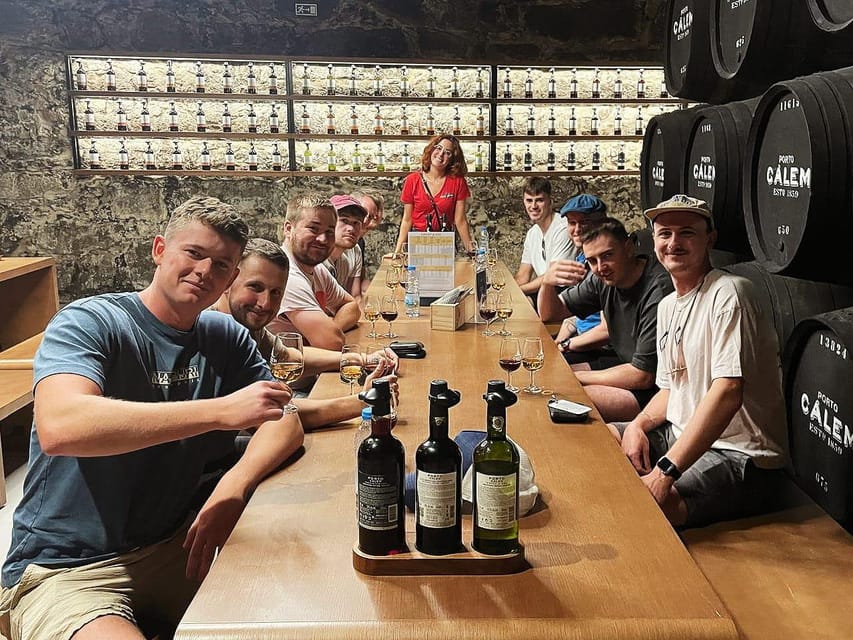
- 7 different port wines served in a tight 4-hour flow, so you taste families side-by-side
- Three venues, including one museum-and-cellar style visit at a major producer
- Pro tasting guidance on how to identify port wine families and when to drink them
- A mix of big name and smaller producers, which makes the differences feel real
- English live guide that keeps it lively and question-friendly
- Skip the ticket line so you spend more time tasting and less time waiting
From Luís I Bridge to Gaia: why this tour starts on the Porto side
If you want to understand port, start where the river story starts. This tour meets on the Porto side of the Luís I Bridge, at the lower level, on the right side of the entrance. Look for the guide in a red T-shirt or jacket by the big granite pillars of the old Ponte Pensil bridge. It’s an easy-to-miss detail—so I’d give yourself a few extra minutes.
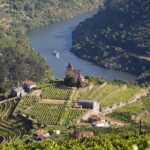
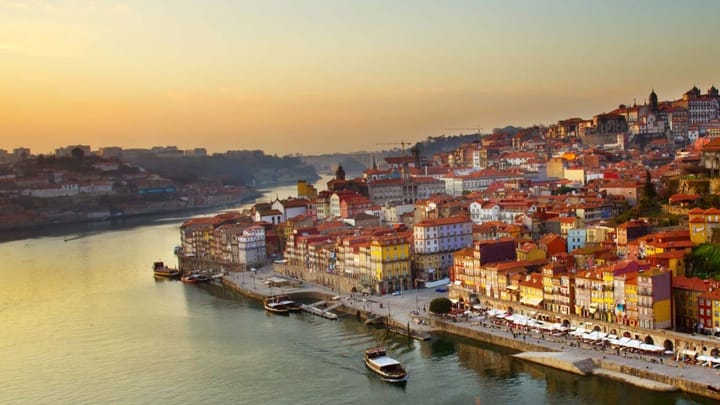
Once you’re together, you’ll walk toward the historical cellars of Vila Nova de Gaia. That matters more than it sounds. Porto and Gaia aren’t just two “sides” on a map; they’re part of how port moved, aged, and became a symbol of this region. You get historical context as you stroll along the Douro River, then you shift from street-level views to wine-world immersion.
This is also a practical choice. You’re not bouncing around the city with stops scattered far apart. The pace is built around a steady rhythm: short walk, then learn and taste, then another stop. In four hours, you end with a clearer sense of what you like, instead of a blur of cups.
You can also read our reviews of more wine tours in Porto


Finding the group and pacing the walk (so you don’t feel rushed)
You’re signing up for a “walk + tasting” afternoon. The walking is described as small, but there’s also a clear warning about uneven surfaces. One part of the tour is wheelchair accessible, yet the tour is also not recommended for wheelchair users due to uneven ground. So I’d treat that as a flag: if you use a wheelchair or have significant walking difficulty, you may want to rethink this one.
The meeting point detail is the kind that can ruin your day if you miss it. If you accidentally end up on the top level of the Luís I Bridge, you’re told to call for help. That’s a strong hint that people do mix it up. I’d rather arrive early and stand calmly near the correct granite pillars than sprint later with a lost look on my face.
Pacing is otherwise user-friendly. Tastings happen across three venues over a total duration of about four hours. You’ll get a guided museum/cellar experience at one stop, then taste right after learning. By the end, you’ll have tried seven ports total—so the tour doesn’t leave you waiting around for the fun.
Stop 1 in Gaia: the museum and cellar visit that makes port click
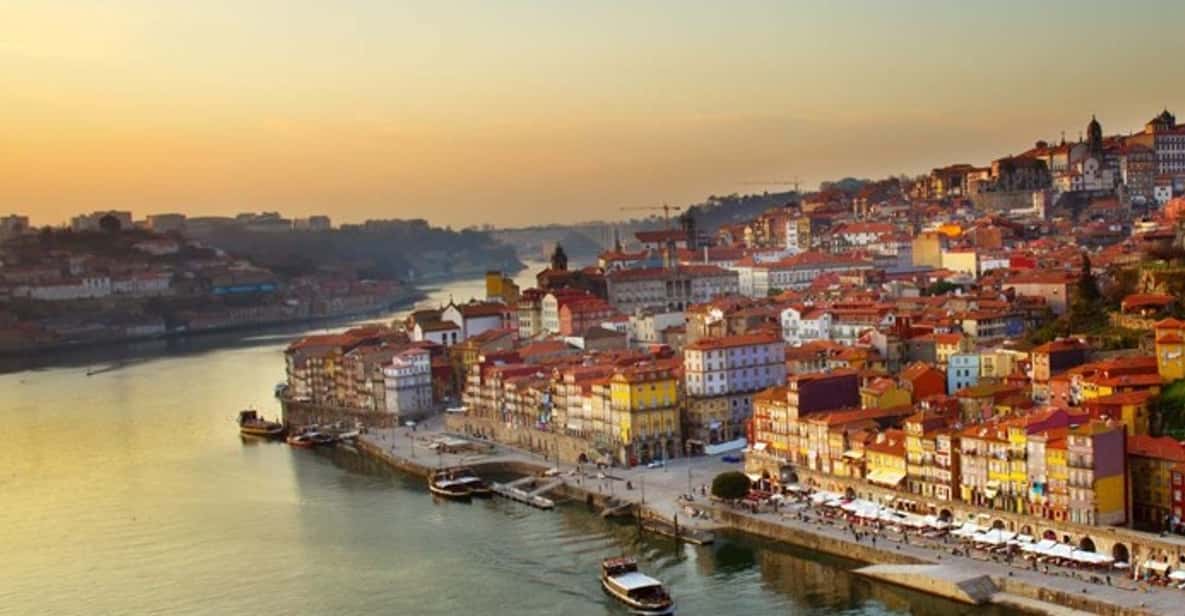
The first big moment is the visit to a prestigious port house—museum and wine cellar included. This is where you stop treating port as a mysterious sweet wine from a shop shelf and start treating it like a family of styles with rules, aging methods, and traditions.
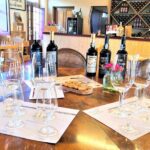
You’ll learn historical context, then get guided instruction on port wine basics before you pour. After the tour portion, you taste two port wines. That sequencing is smart. If you taste first, you only taste. If you learn first, you start noticing patterns: how style shows up in the glass and how age or production choices can change what you experience.
Two themes come up in your guidance. First is how to identify different port wine families—not by guessing, but by learning what to look for. Second is understanding the nuts and bolts: barrel talk and even cork, since they’re part of how the wine is preserved and presented for later enjoyment.
Then, because the goal isn’t just trivia, you also get practical conversation about how and when to drink port. Port can feel intimidating at first if you only think of it as dessert wine. This tour nudges you past that. You learn the “when” so you can buy or order with confidence later.
Tastings 1 and 2: learning the differences by comparing styles
Right after that first visit, you taste two different ports. This is where the tour design pays off. You’re not tasting seven random bottles. You’re tasting in a structured way across families and producers, and you get help during the process.
You’ll hear comparisons and discussions about what makes port wine different from other wines. That’s key, because port isn’t simply “red wine that’s sweet.” It’s its own set of decisions—from production approach to aging—so the taste profile can behave differently than you might expect.
From the tour experience perspective, the most valuable part is that you’re taught how to think while tasting. You learn to notice differences and connect them back to style families. That makes your later shopping easier. Instead of buying based on a label or a hunch, you’re learning to interpret.
And since it’s a live English guide, questions don’t feel like an interruption. Guides like Alex and Kevin have been praised for being engaging and humorous while keeping answers clear. If you’re the kind of person who likes to ask why a wine tastes a certain way, this style fits you.
Stop 2 at a smaller producer: when the tour gets more personal
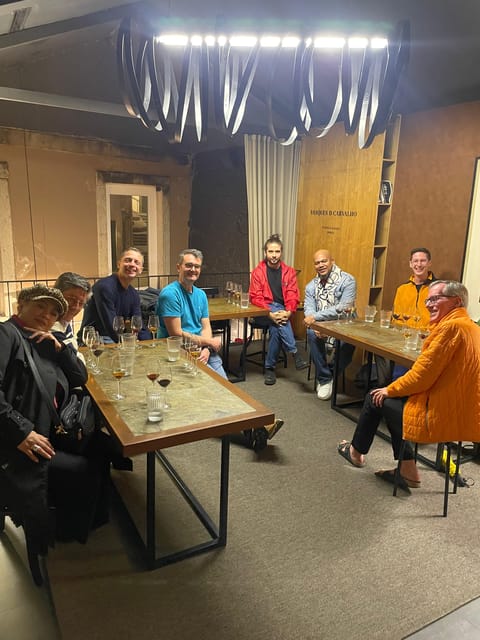
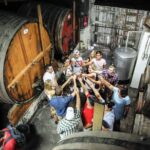
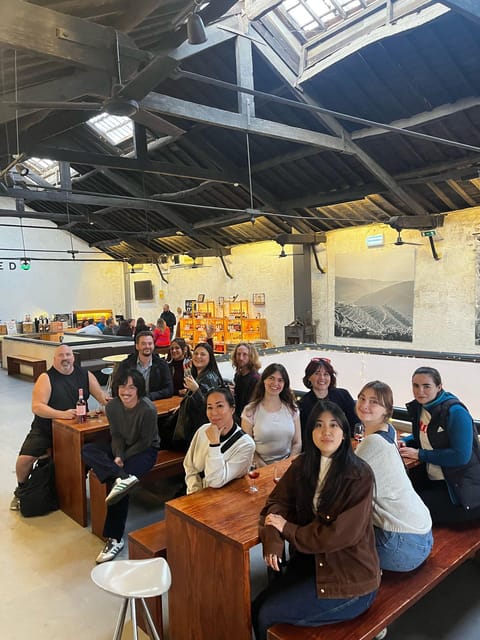
After the larger, museum-style stop, you shift to a second venue: a smaller producer. You taste two more port wines here. This is a deliberate change in scale, and it helps you understand that port doesn’t come from only one “type” of winery.
Smaller producers can make the differences feel sharper. You’re no longer just absorbing history and big-house polish. You’re seeing how other makers interpret the same region and the same tradition.
This stop also reinforces what you’ve been learning. You’ll keep practicing the skill of identifying port families and recognizing differences in style. By the time you reach the middle of the tour, the tastings start to feel like lessons, not just sips.
There’s another practical benefit: you can ask questions in a more relaxed setting. More than one guide is described as encouraging group engagement and conversation, which turns the whole afternoon into something social without being forced.

Stop 3: finishing with three pours and a wider range of styles
The final venue is where the tour gives you the biggest tasting total at once: three port wines to finish. That’s not just a “more wine” moment. It’s a test of what you learned.
By now, you’ve already been taught:
- how port differs from other wines
- how barrels and cork relate to how the wine is preserved
- how and when to drink port
- how to identify port wine families
So when you get to the last stop, you can apply your new filter in real time. Instead of asking what you’re tasting, you can start asking what family it belongs to, what style cues stand out, and how you might want to serve it later.
This is also the point where people often end up comparing notes with their group. Several guide descriptions mention groups gelling quickly and turning the four hours into a friendly social afternoon. Even if you come solo, this tour can still feel interactive.
How to drink port better after 7 tastings (not just more tasting)
The tour is built around a simple goal: help you choose a port style that matches your plans. You learn how and when to drink port, and the tastings are tied to that lesson.
Here’s what you’ll walk away with in a practical sense:
- You’ll know port styles aren’t all meant for the exact same moment.
- You’ll be more confident ordering or buying because you understand family differences.
- You’ll be able to talk about what you taste using the guide’s framework, instead of vague impressions.
One of the subtle advantages is that port can be stronger than first-time sippers expect. If you’re new to it, you might prefer certain styles over others. The tour helps you figure out which direction you lean, so you’re not stuck buying a full bottle you don’t actually love.
Also, the tour doesn’t include food tastings. That’s why I suggest you eat before you go. Port can hit fast on an empty stomach, and this tour is designed around tasting quantities, not meals. If you’re planning an evening out after, having a bite earlier makes everything more comfortable.
Guides, group energy, and what makes it feel interactive
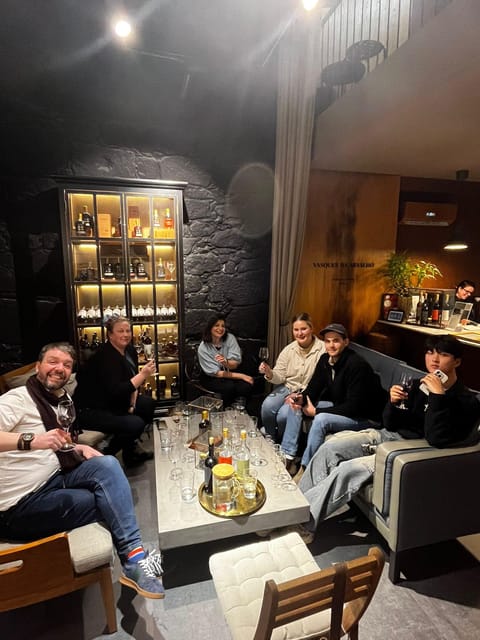
One reason this tour runs so well is the way the guide presence shapes the whole afternoon. Many reviews call out guides by name, including Alex, Kevin, Laura, Francisco, and Cyril. Across those guides, the pattern is consistent: they’re fun, they keep the pace moving, and they make space for questions.
A few practical bits that can matter to you:
- You’ll get clear explanations in English while tasting
- You’ll be encouraged to engage with the group
- The tour stays lively even if weather turns sour, with shelter provided when rain starts
Group size can vary. Some bookings describe small groups, while others mention larger groups. Either way, the structure is built to keep people from getting lost in the crowd—because the tastings and explanations happen in set stages.
Price and value: what $54 buys in Porto and Gaia
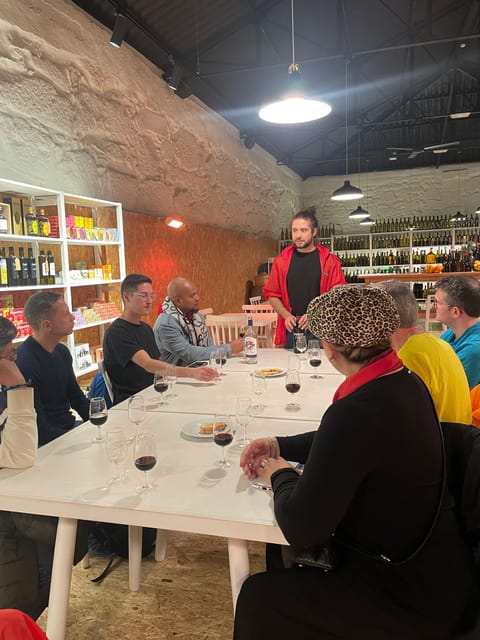
At $54 per person for a 4-hour experience, the value comes from the number of controlled tasting moments and the fact that you’re visiting multiple venues.
You’re getting:
- 7 wine tastings in total
- Guided tour in English
- Entrance to three venues
- A skip-the-ticket-line benefit
That matters because tasting tours can get expensive fast once you factor in guided time and venue access. Here, your money is focused on wine education and actual tastings, not just scenic wandering.
Also, you get variety without needing multiple separate bookings. One stop is a more formal museum/cellar setting, and the other two bring in different scales of producers. That mix helps you learn, because you can compare what changes from house to house.
Is it perfect value for everyone? If you only want a quick taste with zero instruction and you’re not interested in learning, you might feel the educational pace is more than you need. But if you want to understand port rather than just sample it, this price-to-experience ratio is strong.
Who should book, and who should think twice
This tour is a great fit if:
- you’re new to port and want a clear starting point
- you want to learn how to identify port wine families
- you like history as part of tasting, not history as a separate lecture
- you prefer a structured route in Porto and Gaia without complicated logistics
It’s not a great fit if:
- you have mobility limitations and especially if uneven surfaces are a concern
- you need a fully wheelchair-friendly route (the info is mixed: wheelchair accessible is stated, but uneven ground and the note that it’s not recommended for wheelchair users should be taken seriously)
- you’re under 18, because the minimum drinking age is 18 and unaccompanied minors aren’t allowed
If you’re the kind of person who gets bored after one tasting, this tour helps you stay engaged. Seven ports isn’t just quantity; it’s repetition with guidance, so the lessons add up.
Should you book the Porto Walkers 7-port tour?
I think you should book this port wine tour if you want the most efficient way to learn port style differences while still having fun. The big selling point is the structure: a historical walk into Gaia, a proper cellar/museum start, then smaller-producer stops, finishing with a heavier tasting to test what you learned.
If you’re on the fence, ask yourself one question: do you want to leave with better taste instincts for port, or just with a few sips for the photo? If it’s the first one, this tour fits. If it’s the second, you may find it a bit too educational and tasting-focused.
FAQ
How long is the Porto port wine tour?
The tour runs for 4 hours.
What does the $54 price include?
It includes a guided tour in English, entrance to 3 venues, and a total of 7 port wine tastings.
How many different port wines will I taste?
You’ll taste 7 port wines across the three venues.
Do I get food during the tour?
Food tastings are not included.
Where exactly is the meeting point?
Meet on the right side of the entrance of the LOWER LEVEL of the bridge Luís I, on the Porto side, by the big granite pillars of the old Ponte Pensil bridge. Look for the guide wearing a red T-shirt or jacket saying Porto Walkers.
What if I end up on the top level of the bridge?
If you end up on the top level of the bridge, you’re instructed to call for help.
Is the tour suitable for kids?
Unaccompanied minors aren’t allowed, and the minimum drinking age is 18. Children must be accompanied by an adult.
Is it wheelchair accessible?
Wheelchair access is stated, but the tour also notes uneven surfaces and says it is not recommended for those using a wheelchair or with walking disabilities.
Are there cancellation or payment options?
Free cancellation is available up to 24 hours in advance for a full refund. You can also reserve now and pay later.
Are there any minimum group requirements?
Yes. Minimum numbers apply, and if there aren’t enough passengers the activity may be cancelled and you’ll be offered an alternative or a full refund.